Past Event! Note: this event has already taken place.
The Dr. Fred Michel Environmental Science Seminar Series: Direct and indirect effects of “the pill” in aquatic food webs
November 29, 2017 at 2:30 PM to 3:30 PM
| Location: | 2104 Canal Building |
| Cost: | Free |
| Audience: | Anyone |
| Key Contact: | Michelle Santoianni |
| Contact Email: | michelle.santoianni@carleton.ca |
A presentation by Karen Kidd, Jarislowsky Chair in Environment and Health, Department of Biology and School of Geography and Earth Sciences, McMaster University.
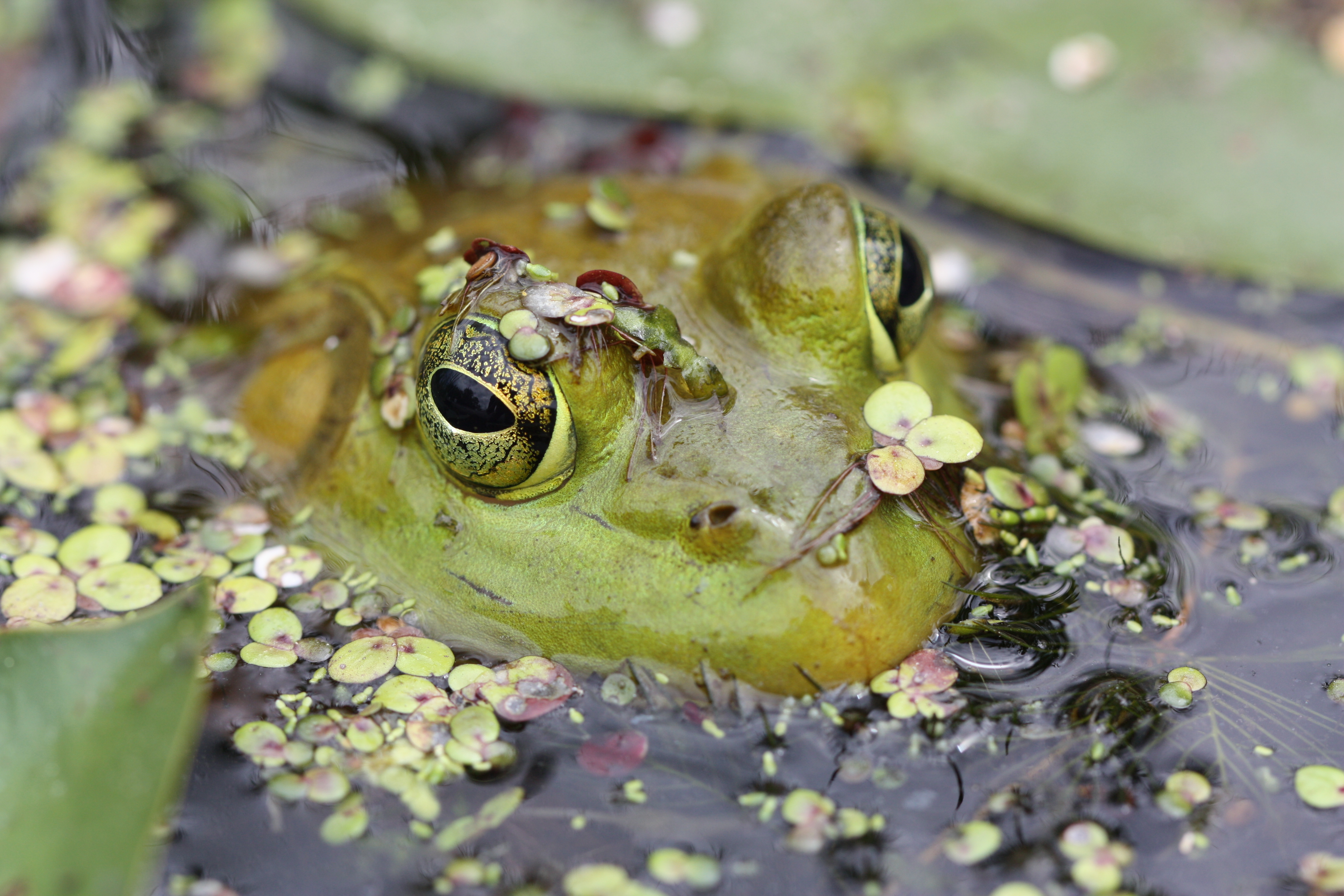
Photo credit: Jake Russell-Mercier
Natural and synthetic estrogens in municipal wastewater discharges are affecting sexual development and reproduction in fishes worldwide. It is unknown, however, if the feminization of male fishes from these releases affect population sustainability and whether there may be other indirect effects on lower-trophic-level organisms living downstream. A study at the Experimental Lakes Area in northwestern Ontario added the synthetic estrogen used in the birth control pill, 17a-ethynylestradiol (EE2), to a whole lake for three summers. Abundance and biomass data of fishes, plankton and benthic macroinvertebrates were collected before, during and after the EE2 additions to assess both direct and indirect effects of EE2 on the food web. Reproduction of fathead minnow (Pimphales promelas) failed the year after EE2 treatments began and the abundance of young-of-the-year and adult minnow dropped by 99% post-treatment. Declines in lake trout (Salvelinus namaycush), the lake’s top predator, and other small-bodied fishes were also observed but they could not be linked directly to EE2 exposures. Algal, microbial, zooplankton and benthic invertebrate communities did not decline during EE2 amendments. However, other invertebrate taxa increased in abundance including zooplankton, Chaoborus, and emerging insects, suggesting indirect effects of EE2 on these taxa mediated through decreased predation pressure. Overall, results show that estrogens in municipal wastewater have the potential to affect aquatic food webs both directly and indirectly, of which the latter is rarely considered.