Troubling Orthopraxies: A Study of Jewish Divorce in Canada
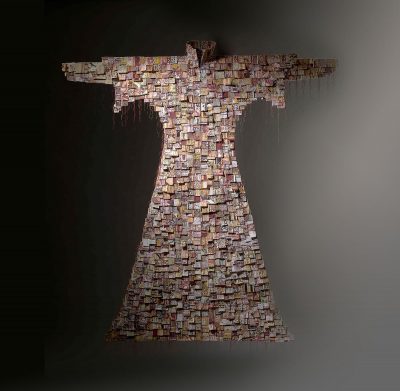
What that Jewish divorce looks like, how rabbis and laypeople make choices about divorce practice, how individuals’ access and experience that divorce (or are unable to do so), is the subject of this project. This project is the first of its kind to broadly focus on Jewish divorce in Canada. In over one hundred interviews over the past five years, we have spoken to women, men, rabbis, poskim (legal decisors), activists and laws with experience of divorce. Our participants come from across Canada, and across denominations, sharing their rich stories of Canadian Jewish divorce in all its regional and denominational complexity.
Distinctly Canadian
The Canadian Jewish community is unique in its history, relationship to tradition, denominational makeup, and response to Get abuse. Regional and communal differences shape the Canadian experience of Jewish divorce in terms of access but also to the types of Jewish divorce one might be able to access.
Section 21.1 Canada’s Get Law
This project also investigates how Canada’s “get law” raises important questions about the intersections of religious and civil law by hearing how rabbis, laypersons, activists, and lawyers engage with Section 21.1.
Get Abuse
Jewish divorce activism and research focuses on the urgent problem of get abuse. Where only men have the power to grant divorces, women cannot secure their own religious divorces. The gendered asymmetry of Jewish divorce opens the possibility of get abuse where husbands may delay, refuse, or extort favourable custody or financial agreements in exchange for the get. If a woman is not granted a divorce, they become Agunot, chained women, who bear the consequences of that failure. Our research allows us to trace get abuse beyond the Orthodox community and gain a broader understanding of how get abuse manifests and how different stakeholders contend with the persistent challenge of get abuse.