Stray Gas Migration
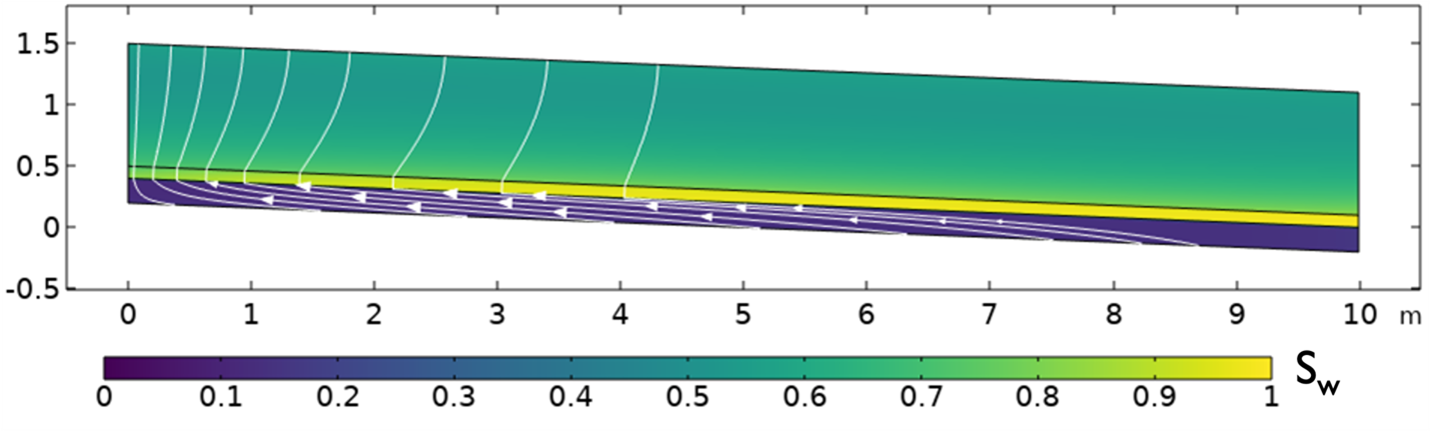
Stray gas migration is the unintended release of gas from the deep subsurface because of infrastructure and operations associated with energy development and storage, carbon sequestration, and underground hydrogen storage. The released gas can migrate toward the shallow subsurface and lead to the degradation of groundwater quality, create an explosion hazard for nearby infrastructure, and/or enhance greenhouse gas emissions to the atmosphere.
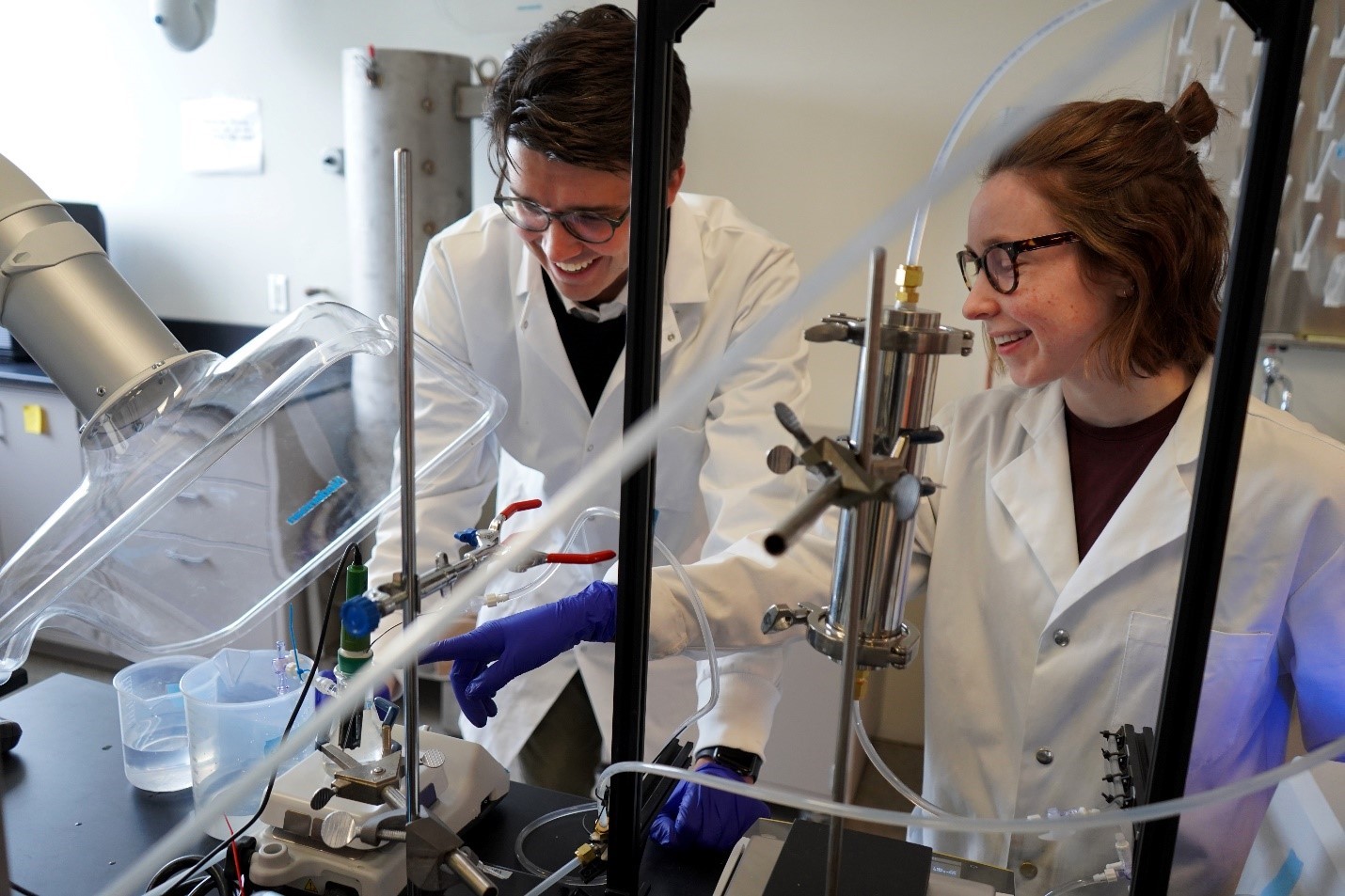
The GEGC Lab is working to understand the underlying processes driving gas migration, refine the conceptual model for gas migration, quantify impacts to groundwater and the atmosphere, and develop monitoring and remediation approaches.
Landfill Gas Quantification
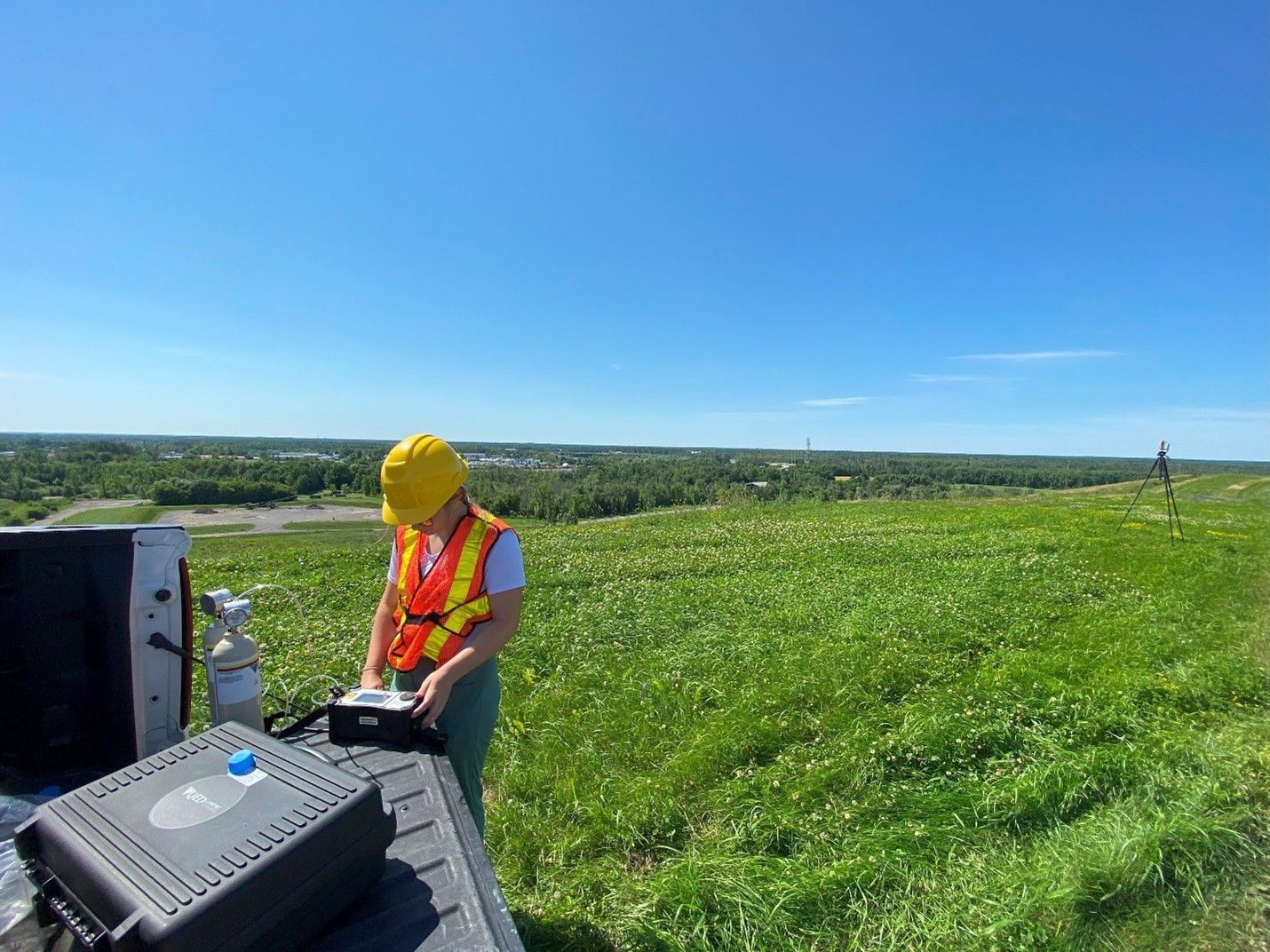
Landfills are a major source of methane emissions globally. To reduce climate impacts, emissions from landfills need to be better understood and quantified. The GEGC Lab is working with landfill operators and government to develop better methods and approaches to quantify methane emissions. This work includes comparing ground- and UAV-based methods to measure surface concentrations of methane and linking this to overall fluxes across landfills.
Landfill Methane Mitigation
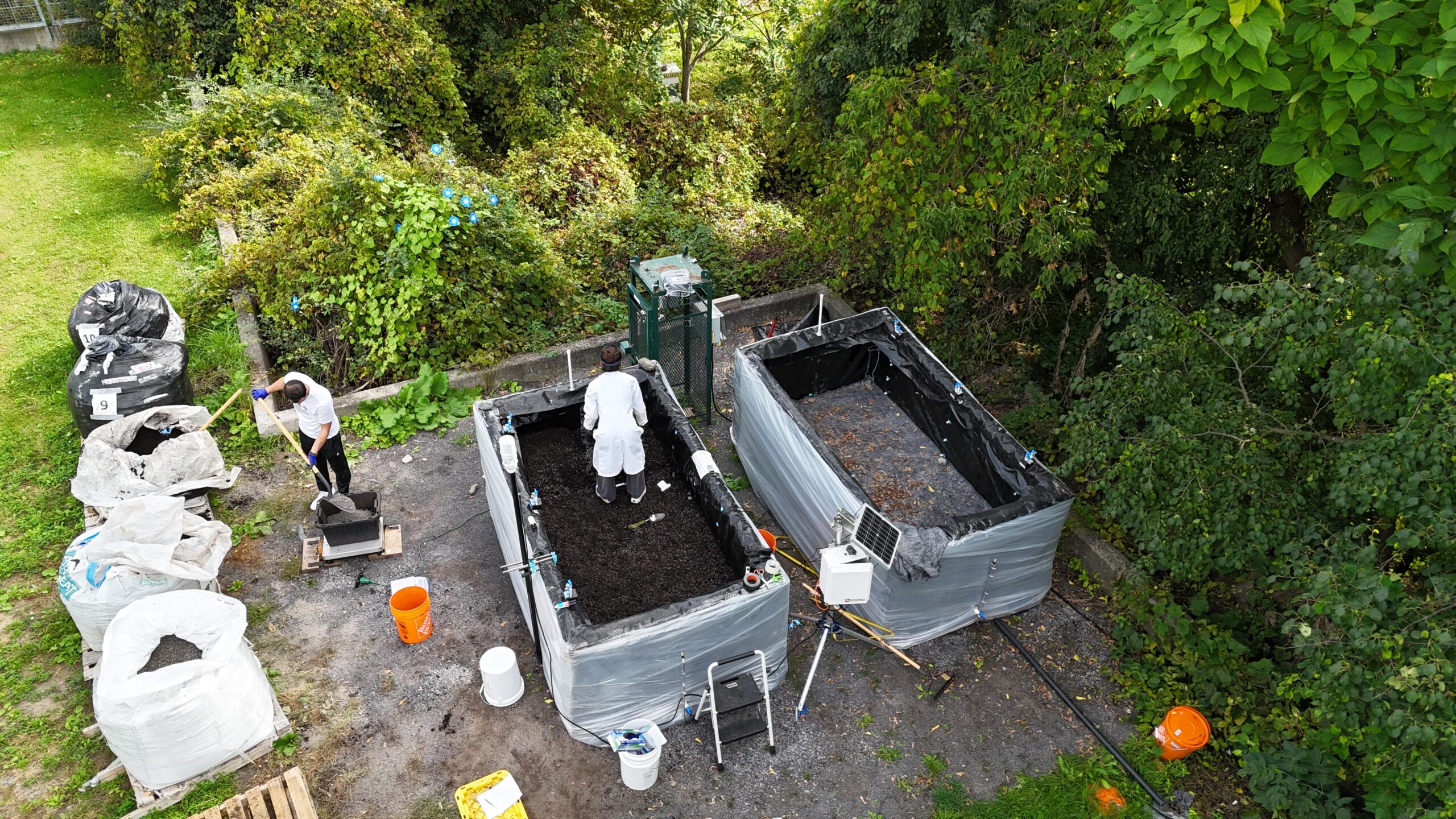
To reduce methane emissions in Canada, engineering approaches to mitigate fugitive and residual methane emissions from landfills are needed. The GEGC Lab has been actively conducting research across the lab and field scale to develop engineered systems to reduce methane emissions. Right now, we are focused on developing better fundamental and applied knowledge of Methane Oxidation Biosystem (MOBs) which utilize methanotrophic bacteria to oxidize methane to less potent carbon dioxide. The GEGC Lab recently completed the construction of a MOB pilot-scale testing facility at Carleton University to study these systems under realistic climatic conditions.
Multicomponent Reactive Gas Transport Modelling
Numerical modelling of gas movement, migration, and transformation in variably saturated porous media is vitally important to a variety of applications including stray gas migration, landfill emissions, contaminated sites, and carbon release from permafrost. The GEGC Lab is focused on developing and implementing modelling approaches to solve these complex problems. Currently, the team is further enhancing a novel model developed in COMSOL Multiphysics for this work.