Conversations on Poverty and Social Citizenship Launches with Research on Low-Income Lone Mother
At the Centre for Studies on Poverty and Social Citizenship (CSPSC), we believe research should spark dialogue and inspire change. Conversations on Poverty and Social Citizenship highlights the work of faculty, students, and community partners whose research, writing, and advocacy advance understanding of poverty, equity, and social inclusion.
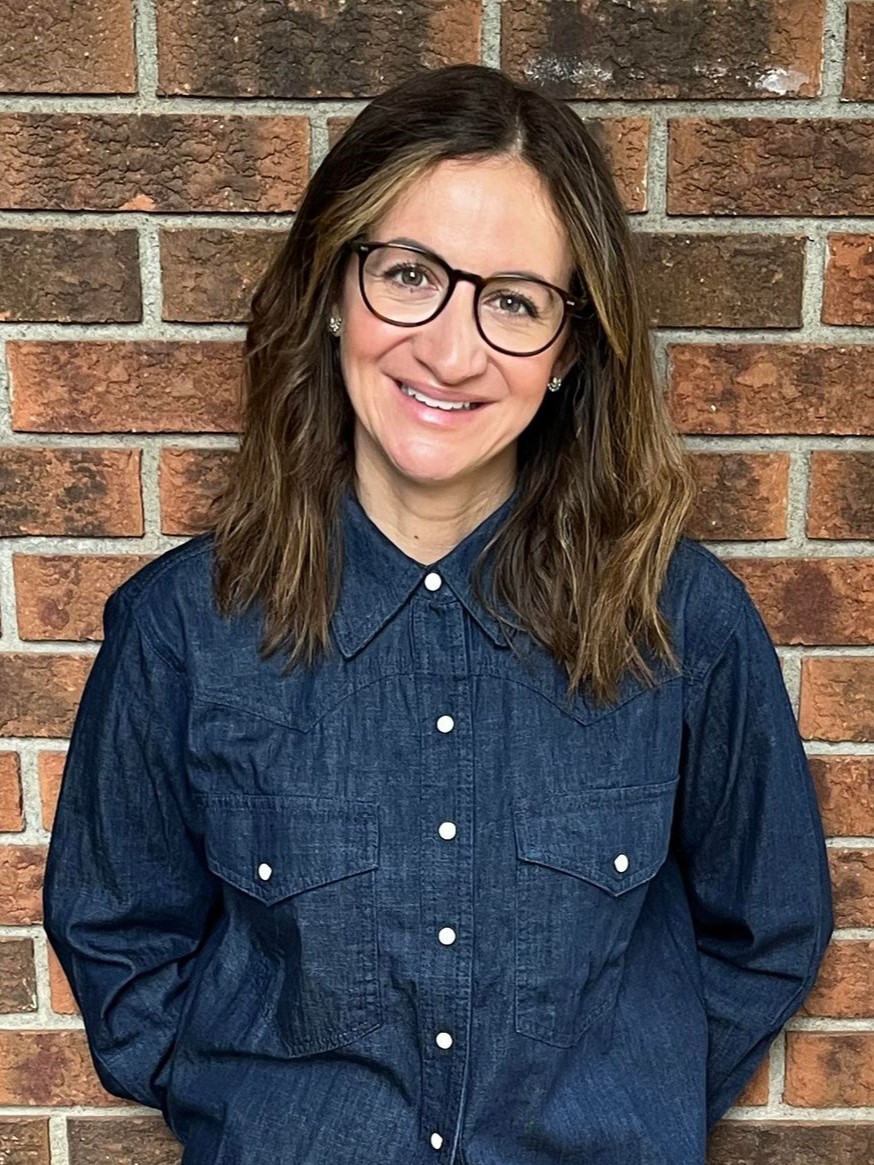
Each feature offers an accessible look into a research project or publication, along with insights into its real-world impact. This first feature highlights research by Dr. Katherine Occhiuto, Assistant Professor in the School of Social Work at Carleton University.
In this Q&A, Dr. Katherine Occhiuto reflects on her research, what it reveals about navigating social supports, and why centring lived experience is critical for advancing equity and social citizenship.
Featured Research
The Complexities of Navigating Social Supports: Impacts on Low-Income Lone Mothers
Q&A
How does this research deepen our understanding of poverty, equity, and social citizenship?
This article examines how low-income lone mothers in Ottawa navigate Canada’s complex network of social supports and the impacts this has on their well-being, sense of dignity, and social inclusion. Drawing on in-depth interviews and text-message data with 25 mothers, the study shows that systems intended to meet basic needs are often experienced as stressful, stigmatizing, unreliable, and even risky. Mothers described the extensive physical, bureaucratic, relational, and emotional labour required to access food, housing supports, income assistance, childcare, and other services, work that is largely invisible and undervalued.
The findings highlight how fragmented and poorly coordinated social services can undermine trust in the state, reinforce shame, constrain economic mobility, and erode social connections, thereby entrenching rather than alleviating poverty. At the same time, the study identifies elements of service design that foster equity and social citizenship, including supports that are reliable, flexible, coordinated, co-located, and relational. By centring the lived experiences of mothers who shoulder much of the responsibility for family provisioning, this research advances understanding of how poverty is shaped not only by income inadequacy but by the design and delivery of social supports. It also underscores the need to reimagine social services in ways that promote dignity, inclusion, and collective well-being.
What inspired you to undertake this research, and why is it important?
This research was inspired by my work as a mental health counsellor and community developer in Ottawa, where people consistently described the emotional, relational, and practical toll of navigating complex and fragmented social supports. These experiences were also personal, shaped by witnessing my own mother’s sustained efforts to secure supports for my brother with disabilities, in the social model of disability sense of the term. Together, these encounters highlighted how systems intended to alleviate poverty can instead reproduce stress, stigma, and exclusion. This study is important because it centres lived experience to show how the design and delivery of social supports shape equity, dignity, and people’s ability to fully participate as social citizens.
What is one key finding or insight you think everyone should know?
One key finding is that accessing social supports is itself a form of labour that is stressful, emotionally taxing, and even harmful. When this labour is ignored, social services can deepen poverty rather than reduce it.
How do you hope this research will be used by policymakers, communities, or other researchers?
I hope this research is used to shift attention from not only what social supports provide, but also how they are designed and experienced. For policymakers, the findings highlight the need to recognize access to social supports as labour and to design policies and programs that reduce fragmentation, stigma, and risk, while prioritizing reliability, coordination, and relational care. I hope it informs efforts to improve service integration, invest in preventative supports, and strengthen income-based policies that reduce the need for constant system navigation.
For communities and service providers, my hope is that this research can be used to advocate for models of support that centre dignity, trust, and holistic understandings of need.
For researchers, I hope this work contributes to poverty, social policy, and feminist political economy scholarship by foregrounding lived experience, provisioning labour, and the relational impacts of social service delivery, and by encouraging further research that meaningfully integrates service users’ voices into policy and program design.
Learn more
Access the journal article: https://journals.library.brocku.ca/index.php/SSJ/article/view/4816
Interested in being featured in Conversations on Poverty and Social Citizenship? Register here:https://forms.office.com/r/EdnuqynkG0