Meet the Speakers
Meet the speakers contributing to the 2026 Housing Affordability Symposium.

Kaite Burkholder Harris
Executive Director, Alliance to End Homelessness Ottawa
Kaite Burkholder Harris is the Executive Director at the Alliance to End Homelessness Ottawa. Graduating with a Master of Public Health from the University of Toronto, Kaite worked at a systems level to end youth homelessness with A Way Home Ottawa. She went on to work at the Canadian Observatory on Homelessness with communities across the country as a System Planner in housing and homelessness…. Read more
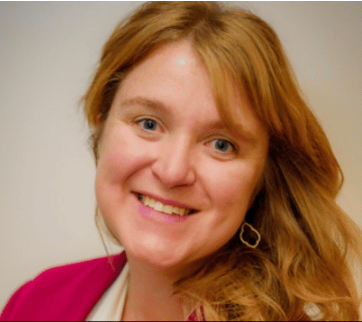
Michèle Biss
Executive Director, National Right to Housing Network.
Michèle Biss is the Executive Director of the National Right to Housing Network. As an expert in economic and social rights, she has presented at several United Nations treaty body reviews and at Canadian parliamentary committees. Prior to her work at the NRHN, Michèle was the Policy Director and Human Rights Lawyer at Canada Without Poverty…Read more
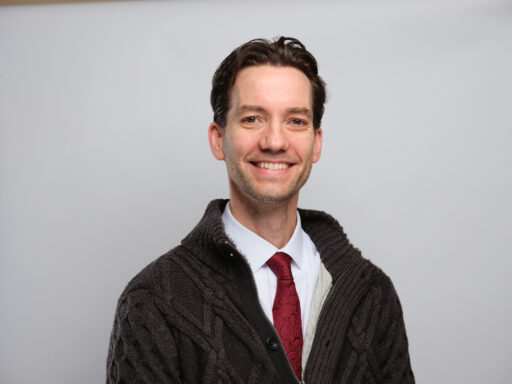
John Heckbert
Executive Director at Operation Come Home
John Heckbert is the Executive Director at Operation Come Home, where he has dedicated over 12 years to supporting Ottawa’s non-profit sector. His experience includes roles as a staff member, volunteer driver for Meals on Wheels, board member, and advocate against human trafficking. At Operation Come Home, he leads a team that helps youth experiencing homelessness achieve educational, housing,….Read more
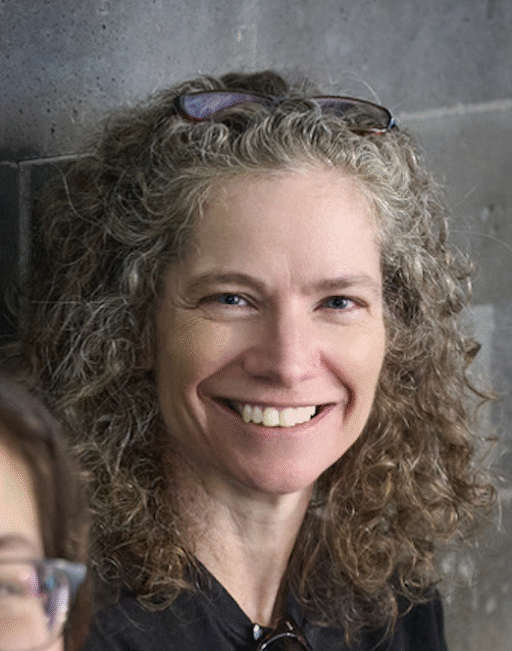
Jacqueline Kennelly
Professor, Department of Sociology and Anthropology
Dr. Jacqueline Kennelly is a Full Professor in the Department of Sociology and Anthropology, and the founding Director of the Centre for Urban Youth Research (CUYR) at Carleton University. She is the co-director, with Dr. Liam O’Brien, of a five-year, $4.8 million CMHC and SSHRC-funded project called ‘A Safe and Affordable Place to Call Home: A longitudinal outcomes analysis of the National Housing Strategy. Dr. Kennelly’s research focuses on a range of topics, including: the experiences of young people who have left homelessness and are now living in diverse forms of affordable housing…Read more

Lucky Dykstra-Santos
MSW Graduate Student, Carleton University
Lucky Dykstra-Santos is a certified peer support specialist, collaborator with Agence Dragon-Fly, and Master of Social Work student at Carleton University.
Embracing “matter out of place,” Lucky draws on their lived experience as a Mad, mixed-race, queer, non-binary person and former sex worker, drug user, and street-involved youth to imagine alternatives to rigid emergency social service systems that often fail to embrace the complexities of human experience (Douglas, 1966)…Read more

Sajidul Quayum
Policy Officer, Infrastructure Canada
Sajidul joined the public sector in Montréal in 2016 as a Payment Service Officer for the Canada Pension Plan and Old Age Security. He moved to Ottawa to pursue his passion for data analysis and research, and currently works on the Homelessness Analysis Team for Reaching Home, the Government of Canada’s homelessness program. He provides support on initiatives such as the Point-in-Time Counts and works to advance research to better understand the experience of homelessness…Read more
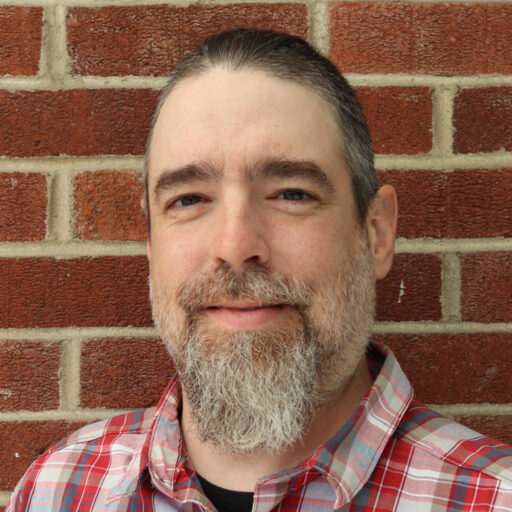
Andrew Crosby
Postdoctoral Researcher
Andrew (Andy) Crosby (he/him) is a postdoctoral researcher in the Department of Geography and Environmental Studies at Carleton University, on unceded and unsurrendered Algonquin land.
He completed his Ph.D. in the Department of Sociology and Anthropology at Carleton University. His research engages with various themes relating to policing and housing justice, including settler colonialism, the financialization of rental housing, insecurity governance, gentrification/evictions, social movements, and tenant resistance…Read more

Sahada Alolo
Director of Community Engagement, Multifaith Housing Initiative
Sahada Alolo is the Director of Community Engagement at the Multifaith Housing Initiative. In her previous role as Director for the Ottawa Guiding Council for Mental Health and Addictions Secretariat, she co-led the development of a new Mental Health and Addiction crisis response system in Ottawa.
Sahada has held significant positions, including Co-chair of the Community Equity Council of the Ottawa Police Service, a member of the City of Ottawa Anti-Racism Advisory Table, and a board member of the Snowsuit Fund. She is also the President of the Ottawa Muslim Women’s Organization and an Executive Member of the African Canadian Association of Ottawa…Read more
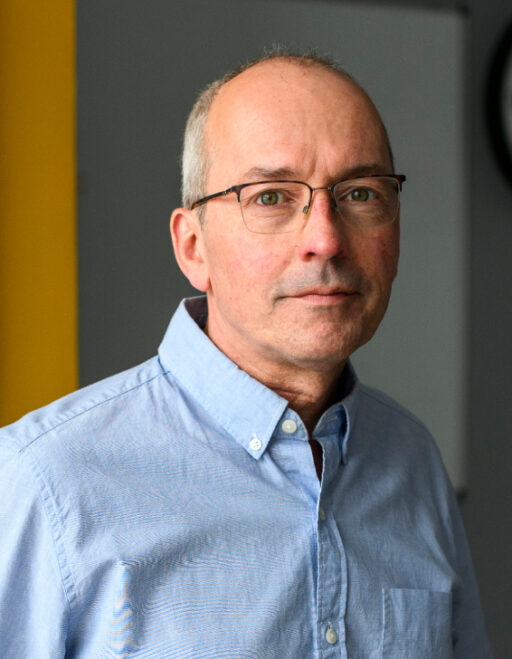
Rob Boyd
Chief Executive Officer, Ottawa Inner City Health
Rob has worked at the intersection of homelessness, mental health and substance use health in Ottawa for the past 35 years, including over 20 years in senior leadership positions. He has extensive experience in developing programs and services centred on clients’ needs and responsive to the changing environment in which they live. Rob is a champion for the inclusion of people with lived experience in all aspects of the work being done, from systems advocacy to service delivery. Rob lives in the country and likes working around his property and spending time outdoors…. Read more
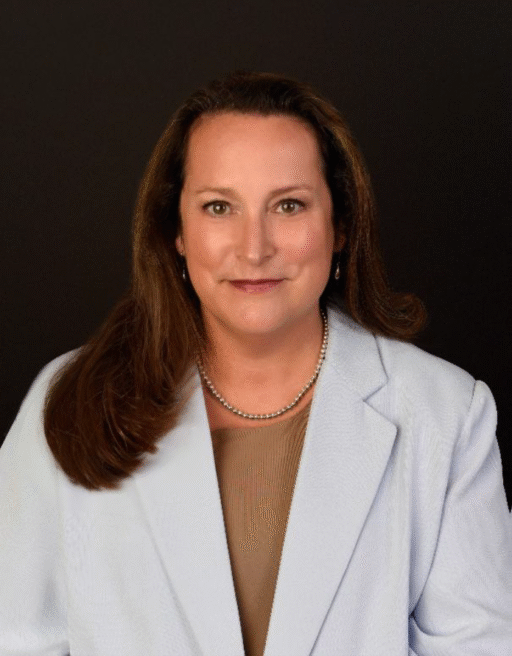
Sara Cooper
CEO, Habitat for Humanity Greater Ottawa
Sara Cooper has a profound passion for driving positive community change and a relentless commitment to innovation. With over 20 years of leadership experience in the non-profit, public, and private sectors, she excels in shaping forward-thinking strategies that deliver lasting results. Her expertise spans organizational amalgamations, business model development, and linking revenue directly to impact.
In February 2024, Sara became Chief Executive Officer of Habitat for Humanity Greater Ottawa, where she advances innovative, upstream approaches to strengthen communities and create measurable impact through affordable homeownership..Read more
Biographies
Kaite Burkholder Harris is the Executive Director at the Alliance to End Homelessness Ottawa. Graduating with a Master of Public Health from the University of Toronto, Kaite worked at a systems level to end youth homelessness with A Way Home Ottawa. She went on to work at the Canadian Observatory on Homelessness with communities across the country as a System Planner in housing and homelessness. Kaite also served as a Policy Analyst with Reaching Home, the federal government’s Homelessness Partnering Strategy in 2019.
As the Co-Chair of the Ontario Alliance to End Homelessness, Kaite advocates with every level of government and has become a leading voice in urging governments and communities for housing-focused solutions to ending homelessness.
Michèle Biss is the Executive Director of the National Right to Housing Network. As an expert in economic and social rights, she has presented at several United Nations treaty body reviews and at Canadian parliamentary committees. Prior to her work at the NRHN, Michèle was the Policy Director and Human Rights Lawyer at Canada Without Poverty.
In 2016, she graduated from the Advanced Course on Economic, Social, and Cultural Rights at Åbo Akademi University in Finland. She has extensive professional experience working for marginalized groups, particularly women, persons with disabilities, newcomers, and Indigenous persons through casework, research, and community legal education. In her local Ottawa community, she sits on the board of directors of Ottawa Community Legal Services. She is a human rights lawyer and was called to the Ontario bar in 2014.
John Heckbert is the Executive Director at Operation Come Home, where he has dedicated over 12 years to supporting Ottawa’s non-profit sector. His experience includes roles as a staff member, volunteer driver for Meals on Wheels, board member, and advocate against human trafficking. At Operation Come Home, he leads a team that helps youth experiencing homelessness achieve educational, housing, employment, and mental health goals. The organization also runs three social enterprises that provide employment opportunities for over 50 youth annually.
John holds degrees in Philosophy, Economics, and Corporate Social Responsibility from the University of Waterloo and the University of Toronto. His commitment to social services is rooted in his own family’s experiences with United Way, which positively impacted their future. He resides in Ottawa with his wife, Dr. Johanna Peetz, and their two children, Johnny (12) and Lukas (9).
Dr. Jacqueline Kennelly is a Full Professor in the Department of Sociology and Anthropology, and the founding Director of the Centre for Urban Youth Research (CUYR) at Carleton University. She is the co-director, with Dr. Liam O’Brien, of a five year, $4.8 million CMHC and SSHRC-funded project called ‘A Safe and Affordable Place to Call Home: A longitudinal outcomes analysis of the National Housing Strategy.’ Dr. Kennelly’s research focuses on a range of topics, including: the experiences of young people who have left homelessness and are now living in diverse forms of affordable housing; activist and homeless young people’s experiences of democracy, citizenship and public life; and schools as sites of youth homelessness prevention.
She employs qualitative and participatory methods, with a strong commitment to engaging young people as co-researchers and knowledge producers. Her most recent book is Burnt by Democracy: Youth, Inequality, and the Erosion of Civic Life (2024, University of Toronto Press). Past books include Olympic Exclusions: Youth, Poverty, and Social Legacies (2016, Routledge); Citizen Youth: Culture, Activism, and Agency in a Neoliberal Era (2011, Palgrave-Macmillan; 2nd edition forthcoming), and Lost Youth in the Global City: Class, Culture, and the Urban Imaginary (2010, Routledge; co-authored with J. Dillabough).
Lucky Dykstra-Santos is a certified peer support specialist, collaborator with Agence Dragon-Fly, and Master of Social Work student at Carleton University. Embracing “matter out of place,” Lucky draws on their lived experience as a Mad, mixed-race, queer, non-binary person and former sex worker, drug user, and street-involved youth to imagine alternatives to rigid emergency social service systems that often fail to embrace the complexities of human experience (Douglas, 1966).
His current research centers on the identities, narratives, and liminal positioning of fellow peer workers with lived experience of homelessness, exploring how their distinct expertise contributes to creativity, healing, and transformation within the field.
Sajidul Quayum joined the public sector in Montréal in 2016 as a Payment Service Officer for the Canada Pension Plan and Old Age Security. He moved to Ottawa to pursue his passion of data analysis and research, and currently works on the Homelessness Analysis Team for Reaching Home, the Government of Canada’s homelessness program. He provides support on initiatives such as the Point-in-Time Counts and works to advance research to better understand the experience of homelessness across Canada. Besides his interest in research, he loves to keep active by playing sports, working out, carpentry and enjoys spending time with his family.
Andrew (Andy) Crosby (he/him) is a postdoctoral researcher in the Department of Geography and Environmental Studies at Carleton University, on unceded and unsurrendered Algonquin land.
He completed his Ph.D. in the Department of Sociology and Anthropology at Carleton University. His research engages with various themes relating to policing and housing justice, including settler colonialism, the financialization of rental housing, insecurity governance, gentrification/evictions, social movements, and tenant resistance. Working with Dr. David Hugill, Andy’s postdoctoral research involves leading the Housing Finance node as part of a CMHC-SSHRC-funded partnership grant: A Safe and Affordable Place to Call Home: A Multi-disciplinary Longitudinal Outcomes Analysis of the National Housing Strategy.
Sahada Alolo is the Director of Community Engagement at the Multifaith Housing Initiative. In her previous role as Director for the Ottawa Guiding Council for Mental Health and Addictions Secretariat, she co-led the development of a new Mental Health and Addiction crisis response system in Ottawa.Sahada has held significant positions, including Co-chair of the Community Equity Council of the Ottawa Police Service, a member of the City of Ottawa Anti-Racism Advisory Table, and a board member of the Snowsuit Fund. She is also the President of the Ottawa Muslim Women’s Organization and an Executive Member of the African Canadian Association of Ottawa.
Sahada earned her bachelor’s degree in English Language and Comparative Religious Studies from the University of Cape Coast in Ghana. She also holds a Master of Science degree in Non-profit Management and a Doctorate in Educational Leadership from Creighton University, U.S.A.
Rob Boyd, Chief Executive Officer at the Ottawa Inner City Health, has worked at the intersection of homelessness, mental health and substance use health in Ottawa for the past 35 years, including over 20 years in senior leadership positions. He has extensive experience in developing programs and services centred on clients’ needs and responsive to the changing environment in which they live. Rob is a champion for the inclusion of people with lived experience in all aspects of the work being done, from systems advocacy to service delivery. Rob lives in the country and likes working around his property and spending time outdoors. He is known as the office dog whisperer, likely due to his calm nature and relaxed energy.
Sara Cooper has a profound passion for driving positive community change and a relentless commitment to innovation. With over 20 years of leadership experience in the non-profit, public, and private sectors, she excels in shaping forward-thinking strategies that deliver lasting results. Her expertise spans organizational amalgamations, business model development, and linking revenue directly to impact.
In February 2024, Sara became Chief Executive Officer of Habitat for Humanity Greater Ottawa, where she advances innovative, upstream approaches to strengthen communities and create measurable impact through affordable homeownership. She is skilled at cultivating strong relationships with donors, volunteers, and community leaders, and is recognized for guiding, mentoring, and motivating staff to build high-performing teams. Her leadership has consistently produced strategies that achieve tangible change in the community.
Outside of work, Sara is an active member of her neighbourhood, a proud mom of two teenagers, and an avid world traveller.