Dark Tourism: The Appeal of Travel to Tragedy
Lead image by AnkiHoglund / iStock
By Ahmed Minhas
Ghost walks, haunted hotels and memorial sites; these are some examples of places that Hilary Becker says are part of a sector of tourism called “dark tourism” — the act of travelling to sites associated with death, suffering and the macabre.
Though the term conjures images of spooky places, it encompasses a spectrum of sites. From the very dark, such as concentration camps and genocide memorials — to the light-dark, like celebrity gravesites and vampire tours.
While many people partake in dark tourism intentionally, Becker says nearly everyone has unknowingly participated in it.
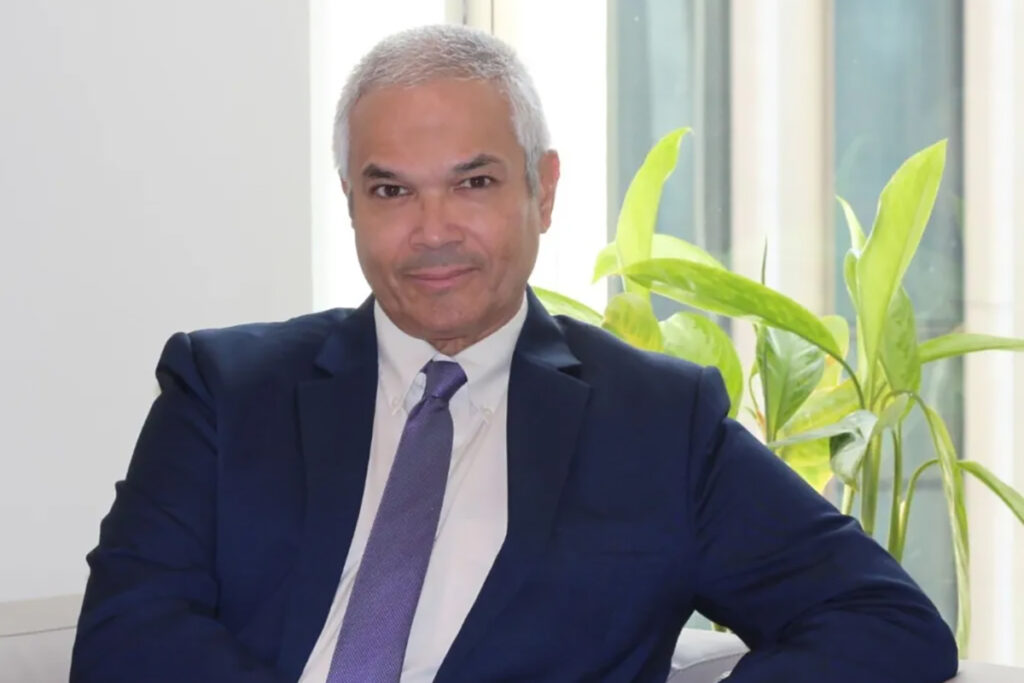
“If you’ve ever visited the National War Memorial, a cemetery or driven along the Veterans Memorial Highway, you’ve engaged with a dark tourism site,” explains Becker, an accounting researcher in Carleton University’s Sprott School of Business.
Why are people drawn to these places? Motivations vary. Some seek education or emotional connection. Others go out of morbid curiosity, contemplating their own mortality. More commonly, it’s simply for entertainment.
“People like to witness spectacles from a place of safety,” says Becker. “It’s the same instinct that draws audiences to boxing matches, true crime podcasts or horror films. There’s a thrill to it but you’re not personally at risk.”
Becker’s interest in the topic emerged during the pandemic while attending online tourism conferences, where one speaker presented on dark tourism.
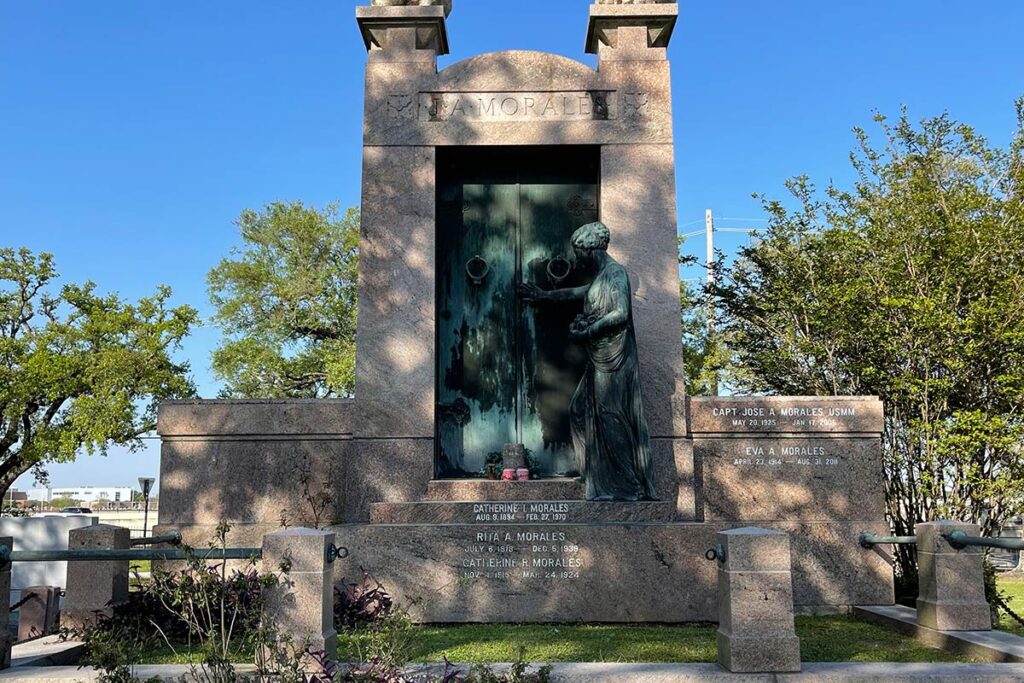
Having researched the Cuban and Caribbean economy and tourism sector for over 20 years, Becker saw clear links to Cuba’s cemetery legends, Santería, slavery, and revolutionary and mafia history.
Balancing Economics, Education and Ethics
During his research, Becker realized dark tourism’s potential to benefit local communities through sustainable and thoughtful management.
“The best sites focus on authenticity and education,” he says.
“It allows communities to tell their own stories, like the people of Salem sharing their witch trial history or New Orleans showcasing its unique spiritual and cultural roots.”
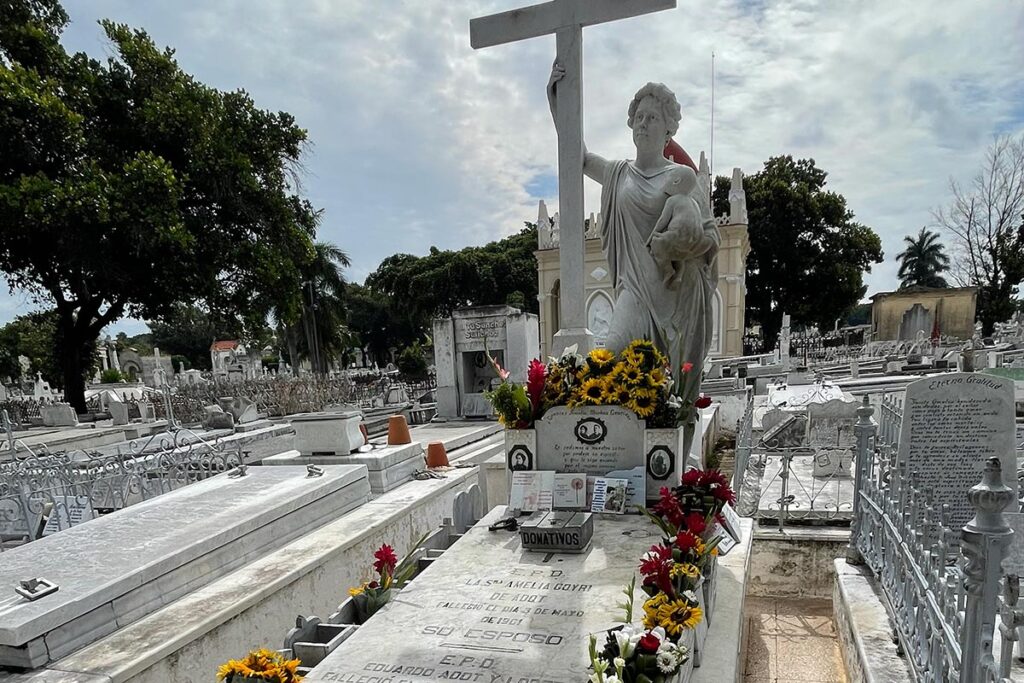
In New Orleans, which Becker describes as an “epicentre of light-dark tourism,” over 60 tour companies offer more than 100 themed experiences, from cemeteries and Voodoo shops to vampire speakeasies and true crime walks. And they play a vital role in New Orleans’ tourism sector. In 2019, the city hosted 19.75 million visitors, generating over $10 billion in revenue and supporting 98,000 tourism jobs.
However, increased popularity comes with problems: overtourism, gentrification and disrespectful behavior.
“Marie Laveau’s [a Louisiana Creole Voodoo Queen] tomb had to be closed to the public because visitors were defacing it,” says Becker. “In places like Chernobyl or Pompeii, tourists take selfies among ruins of immense human suffering.”
There’s also the issue of who’s reaping the economic benefits.
“National or multinational tour companies often reap the rewards,” says Becker. “That money doesn’t always stay in the community, so supporting local guides and operators is important.”
Cities like New Orleans have stepped in with regulations. Tours must end by 10 p.m., are capped at 28 people and guides require bi-annual licensing. These policies help preserve the integrity of residential areas.
Ethical questions remain, especially with emerging forms of dark tourism.
“True crime tours are booming but one operator I spoke to refuses to feature crimes from the past 50 years, out of respect for families still grieving,” explains Becker.
There’s also growing concern about AI-generated content exploiting tragedy.
“At Auschwitz, someone used victims’ names to create fake AI-generated images and monetized the posts,” he says.
The Role of the Tour Guide
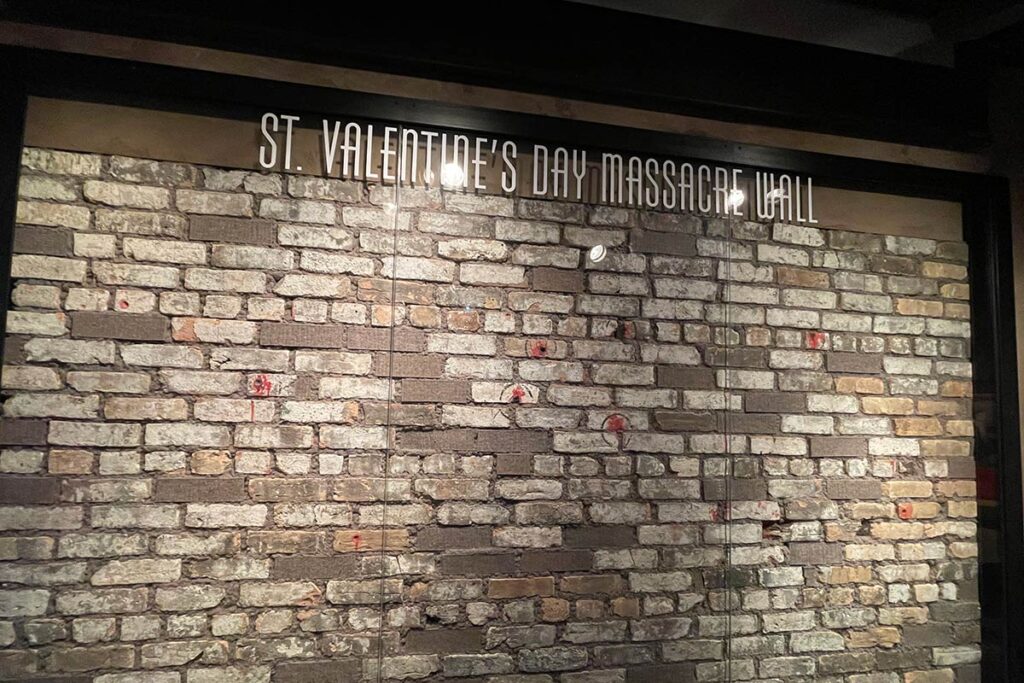
As he studies the business and policy side of dark tourism, Becker stresses its sensory and emotional power.
“The best tours are immersive,” he says. “They engage sight, sound, smell, touch, even taste. Night tours heighten the tourist’s experience.”
“And the role of the guide is crucial. Over 90% of five-star reviews on TripAdvisor mention the guide as the highlight.”
Becker is writing a book chapter on the performance management of dark tourism sites and continues to interview operators and visitors around the world.
He hopes his research will ensure these tours not only entertain but educate and preserve history in respectful, sustainable ways.
With Halloween around the corner, he encourages tourists to be mindful.
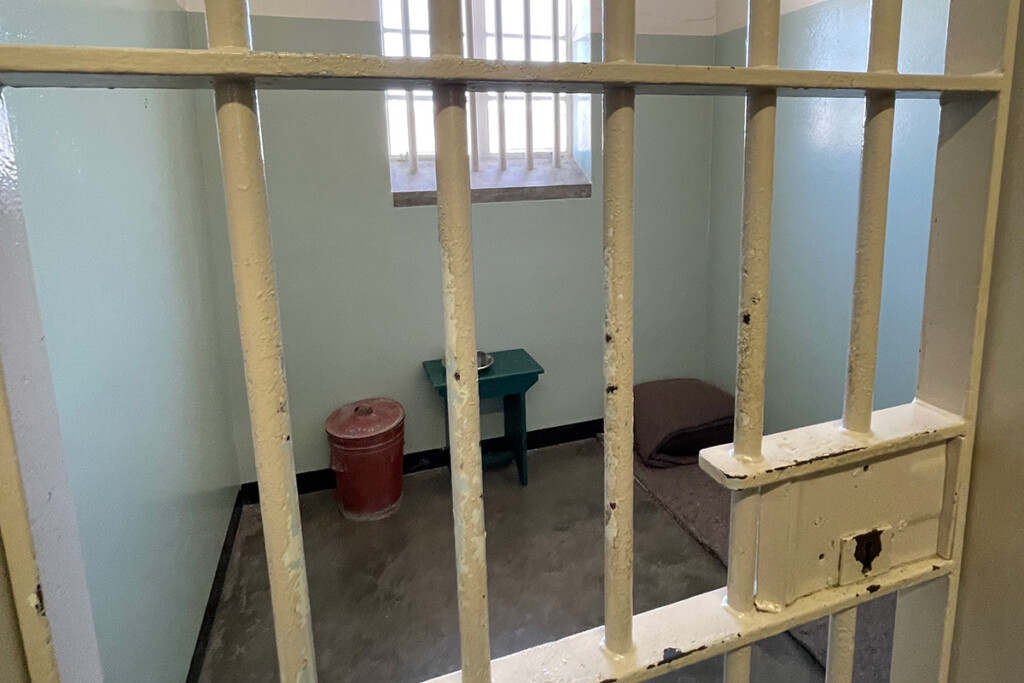
“Whether you’re visiting a haunted house, a cemetery or a former prison, approach with respect,” he says. “It’s not about whether you see a ghost, it’s about understanding the story of that place and its people.”
Dark tourism — what Becker sometimes calls “heritage tourism” — is more than just scares or spectacle.
“Every city has something: a site, a story, a tragedy. Dark tourism gives communities a way to own their past and share it with others,” he says.
Related Stories
6 min read
Carleton University's Top 10 Stories of 2025
As the 2025 season comes to a close, we reflect on the groundbreaking research, innovative leadership and inspiring community achievements that defined 2025 for Carleton…

5 min read
Transforming the Justice System in Indigenous Communities
Three times a year, a temporary courtroom is set up in the community centre in Kawawachikamach, a Naskapi Nation community more than 500 kilometres north…

4 min read
Carleton's Joshua Steckley Receives SSHRC Impact Talent Award for Research on Worms, Cows and Capital
Carleton University researcher, Joshua Steckley, has been awarded the 2025 Social Sciences and Humanities Research Council (SSHRC) Impact Talent Award, one of Canada's highest honours…