Fall Convocation: Social Work Graduate Establishes Community Veterinary Outreach
By Tyrone Burke
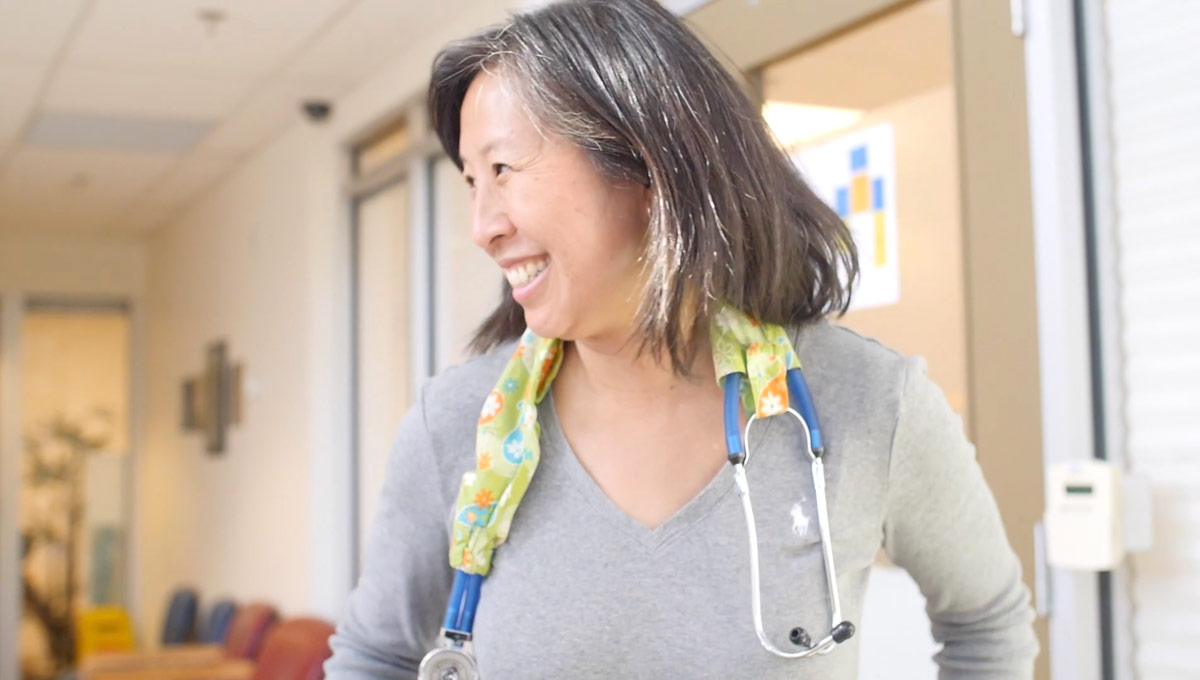
While serving Christmas dinner to Toronto’s homeless at a downtown church, veterinarian Michelle Lem had a canine encounter that would eventually lead her to found Community Veterinary Outreach, an Ottawa-based NGO that provides veterinary services to pets of vulnerable people across Canada.
Back then, the graduate of Carleton’s Master of Social Work program was a student at the Ontario Veterinary College, and when she scooped up some turkey, peas, potatoes and stuffing for a dog who had come to the event, she was surprised to see the food go mostly untouched.
Michelle Lem – Purina Better With Pets May 25 2018 from kristopher chandroo on Vimeo.
“As a fairly privileged person, I expected the dogs to be starving and eat the whole plate,” Lem says, “but it only had the turkey and gravy, and left everything else. And I was like: ‘Huh, that dog’s not starving.’ It really challenged my perception – which wasn’t based in reality – about the relationship and condition of these animals.”
Helping Pets and Their Owners
Volunteerism has always been important to Lem. Community Veterinary Outreach began as an opportunity for the veterinarian to add pro bono work to her practice. But it quickly became apparent that vet care wasn’t only helpful to animals.
“It provided a lever for people who were previously disengaged to engage with social services,” she says.
“Nurses and social workers were saying they had a whole new caseload of people who wanted a vet clinic referral, who had been living in the community but weren’t really known or supported by local services.”
Today, Community Veterinary Outreach clinics not only care for animals, they provide health services to their owners too. Clinic partners deliver immunizations, sexual health care, mental health supports, dental care, smoking cessation and Naloxone training and distribution.
Understanding Issues that Contribute to Homelessness
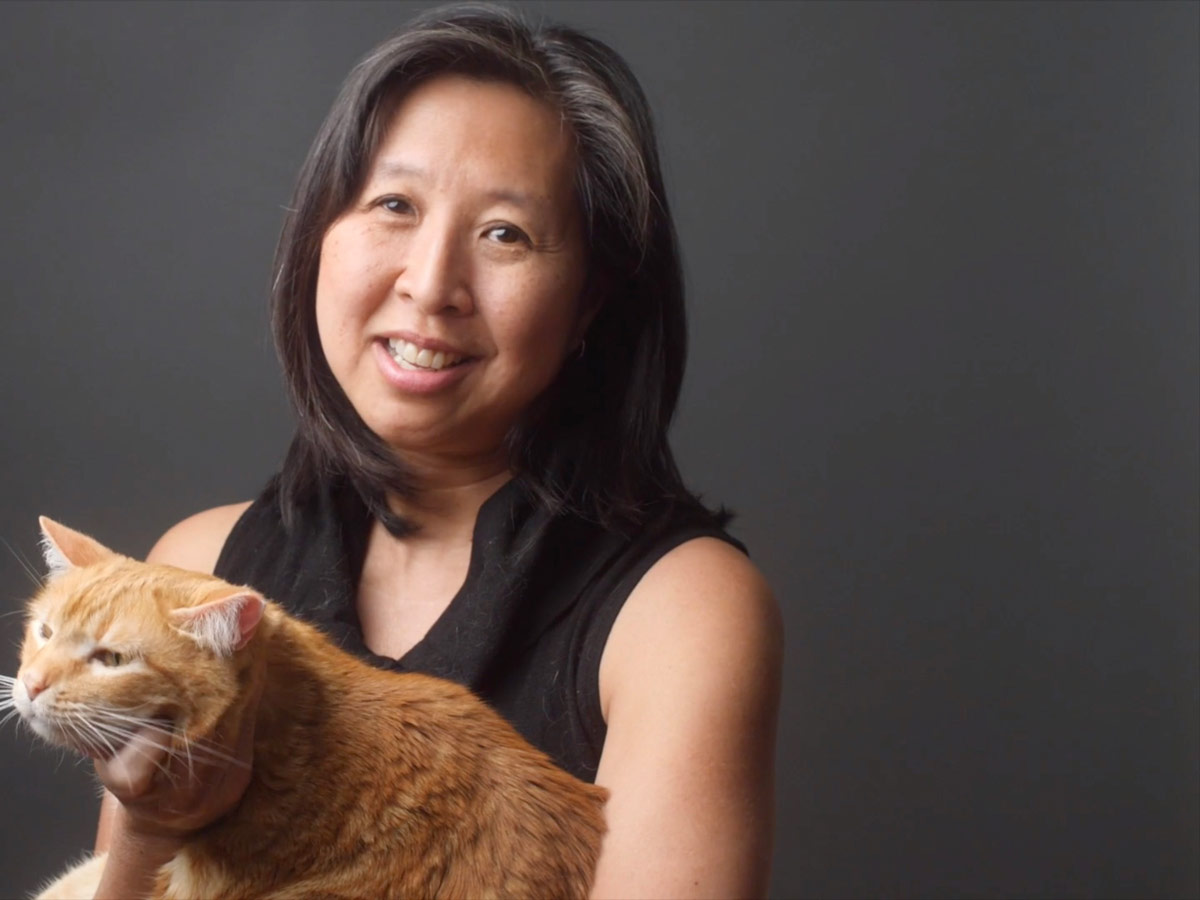
Lem credits her social work education with helping her understand the structural issues that contributed to homelessness in the first place.
“As a mother, a veterinarian and a person looking to create social change . . . I feel like I was a bit asleep at the wheel until I started to understand the structural factors that contribute to homelessness and poverty,” Lem says.
“My Master’s of Social Work was so impactful because it allowed me to interact in the world in a deeper and more meaningful way, in a language I didn’t know before. I’d never used the word oppression before; I don’t think I knew what feminism really was. The program influenced how I see, address and treat my relationships; how I interact with the world, and what my place in it is.”
Fall Convocation is taking place on Saturday, Nov. 10, 2018. The ceremonies will be broadcast online via live streaming at Carleton.ca/convocation/live.
Related Stories
Carleton University’s Top 10 Stories of 2025
As the 2025 season comes to a close, we reflect on the groundbreaking research, innovative leadership and inspiring community achievements that defined 2025 for Carleton…
Family Fun: Ravens Siblings on Competing Together
Game time is family time for a surprising number of Carleton University’s varsity athletes this year. Across the rosters, from hockey to soccer to rugby…

Transforming the Justice System in Indigenous Communities
Three times a year, a temporary courtroom is set up in the community centre in Kawawachikamach, a Naskapi Nation community more than 500 kilometres north…