Carleton Journalism Alum at the Epicentre of White House News
Lead image by EvgeniyShkolenko / iStock
By Dan Rubinstein
The Associated Press (AP) is the international gold standard for nonpartisan, fact-based journalism. Since 1846, the American not-for-profit news agency has been a voice of record on important stories around the world.
These days, one of the most challenging places for AP to report is Washington, D.C. The administration of President Donald Trump moves quickly and attempts, like all governments, to shape the narrative.
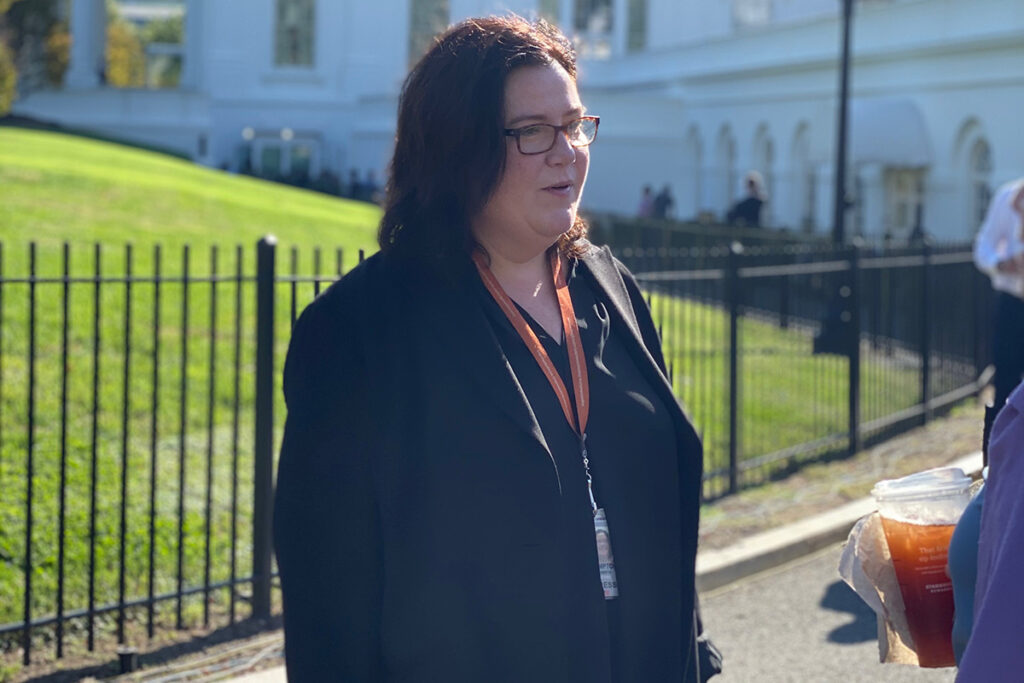
“That keeps my job extremely interesting,” says Carleton University journalism graduate Roberta Rampton, who became AP’s White House news editor last October.
“A big part of my day is trying to plan ahead, which is really hard because the world has become so unpredictable.”
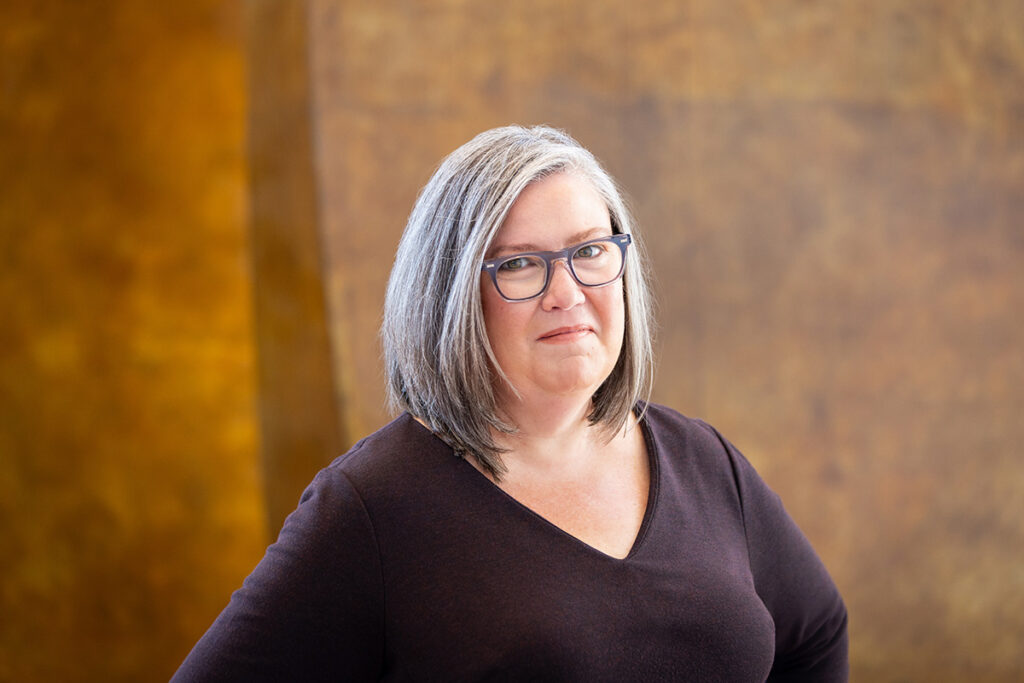
Rampton had spent the previous six years as the White House editor for National Public Radio (NPR) and was a White House correspondent for Reuters for six years before that. But that experience doesn’t make her work any less demanding.
She wakes up early every morning, checking her phone immediately to see what happened overnight. By 8 a.m., she generally has a good sense of the stories AP will be chasing. Then it’s a series of meetings — with colleagues in other countries, with fellow bureau chiefs, with her deputy editor and team of reporters — to map out how they’ll attack the day and prepare for what might be around the corner.
On Rampton’s first day with AP, a government shutdown began — the longest in U.S. history. Then, over the next couple of months, President Trump travelled to the Middle East for Gaza peace talks, there was a major diplomatic and trade mission to Asia, National Guard troops were deployed on the streets of Washington, and the East Wing of the White House was demolished for the construction of a controversial ballroom.
“It’s been very intense,” says Rampton.
“In the current media environment, with so much disinformation and commentary and AI-driven content, the kind of reporting that AP does is important. People need good information to make decisions. That’s why I want to work here.”
Telling Stories in a Creative Way
Growing up on a farm outside Dauphin, Manitoba, Rampton had a globe in her bedroom. She looked at all the places she wanted to visit and, as a kid who loved reading and writing, figured journalism would be an exciting way to see the world.
Carleton “was the place to go” and the only program she applied to. In university, she learned the basics of the craft — skills she still uses — and overcame her fear of picking up the phone and calling people out of the blue. She also learned how to look for story ideas in creative ways.
Rampton’s first job in journalism was with the Western Producer, an agricultural newspaper based in Saskatchewan. She honed her ability to develop sources and incorporate reams of technical information into compelling articles. And she found “hidden gems” to write about, meeting farmers who invited her into their homes and told her about their lives.
From there, Rampton moved on to CBC Manitoba and later became a correspondent for Reuters in Winnipeg, covering huge stories such as the Mad Cow Disease crisis in wire-service format.
“You can’t be too precious about it,” Rampton says about the type of distilled reporting AP is also known for.
“You’ve got to get the news out quickly. You have to immediately explain everything in a single sentence and build up the story from there.”
The Waiting Game
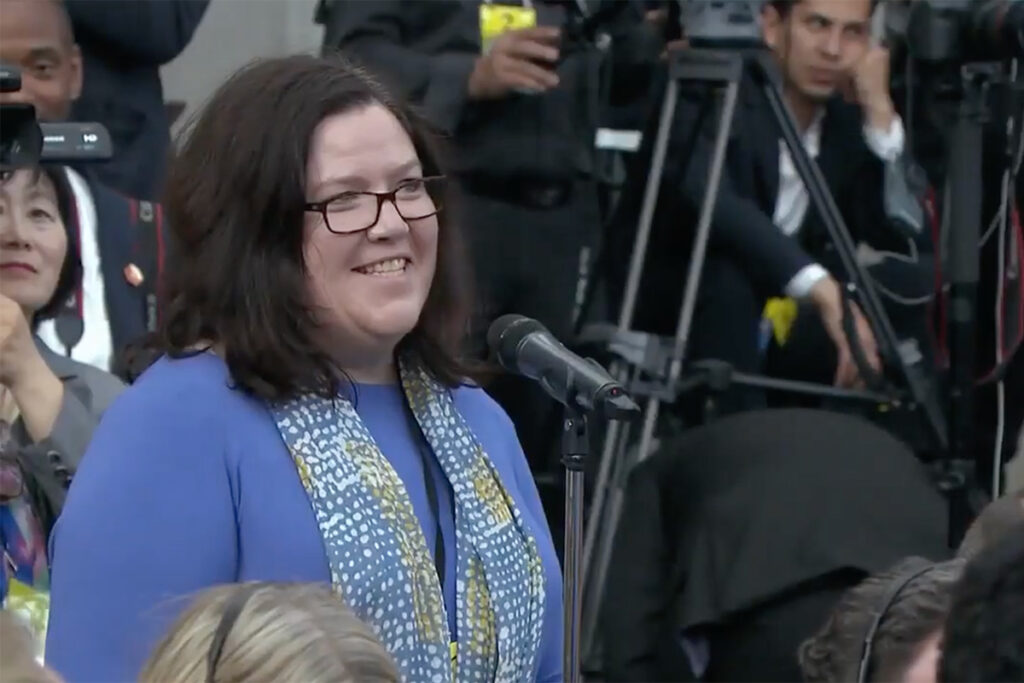
After four years in Washington with Reuters, Rampton became a White House correspondent for the news agency and later shifted to radio at NPR, writing for the ear not the eye and remaining mindful of the network’s close relationship with listeners.
Switching from reporter to editor was also a significant transition. She worried about losing her “front row seat to history” but, having worked with so many strong editors over the years, vowed to be the same for her reporters and help them take great stories across the finish line.
At the White House, Rampton covered the second term of Barack Obama’s presidency, Trump’s first term, Joe Biden and now Trump again.
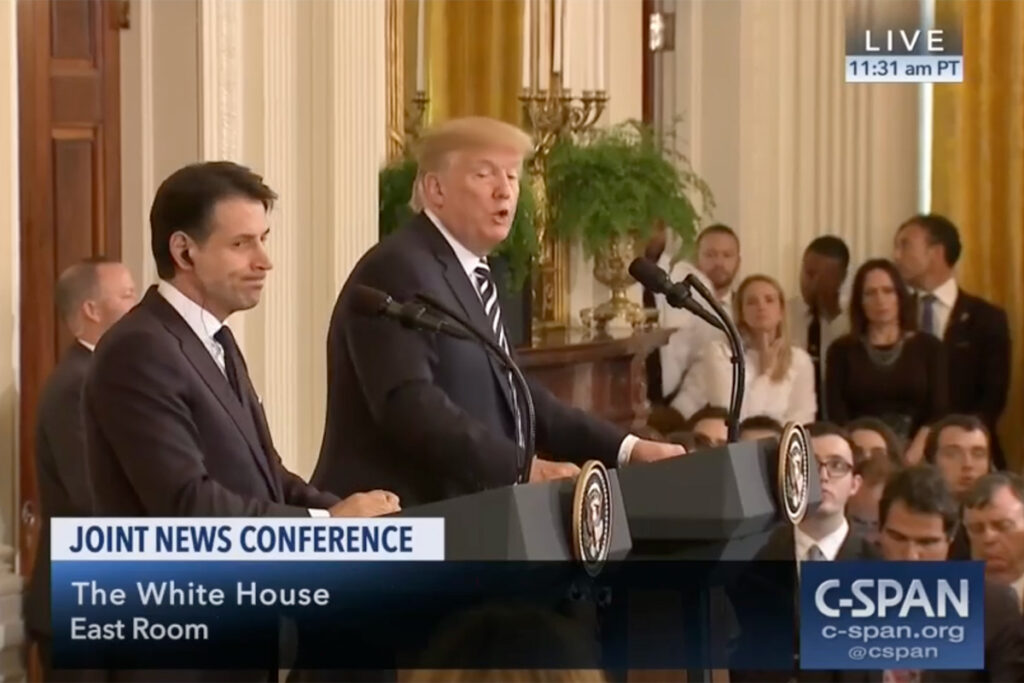
In these roles, Rampton has indeed been able to see the world. She flew aboard Air Force One with media accompanying Trump to the demilitarized zone between North and South Korea, recalling the chaos when he stepped into North Korea — “the most surreal moment of my career.”
She also remembers Obama singing “Amazing Grace” at a funeral for victims of a mass shooting and waiting for Obama in actor Tobey Maguire’s garage during a Hollywood fundraiser. (“It was a pretty ordinary garage,” she says, “but much more organized than mine.”)
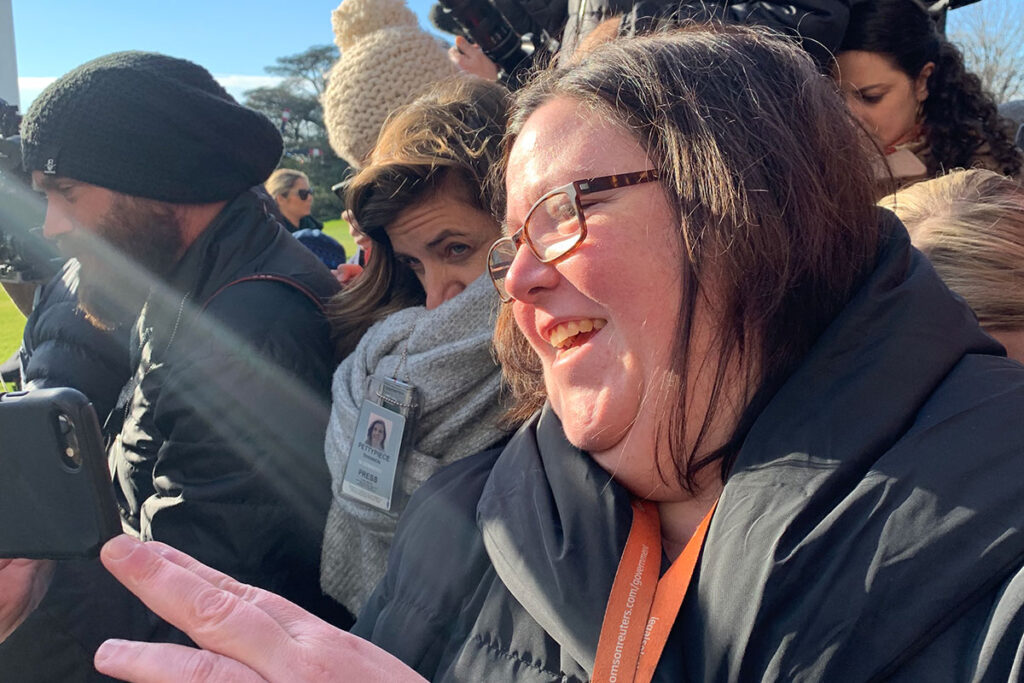
That experience — waiting for something to happen, often while standing on your feet — is typical in journalism. It’s not the glamourous, globe-trotting job that Rampton imagined as a student.
“You have to be prepared to sit in tiny, claustrophobic rooms and wait for hours,” she says.
“But there’s nothing more satisfying than seeing amazing things happen right in front of your eyes and telling a story that no one else has told.”
Related Stories
Not Your Average Family Vacation
Heather Greenwood Davis thought she was taking her husband and two children – aged six and eight – on a year-long trip around the world.…
How a Carleton Grad’s AI Experiment Opened New Doors
When Joe (Beiqiao) Hu arrived at Carleton University in 2024, he wasn’t just pursuing a graduate degree, he had three goals in mind: improve his…

Follow the Money: Carleton PhD Grad Helps Combat Illicit Financing
If you want to really understand somebody, take a close look at how they spend their money. The same thinking applies to state and non-state…