Transforming the Justice System in Indigenous Communities
By
Dan Rubinstein
Photo Credit:
Philippe Boucher and Pascal Dumont
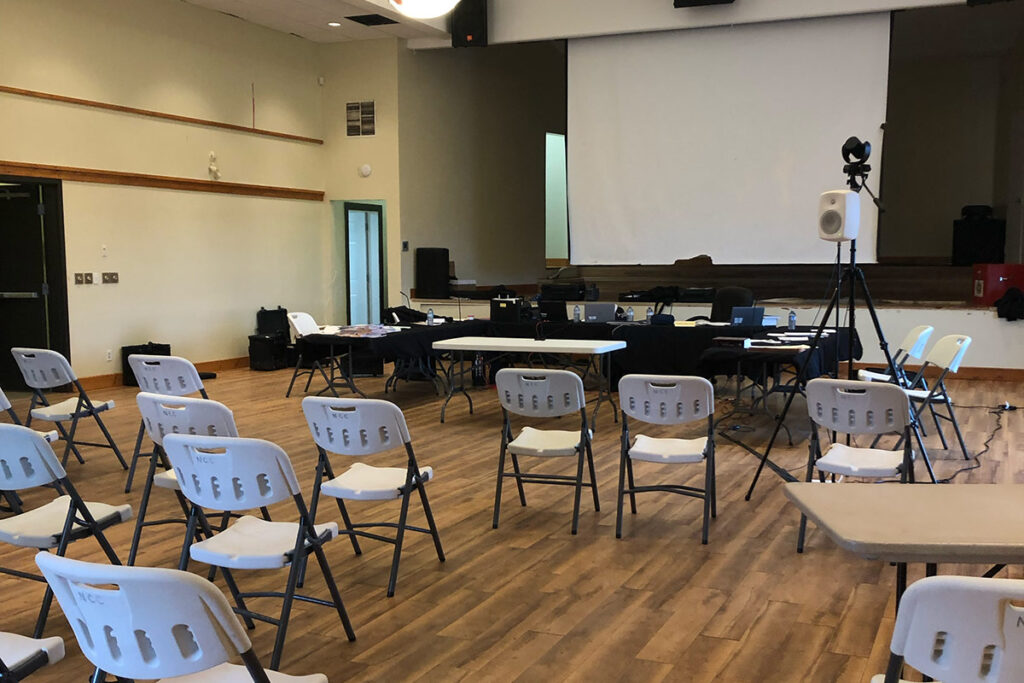
Three times a year, a temporary courtroom is set up in the community centre in Kawawachikamach, a Naskapi Nation community more than 500 kilometres north of Sept-Iles, Quebec.
The travelling court hears criminal cases involving residents of Kawawachikamach and the adjacent Innu community of Matimekosh Lac-John, which have a combined population of about 2,000 and are only accessible via airplane or train.
French is the first language for most the judges, prosecutors and defence lawyers who go north, while Naskapi offenders, victims and witnesses are typically more comfortable speaking Naskapi or English. This disconnect makes it difficult for people to navigate the provincial justice system, and it’s just one example of the myriad practical and cultural obstacles faced by remote Indigenous communities across Canada when they interact with government institutions.
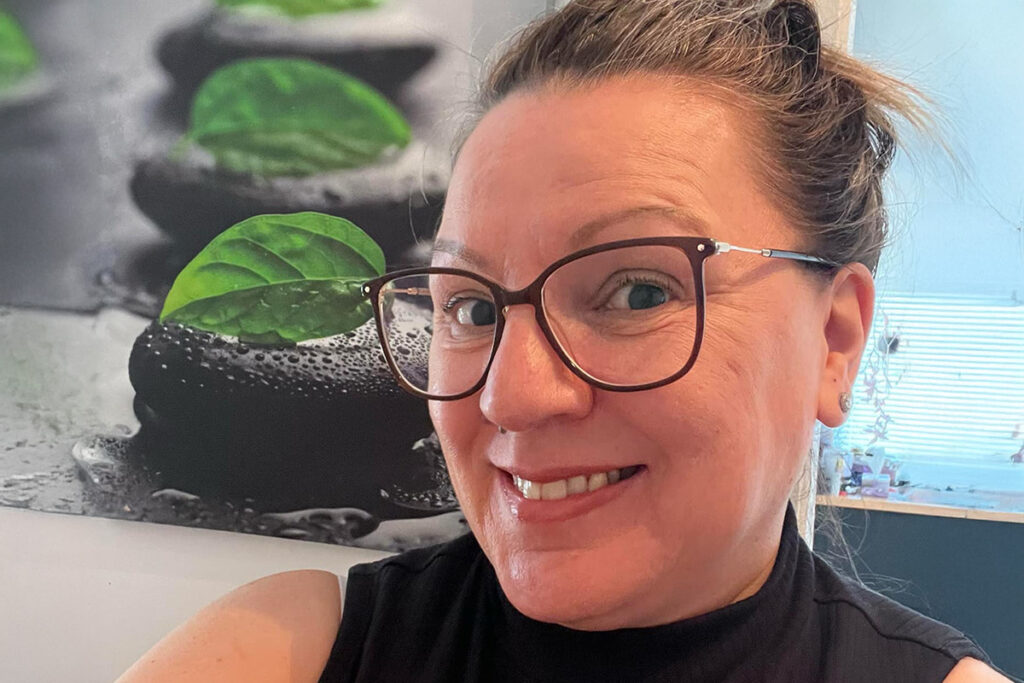
“Language is usually the biggest issue,” says Sharon Shecanapish, a member of the Naskapi Nation who works as a legal and health interpreter, supporting Naskapi and Innu people who are part of trials in Kawawachikamach or when they are in Sept-Iles for medical services.
“This is one of the largest challenges in all of the systems, not only justice.”
To better understand the experiences of Indigenous people involved in criminal cases, and to help reform Quebec’s courts so they reflect Indigenous traditions and serve as a step toward healing, Shecanapish is collaborating with Carleton University Legal Studies PhD candidate Philippe Boucher on what he calls a “research-action” project.
Boucher has been spending a significant amount of time observing court proceedings in Kawawachikamach over the past four years and is planning to interview community members to learn what’s working and what can be improved.

Miscommunication and Technical Problems
Going to court is generally stressful. Even if an interpreter is available, the inability to express yourself directly in your first language can lead to miscommunication and a lack of clarity.
There are also technical problems. Some Kawawachikamach residents have cell numbers that only work when they’re in Sept-Iles or elsewhere in the south, so they don’t receive details about court dates. Victim services staff are not permitted to leave voice messages on land lines for confidentiality reasons, hindering their ability to offer support. Clients often need interpreters when they talk to their lawyers, so scheduling calls or meetings is tricky.
All of this adds up to missed court dates, victims not being heard and offenders pleading guilty to charges they may not understand or being acquitted of crimes they committed.
“We Naskapis tend to be shy and these problems make it hard for our people to say what we want to say,” says Shecanapish.
“One word can change the meaning of something.”
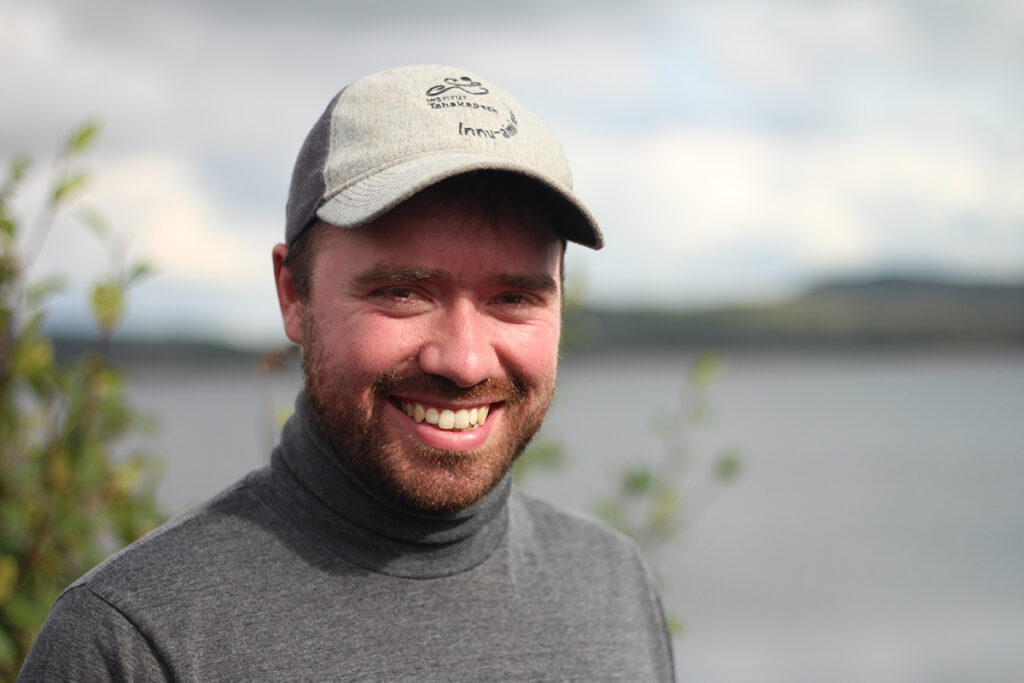
Boucher didn’t know how prevalent these issues were when he first went to Kawawachikamach in 2021 as part of his master’s research, which was focused on the stories of domestic violence survivors.
That work led to an interest in judicial services and Boucher began acting as a justice advisor for the community. Toward the end of his master’s, he went to New York City for an internship during the United Nations Permanent Forum on Indigenous Issues, where he met Louise Nattawappio, who is now the Naskapi Chief. Their conversation was the birth of a collaboration that led to his PhD research.
“My goal is to document what’s happening in court in Kawawachikamach,” says Boucher, whose research is supported by both a Vanier Canada Graduate Scholarship and the Pierre Elliott Trudeau Foundation, “and help build an alternative justice system.”
The Role of Justice Committees
In addition to her work as an interpreter, Shecanapish is the assistant justice coordinator of Kawawachikamach’s Naskapi Justice and Healing Committee, working alongside justice coordinator Charlotte Pien. Shecanapish liaises with Naskapi who are incarcerated in Sept-Iles, helping them understand their legal rights and a system they may not trust amid the legacy of residential schools and other colonial harms.
This committee — one of about 30 in Quebec’s 55 Indigenous communities — operates in concert with the provincial court system. Comprised of 10 community members and guided by traditional values and the wisdom of Elders, the committee helps offenders take responsibility for their crimes and can administer alternative sentencing if asked to do so by a prosecutor.
This approach has a lot of potential, says Boucher, because it’s focused on healing, community service and reducing recidivism.
“It helps prevent people from going back in front of a judge,” he says.
“Offenders can get referred to the committee and the committee intervenes based on the needs and perspectives of the community.”
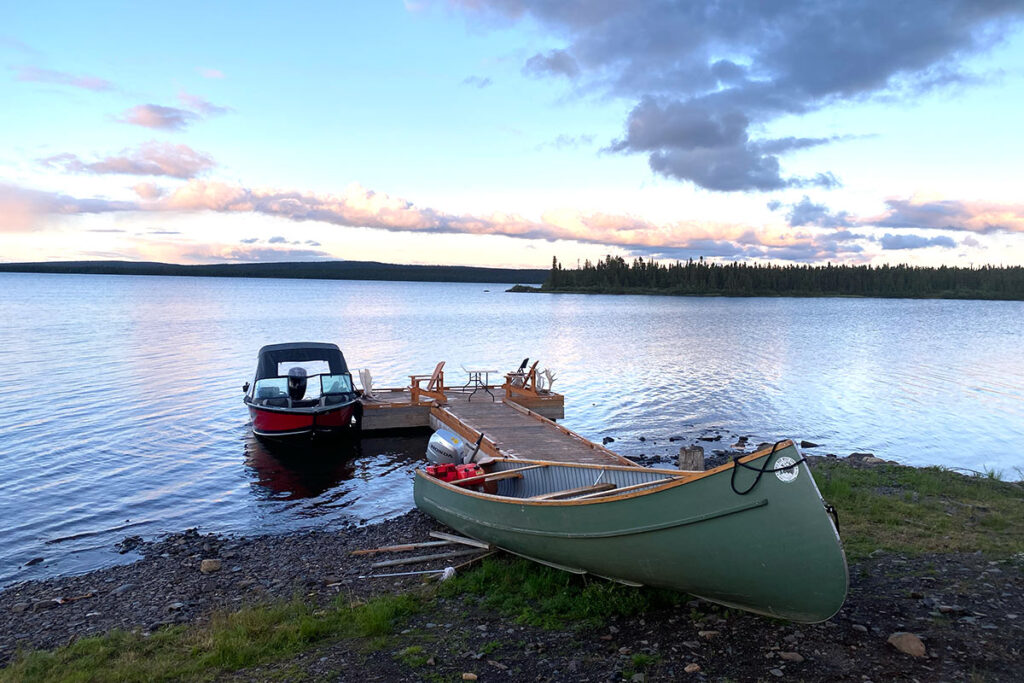
Offenders can decide, for example, to spend time in a land-based healing program. Such measures are intended to address behavioural issues or trauma. In other words, they deal with the root causes of crime.
“There’s a collaboration between the court and justice committee,” says Boucher. “There are conversations between justice committee members and offenders that rarely happen in court, and sometimes conversations between victims and offenders. Often there’s a willingness, even a need, for people to meet and talk.”
These relationships, he says, are a step toward healing. And if Boucher, Shecanapish and their collaborators can identify and help develop processes that work in Kawawachikamach, dozens of other communities in Quebec and across Canada could benefit too.
Related Stories
Reimagining Responses to the Refugee Crisis
The geopolitical chaos of the past few years has made life even more precarious for millions of people around the world who have been forced…
Carleton University’s Top 10 Stories of 2025
As the 2025 season comes to a close, we reflect on the groundbreaking research, innovative leadership and inspiring community achievements that defined 2025 for Carleton…
Family Fun: Ravens Siblings on Competing Together
Game time is family time for a surprising number of Carleton University’s varsity athletes this year. Across the rosters, from hockey to soccer to rugby…