Carleton’s First UNESCO Chair Puts People and Communities at the Centre of Heritage Conservation
By Ahmed Minhas
A UNESCO World Heritage designation can put a place on the map, but for those who live nearby and care for these sites, their experience can be complex. With increased attention the site changes, tourism surges and local knowledge is left out of decisions.
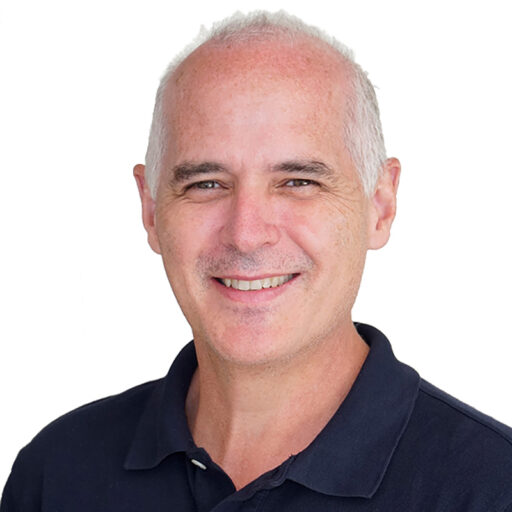
Mario Santana Quintero has seen this first-hand. A researcher in Carleton University’s Department of Civil and Environmental Engineering, Santana has worked on cultural heritage conservation globally. One lesson remains; technology alone can’t save heritage, it needs people, trust and collaboration.
That idea is central to his new role as UNESCO Chair in Digital Twins for World Heritage Conservation — Carleton’s first UNESCO Chair and the first in Canada focused on the World Heritage Convention.
Jointly led with Verónica Heras Barros from Universidad del Azuay in Ecuador, the chair advances research on digital twins for heritage conservation.
“The work of the chair is to mobilize knowledge and show how academic work can contribute to UNESCO’s mission,” says Santana.
“That means applying digital technologies that respond to the needs of people and communities.”
The role brings together an interdisciplinary network and connects Carleton with strategic partners in Ecuador, Chile, China, South Africa, Bahrain and Oman. This North-South-South cooperation fosters a platform for rethinking how heritage conservation can serve communities in a rapidly changing world.
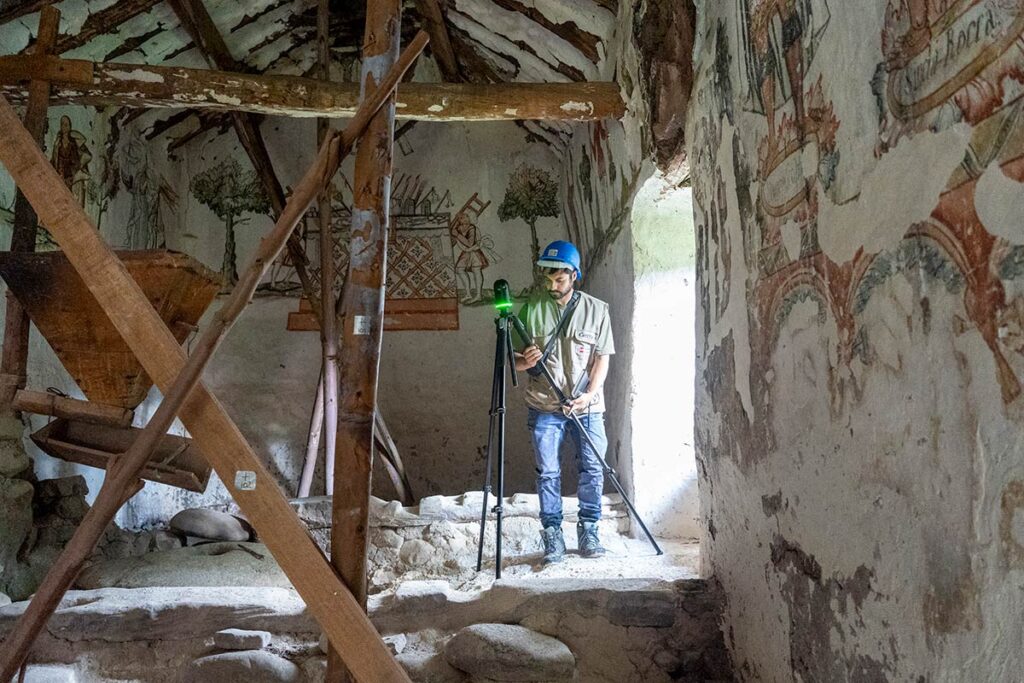
Digital Twins for Heritage Conservation
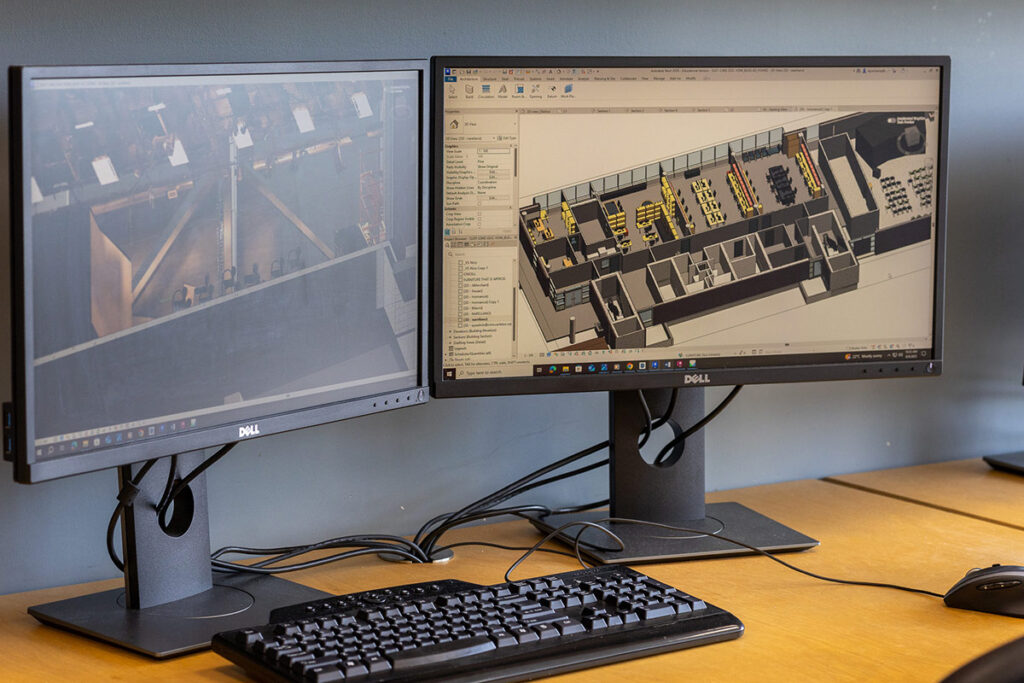
At the core of Santana’s work is the use of digital twins — data-rich models that allow experts to simulate risks, test interventions and monitor change. Often perceived as virtual replicas of physical structures, Santana is skeptical of this when applied to heritage.
“We call it digital twins but it’s not actually a twin,” he says.”It’s a digital system with information that helps manage things like temperature or material condition.”
He emphasizes that digital twins in heritage shouldn’t aim to duplicate buildings, but monitor environmental and structural factors over time, such as air quality, energy performance, seismic vulnerability and other variables to make informed decisions.
At Carleton, Santana and his colleague Stephen Fai have contributed to the collection of digital data for the Rideau Canal, a World Heritage Site in the heart of Ottawa. Other collaborations include work with partners in Ecuador, Germany, the UAE and South Korea with the goal to co-create solutions and support decisions around preventive conservation, especially for communities facing pressure or risk.
For Santana, heritage is not only about preserving buildings; it’s also about memory, identity and justice. He highlights the value of traditional knowledge systems. A key challenge he will address is how to effectively document and monitor this valuable, often immaterial, information for future generations.
“There’s many things that weren’t talked about,” says Santana. “Where people lived, what the landscape meant. That knowledge needs to shape how we use technology now.”
Heritage is layered and complex; what one group celebrates, another may mourn. Santana stresses the importance of addressing contested narratives through respectful dialogue.
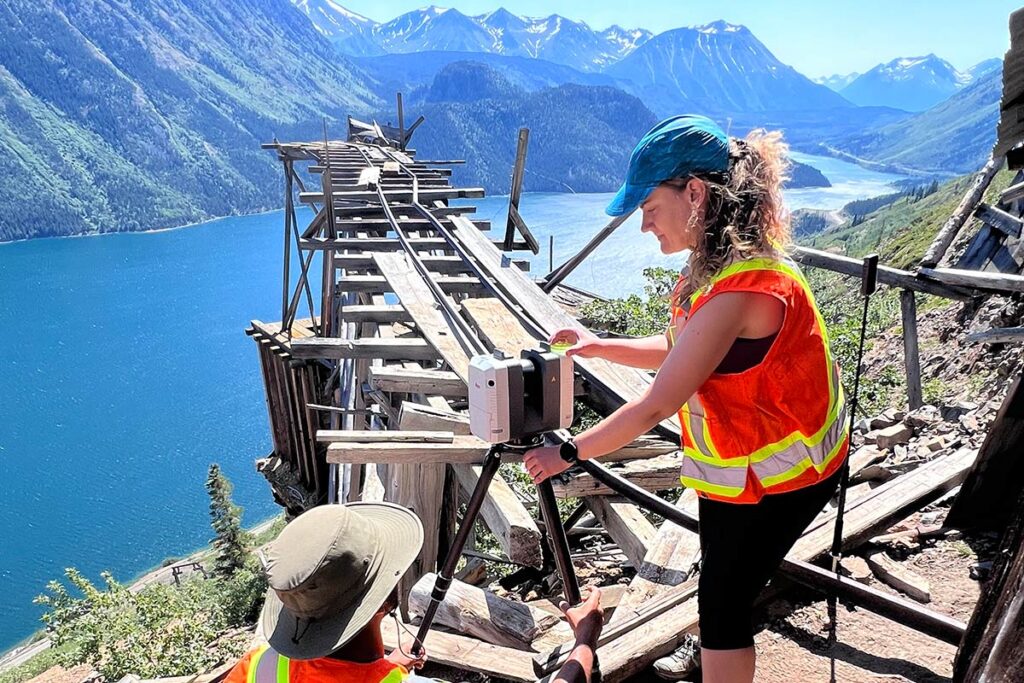
Training Tomorrow’s Leaders
Equally important to the chair’s mandate is training future heritage professionals. The UNESCO Chair creates gateways for global collaboration, community engagement and professional development through activities that support students and emerging professionals.
Carleton students, alongside peers from partner universities, will be involved in research projects with opportunities for training, mentorship and participation in international exchanges.
“Many of my students now belong to the same international networks I do,” says Santana. “The goal is to give them access to new spaces and opportunities they didn’t know existed.”
While heritage designations can bring benefits, they can also overwhelm communities when they’re not consulted. Digital technology, if used carefully and collaboratively, can help shift this dynamic.
“We want to mobilize knowledge, develop frameworks for co-creating digital twins and make an impact in specific places,” says Santana. “We’re focused on how people can use data and tools to take care of places that matter to them.”
And that includes the next generation.
“If in 10 years we can say our work helped protect heritage, supported communities and trained the next generation, then we will have made a real difference,” says Santana.
CORRECTION [Jan. 29, 2026]: An earlier version of this article misstated the nature of Fai’s research. The article has been updated to accurately represent the research.
Related Stories
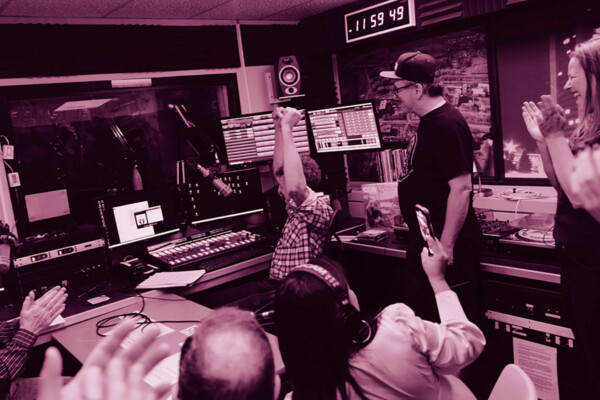
CKCU 93.1 FM: Community Radio at Carleton University
As Canada’s first campus-based community radio station, CKCU 93.1 FM has been a staple of Ottawa-Gatineau’s airwaves for 50 years, amplifying local voices, emerging artists…
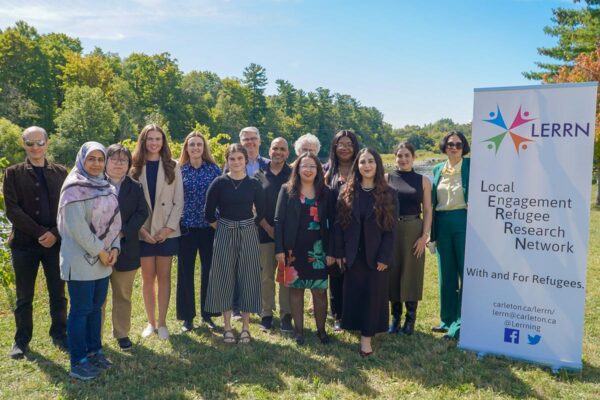
Reimagining Responses to the Refugee Crisis
The geopolitical chaos of the past few years has made life even more precarious for millions of people around the world who have been forced…
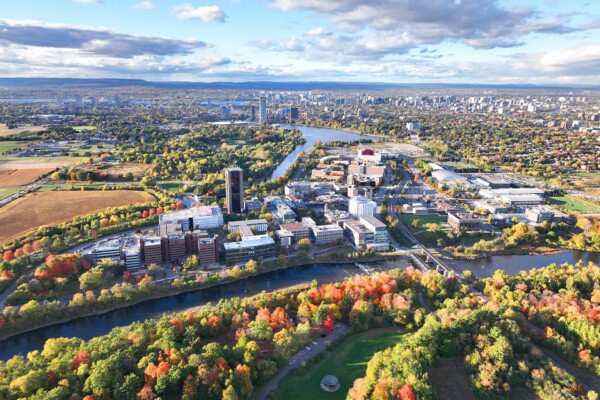
Carleton University’s Top 10 Stories of 2025
As the 2025 season comes to a close, we reflect on the groundbreaking research, innovative leadership and inspiring community achievements that defined 2025 for Carleton…