Kirk Luther
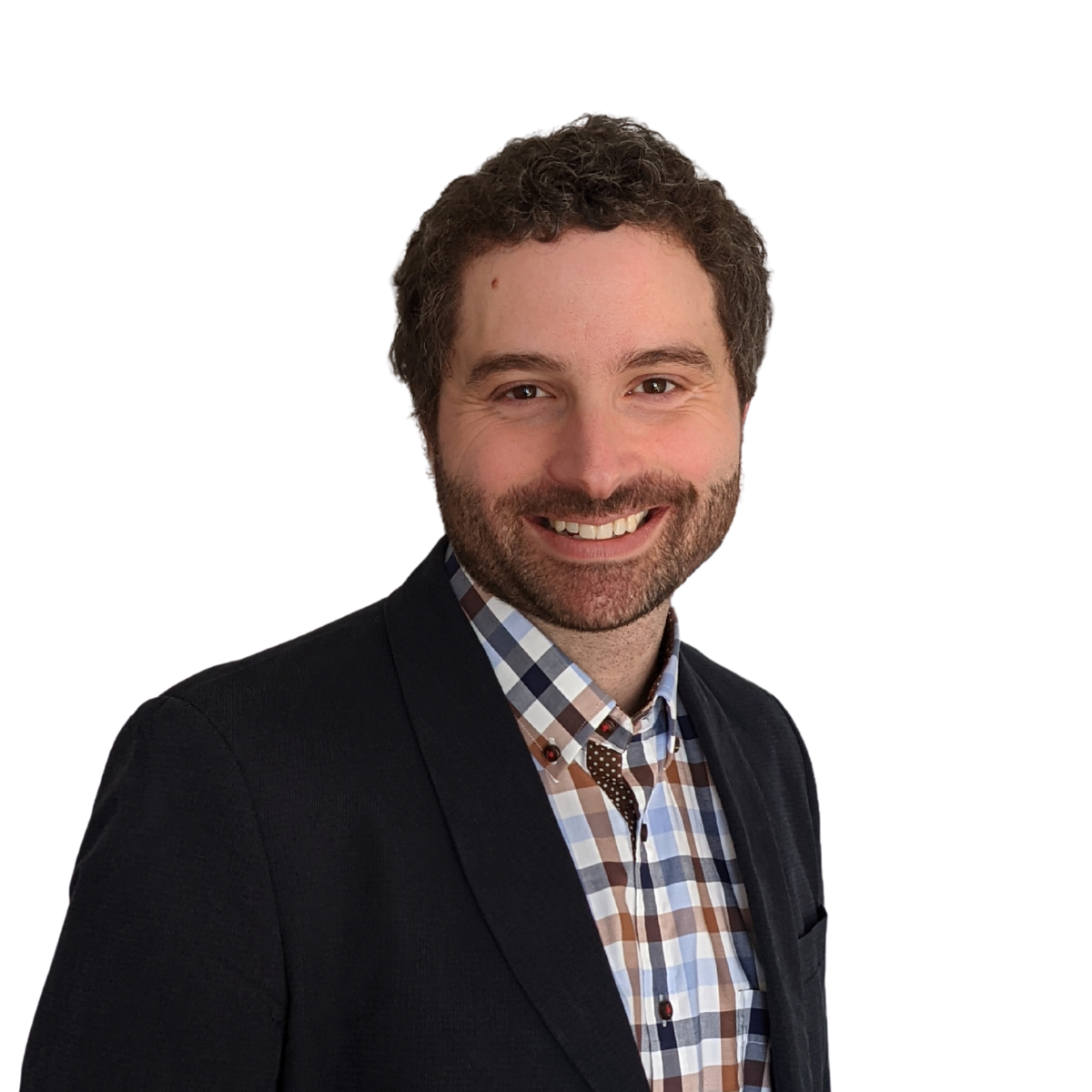
Associate Professor
- Ph.D.
- Email Kirk Luther
Biography
Kirk Luther is the Director of the Psychological Research in Investigative Science and Methodology (PRISM) Lab at Carleton University. Kirk received his PhD from Memorial University where he studied under the supervision of Dr. Brent Snook, Director of the Psychology and Law lab. Following his PhD, Kirk spent a few years as a Lecturer (Assistant Professor) in the Department of Psychology at Lancaster University in the UK. During his time at Lancaster University, Kirk was also a member of Security Lancaster and CREST.
Kirk is currently an Associate Professor in the Department of Psychology at Carleton University and is a member of the Forensic Psychology Research Centre. He is also the current editor for Investigative Interviewing: Research and Practice, the official journal for the International Investigative Interviewing Research Group, and on the Editorial Board for Psychology, Public Policy, and Law. He is also a founding member of the Cold Case Network – a group of academics and practitioners working on cold case related research.
Research Interests
Kirk’s research interests include safeguarding legal rights for adults and youth, and advancing research and practice on investigative interviewing. Specifically, his research works toward (1) developing a theoretical model of the cognitive, social, and language factors that moderate and mediate individual’s comprehension of complex information (i.e., legal rights), and (2) developing a theoretical model of the cognitive and social factors that promote information provision in investigative interviews.
Selected Publications
Polman, S., Luther, K., de Almeida, H., Eggers, J., & Watson, S. J. (2026). Examining the effects of evidence disclosure timing and strength on information inconsistencies and provision within investigative interviews. Psychology, Crime & Law, 32(3), 519–542. https://doi.org/10.1080/1068316X.2024.2378061
Price, H., Luther, K., Thomas, W., Gabbert, F., & Hope, L. (2026). Interviewing in cold cases. Cold Case Homicides, 287–308. https://doi.org/10.4324/9781003415633-12
Denault, V., Luther, K., Eastwood, J., Dion Larivière, C., Talwar, V., & Béland, S. (2026). Pseudoscientific practices in fraud investigations: A Case Study. Journal of Forensic Psychology Research and Practice, 1–18. https://doi.org/10.1080/24732850.2025.2610830
Eastwood, J., Luther, K., Han, T., Arenzon, V., Crough, Q., Curtis, A., de Almeida, H., Downer, K. J., Dion Larivière, C., Lundy, J., Ogunseye, F., Snow, M. D., & Snook, B. (2025). Statistical reporting practices within forensic psychology: Is anything changing? Law and Human Behavior, 49(4), 398–409. https://doi.org/10.1037/lhb0000611
Weiher, L., Watson, S. J., Taylor, P. J., & Luther, K. (2025). How multiple interviews and interview framing influence the development and maintenance of rapport. Psychology, Crime & Law, 31(4), 414–438. https://doi.org/10.1080/1068316X.2023.2265527