Innovation Morning: Designing and Testing Cyber-Physical Systems
Thursday, April 23, 2026 from 8:30 am to 10:30 am
- In-person event
- 350 Legget Dr suite 101 , Ottawa , ON , K2K 2W7
Hosted at CU@Kanata, Innovation Morning is a signature event series that unites research, policy, and industry to explore meaningful solutions to emerging challenges.
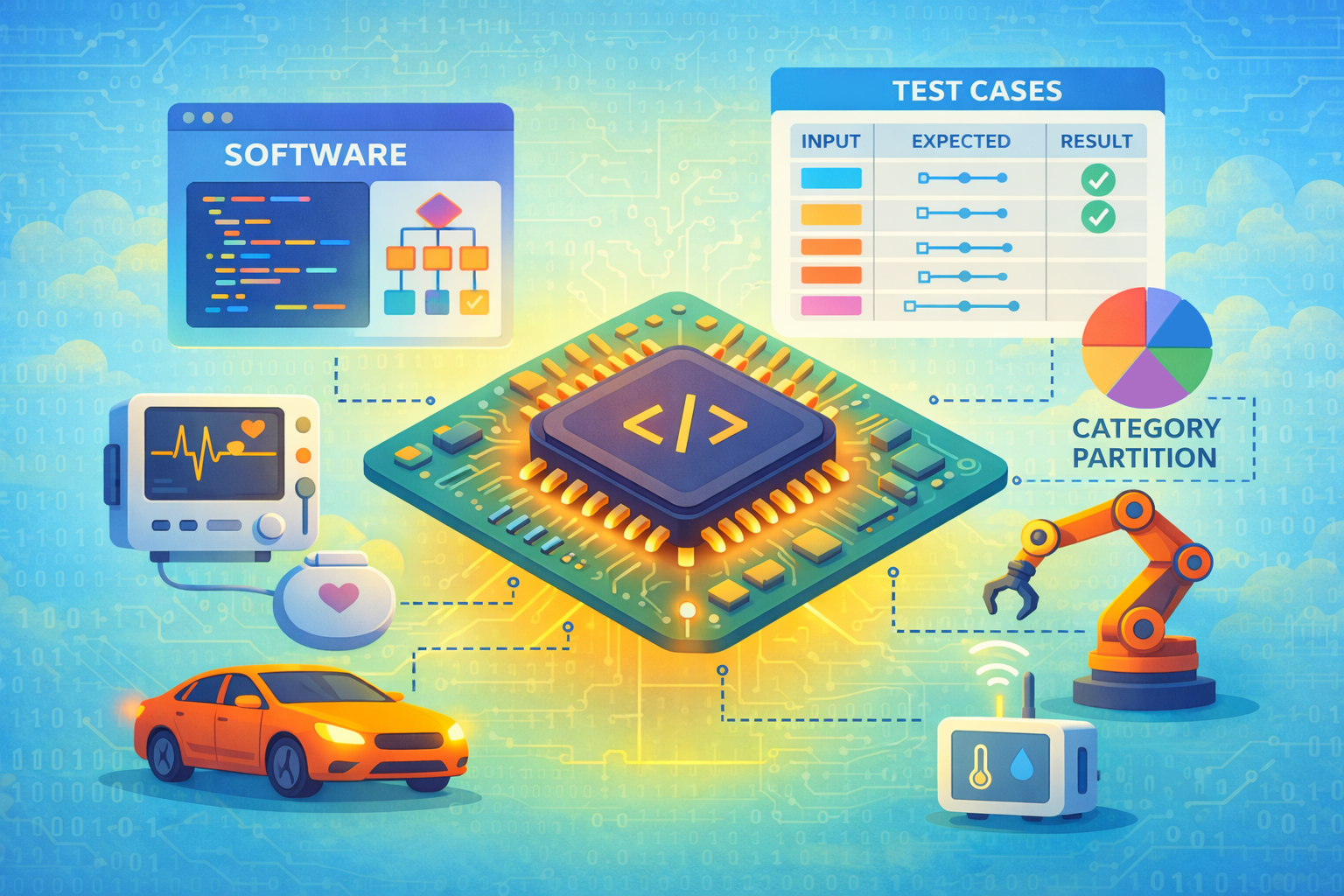
From the software that powers everyday devices to the embedded systems driving transportation, infrastructure, and critical services, modern technology depends on systems that must operate reliably in complex, real-world environments.
Join us for our next Innovation Morning on Designing and Testing Cyber-Physical Systems — an engaging session exploring how advanced software engineering, testing, and simulation are shaping the development of cyber-physical systems. Through expert insights and real-world applications, we’ll examine how Carleton researchers are advancing the tools and methods needed to design, test, and validate the systems that underpin today’s technology.
Speaker presentations will be followed by an interactive Q&A session and dedicated networking time, providing space for discussion and connection among innovators, researchers, and industry professionals.
Light refreshments will be provided. This event is open to all!
Guest Speakers
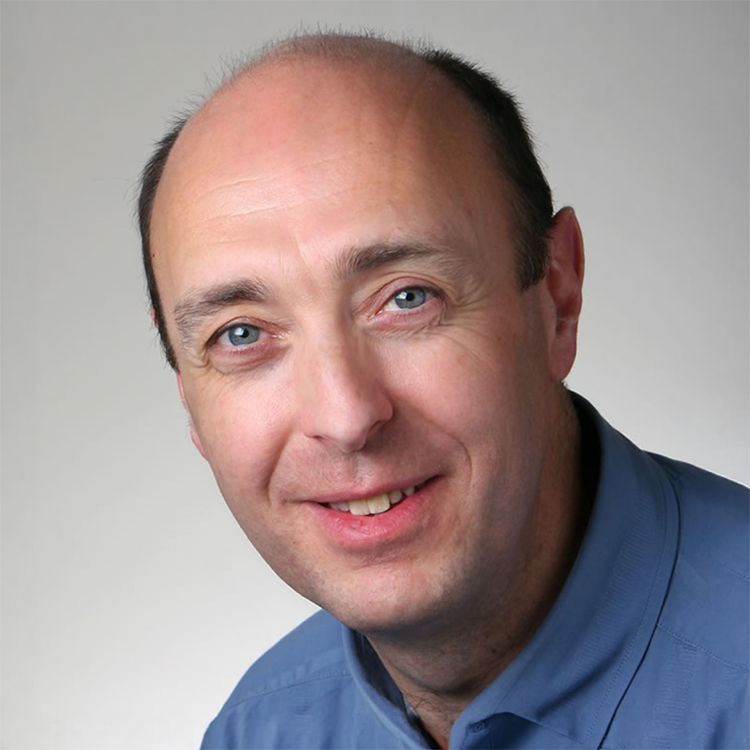
Yvan Labiche
Professor, Department of Systems and Computer Engineering
Dr. Labiche’s research focuses on improving the quality and reliability of software systems. His work explores how software can be effectively designed, tested, and validated—particularly in complex and high-dependability environments. He specializes in model-driven development and the use of standardized design frameworks, while also applying quantitative methods, experimentation, and emerging approaches such as artificial intelligence to advance software engineering practices.
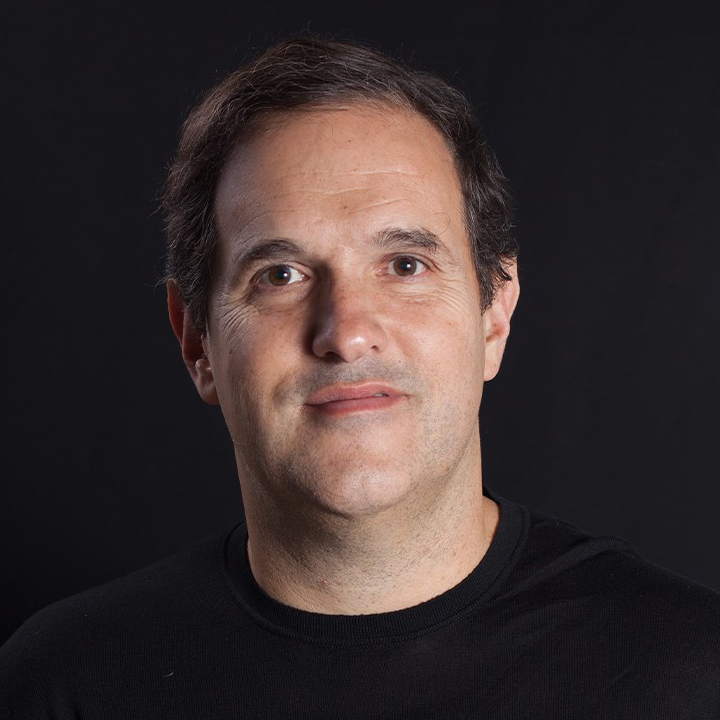
Gabriel Wainer
Professor, Department of Systems and Computer Engineering
Dr. Wainer is a leading researcher in modeling and simulation of complex, large-scale systems. His work focuses on developing advanced simulation methods that help researchers and organizations better understand, design, and manage dynamic systems. By combining techniques such as real-time and distributed simulation with AI and data-driven approaches, he supports decision-making across a wide range of fields, including transportation, environmental systems, defense and security, and critical infrastructure.
Agenda
- 8:30 – 9:00 am: Arrival and networking over coffee
- 9:00 – 9:10 am: Welcome Remarks & Introductions
- 9:10 – 9:40 am: Research Presentations
- 9:40 – 10:00 am: Open Q&A
- 10:00 – 10:30 am: Networking
Who Should Attend?
Whether you’re an engineer, researcher, industry professional, or technology enthusiast, this event offers a unique opportunity to connect with experts and peers shaping the future of software, simulation, and cyber-physical systems.