Notice:
This event occurs in the past.
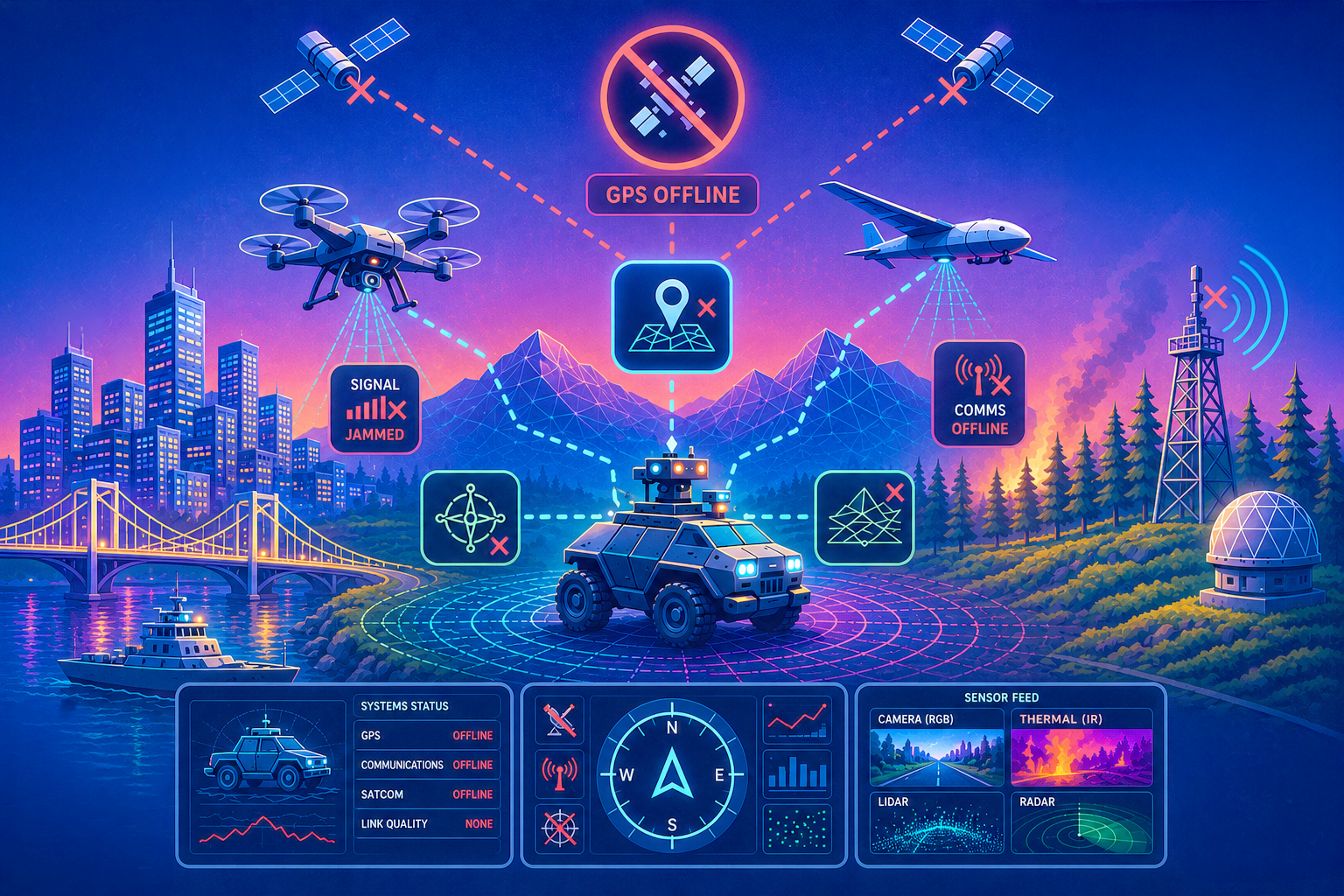
Innovation Morning: When GPS Goes Dark – Navigation and Autonomy in Contested and Degraded Environments
Thursday, September 24, 2026 from 8:30 am to 10:30 am
- In-Person event
- 350 Legget Dr suite 101 , Ottawa , ON , K2K 2W7
Hosted at CU@Kanata, Innovation Morning is a signature event series that unites research, policy, and industry to explore meaningful solutions to emerging challenges.
As autonomous systems take on increasingly complex roles, their ability to navigate, perceive their surroundings, and make reliable decisions cannot depend on ideal conditions. From GPS disruptions and adverse weather to incomplete or unreliable sensor data, operating in contested and suboptimal environments requires systems that can adapt when the technologies they rely on are compromised or unavailable.
Join us for our next Innovation Morning on When GPS Goes Dark – Navigation and Autonomy in Contested and Degraded Environments, featuring Carleton University experts exploring resilient navigation, multi-sensor perception, and intelligent adaptive systems. Together, they’ll share insights into how emerging approaches in sensor fusion, AI, modelling, and control are enabling autonomous systems to operate safely and effectively in complex, uncertain, and changing environments.
Speaker presentations will be followed by an interactive Q&A session and dedicated networking time, providing space for collaboration and discussion among innovators, academics, and community stakeholders.
Light refreshments will be provided. This event is open to all!
Guest Speakers
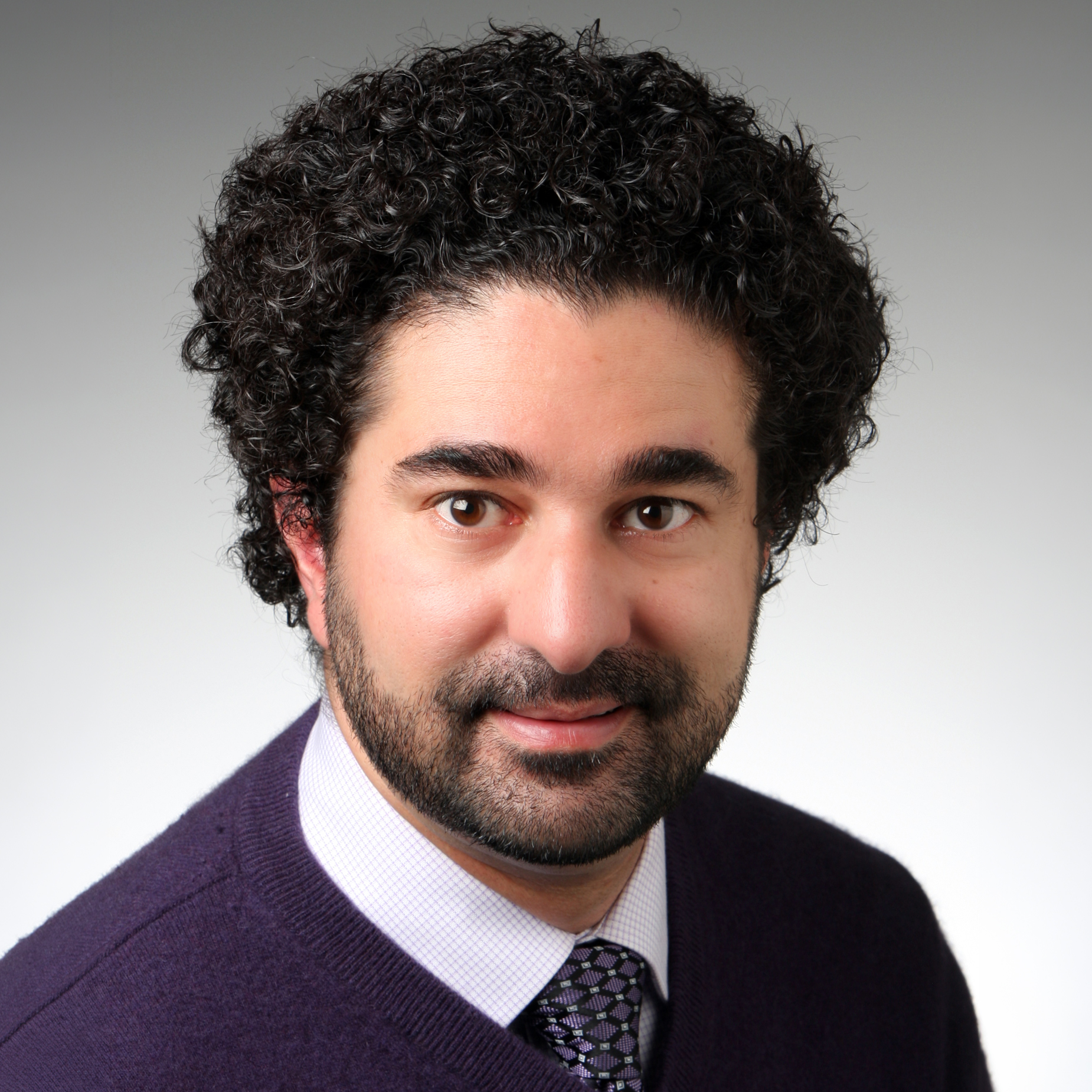
Rishad Irani
Associate Professor, Department of Mechanical and Aerospace Engineering
Dr. Irani’s research focuses on developing intelligent dynamic systems that can understand changing operating conditions, predict their effects, and adapt in real time. His work integrates physics-based modelling, uncertainty analysis, AI, and control to enable safer and more capable operation in complex and dynamic environments.
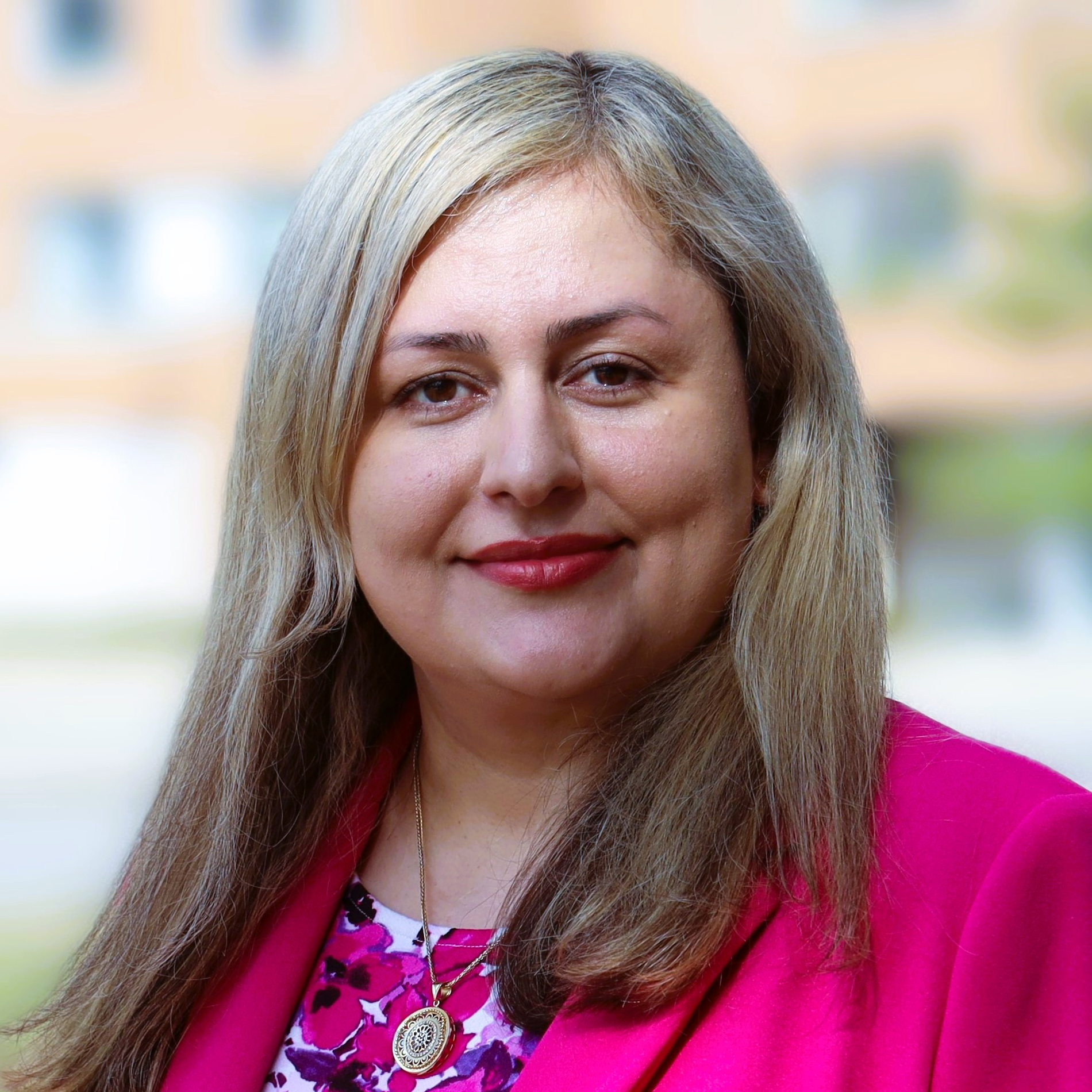
Marzieh Amini
Associate Professor, Department of Systems and Computer Engineering
Dr. Amini’s research focuses on enhancing autonomous perception systems through multimodal sensor fusion, combining technologies such as cameras, LiDAR, and radar to improve reliability in adverse conditions. Her work spans autonomous vehicles, UAVs, critical infrastructure and wildfire monitoring, and privacy-preserving AI for edge computing platforms.
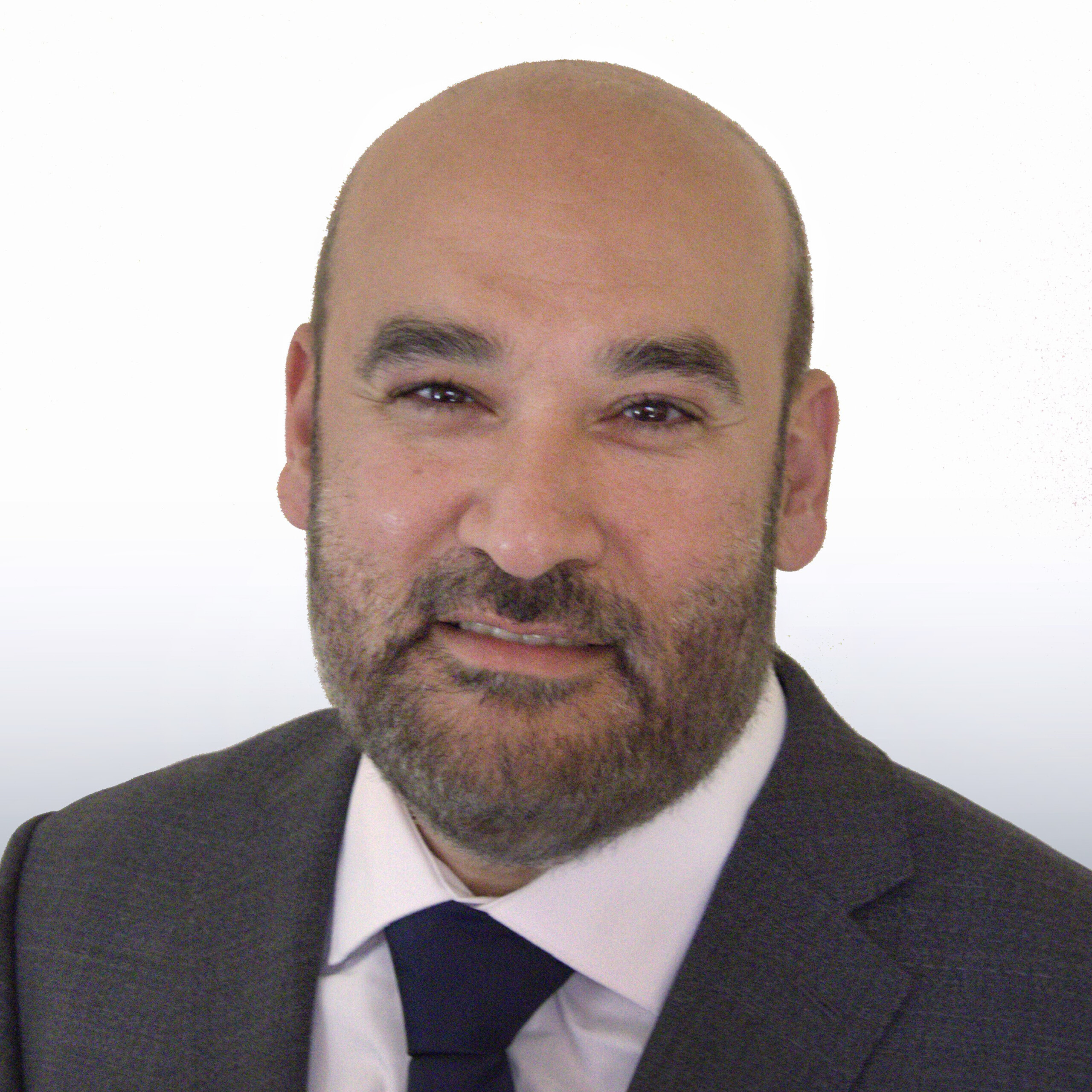
Mohamed Atia
Professor, Department of Systems and Computer Engineering / Director, Embedded and Multi-Sensor Systems Lab
Dr. Atia’s research focuses on multi-sensor navigation, sensor fusion, positioning, and autonomous systems, with an emphasis on reliable operation in GNSS-denied and challenging environments. His work integrates technologies such as inertial sensors, radar, vision, LiDAR, and AI to enable resilient navigation for robotics, autonomous vehicles, and intelligent sensing systems.
Agenda
- 8:30 – 9:00 am: Arrival and networking over coffee
- 9:00 – 9:05 am: Welcome Remarks & Introductions
- 9:05 – 9:45 am: Research Presentations
- 9:45 – 10:00 am: Open Q&A
- 10:00 – 10:30 am: Networking
Who Should Attend?
Whether you’re an engineer, researcher, technology professional, industry leader, policymaker, or engaged citizen, this event offers a unique opportunity to connect with experts and peers advancing resilient navigation, autonomous systems, and intelligent sensing technologies for complex and challenging environments.