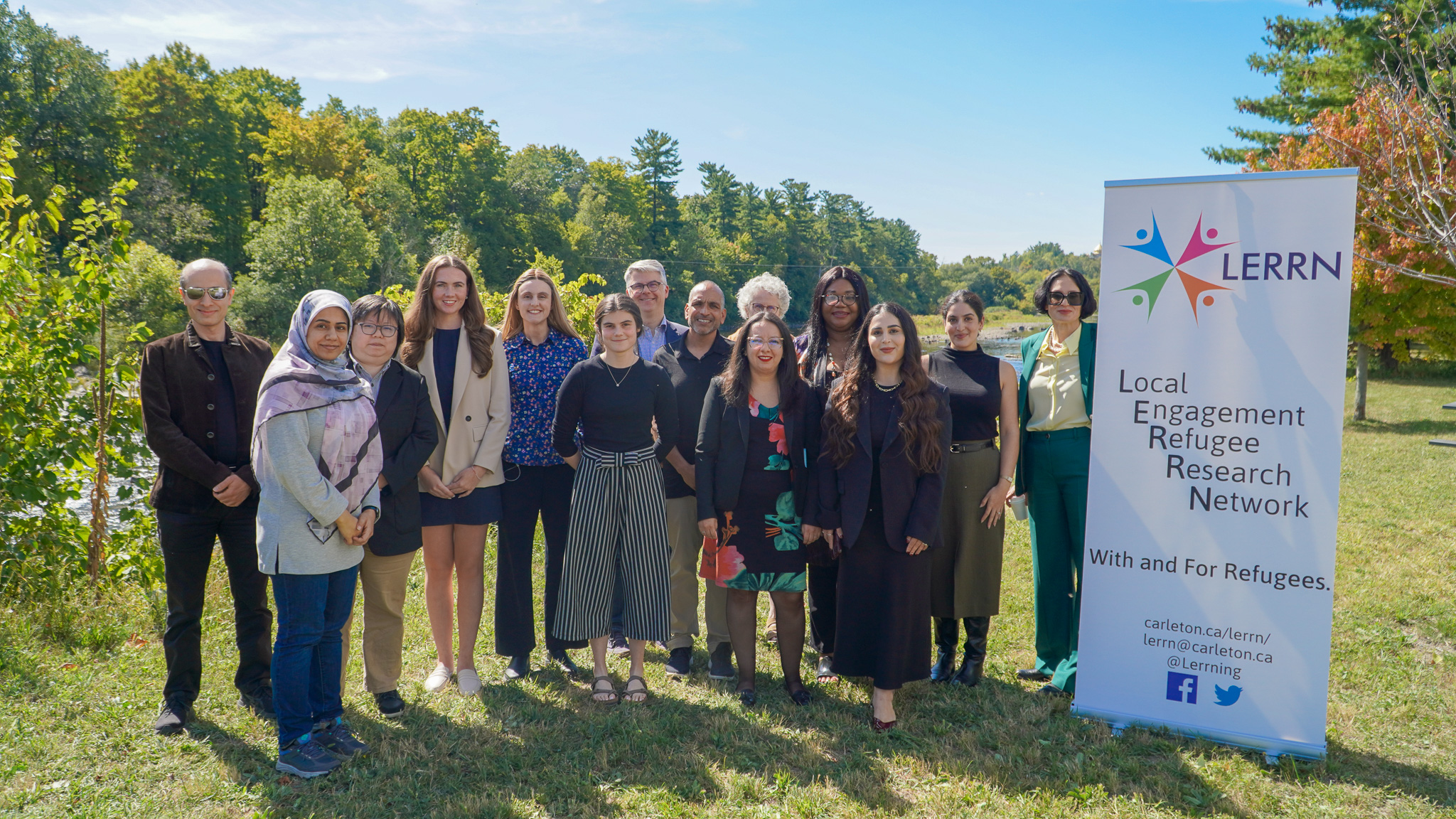
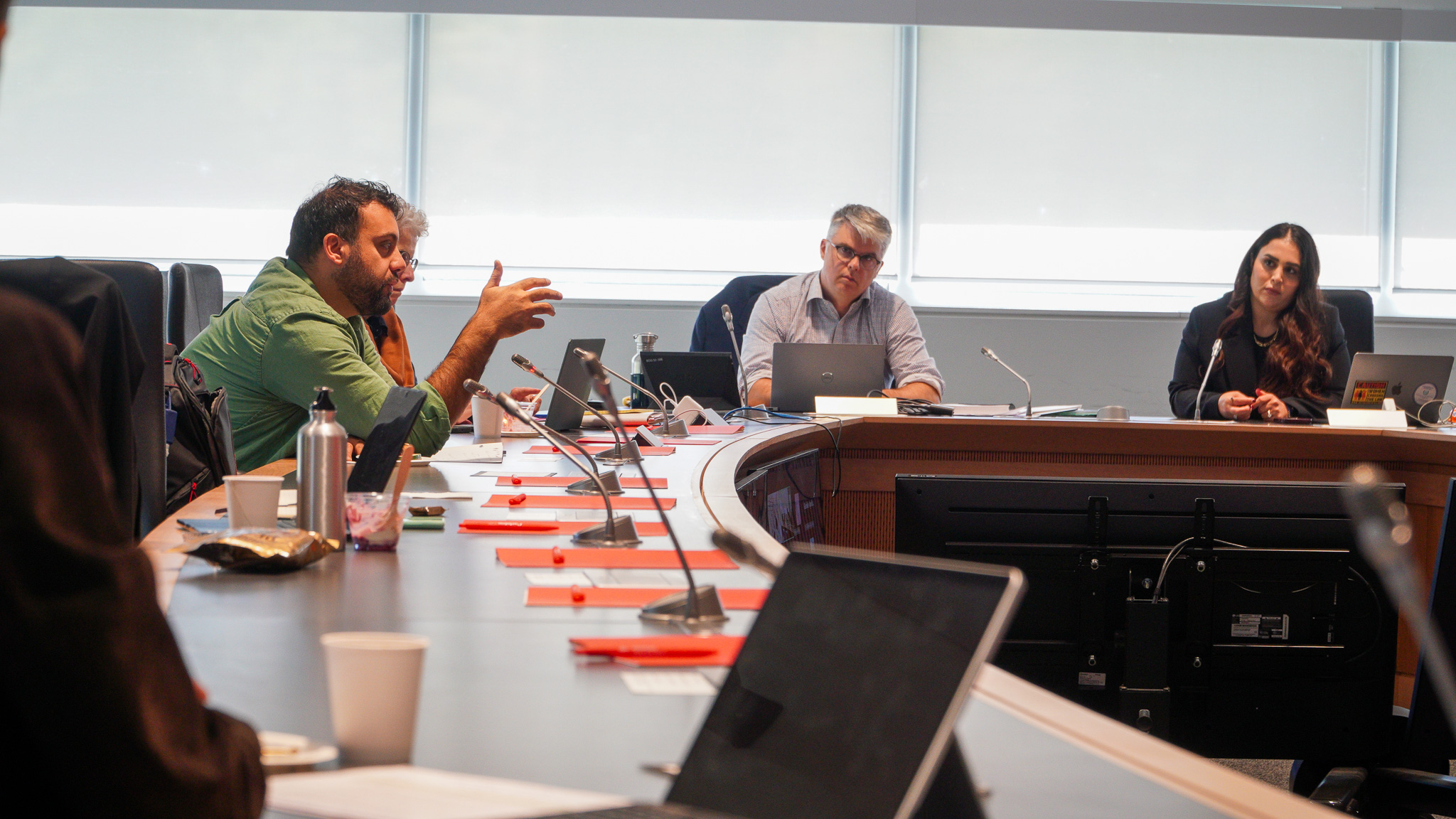
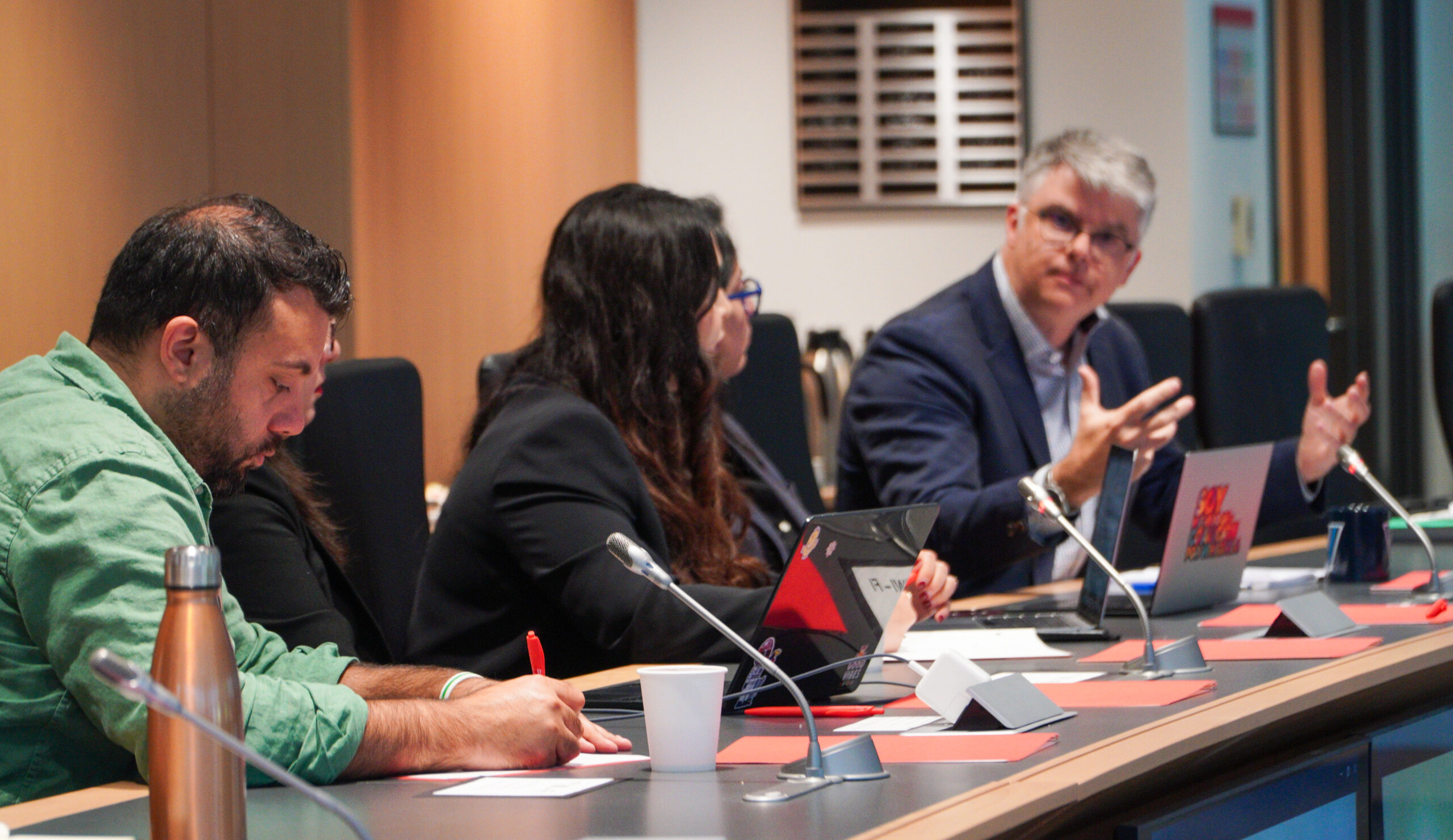
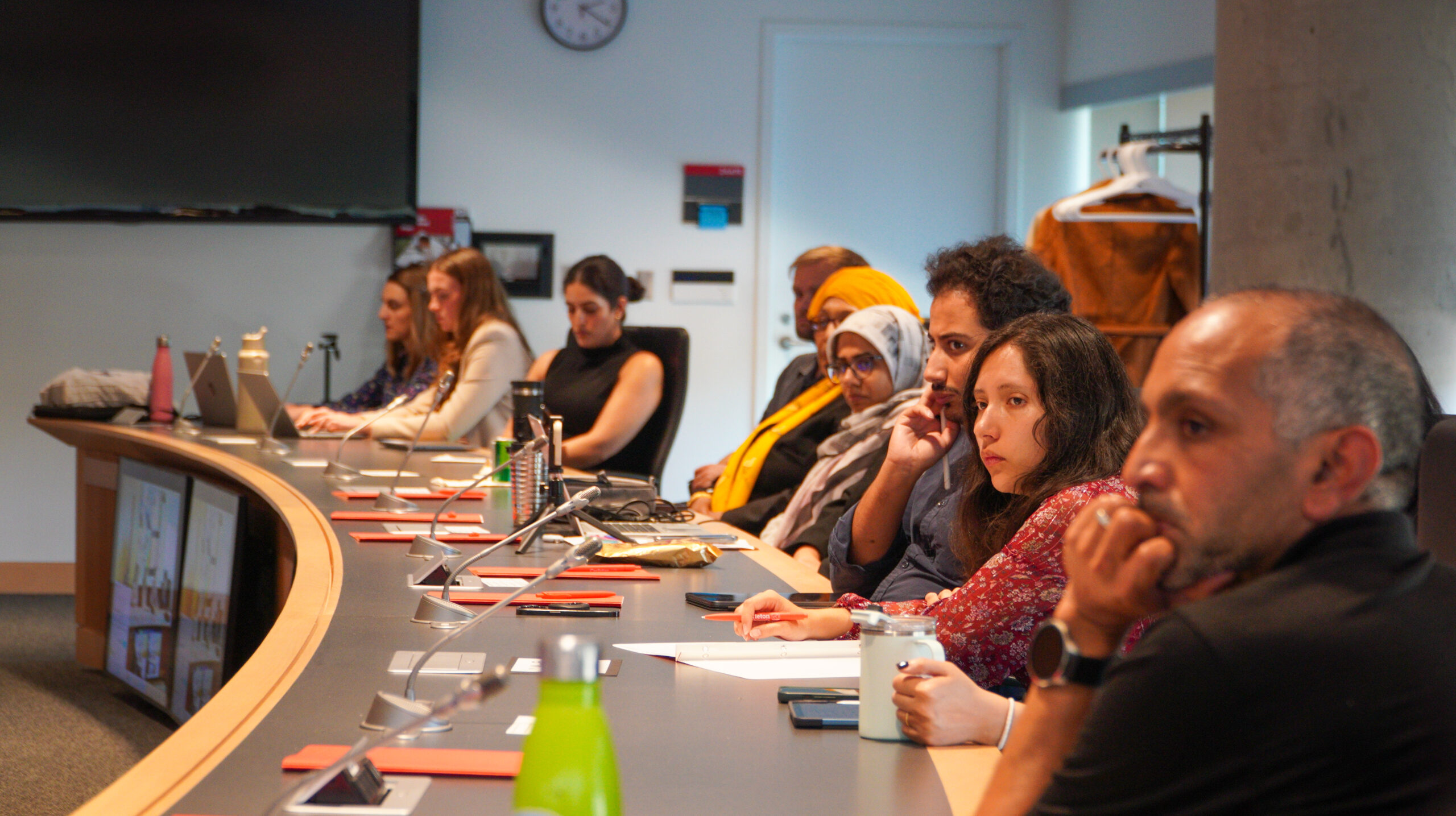
From 11 to 12 September 2025, the Local Engagement Refugee Research Network (LERRN) hosted a multi-day event marking the official launch of its new SSHRC Partnership Grant, Reimagining Responses to Forced Migration. The $2.5-million award—supported by the Social Sciences and Humanities Research Council (SSHRC) alongside matching contributions from partner organizations—ushers in a new phase of collaborative, community-driven research on forced displacement.
Carleton University President and Vice-Chancellor Wisdom Tettey opened the event by underscoring the transformative power of inclusive research partnerships between academia and communities. He highlighted the vital role of collaborative approaches in advancing epistemic justice—reimagining spaces, structures, and processes by placing community expertise at the center of knowledge creation. President Tettey also recognized the past accomplishments of the LERRN partnership since 2018, including James Milner’s selection as a finalist for the 2025 SSHRC Impact Partnership Award, one of Canada’s highest distinctions in the social sciences and humanities.
LERRN Project Director James Milner emphasized that the partnership’s launch comes at a pivotal moment in history. With global displacement at record levels and access to protection and durable solutions becoming increasingly uncertain, the international refugee regime faces urgent and complex challenges. Co-Director Rez Gardi highlighted the need for bold thinking and innovative forms of collaboration, stressing that amid mounting threats to asylum, international cooperation, and multilateralism, it is more important than ever to unite and center the knowledge, agency, and expertise of displaced people.
The two-day program focused on four core objectives: affirming the shared goals and vision of the partnership; refining working group plans and identifying points of collaboration; articulating foundational principles; and establishing strategic priorities for the next six years ahead.
Across these discussions, participants reaffirmed their collective commitment to reshaping forced migration research, policy, and practice through inclusive, interdisciplinary, and localized approaches. The dialogue emphasized co-production of knowledge, meaningful capacity sharing, and advocacy that amplifies the voices and expertise of those most affected by displacement. The launch marks a significant step forward in building a more equitable, community-centered, and solutions-focused approach to understanding and responding to forced migration worldwide.