CKCU 93.1 FM: Community Radio at Carleton University
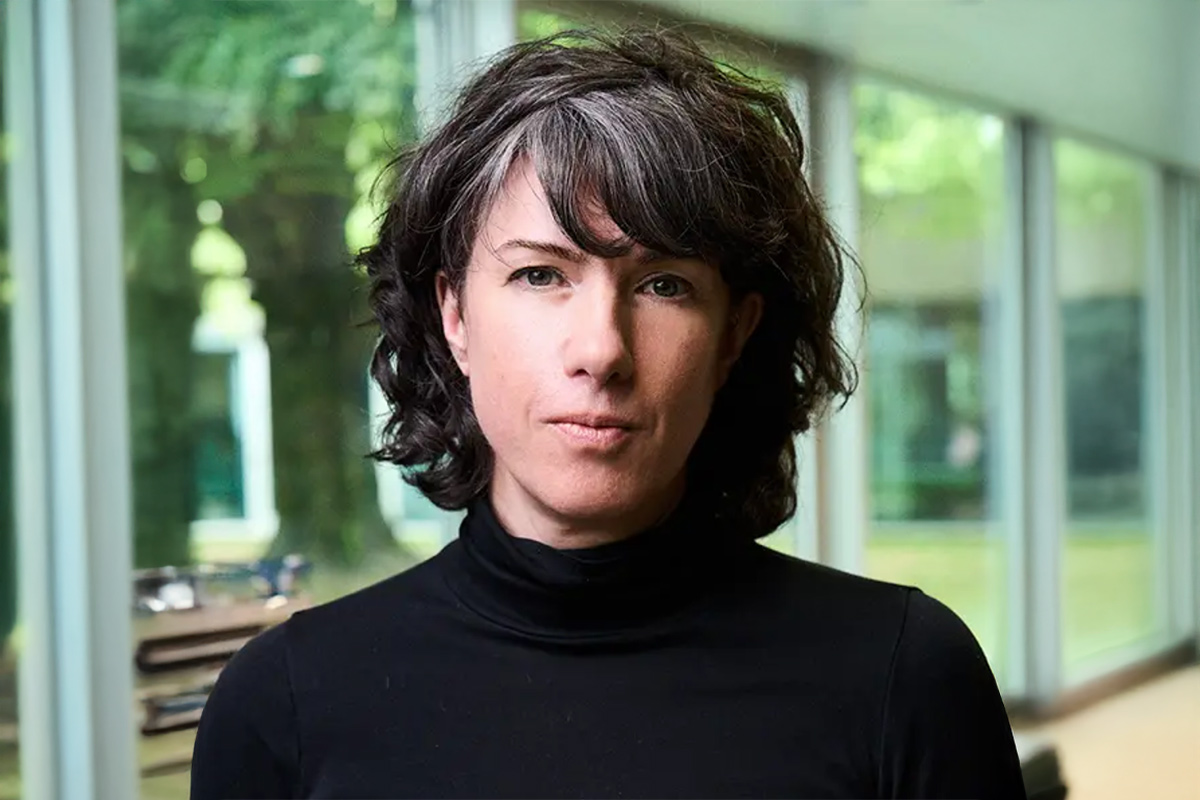
Lead image by Audrey Pridham
By Ahmed Minhas
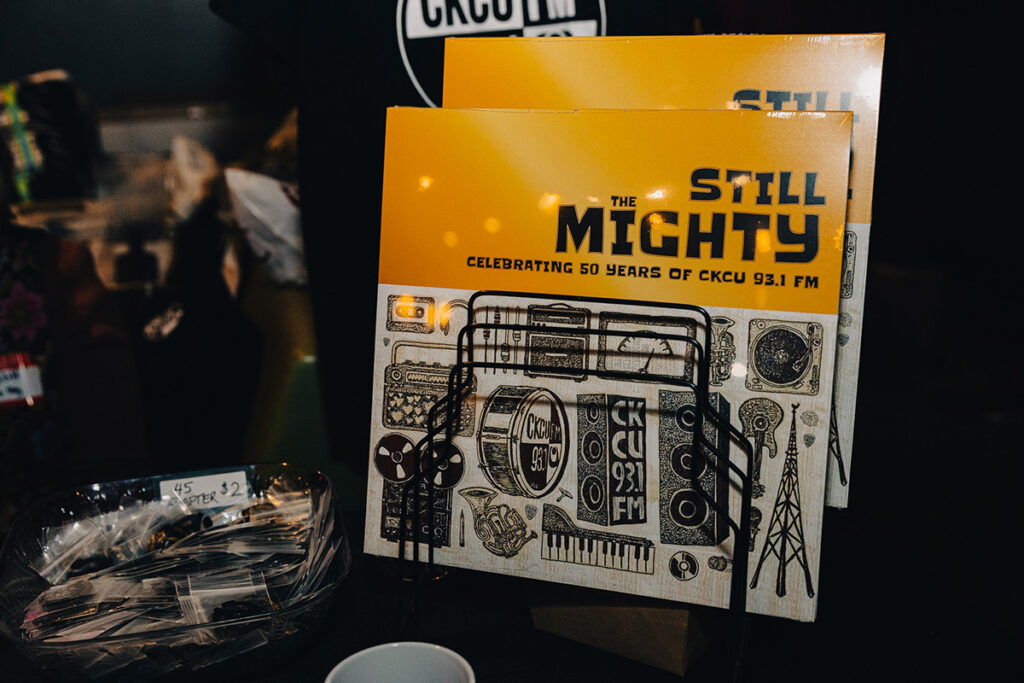
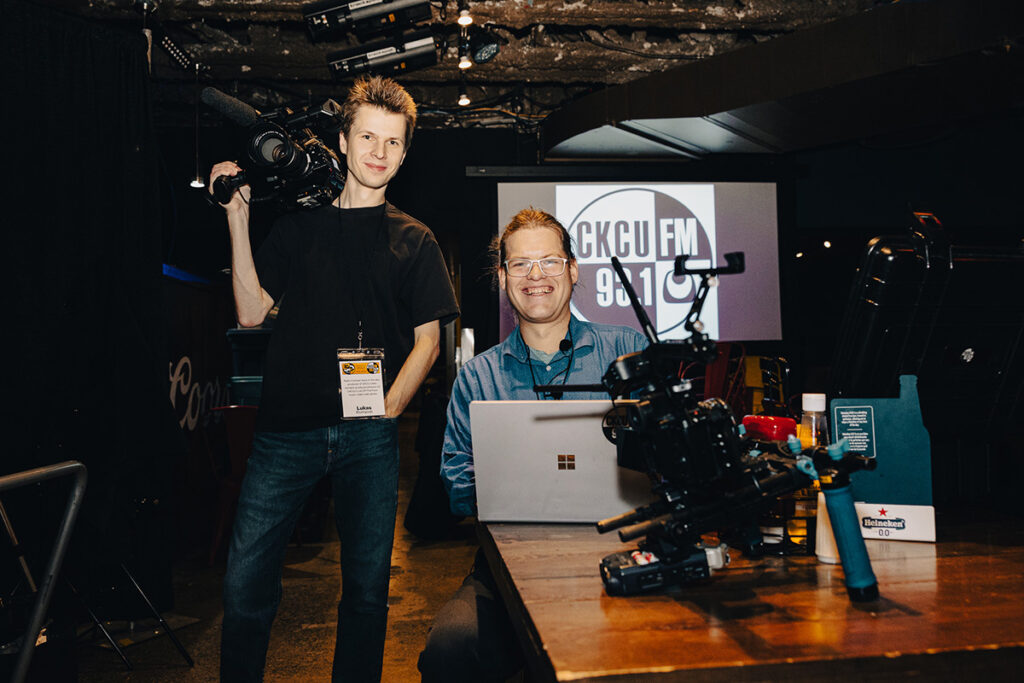
As Canada’s first campus-based community radio station, CKCU 93.1 FM has been a staple of Ottawa-Gatineau’s airwaves for 50 years, amplifying local voices, emerging artists and independent perspectives.
It’s also served as a training ground for generations of Carleton University students, offering hands-on experience in broadcasting, production and technical operations that complements classroom learning — many of whom have gone on to build influential careers in journalism and media.
CKCU counts Adrian Harewood, Ian Mendes and Ken Rockburn among its alumni.
“Local journalism is the heartbeat of democracy,” says station director and Carleton journalism alum, Lia Kiessling.
“We’re non-profit, volunteer-driven and give a voice to people and stories you won’t find anywhere else.”
Volunteer-Driven, Free-Form Radio
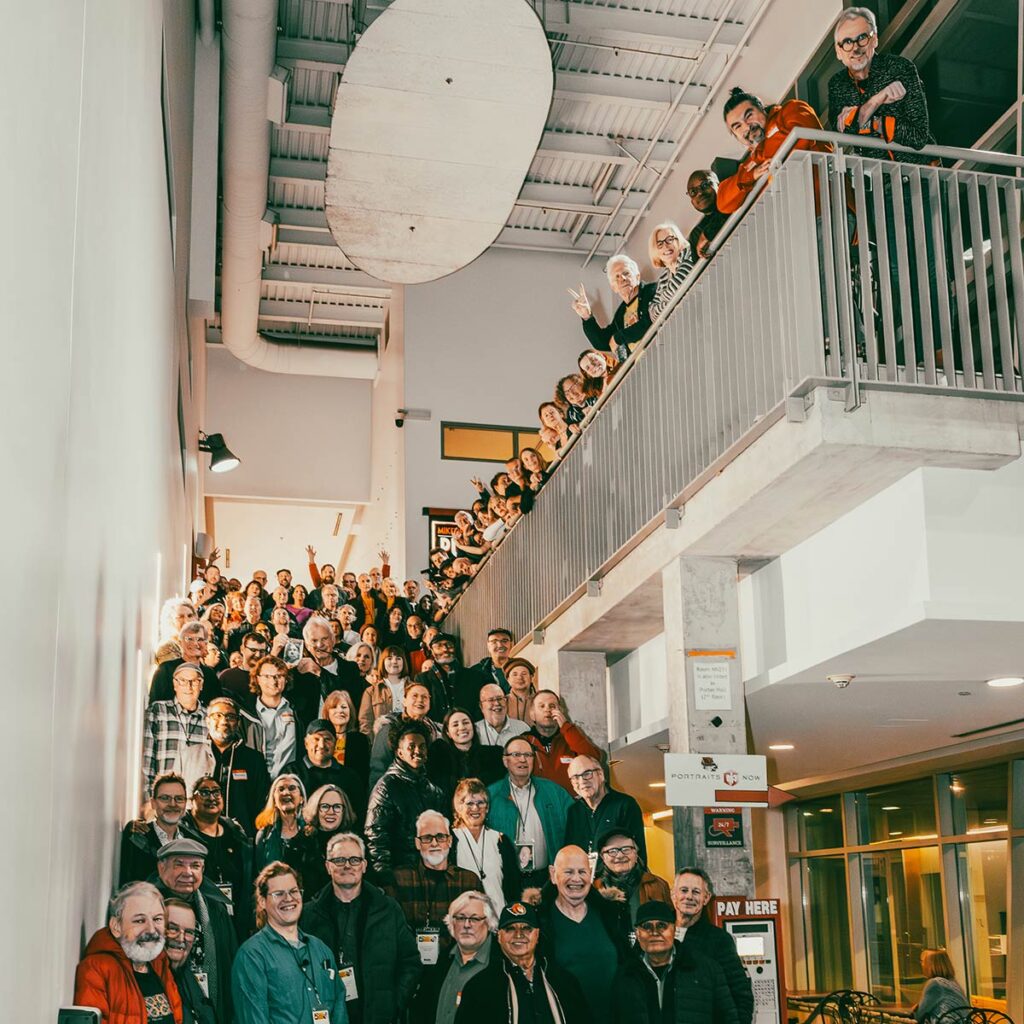
With more than 100 different shows each week — including programs in 14 languages, from general and specialty music to public affairs and spoken word under a free-form format — the station broadcasts on-air, streams online and offers on-demand content.
Supported largely by Carleton students through a levy and supplemented by public donations during its annual funding drive, the station operates with a level of editorial independence that’s uncommon in the existing media landscape.
Free from commercial pressures, that independence gives room for hyperlocal, culturally specific and experimental programming.
“We can offer space and time to people who want to be heard but don’t necessarily have formal media training,” says Kiessling.
“That’s incredibly valuable and it’s made possible by volunteers.”
Kiessling sees independent media as essential civic infrastructure, particularly during an era shaped by algorithm-driven platforms and declining public trust.
“Bringing things back down to a human level is so important and that’s what local media outlets do,” she says. “Canada has public media, private commercial media and then the little guys like us.”
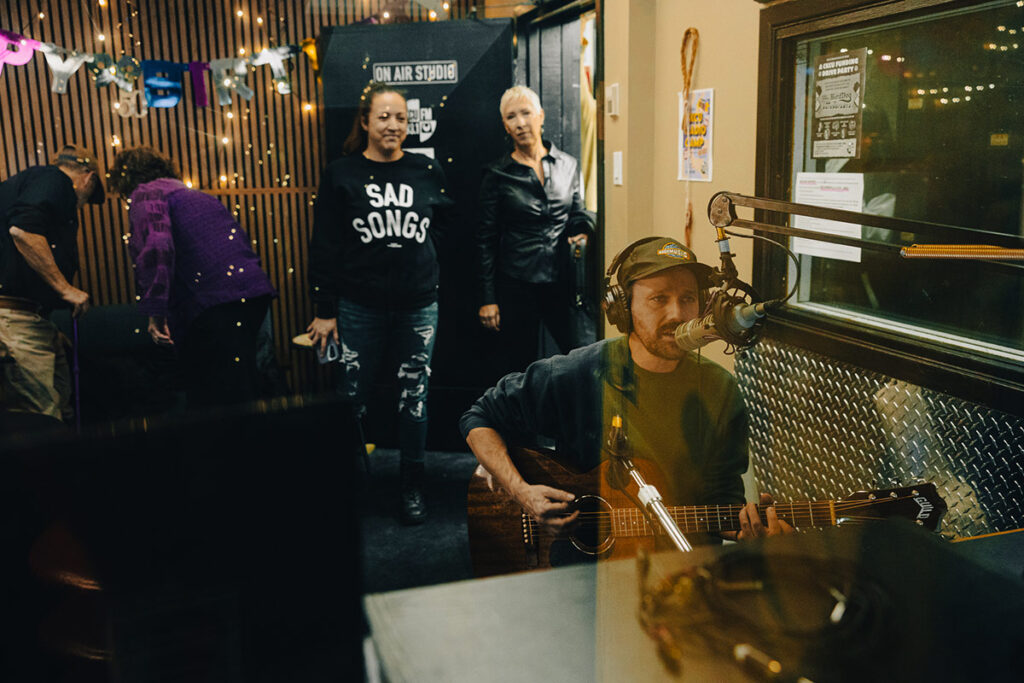
What makes CKCU unique is its openness. It welcomes community participation.
“If you have an idea — whether you’re a student, a neighbour or a community member — you can come in, pitch a story, get trained and eventually get on the air,” says Kiessling.
Independent Media Matters
CKCU and Carleton have a mutually beneficial relationship. The station benefits from a campus home and student support, while student volunteers gain hands-on experience in a live media environment.
Still, independent media remains vulnerable.
In December 2025, University of Ottawa’s radio station, CHUO 89.1 FM, closed its doors due to insufficient funding, following two failed student referendums to maintain its levy.
Online comments from students said they voted against the levy because they didn’t know the station existed or didn’t find it useful, underscoring how vulnerable local media is when awareness and engagement decline.
That was a wake-up call.
“We’ve got work to do with marketing the station internally,” explains Kiessling.
“We’re at this turning point where we need start thinking beyond radio and expand to become a media organization; if we don’t start bringing in younger people and new ideas, the station won’t evolve.”
To maintain relevance with a younger audience, CKCU is investing in future generations through initiatives like its Radio Camp program for children, introducing them to broadcasting and storytelling early on.
“We’re building confidence, encouraging curiosity and teaching how radio works in the real world,” says Kiessling. “Being present on campus and in the community gives us a wealth of opportunity.”
A Live Media Environment
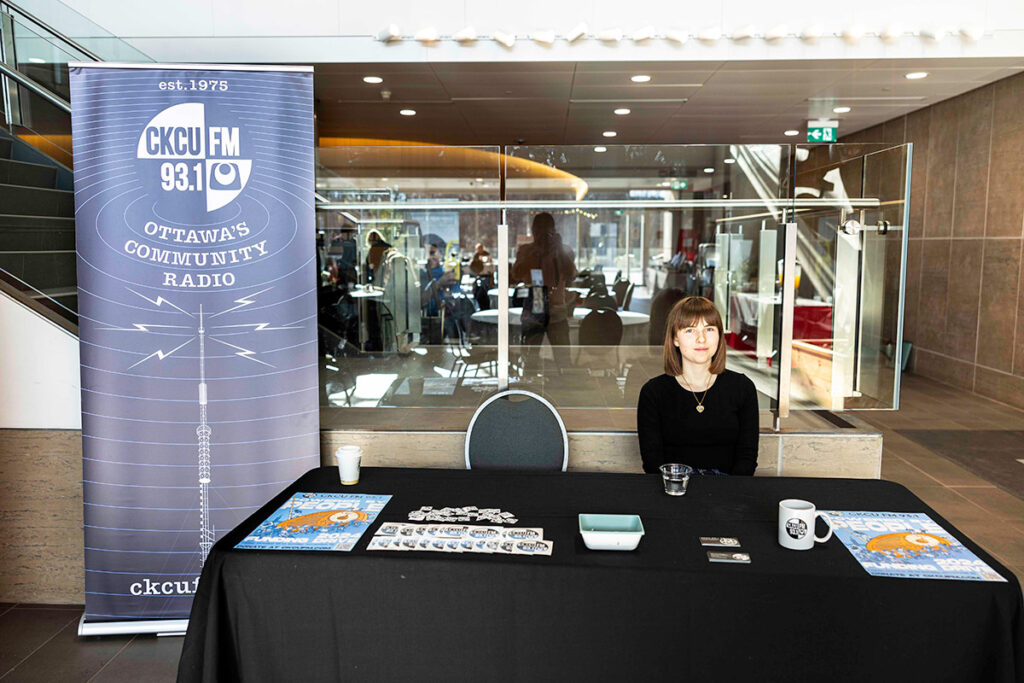
Audrey Pridham first came across CKCU as a child through Radio Camp, an experience that sparked her interest in audio production.
A Carleton journalism graduate now pursuing her master’s, Pridham hosts Daydream Frequencies, a weekly segment featuring dreamy-sounding songs and interviews with emerging indie artists across Canada.
Her goal was to reach students who don’t usually listen to the radio.
“When I looked at the schedule, there wasn’t really a show playing music that catered to my generation,” says Pridham.
“If I wanted more Carleton students to listen, I felt I should create a show that caters towards their interests.”

CKCU became the place where academic learning met professional practice. Pridham developed technical fluency, editorial judgment and audience awareness, skills that extend beyond the classroom.
“It really allows you to think outside the box,” she explains.
“The audio production skills are important: learning proper mic technique, working in Adobe Audition and blending sounds together to create a formula for a show that appeals to listeners.”
CKCU gave her space to experiment, build confidence and develop her voice.
“I had to learn about creating my own brand and building an online presence,” says Pridham. “Successfully doing this gave me the confidence that if I can do this at a university level, it will set me apart in the industry.”
It’s also a space shaped by community and connection.
“It’s a warm and welcoming place,” says Pridham.
“You can just drop in, express what you want to do and be able to do it. It’s an important resource on campus.”
Related Stories
Reimagining Responses to the Refugee Crisis
The geopolitical chaos of the past few years has made life even more precarious for millions of people around the world who have been forced…

Carleton University’s Top 10 Stories of 2025
As the 2025 season comes to a close, we reflect on the groundbreaking research, innovative leadership and inspiring community achievements that defined 2025 for Carleton…
Carleton Anchors International Collaboration Through South Africa-Canada Universities Network
Building on more than three decades of Canada-South Africa academic collaboration, Carleton University is helping formalize a new era of partnership — one that brings…