Carleton’s Joshua Steckley Receives SSHRC Impact Talent Award for Research on Worms, Cows and Capital
Lead image by Pradeep Gaur / iStock
By Ahmed Minhas
Carleton University researcher, Joshua Steckley, has been awarded the 2025 Social Sciences and Humanities Research Council (SSHRC) Impact Talent Award, one of Canada’s highest honours for emerging scholars in the social sciences and humanities.
The award recognizes a current SSHRC doctoral or postdoctoral fellow who demonstrates exceptional research, knowledge mobilization and scholarly impact.

Steckley, a Banting Postdoctoral Fellow in the Department of Political Science, explores how humans use, manage and profit from living things, such as worms and livestock, and how those practices affect both society and the environment.
From Ontario’s bait worm industry to large-scale dairy farming, his research illuminates the often-overlooked relationships between business, biotechnology and agricultural livelihoods, and the contradictions and possibilities within these systems.
This recognition marks Carleton’s second SSHRC Impact Talent Award, highlighting the university’s reputation in attracting exceptional scholars and increasing research strength.
“Receiving this award is an incredible honour,” says Steckley.
“It recognizes the work that I care about. It allows me to continue researching, writing and talking to people so that I can keep doing work that excites me.”
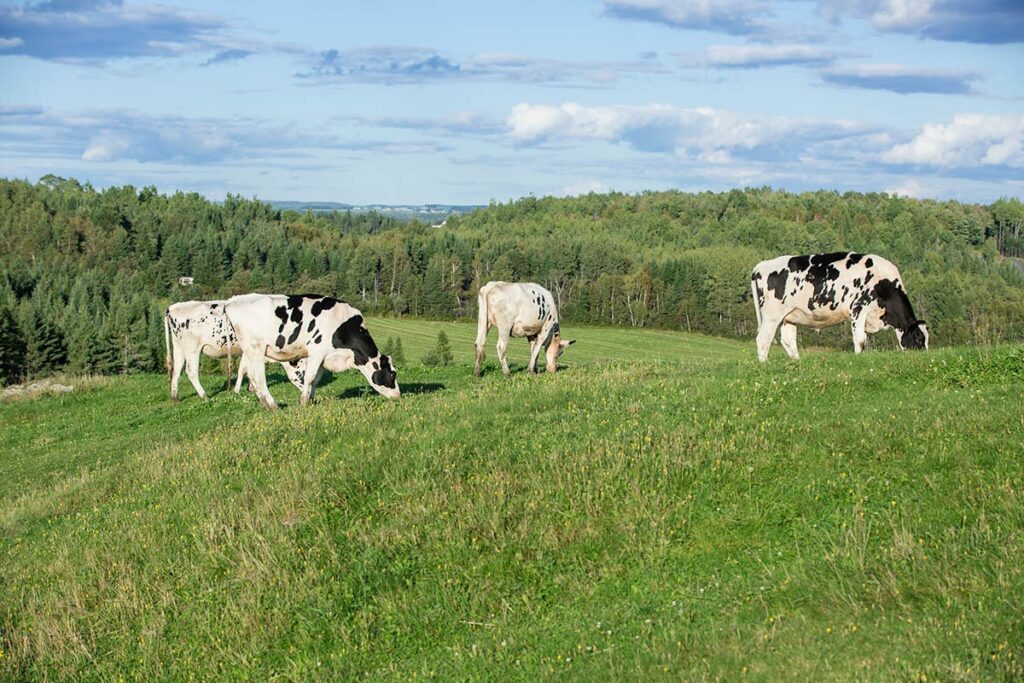
The Link Between Nightcrawlers and Dairy Cows
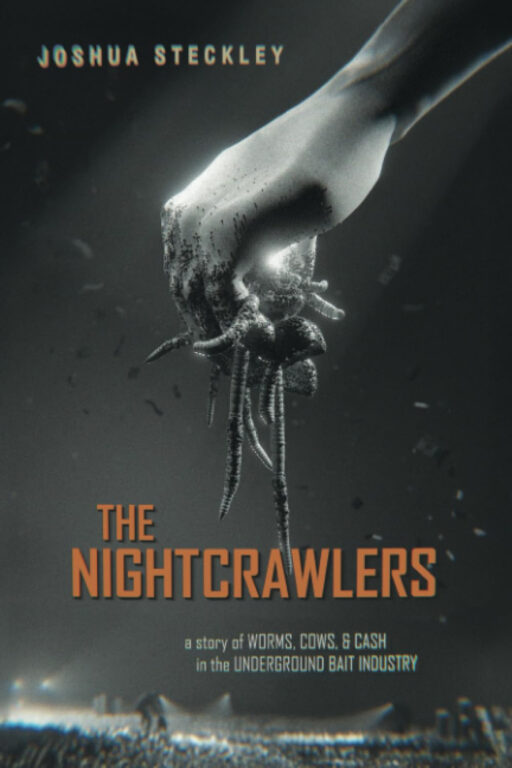
Steckley’s research, which forms the basis of his book, The Nightcrawlers: A Story of Worms, Cows, and Cash in the Underground Bait Industry, offers the first comprehensive study of Ontario’s large-scale bait worm industry.
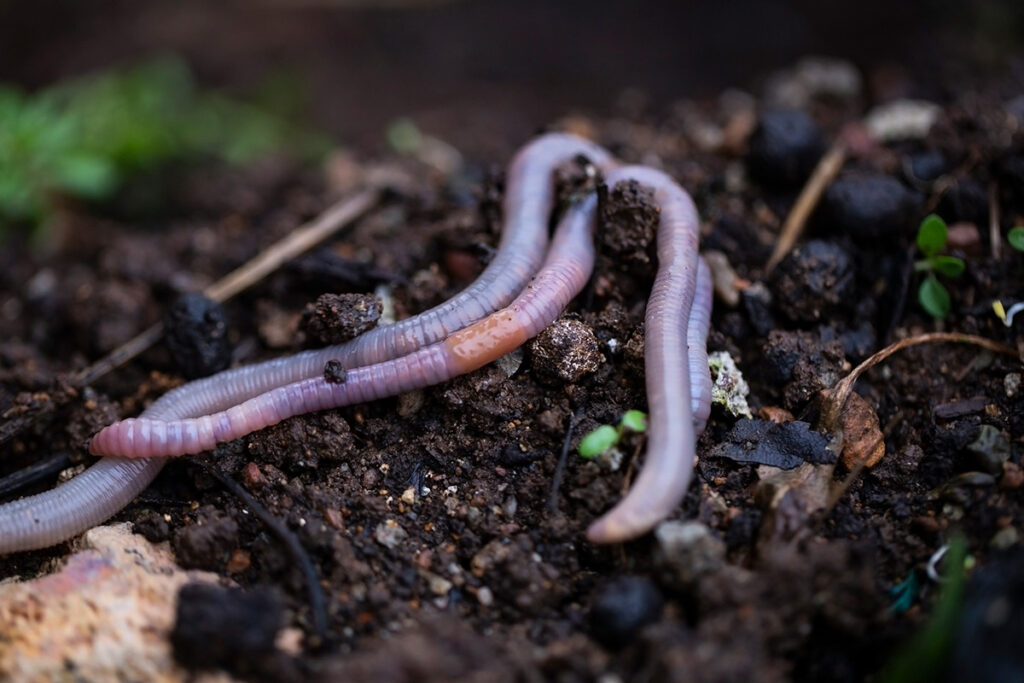
Each year, up to 700 million nightcrawlers (Canadian earthworm) are hand-picked from southwestern Ontario farmland, giving the region its unofficial title as the “worm capital of the world”.
Prior to Steckley’s study, despite its scale and economic significance, almost no academic research existed on the industry.
“I stumbled into bait worm research,” says Steckley. “I saw people picking worms in a field and thought, ‘Has anyone actually studied this?’ Other than a few articles, no one had. That moment completely redirected my work.”
His findings revealed how dairy farming practices, such as cultivating forage crops like alfalfa and applying manure regularly, unintentionally create ideal soil conditions for the large, high-value worms that supply global bait markets. This connection between cows and nightcrawlers led him to investigate the broader, genetics-driven transformations within the dairy sector.
Building on this work, Steckley, as a Banting fellow, is now examining how genomics, robotics and the growing use of data are changing what it means to be a farmer.
Producers now use tools like genome profiles of their cattle, sexed semen to select desired traits in calves and automated milking systems to increase efficiency, signalling a departure from the manual, labour-intensive practices that once defined farm work.
“With genomics and robotics, farming has shifted from the barnyard to the office,” says Steckley. “You’re managing software, data and genetics in ways that fundamentally change what it means to be a farmer.”
His research is also informed by five years spent in Haiti working with local environmental organizations on soil conservation, water access and food security. These experiences continue to shape his work on agricultural livelihoods and food sovereignty.
Recognizing Carleton’s Research Excellence
The SSHRC Impact Talent Award reinforces Carleton’s national profile as a leader in interdisciplinary research that addresses complex environmental, social and economic challenges.
“This prestigious award speaks to Joshua Steckley’s research excellence,” says Rafik Goubran, Vice-President (Research, Innovation and International). “Carleton continues to attract exceptional researchers who advance knowledge and elevate our standing as a strong research-intensive university.”
Steckley’s ongoing work will continue to deepen our understanding of the forces shaping rural economics; from the nightcrawlers beneath Ontario’s farmland to the genomic technologies and selective breeding transforming Canadian dairy farms.
About the SSHRC Impact Awards
The SSHRC Impact Awards celebrate the achievements of Canada’s top leaders, thinkers and researchers in the social sciences and humanities. Finalists embody the best ideas and research about people, human thought and behaviour, and culture — helping us understand and improve the world around us, today and into the future.

Related Stories
Reimagining Responses to the Refugee Crisis
The geopolitical chaos of the past few years has made life even more precarious for millions of people around the world who have been forced…

Carleton University’s Top 10 Stories of 2025
As the 2025 season comes to a close, we reflect on the groundbreaking research, innovative leadership and inspiring community achievements that defined 2025 for Carleton…

Transforming the Justice System in Indigenous Communities
Three times a year, a temporary courtroom is set up in the community centre in Kawawachikamach, a Naskapi Nation community more than 500 kilometres north…