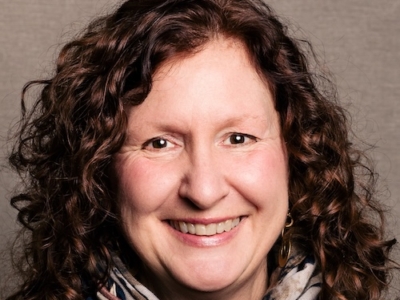
Freda Uwa
By Freda Uwa, National Executive Director of Independent Living Canada, an article that’s part of PANL Perspectives‘ series, Making Canada Accessible.
At ILC, we’re committed to creating a society where people with disabilities can participate fully and equally in all aspects of the life they choose. As a national association representing 24 Member Centres across the country, we champion the Independent Living philosophy – one that’s human rights-based, person-centred and -led, and focused on self-determination. Our core strategies and supports are designed not simply to reduce barriers, but to dismantle systems of exclusion and to foster long-term accessibility and inclusion for all Canadians.
Strategies and supports at ILC
ILC deploys a multi-tiered approach. At the heart of our strategy is peer support. Programs are delivered by and for persons with disabilities, recognizing the expertise that comes with lived experience. Our Centres also provide information and referral services, tailored to local contexts, to help individuals connect with community supports, housing, employment and accessible transportation. Although our Centres are alike, they remain unique in their service delivery.

ILC’s Festival and Event Accessibility research asserts that people with disabilities are the experts in accessibility and inclusion for public events.
Additionally, ILC continues to build the capacity of staff, members and invested entities. We incorporate accessibility reviews, audits, community consultations and inclusive program design across all our initiatives. We also actively participate in federal policy development and knowledge exchange initiatives, ensuring our lived realities inform legislation such as the Accessible Canada Act.
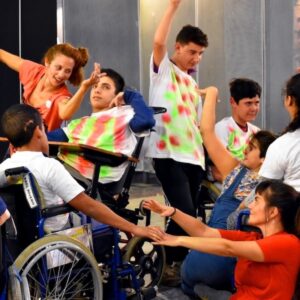
A critical component of our strategy is partnering with cross-sector organizations, from government agencies and nonprofit organizations to academic institutions, to ensure disability inclusion is embedded across planning, delivery and evaluation frameworks. For example, our current project, Enhancing Social Cohesion by Creating Accessible Festivals and Events for People with Disabilities, has seen strong collaboration and innovation.
Obstacles and responses
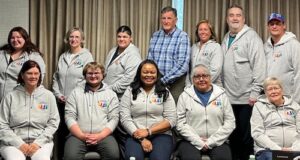
ILC promotes shared learning networks where Centres exchange strategies and advocate collectively for local change using consistent messaging and data.
One of the key obstacles we face is the inconsistent application of accessibility standards across jurisdictions. This is especially challenging for a national organization like ours, where each of our 24 Centres operates within different municipal, provincial and territorial frameworks. While one may benefit from strong provincial accessibility legislation, others may struggle with a lack of localized policies or enforcement mechanisms.
To overcome this, ILC promotes shared learning networks where Centres exchange strategies and advocate collectively for local change using consistent messaging and data. We’re also in the early stages of developing a scalable Youth Accessibility & Community Urban Wellness Toolkit, to be replicated in Canadian cities. This initiative is led by our Youth Advisory Council and reflects our long-term investment in capacity-building.
Another persistent barrier is attitudinal stigma, which remains deeply rooted in many systems and structures. In response, ILC prioritizes public enlightenment campaigns through social media. We also promote leadership development and self-advocacy among persons with disabilities that foster resilient self-awareness and empowerment.
Openings and enabling moments
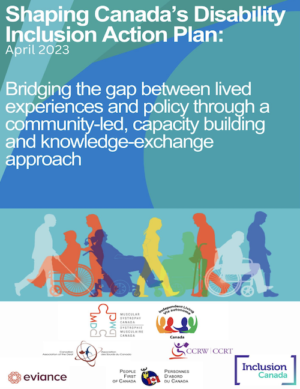 ILC has frequently been asked to provide insight on inclusion and barrier reduction, as guided by our Disability Inclusion Action Plan. The opportunities that arise are a direct result of our consulting meaningfully with persons with disabilities to develop actionable solutions and recommendations for removing barriers.
This is also the core advice we offer other organizations: do not rely solely on internal expertise. True progress requires honest, respectful consultation with persons with disabilities.
Most recently, our national project on festivals and events, along with our contribution to the Civil Society Parallel Report on the UN Convention on the Rights of Persons with Disabilities, has further expanded our reach and impact.
Beyond these efforts, our daily reality is one of enabling change. According to Statistics Canada (2022), 27% or 8 million Canadians aged 15 and older, live with one or more disabilities that affect their daily activities. To me, this is a wake-up call. Accessibility is not a niche issue – it’s for all of us.
Lessons for other organizations
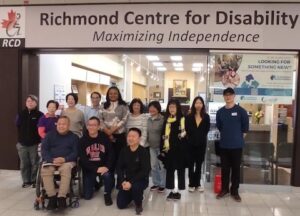
“Our advice is simple yet powerful: listen, learn and lead with humility. Accessibility isn’t about a final destination. It’s a journey. Ask yourself: Who’s missing from the room? Whose voices are not being heard? Then take intentional steps to bring those voices in.”–Freda Uwa
We’ve learned that accessibility must be built from the ground up and the inside out. It’s a mindset, not a box to check. Organizations that engage in true co-design with persons with disabilities and who invest in long-term relationships, rather than short-term solutions, make the most meaningful progress.
Another key lesson is the importance of shared language and frameworks. By creating common best-practices guides, audit tools and peer-training resources, we’ve enabled consistency while allowing for local flexibility. This model of centralized support with decentralized implementation can benefit any organization working in diverse contexts.
Advice for persons without disabilities
Read the other stories in PANL Perspectives’ “Making Canada Accessible” series, led by Daryl Rock and Calum Carmichael, in which charitable and nonprofit organizations outline their work in advocacy, barrier reduction and increased accessibility.
Our advice is simple yet powerful: listen, learn and lead with humility. Accessibility isn’t about a final destination. It’s a journey. Ask yourself: Who’s missing from the room? Whose voices are not being heard? Then take intentional steps to bring those voices in.
In workplaces, conduct accessibility audits and seek feedback directly from people with lived experience. Where needed, collaborate with experts or user-led organizations to test and refine inclusive practices. In your neighbourhoods, champion access to shared spaces. For yourselves, seek awareness. When we begin to see accessibility as a shared responsibility, we move from compliance to community — and from dependency to independent living.
Photos are courtesy of ILC. Independent Living Canada is on LinkedIn, as is Freda Uwa. Freda is a leader with extensive experience in accessibility, mental health and project management, informed by her lived experience and professional expertise. Her leadership within the Independent Living Canada network brings a forceful voice on behalf of all Canadians with disabilities.
Sign up for PANL Perspectives, MPNL’s free newsletter
Tuesday, July 8, 2025 in Accessibility, For homepage, News & Events
Share: Twitter, Facebook