The Ethics of Disaster Research
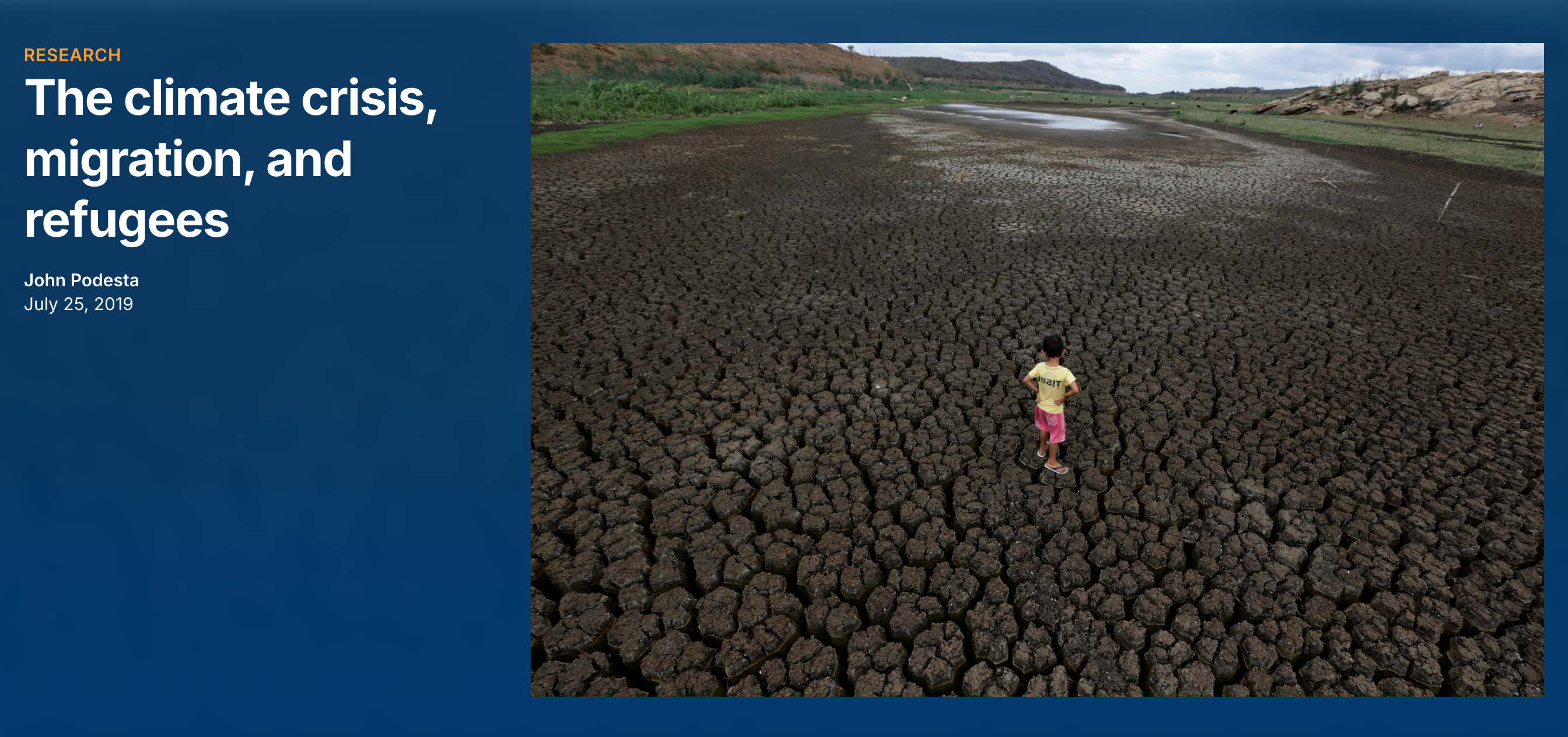
As earlier posts have noted, the seeds for the Disaster Lab research project were planted before the Covid-19 pandemic. They emerged out of an observation, and a concern, that the bulk of the research and the discourse on climate change refugees or environmental refugees emphasized movement within and from the Global south to the Global north. These discussions seemed to run counter to the more general discourse on climate change, which emphasizes that this is a phenomenon that affects us all, albeit unevenly.
The project’s original goal had been to conduct oral history interviews with those who had experienced displacement in Canada to better understand life in their communities, before, during, and after their forced movement. In keeping with some of the foundational principles in Social History, the project sought to learn from the lived experience and perspectives of those most affected.
Just as we began the project, however, the Covid-19 pandemic hit. Living through the pandemic changed everything. The very idea of reaching out to a community to ask about life in disaster seemed unconscionable given the strains that navigating the pandemic placed on individuals, families, and communities. Researchers and potential interviewees alike were living through the extremes of the pandemic. As a result, there was a depth of understanding, based on our own varied experiences in terms of family and employment circumstances, about what it would feel like to be interviewed about a difficult topic during difficult times. Swooping in to talk about displacement and disasters was a non-starter.
The implications of the decision not to pursue oral history interviews about displacement and disaster reverberated in several ways.
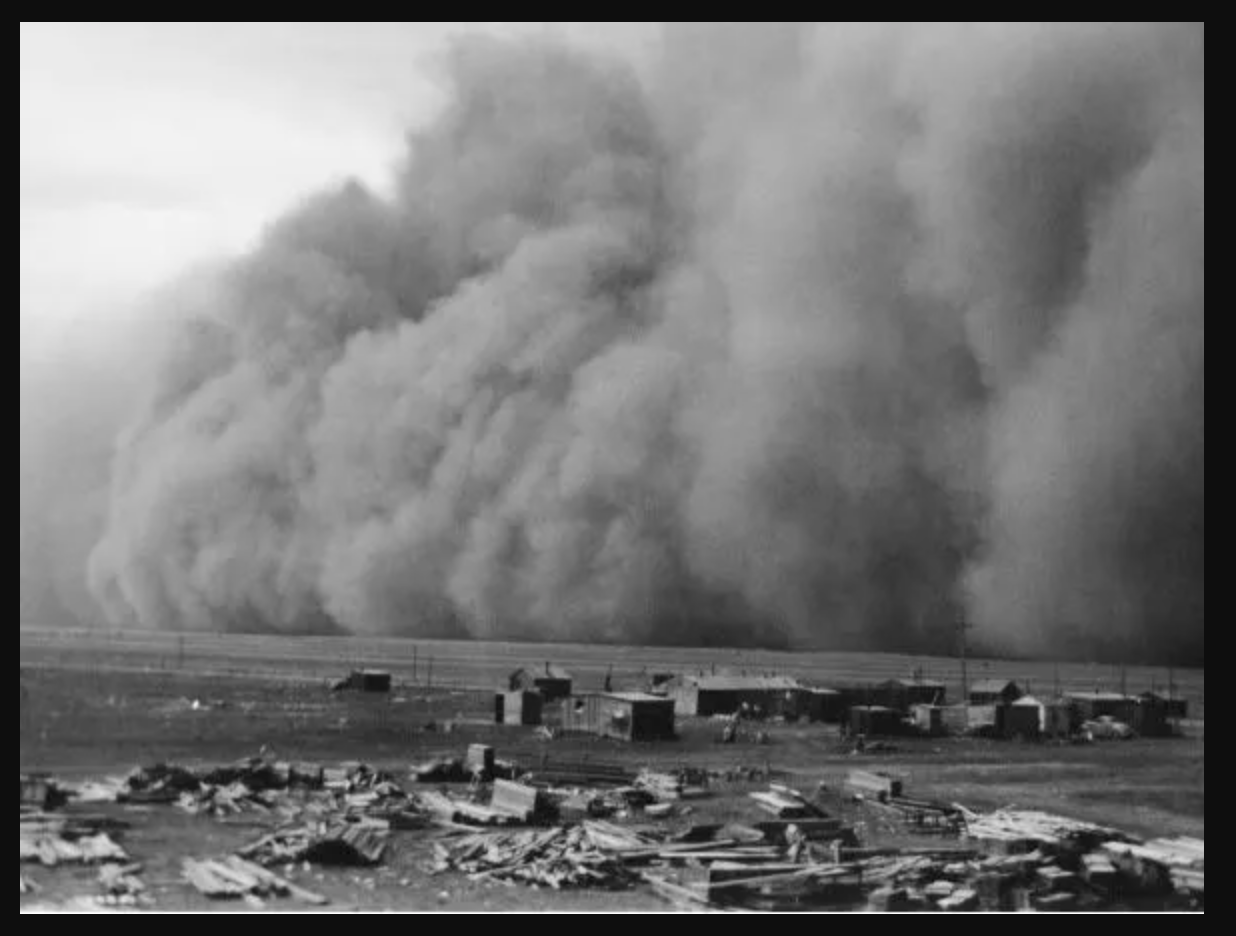
The premise for the project shifted to consider historical instances of displacement within Canada as a result of environmental disasters and climate change. One example is the thousands of people who moved or relocated from the Prairies during the “Dust Bowl” drought conditions of the 1930s. Using information in the Canadian Disaster Database, the project documented over three hundred discrete disasters within Canada that resulted in some form of displacement, evacuation, or relocation. Many of these were the result of environmental disasters including flooding and wildfires.
The other concerning dimension was a trend we observed from an initial overview of the evacuation events we identified in the Canadian Disaster Database. Namely, the vast majority of communities affected by environmental factors and displacement were Indigenous. There were repeated examples of displacements in the Northwest Territories, Manitoba and Ontario as a result of flooding. This finding should perhaps have been obvious even in the early planning stages of the project given the extensive history of forced relocation, displacement, and containment of Indigenous peoples on reserve lands, which were often located in environmentally vulnerable areas. Nevertheless, this particular finding raised alarms about proceeding with oral history interviews given the many, and repeated interventions by Indigenous communities and scholars about academic research that is extractive in nature.
At the most basic level, the pandemic context raised the question of whether it ever would have been, or would be, appropriate for researchers to approach a community with the express purpose of researching their experience of disaster and displacement. This question goes beyond the notion of collaborative research, where researchers work in tandem with community members to develop research protocols and methods. As generations of scholars have demonstrated, this approach is crucially important for addressing power inequities inherent in academic research partnerships where the perceptions of expertise and authority can lead to research projects that ignore or disregard community interests. Collaborative research projects aim to correct this imbalance, however, they are not unproblematic. As Linda Tuhiwai Smith has observed of collaborative research projects undertaken by non-Indigenous scholars with Indigenous communities, collaborative approaches can sometimes impose colonizing, disciplinary approaches to research rather than recognizing “Indigenous values, attitudes, and practices”. Collaborative research, though intended as a partnership in spirit, can often be uneven and even harmful in practice.
These general observations alongside a series of ongoing reflections led to a fundamental shift in the Disaster Lab’s approach to studying the history of environmental displacement in Canada. Rather than creating oral histories with communities, we are creating historical resources (largely through the blog posts, resources, and maps on this website) with communities in mind. Our revised goal is to document the extent of displacement in Canada and to theorize thematic connections, which we hope will be useful for communities who may wish to pursue their own research on these topics in the future.
This approach is in keeping with the that foregrounds the lived experience and narratives of individuals and communities who have been marginalized by dominant society and nation-building narratives that facilitate the inclusion of some stories and perspectives and, relatedly, perpetuates the exclusion of others. Rather than tell other people’s stories, however, with a view to correcting or clarifying existing narratives, the Disaster Lab aims to create different kinds of foundations from which community research can build. Based on the research and reflections we have pursued over the past few years, we can see how research foundations can encourage and inspire community members to ask their own questions about their histories and pursue their own projects. With this approach, the project returns to the notion that knowledge or as the title of Keith Basso’s acclaimed study suggests “wisdom sits in places”. We layer this with the understanding that not all knowledge needs to be shared for public consumption. Rather, knowledge can and often should live in community.
– Laura Madokoro