Managing Your Money: Building Your Financial System
Everybody is different. Our needs, wants, and goals are all unique. There is rarely a one-size-fits-all solution to managing your money. This is why it’s useful to ensure you understand the financial systems we have to work with, the financial tools that can be used, and that you’re ready to take action to start managing your money.
Budgeting is foundational in financial literacy and general money management advice. It’s a fundamental tool because it creates a plan that helps set financial control, create financial stability, and plan for future goals. By preparing a budget we have a guide to compare reality with our plans.
Admittedly, starting a budget can be a bit daunting. It’s often perceived as boring, complex, restrictive, and can sometimes make us feel guilty. However, by trying out different methods of budgeting, we can start to personalize and evolve them to create our own financial system that best fits our individual goals, lifestyle, and spending habits.
Trying the Tools: Starting a Budget
To begin creating a personal financial system, the first step is to assess the current state of our finances. Where are you starting? A budget is the best way to clearly see where you are, where your money is currently being allocated, and where there are opportunities for improvement.
Starting a budget can be a simple written record comparing your income versus spending over a specific period (e.g. monthly). If you feel comfortable going beyond a basic assessment, there are several structured strategies available to consider for different personal goals:
The 50/30/20 Budget
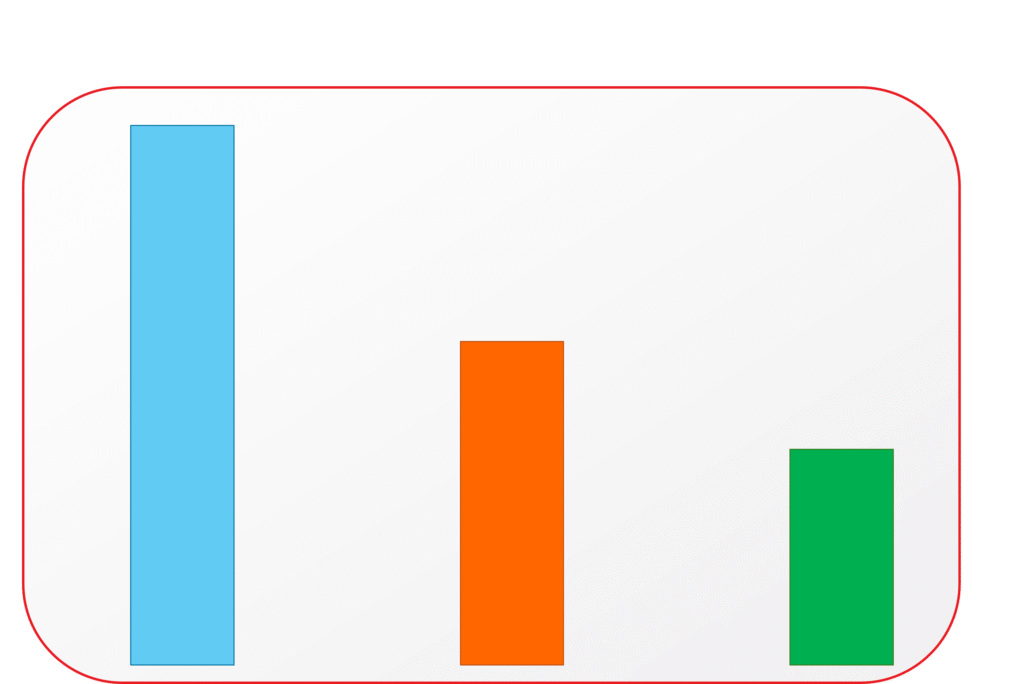
This budget is built on the plan that 50% of our income should go to your needs (e.g. rent, groceries), 30% to your wants (e.g. entertainment, dining out), and 20% should be allocated to savings.
Zero-Based Budget
This budget is based on a plan that allocates every single dollar of your income to a specific expense leaving you with a $0 balance. This method ensures that you have a plan for each dollar you have.
Envelope Budget
This budget takes your money and puts it into envelopes which represent different categories. Once the money in that envelope is used, you can no longer spend within that budget category until the next month. Remaining funds can be rolled over to the next month, put into savings for a later date, or transferred to a different category.
Pay Yourself First (the Anti-Budget)
This budget is based on a plan where you pay yourself by depositing a pre-determined amount of money into a savings account every month. The rest of your money can then be allocated to your bills, and the remainder can be used however you would like.
By implementing any one or combination of these budgets, you gain insight into your current financial standing. This helps you understand which spending categories are challenging, and which are being managed well. This financial assessment can be completed as frequently as needed. Since your priorities, lifestyle, and income will naturally change over time, staying in tune with your budget helps ensure you always have room for the things you need to pay for and for the things we have determined we want to make room for.
Challenge Yourself: Finding Your System
Once your budget is established and you have assessed your current financial state, you can begin to challenge yourself to improve your spending. The methods are endless. The key is to experiment to find what works for you, what is fun, and what is motivating.
These small challenges are powerful because they can lead to new, small habits that can have a major, lasting effect on your long-term financial life. By committing to a short-term personal financial challenge, you can also leave behind what didn’t work.
The Financial Consumer Agency of Canada (FCAC) is a government agency that aims to protect consumers and strength Canada’s financial literacy. For Financial Literacy Month 2025, the FCAC is hosting it’s own interactive challenge, the “Stretch $15 Challenge”. The challenge invites people to show how they stretched their $15 and to challenge people to talk about money and share ideas.
Here are some other ideas to try:
- No-Spend Calendar Challenge: pick a thing that don’t want to spend money on for a month, such as coffee. For every successful day, add a sticker. Visualizing your progress can be a good motivational tool.
- Campus Card Allocation: Load a fixed, pre-determined amount of money for the month onto your campus card for all on-campus purchases for a month.
- Accountability Vlogging: If you are comfortable, record a quick, weekly spending review for your closest friends or a private group to help you stay accountable to your goals.
- The 52-Week Savings Challenge: Save $1 in Week 1, $2 in Week 2, and so on, for a total of 52 weeks. By the end, you’ll have saved over $1,300 without a massive commitment in any single week.
- The Online Off-Limit Challenge: For a full calendar month, commit to doing all your shopping in person at brick-and-mortar stores. This adds an element of inconvenience to your shopping, which can significantly help you avoid impulse buys, do without things you don’t need immediately, and generally spend less money. It also helps avoid complicated return policies that can also result in sunk costs.
Creating Your System
Experimenting with different strategies for a short period of time can help you determine what works for you as a potential life-long habit and what is unrealistic. You may find that you thrive with the support of community, with the help of your friends holding you accountable, or by making small incremental adjustments to your habits. By using financial tools, and taking action through experimenting with different uses of these tools, you can determine and refine the structure of your own personal financial system.