The Hidden Risk of Artificially Intelligent Grids: AI Adoption Demands a Manual Fallback Strategy
By Rob Denaburg and Dylan Odd (NC-CIPSeR Research Fellow)
As AI adoption increases the electricity sector’s reliance on automation, grid operators must deliberately preserve the skills and expertise necessary to reliably maintain operations if AI systems are unavailable or cannot be trusted.
Artificial intelligence is already reshaping how utilities manage the grid and its supporting infrastructure.[1] The efficiency gains are real; so too are the pressures driving adoption. As rising electricity demand, integration of renewables, aging infrastructure, and transmission bottlenecks necessitate an evolution of electric systems, grid operators have no choice but to get “smarter” about how they manage power flows.
Increased integration of artificial intelligence for grid operations is one path to getting “smarter,” but it also poses emerging risks. One potential risk is the longstanding human-factors problem associated with increasing automation – in this case, operational dependency on AI.
Put simply: how can utilities ensure they will be prepared to manage their systems if the AI they rely on becomes unavailable?
While this is an important consideration for the electricity sector, it has implications for society more broadly. Given the electric grid’s central role in supporting other critical infrastructure systems, power outages also create significant interdependency risk. A major disruption to electricity can cascade across sectors and interrupt the lifeline services Canadians rely on for public health and safety, economic activity, and national security.
Read the full 8-Page article: The Hidden Risk of Artificially Intelligent Grids: AI Adoption Demands a Manual Fallback Strategy
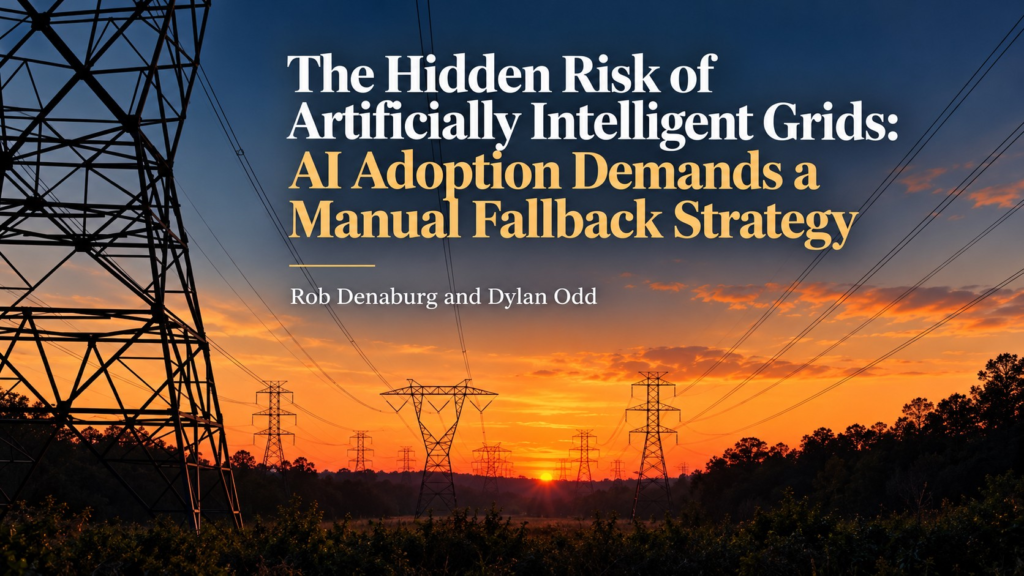
Image: AI-generated with ChatGPT by OpenAI for NC-CIPSeR, 2026.
[1] IBM Institute for Business Value, Utilities in the AI Era: Powering Ahead to a Smarter Future (IBM, 2025).
Rob Denaburg is a Senior Manager in the American Public Power Association’s cybersecurity program, where he works with municipal electric utilities to strengthen cybersecurity and resilience. Previously, he served at the Cybersecurity and Infrastructure Security Agency (CISA). His work focuses on critical infrastructure security, systemic risk, and the broader economic and national security implications of infrastructure disruptions.
Dylan Odd is Director of Parliamentary Affairs at the Senate of Canada and a Senior Research Fellow at the National Centre for Critical Infrastructure Protection, Security and Resilience. His work examines the implications of emerging technologies for critical infrastructure, with a particular interest in parliamentary oversight, interdisciplinary collaboration, and the role of standards in managing technological risk.