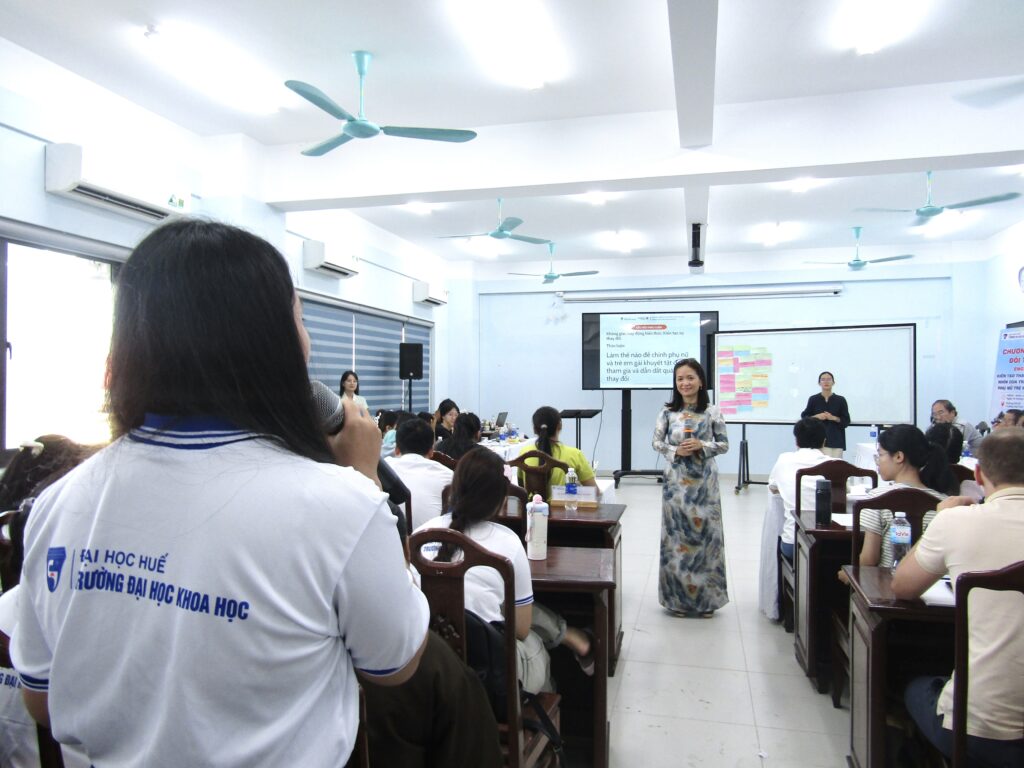
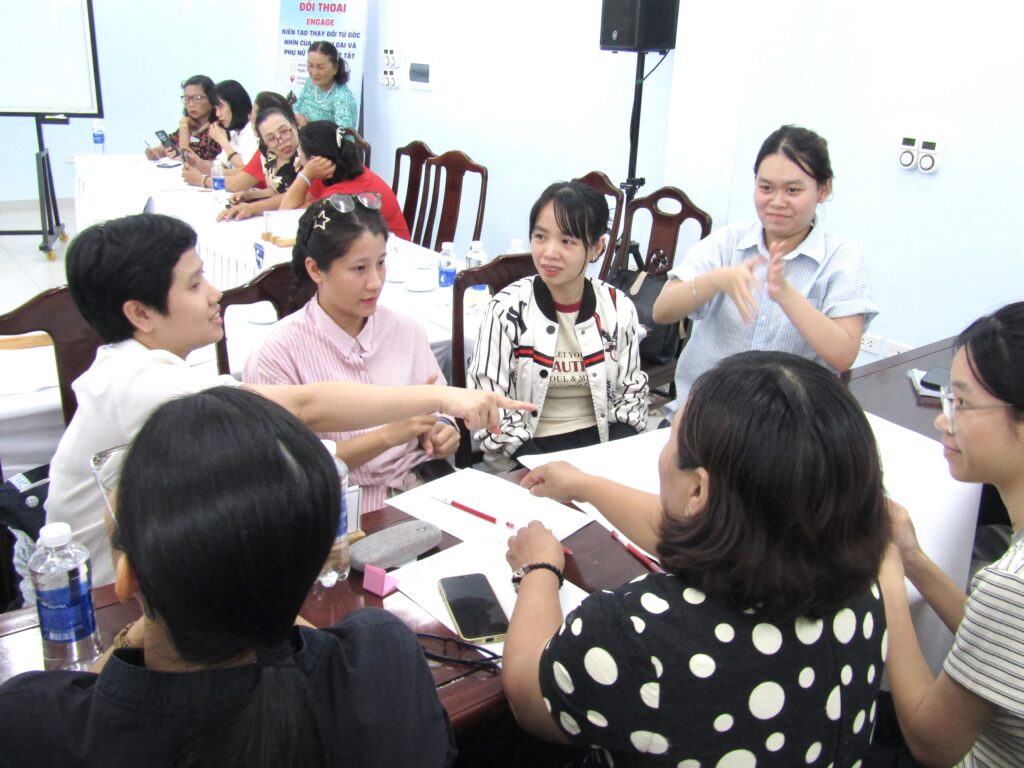
Exhibition in Vietnam – Voices from the Global South: Girls and Women with Disabilities Creating Change
On October 18, 2026, the exhibition “ENGAGE – Creating Change from the Perspective of Women and Girls with Disabilities” was successfully hosted at the University of Sciences, Hue University. Co-organized in partnership with Carleton University (Canada), the event brought together researchers, faculty members, students, community members, and representatives from various Organizations of People with Disabilities.
The event provided an open platform for connection, dialogue, and story-sharing—amplifying the voices, lived experiences, and unique perspectives of women and girls with disabilities. Discussions focused on identifying daily barriers and defining social changes required to foster truly equal community participation.
Highlights
- Exhibition Tour: Attendees explored creative works showcasing the stories, voices, and messages of young women and girls with disabilities, offering deep insights into their lived experiences.
- Project Reporting: Research team shared key insights from the ENGAGE project.
- Community engagement: Participants collaborated to identify physical, social, and systemic barriers; outline key priorities for change; and propose practical solutions for a more inclusive and accessible environment.
- Networking: Stakeholders exchanged expertise, linked vital resources, and established actionable strategies to drive meaningful inclusion.
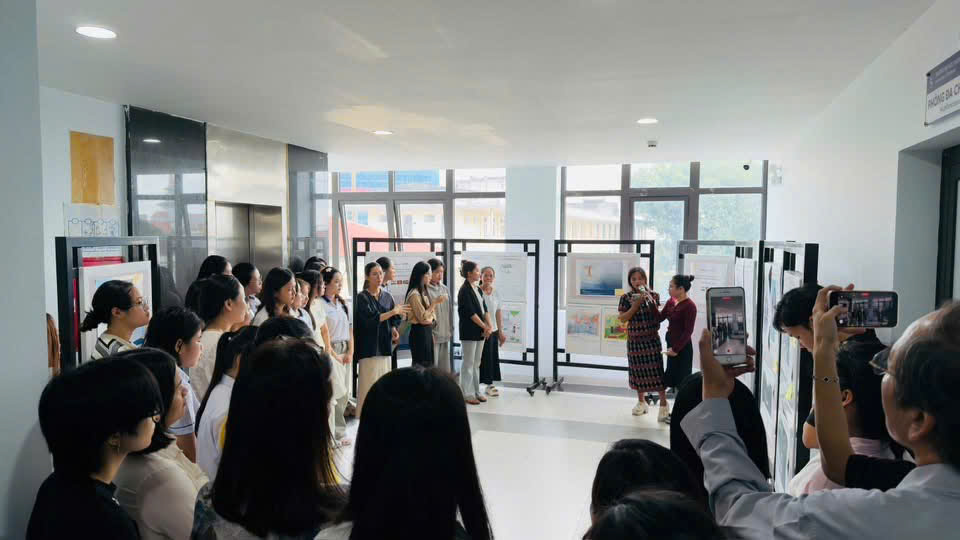
One of youth leaders in A Luoi shared about her participation in the ENGAGE project: “We have become much more confident. We are now able to express our own opinions more freely and connect with others. During the activities and advocacy process, we connected with one another, shared our experiences, and raised a common voice for women and girls with disabilities… So, after the project ends, I hope that its results will not just remain in a report. I hope that this report will lead to real changes in people’s lives, and that the voices of women and girls with disabilities will be heard more, respected, and included in policy solutions, so that real changes can take place.”
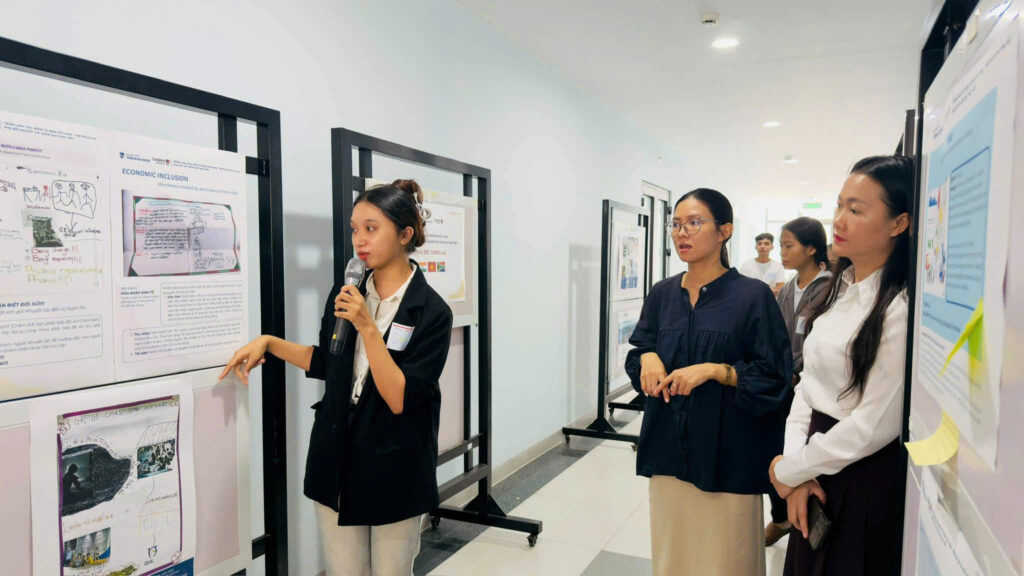
The event also prompted audience to rethink how research is done. Reflecting on the event, one Social Work student shared: “What impressed me the most is that, usually, when people conduct research, they come up with solutions for the people they are working with. But this project did not do that. This research has changed the way I think about the research I have done before. Instead of doing things for people, we should work with them. I hope the value of this research can be shared more widely and reach different groups of people around the world.”