Past Event! Note: this event has already taken place.
Global South Perspectives on Internally Displaced Persons (IDP)
February 13, 2025 at 9:00 AM to 10:30 AM
| Location: | Zoom |
| Cost: | Free |
| Contact Email: | lerrn@carleton.ca |
The webinar time is indicated in East Standard Time.
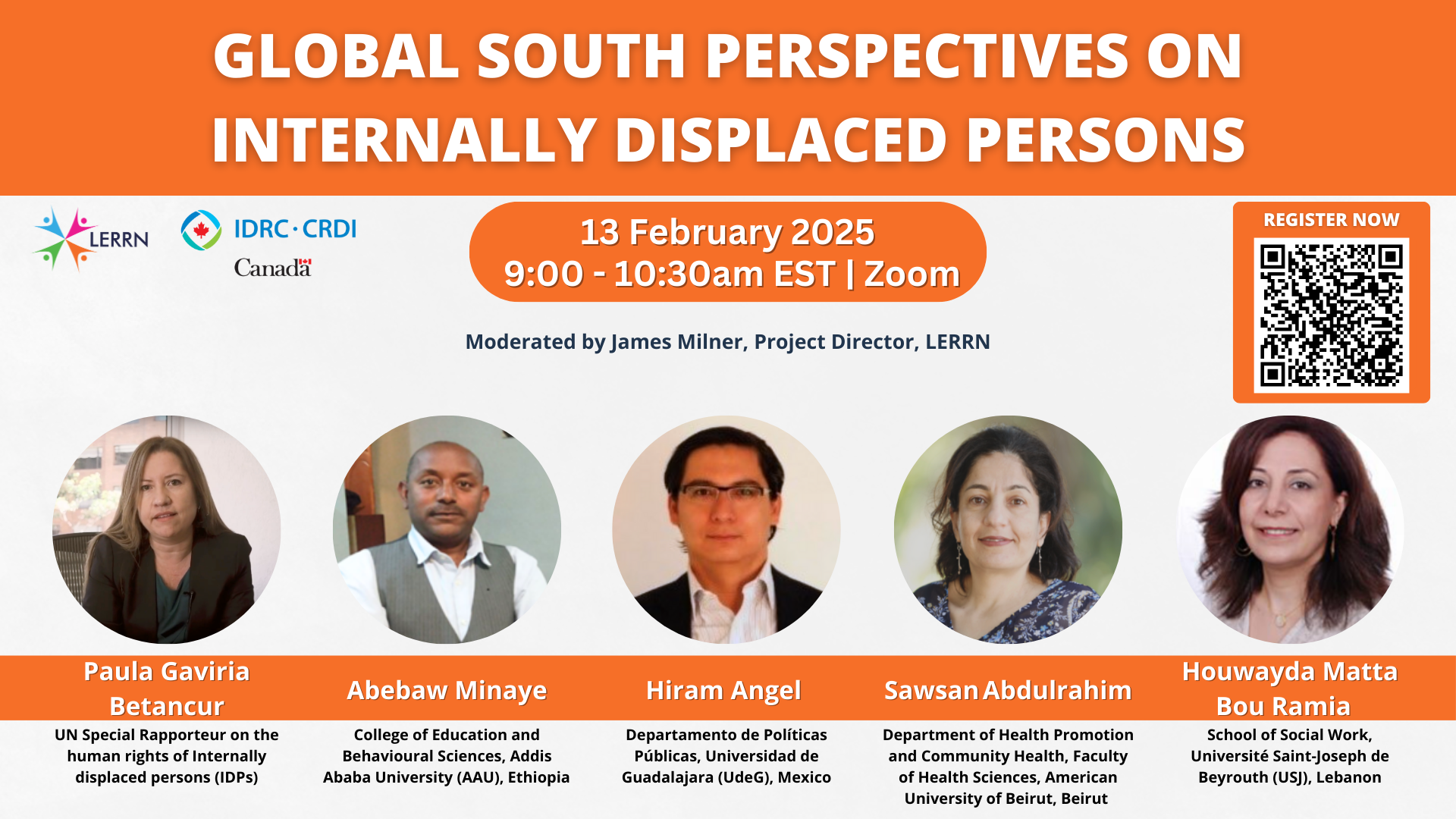
In July 2023, the Special Rapporteur on the human rights of internally displaced persons, Paula Gaviria Betancur, presented Report of the Special Rapporteur on the human rights of internally displaced persons, which provided her Vision and thematic priorities: addressing new challenges and consolidating gains1. The report presents its mandate on strengthening international responses to the complex problem of internal displacement, including with respect to mainstreaming the human rights of internally displaced persons in the United Nations system, coordinating international advocacy and action and maintaining a continuous dialogue with Governments and intergovernmental, regional and non-governmental organizations.
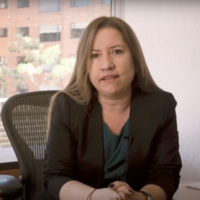
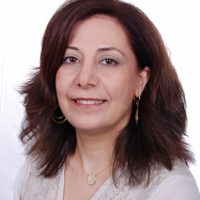
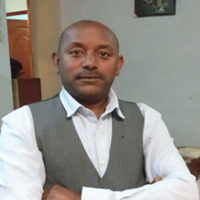
This webinar brings together the Special Rapporteur and four IDRC Research Chairs from Mexico, Ethiopia, and Lebanon to reflect on some of the work priorities, methods and challenges presented in the report, specifically in the current geo-political context, and ask, what has changed and what has stayed the same given changing global dynamics over the two years since the publication of the report. Drawing on the experience of IDRC Research Chairs based at universities in countries experiencing surge in IDPs, the webinar will showcase the results of research from three different regional contexts (Mexico and Central America, East Africa, and the Middle East) responding to the Special Rapporteur’s Report from 2023. The research Chairs participating in this webinar will engage with the following conceptual debates, strategic directions, and/or a thematic priority area selected from the report and reflect on the relevance of its recommendations given the dynamics of internal displacement in their context.
- Problematizing the framing of ‘IDPs’ (Reflection on the Concept and operational framework): The argument, from the SP, that treating IDPs separately from refugees not necessarily deprive them of international protection (as they remain within the borders of countries where they are citizens or habitual residents under the responsibility of the government), but the challenge is when government is unable or unwilling to provide adequate support. While IDPs and refugees can face similar issues, IDP vulnerabilities can be exacerbated because they face lower international recognition and support and differentiating IDPs from refugees can lead to gaps in policy and advocacy efforts. On the other hand, Research chairs’ research on the ground argue how the continuing treatment of IDPs as separate from refugees who cross an international border deprive IDPs from international protection. Reflections on recent events in Lebanon highlight challenges of categorization and distinctions between refugee and IDPs in global south contexts where states are weak and international humanitarian organizations have rigid mandates.
- Violence and vulnerabilities of IDPs (response to thematic priority internal displacement resulting from generalized violence): The Research Chair from Mexico will present research knowledge from the region of Mexico and Central America (Honduras, Guatemala and El Salvador), where the presence of criminal organizations and drug cartels has caused the displacement of communities or entire populations. The guiding questions is what legal and practical actions are taken to contain or resolve the problem of internal displacement caused by violence?
- Challenges and opportunities for strategic directions to durable solutions (response to Working Method and Thematic Priority on Peace processes, peace agreements and peacebuilding and internal displacement): Given the surge in the number of IDPs globally, there are efforts to bring durable solutions including the development of relevant guiding principles and frameworks. Yet achieving durable solutions is far from what is expected. Situated on the works of the Research Chair from Ethiopia, the discussion here will reflect on the challenges and opportunities of durable solutions at the structural, social, communal or individual levels. The guiding question is what the obligations of the host state versus international humanitarian organizations are (for whom IDPs is a population of concern).
- Sustainable partnership (response to thematic priority on Integration and reintegration of internally displaced persons): The challenges of responding to the needs of internally displaced persons in contexts marked by confusion regarding the responsibilities of governmental and humanitarian actors is the focus here. Based on research in the Middle East, the Research Chair from Lebanon will reaffirm the importance of building partnerships for a holistic and sustainable response to the needs of internally displaced persons.
The aim of the webinar is to interrogate if concepts and realities changed since the report was published in 2023 by engaging the perspective of the Special Rapporteur with diverse perspectives of the IDRC Research Chairs from the Global South. It will ask if and what are the new developments, new global policy debates, new challenges across the regions? How can new forms of localized knowledge from the global South support new innovative thinking for better responses needed in light of evolving conditions in the world.