Carleton Researchers Rethink Treatment for Epidermolysis Bullosa
Lead image by miriam-doerr / iStock
By Ahmed Minhas
For some children, everyday moments aren’t just routine — they’re a risk. Simple acts like a comforting hug from mom, getting dressed for school or going down a slide at the park can cause real harm.
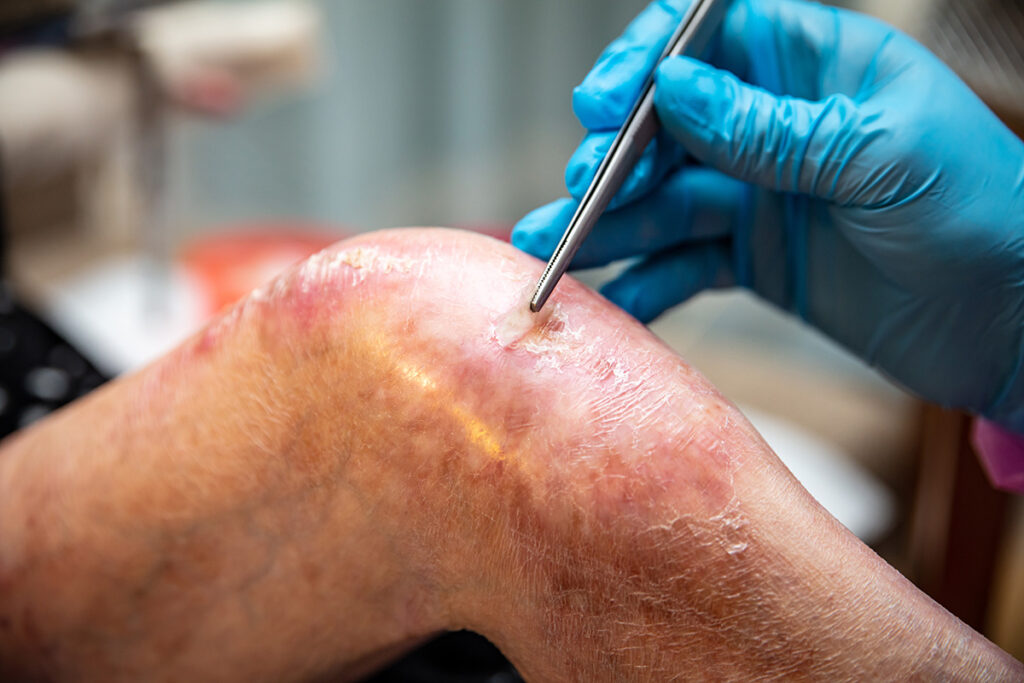
That’s the reality for those living with epidermolysis bullosa (EB), a rare condition where even the slightest friction can cause blisters and open wounds. The condition weakens the connection between layers of the skin, leaving it unable to perform its most important role: protecting the body.
Children are often wrapped in bandages to protect fragile skin and cover wounds that are painful, slow to heal and prone to infection. Over time, repeated damage and inflammation can lead to serious complications, including skin cancer.
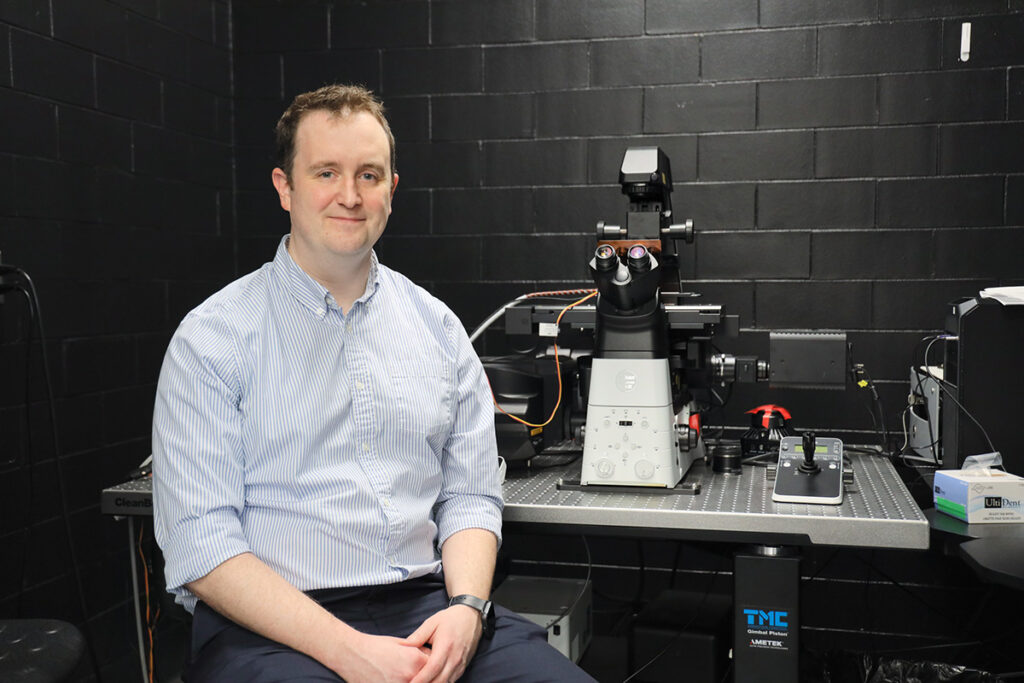
“There’s no cure for this condition,” says Andrew Harris, a mechanical and aerospace engineering researcher at Carleton University.
“All clinicians can do from the medical perspective is try and treat the wounds as they occur and manage the repeated skin damage.”
In practice, patients are advised to limit physical activity altogether to avoid injury, underscoring how little current treatments can offer. That’s been the limit of care and doesn’t address a bigger issue.
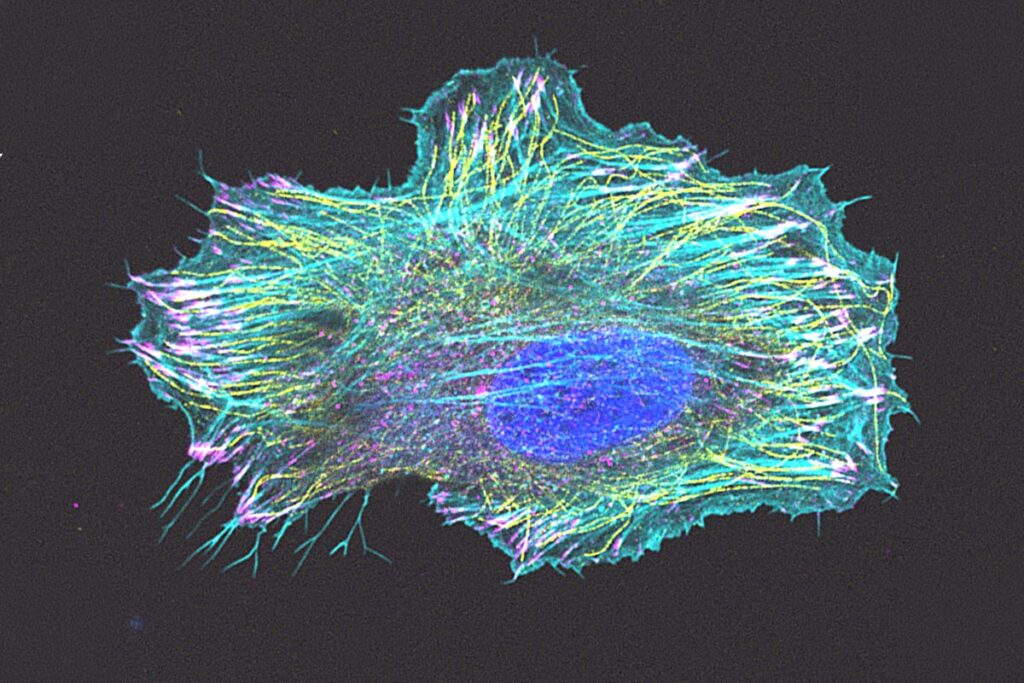
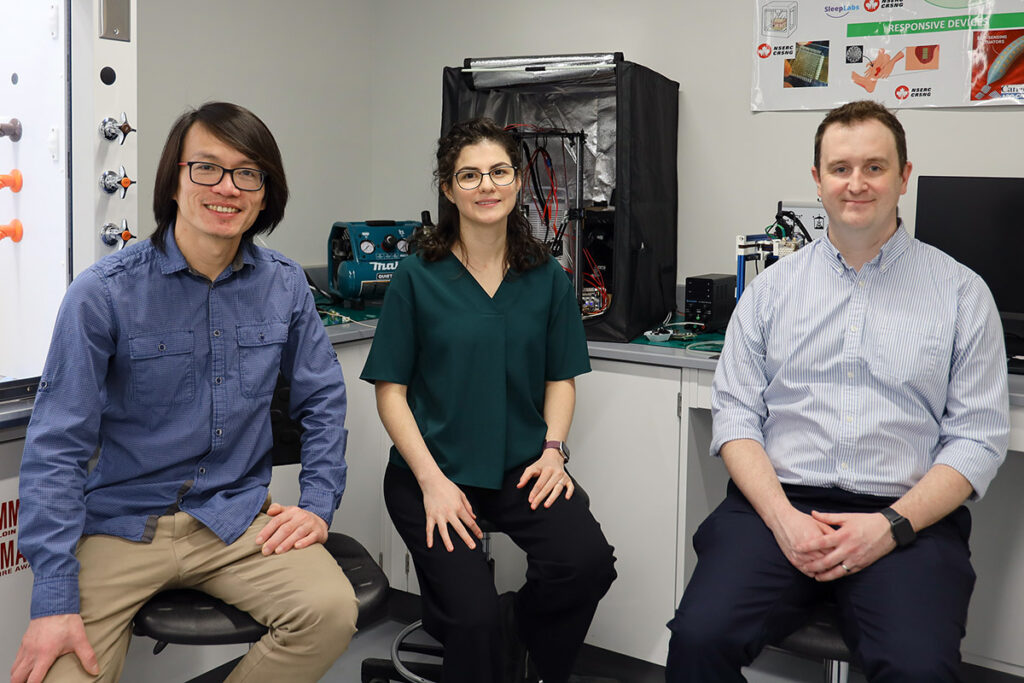
At Carleton, Harris is working with fellow researchers Eng Kuan Moo and Irina Garces to develop a more targeted solution. With support from the J.P. Bickell Foundation and drawing on expertise in cellular engineering, tissue mechanics and biomaterials manufacturing, the team is designing personalized skin grafts that match each patient’s skin for targeted, long-term treatment.
Skin Grafts Designed for Every Body
EB is not a single disease but a spectrum of genetic conditions, varying in severity from localized blistering to widespread skin damage. Even within one person, skin behaves differently depending on where it is on the body.
Existing treatments don’t reflect that complexity.
“What you’re trying to do is treat these very specific conditions where patients have fragile skin with wound dressings that are very generic,” Harris explains.
“It’s like a one-size-fits-all approach. That just doesn’t work.”
Current treatments rely on materials that don’t match the mechanical properties of the patient’s skin, creating stress points where tissue can break down.
“If the material doesn’t match the patient’s skin, that’s where it can fail,” says Harris.
“What we’re trying to do is match the mechanical properties of the graft to the patient, because a child’s skin behaves very differently from an adult’s.”
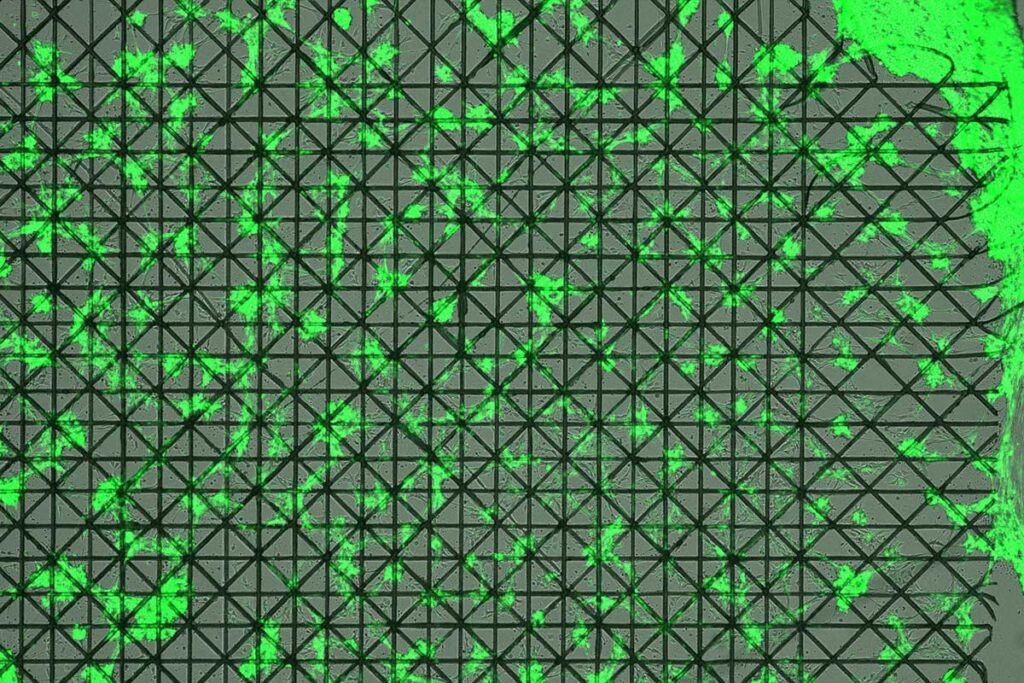
Using advanced 3D printing, the team creates thin, mesh-like scaffold structures with stiffness and shape suited to where the graft will be used. Skin on the sole of the foot behaves differently than skin on the arm or back, and grafts can be adjusted to reflect those differences.
Garces’ expertise drives the development of materials and advanced 3D printing processes used to produce the structures that make each graft possible.
Moo studies how the grafts perform under the stresses of everyday movement, ensuring they respond like natural skin without breaking down.
“I look at how forces move through tissue and down to the cells,” says Moo.
“That interaction determines how the tissue behaves and whether it holds together or breaks down.”
“We’re working towards engineering cells to help the graft integrate and strengthen over time,” adds Harris. “The goal is a personalized, active graft that becomes part of the patient’s skin.”
In the near term, that could mean better protection and fewer wounds. Over time, it could lead to grafts that help restore strength and function to fragile skin.
Applications of this research could also extend to burn victims and reconstructive surgery.
“If someone has severe burns, there often isn’t enough healthy skin to graft from one part of the body to another,” says Harris.
“This is where in vitro-grown grafts could be useful.”
Collaborative Approach to Complex Problems
The work takes place within the Biomedical and Soft Matter (BioSoft) Research Centre in the Faculty of Engineering and Design, where researchers collaborate across disciplines to develop new biomedical solutions.
BioSoft brings together experts in soft materials, biomechanics and cellular engineering to better understand how biological tissues behave and design materials that can work with them.
Harris studies how cells respond to mechanical stress; Moo examines how forces move through tissue; and Garces focuses on how biomaterials can be designed and manufactured. Together, their expertise allows them to move from design to fabrication to testing within a single workflow.
The centre also plays a role in training the next generation of researchers. Graduate students are involved in designing scaffolds, growing cells and testing how well the grafts perform in the lab.
For families managing EB, medical progress is often slow and uncertain. The work at Carleton promises a more personalized path forward.
Instead of a one-size-fits-all approach, it positions care around the individual to improve outcomes.