Finding Solutions to Senior Isolation
Lead image by Tero Vesalainen / iStock
By Elizabeth Kane
For seniors, chronic loneliness is more than isolation – it can be a serious health risk linked to declines in physical and mental health. The World Health Organization warns it can shorten lives and reduce quality of life.
To better understand and address this challenge, Senior Watch Old Ottawa South (SWOOS) partnered with Carleton’s StudioDH, a digital humanities lab that helps communities use storytelling tools to empower communities to tell their own stories. In the age of the nearly ubiquitous smart phone, Digital Humanities uses familiar and accessible mediums like podcasts, video storytelling and digital maps, to assist everyday people to effectively advocate for their communities.
At StudioDH, Faculty of Arts and Social Sciences master’s students from a variety of disciplines engage in research where the community sets the project’s mission.
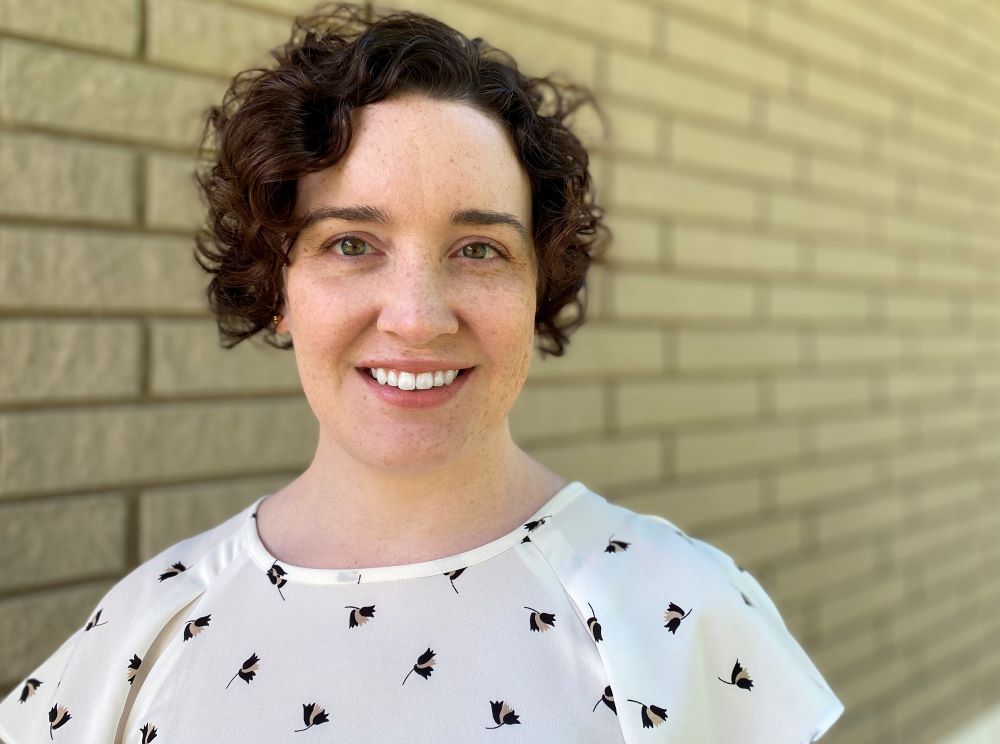
“All of our projects at Studio DH start with a community-identified need,” says Carleton researcher Amanda Montague, lead of Studio DH.
“Students get experience in community-based research, as well as the digital tools and methods that facilitate knowledge sharing.”
Community Research for Community Solutions
Setting out to address these big issues, members of SWOOS and Montague worked closely to determine the scope of the project and what questions were the most important to address. The seniors’ recruited their peers and neighbors to participate and share their lived experiences.
Once the community members and Montague had laid the project’s groundwork, students with StudioDH came on board in to bring the community’s vision to life.
“We spent a lot of time building relationships and trying to build trust within community so that we could have successful participation in the research project,” says Montague.
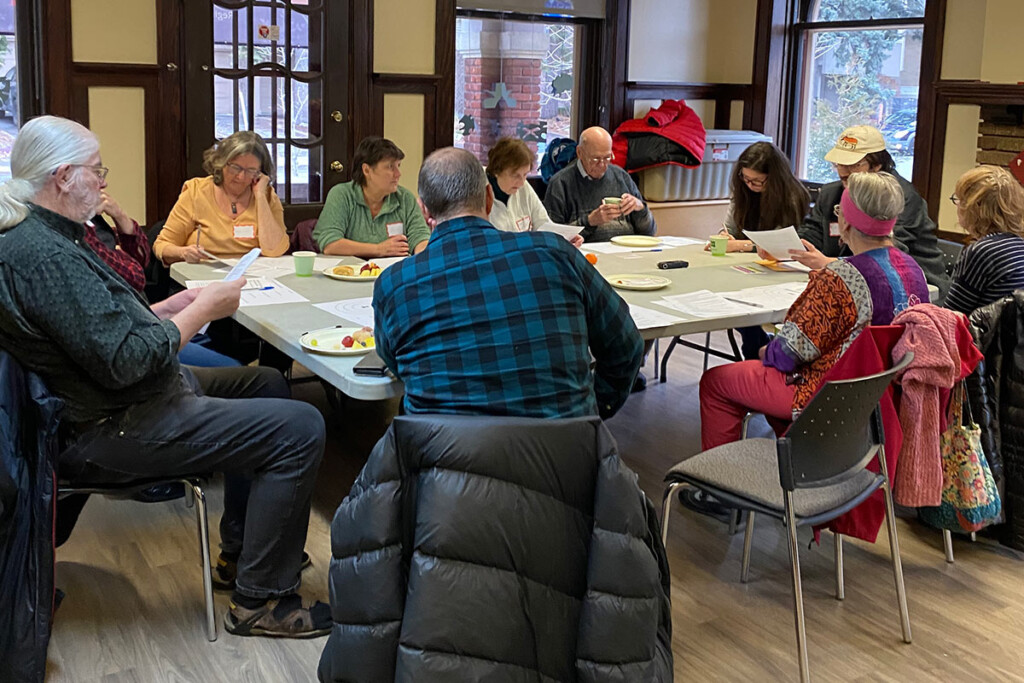
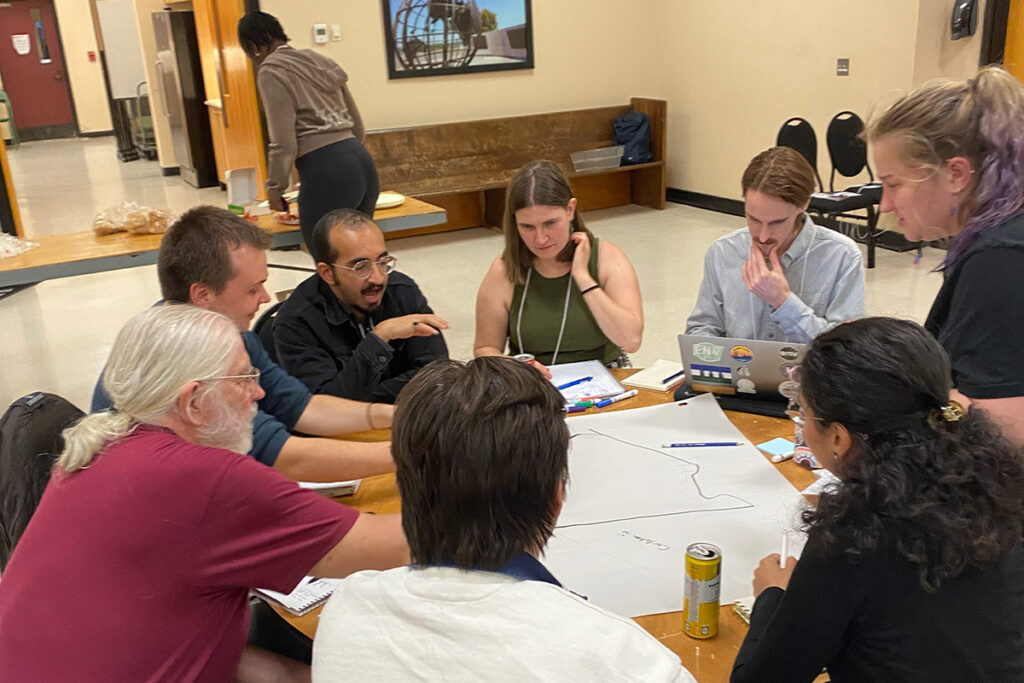
The team held several workshops where community members provided critical information, such as mapping barriers, service locations or opportunities for social connection.
Participants were encouraged to photograph things in their neighborhood that demonstrated isolation and connection and participated in a social network mapping activity that evaluated social satisfaction.
“We had big paper maps and asked participants to identify places of connection and isolation within the neighborhood or places where they would see potential for connection,” says Montague.
“We also did a PhotoVoice activity where we asked them to take photos of things in the neighborhood that demonstrated connection or isolation.”
Following the workshops, the research team dived in to analyze the mountain of qualitative data that had been collected. Community members were involved in interpreting the results and ensured that the findings resonated with the community’s needs.
“Community members are the experts, we were facilitating the research,” says Montague.
Identifying Barriers: Accessibility and Inclusion
A key finding was the deep love that the people of Old Ottawa South have for their community.
“People really emphasized the village-like relationship that they felt in the neighborhood,” says Montague.
“We learned that connection isn’t just formal services alone, it’s these small, repeated acts of neighbourly reciprocity.”
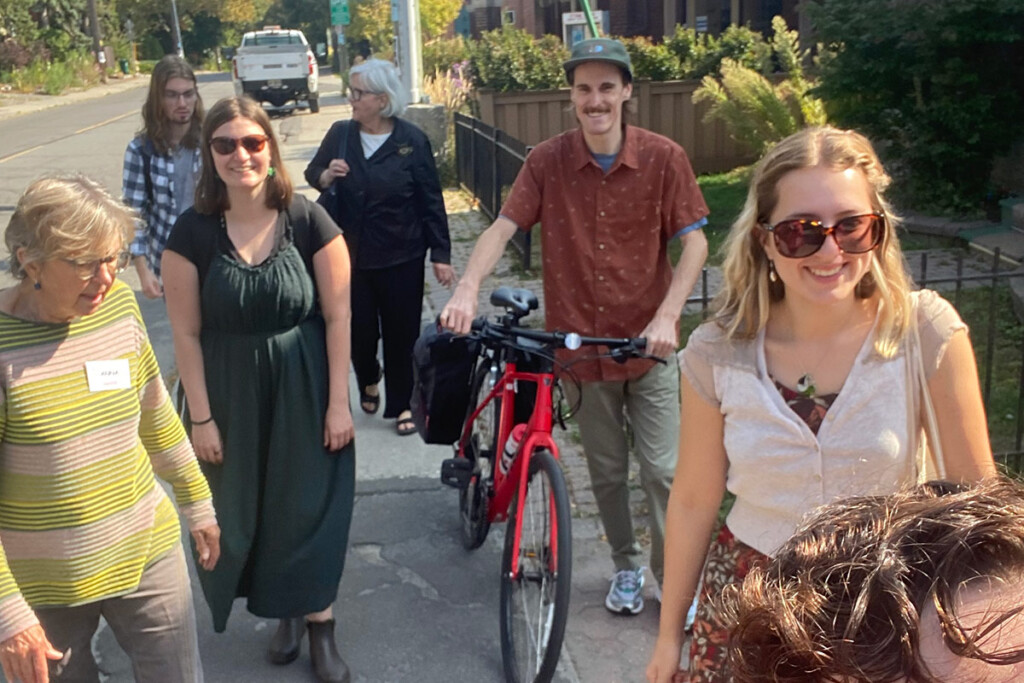
While the area had many promising spaces for connection, accessibility – especially as personal mobility changes through age – was raised as a key concern. Lack of snow clearing, poor sidewalk maintenance, transit unreliability and a lack of benches were raised as restrictions to seniors’ ability to participate in community life.
Another key issue was that many existing social opportunities were activity focused. As individual’s abilities and circumstances change throughout their lives, participants reported feeling excluded from programs were designed to support social inclusion.
“There was a strong need identified for inclusive and low-barrier third spaces where seniors feel comfortable to simply socialize,” says Montague.
“Seniors need to have the opportunity to just be together, rather than to have to do something together.”
Small Changes for Big Health Impacts
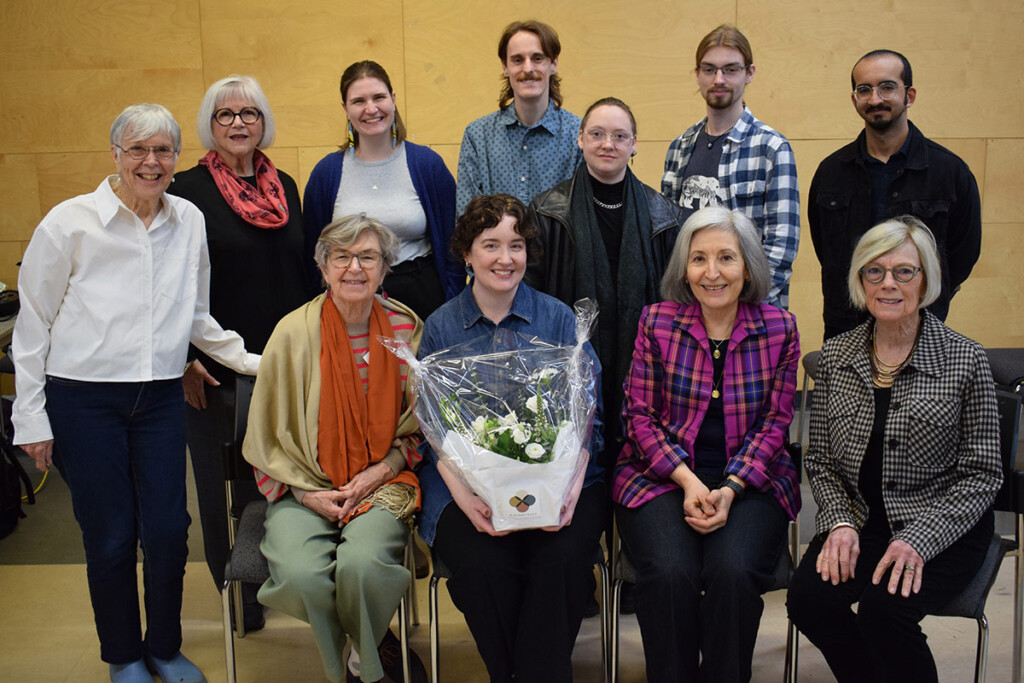
SWOOS and the Studio DH team shared their findings at an event attended by neighbours, municipal leaders and public health workers.
While the issue is complex, many of the solutions are within reach at the local level of governments – including improvements to snow clearing and sidewalk maintenance and public spaces that make everyday connection easier. Being proactive can help support at health care system already under intense financial stain.
“We know the negative consequences of social isolation and loneliness and the toll that it can put on health care systems,” says Montague.
The study’s findings align with those made by the WHO’s recommendations on supporting healthy aging.
“The problem is large, but some of the solutions are quite straightforward,” says Montague. “Taking small steps to improve accessibility and inclusion in our communities would go a long way to support healthy aging.”