Meet the Carleton Alum Telling Ottawa’s 200-Year Story
By Elizabeth Kane
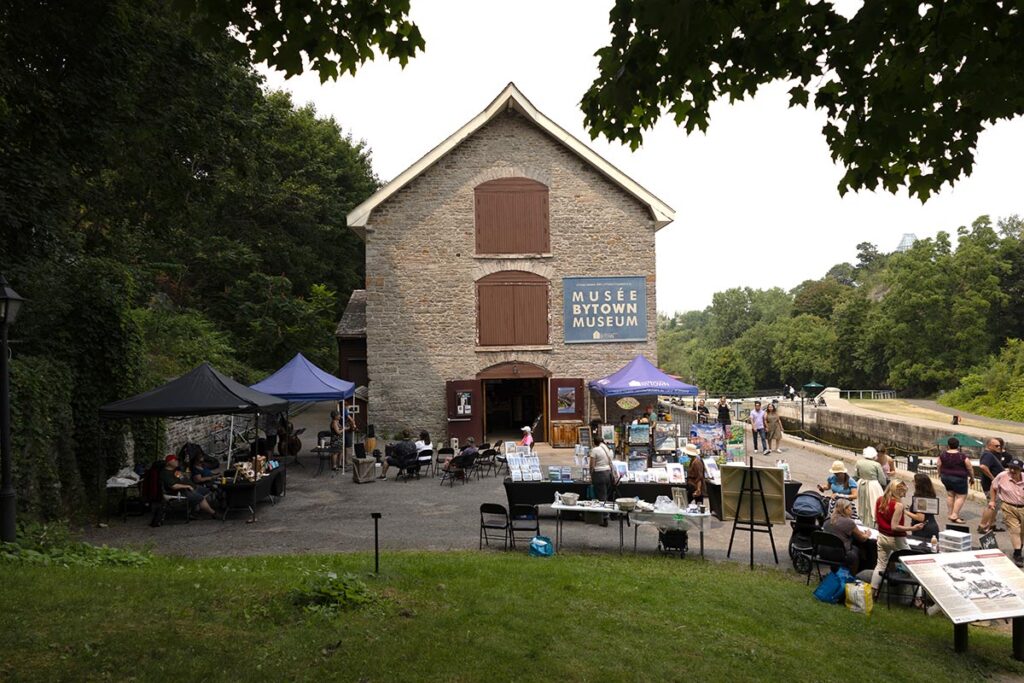
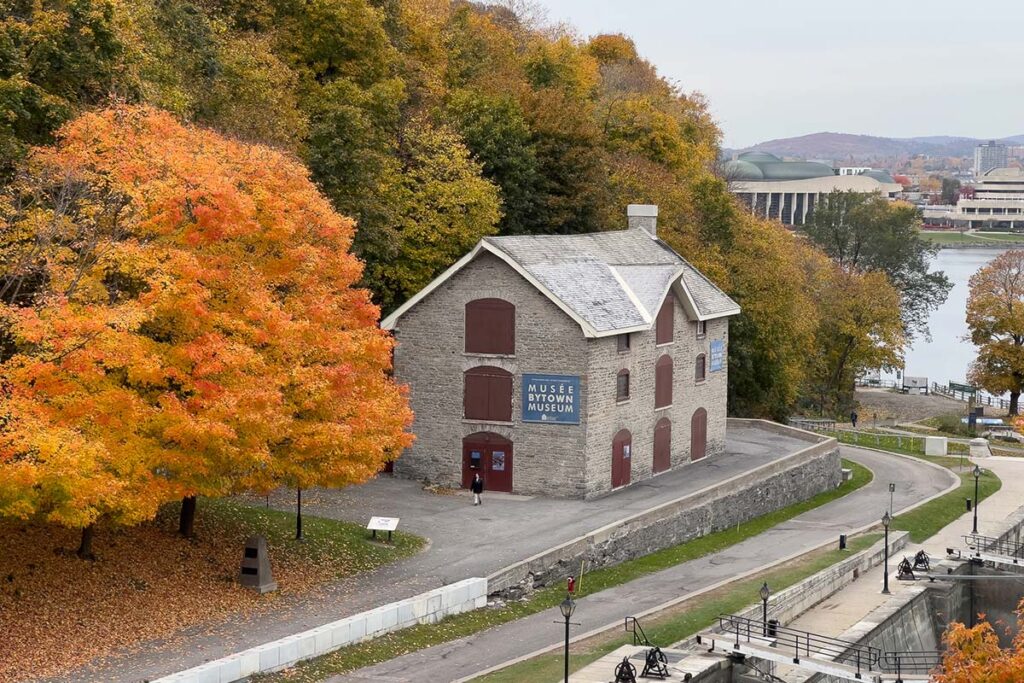
Nestled between Parliament Hill and the Rideau Canal Locks sits the Bytown Museum, dedicated to sharing the history of the region — as unceded Anishinaabe Algonquin territory, the founding of Bytown and the City of Ottawa we know today.
This September will mark 200 years since the beginning of the construction of the Rideau Canal, led by Lieutenant Colonel By and the establishment of the settlement of Bytown.
Exhibition and Collections Manager Chloe Dennis is helping lead the museum’s bicentennial activities through a new temporary exhibition exploring Ottawa’s past, present and future.
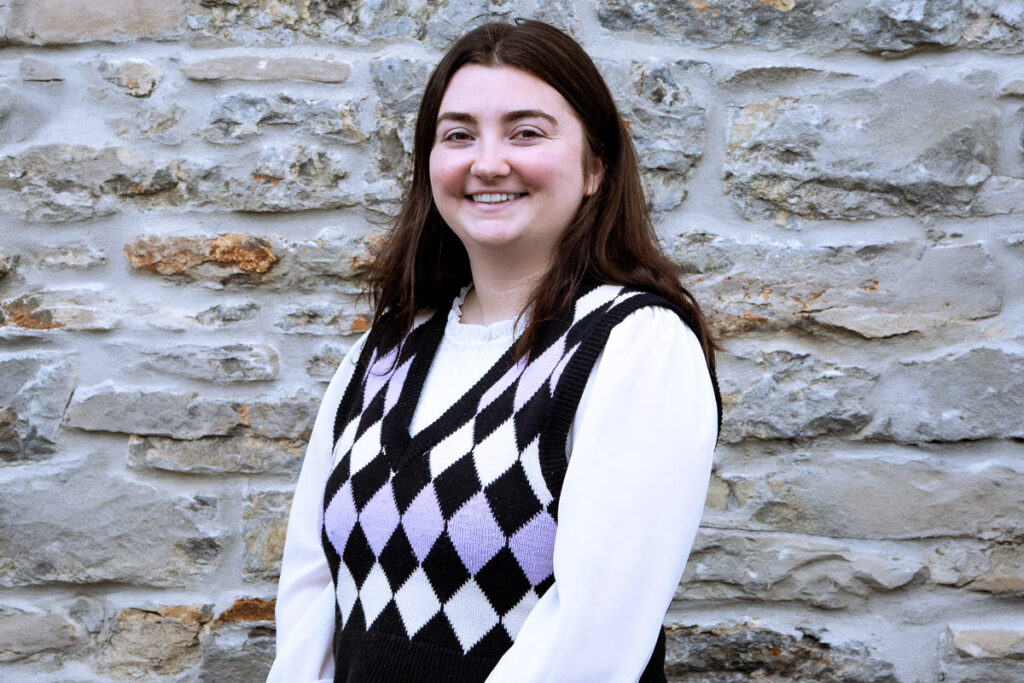
“Our approach for the bicentennial is to recognize this huge event that happened in our city’s history and acknowledge that the history of the area began before 1826 with the Anishinaabe Algonquin people, for whom the canal disrupted their way of life,” explains Dennis.
“Our exhibit continues beyond 2026 because the city’s story is ongoing.”
A Carleton alum, Dennis completed a bachelor’s degree in history followed by a master’s degree in public history. She credits her co-op and internship experiences for launching her career working in museums.
Building Work Experience While Studying
Originally from the Greater Toronto Area, Dennis was drawn to Carleton’s history program because of its academic depth and her ability to build work experience as part of the degree. Adding in the university’s picturesque campus and proximity to Canada’s national museums, the decision was easy.
“Stepping foot on campus, I knew that this was where I wanted to be,” she says.
“The fact that Carleton had a history program with a co-op option really sealed the deal for me.”
Dennis completed three co-op placements during her undergraduate studies, taking on roles at Carleton’s MacOdrum Library, Crown-Indigenous Relations and Northern Affairs Canada, and the Department of National Defence.
Enrolling in the Master of Public History allowed Dennis to continue to build her experience in the field.
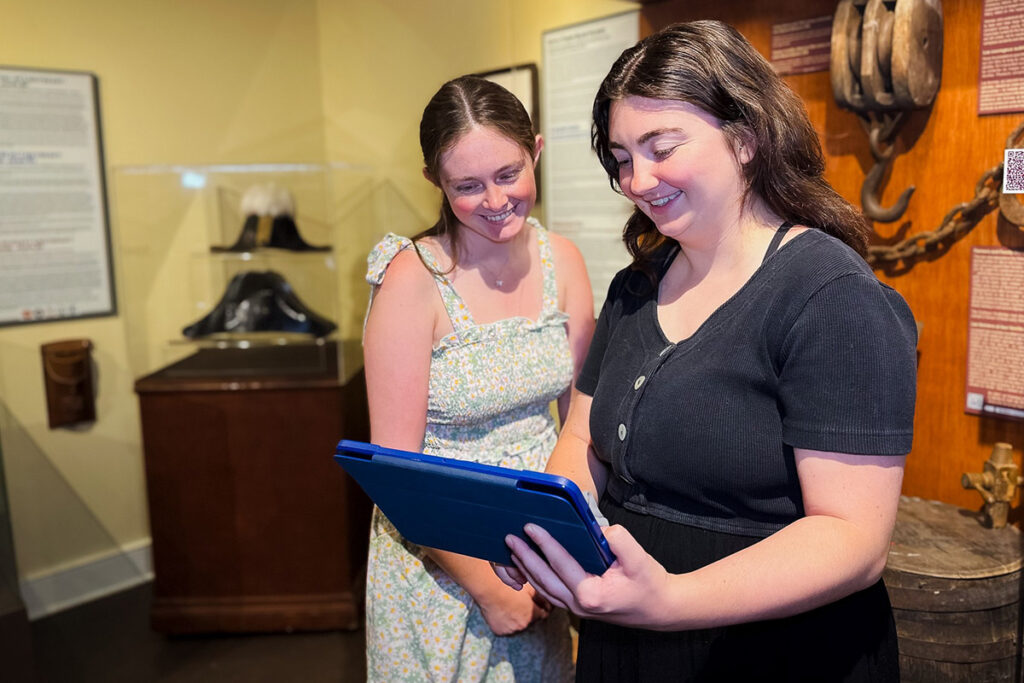
“The internship was a really appealing part of the public history program,” says Dennis.
“I knew I wanted to work with the public in a museum, so it was a really good fit.”
For her internship, Dennis spent a year in the curatorial department at Ingenium, the organization that oversees Canada’s three national museums of science and innovation. The experience helped her build a professional network that continues to support her work today.
“Even now working at the Bytown, I’ve been in contact with Ingenium folks I worked with on different projects.”
The internship also provided a portfolio of experience she could share with future employers.
“My experience working on digital projects in my master’s program and Ingenium internship helped me demonstrate that I’ve done these projects before and can lead them,” she says.
Her Carleton connections continued at Bytown, working with the Carleton Immersive Media Studio (CIMS) to create 3D model artifacts and develop an interactive storytelling website.
“As the Digital Initiatives lead, I learned so much about our community and our audiences,” says Dennis. “Now we’re launching a new temporary exhibition for the city’s bicentennial. It’s super exciting.”
Marking Ottawa’s Bicentennial
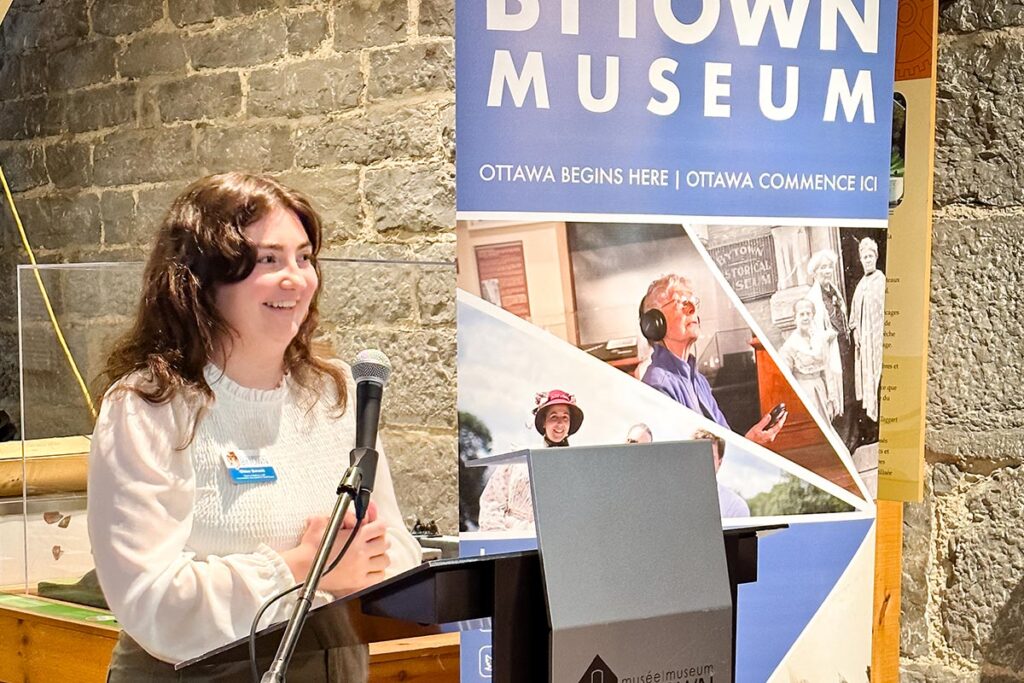
The museum’s new exhibition, What’s in a Frame? 200+ Years of Community Portraits, showcases Ottawa’s history through a collection of painted portraits, objects and photography that tell the story of residents, both past and present.
“Ottawa continues to be a place of strong community because of the people who call it home,” says Dennis.
The museum worked with multiple community organizations to identify portrait subjects. It also partnered with Elgin Street Public School, inviting grade three students to draw portraits of themselves and share what they love about Ottawa.
“We’ve got about four children’s portraits framed and about 50 more in a digital showcase,” says Dennis.
Visitors can also contribute to the exhibition by drawing their own portrait or sharing a personal Ottawa story as part of an evolving community gallery.
The museum is open to the public every day until the end of the summer, providing audio guides in 10 languages.
Community Engagement and Career Paths
Dennis says the lessons she learned at Carleton continue to shape her approach to public history, particularly the importance of community engagement.
“At the museum, I’m able to make personal connections with community members and really work with them to share stories,” she says.
“The importance of sharing authority is something that was instilled in me during my degree.”
She encourages future students to pursue their interests when choosing a degree to help them build a career, especially as many programs offer professional experience to ease the transition into the working world.
“It’s important to follow what you’re passionate about,” says Dennis. “History is a very good field to do that because it is so broad. There is a lot of room to explore and be creative.”