Carleton Alum Writes Beautiful Books About Our Shared World
By
Dan Rubinstein
Photo Credit:
Julian Hoffman
Throughout his life, Julian Hoffman has found himself at a crossroad.
Nearing the end of high school in the suburbs east of Toronto, he saw rock band guitarist as his career path but applied to university as a backup plan. Hoffman decided to study English at Carleton University because devouring books and writing — song lyrics, science fiction, “dreadful poetry” — was his other creative love.
Years later, seeking direction at the Dalai Lama’s spiritual hub in the Himalayas, he literally came to a fork in the road while walking. One way led back to the classroom where he planned to continue his Buddhist teachings; the other way headed into the forest, where he had become entranced by all the exotic, vibrant birds spilling out of trees.
Hoffman chose nature. “Something fundamental had shifted within me,” he recalls.
“For the rest of my time in India, I explored the mountains and all the wild species there. I realized that the living world was the home I’d been looking for.”
In 2000, working as a painter in London, England, disillusioned with long commutes and the big city, Hoffman and his then partner and now wife Julia Henderson cracked open a book about Prespa in northern Greece and decided to move to the region sight unseen.
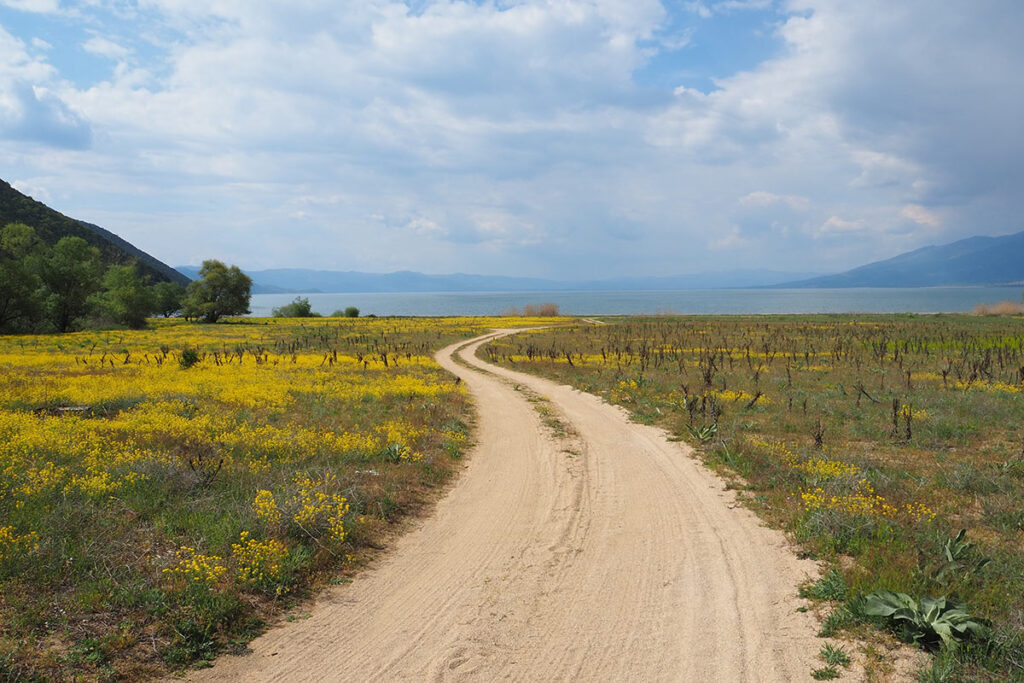
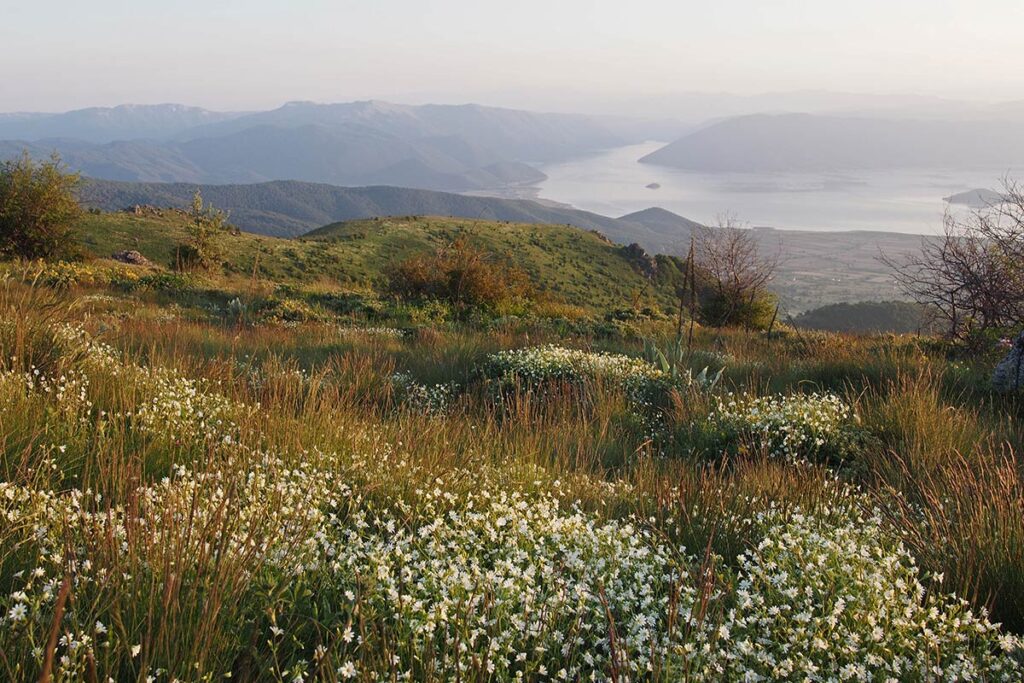
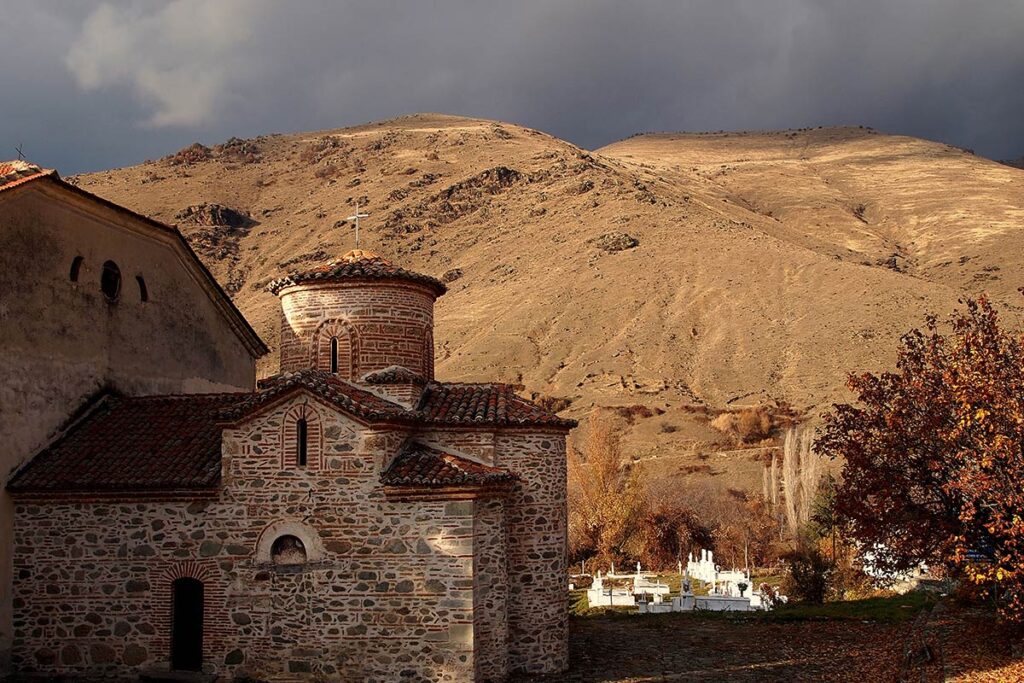
Prespa, the focus of the Carleton graduate and award-winning author’s latest book, is a crossroads as well. It’s where three countries — Albania, North Macedonia and Greece — meet around a pair of ancient lakes, the Mediterranean world pushing up into the Balkans. It’s also a geological transition zone, limestone on the west side of the lakes and granite to the east, which brings thousands of species together in a single watershed.
“All these different peoples, habitats, languages, ethnicities, religions, and political and economic histories are folded together in Prespa,” says Hoffman.
“One of the great stories of this place is how porous, in many respects, borders actually are.”
The Links Between All Lives
Transcending borders — and the links between human and more-than-human life — are the main themes of Hoffman’s writing.
His first book, 2012’s The Small Heart of Things, examines the myriad ways in which our connections to the natural world can be deepened through looking and listening.
Irreplaceable: The Fight to Save Our Wild Places, from 2019, explores the human communities that form in threatened habitats around the planet.
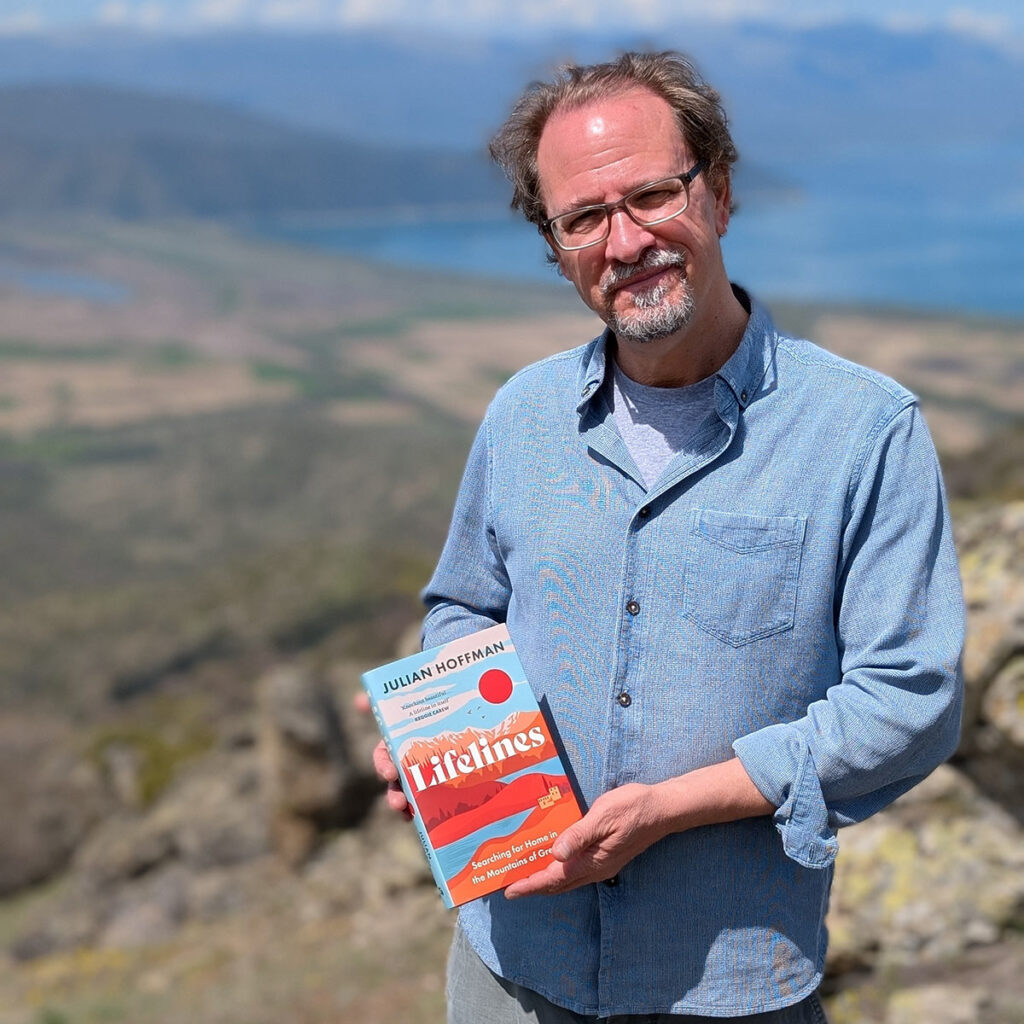
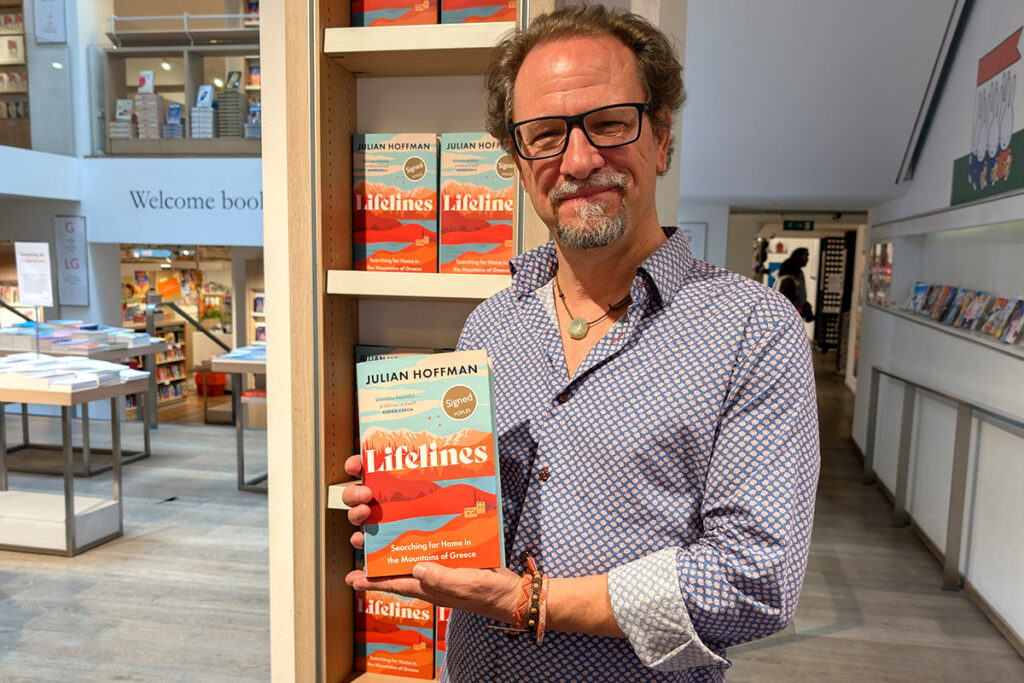
Lifelines: Searching for Home in the Mountains of Greece, released in North America this spring, picks up the thread. “It’s a story of shelter, generosity and welcome,” Hoffman writes on his website. “A story of a shared world.”
Home as an Action
That welcome was evident as soon as he and Julia arrived in Prespa. When they told the owner of the guest house where they were staying that they were not visiting for a few days but in fact were moving to the area, he calmly replied that they should finish their tea so he could take them house hunting.
“We’d only been here for a couple hours and already had experienced the kind of solidarity and kinship that makes change possible,” says Hoffman.
“I think we’re all capable of making home possible for others, whether that’s fellow humans or wild species. Home can be an action rather than just a concept.”
Hoffman began writing Lifelines during the pandemic, recentring his gaze on Prespa when he could not travel elsewhere, but the book is rooted in his quarter-century in the region.
“Knitting together those different strands required time,” he says, “not only for the craft of writing, but also the time of living here. As writers, we need to give ourselves space and time to engage with the people and landscapes around us. These braided networks are brought into closer focus through the patience of being settled in a place.”
A Spectrum of Worlds and Ideas
When he was settled in Ottawa as a Carleton student from 1989 to 1993, Hoffman was a self-described “completely urban creature.”
Sure, he walked around Dow’s Lake and sometimes skated on the Rideau Canal to campus, but mostly he was absorbed by literature and Carleton’s human ecosystem, inspired by late professors Robert Hogg and Ben Jones and one, Barbara Leckie, who is still a faculty member.
“Going to university was life changing for me,” says Hoffman.
“It opened me to a whole spectrum of worlds: people from different places, different backgrounds, different ethnicities, religions, political ideologies. I began engaging with a whole host of different ideas.”
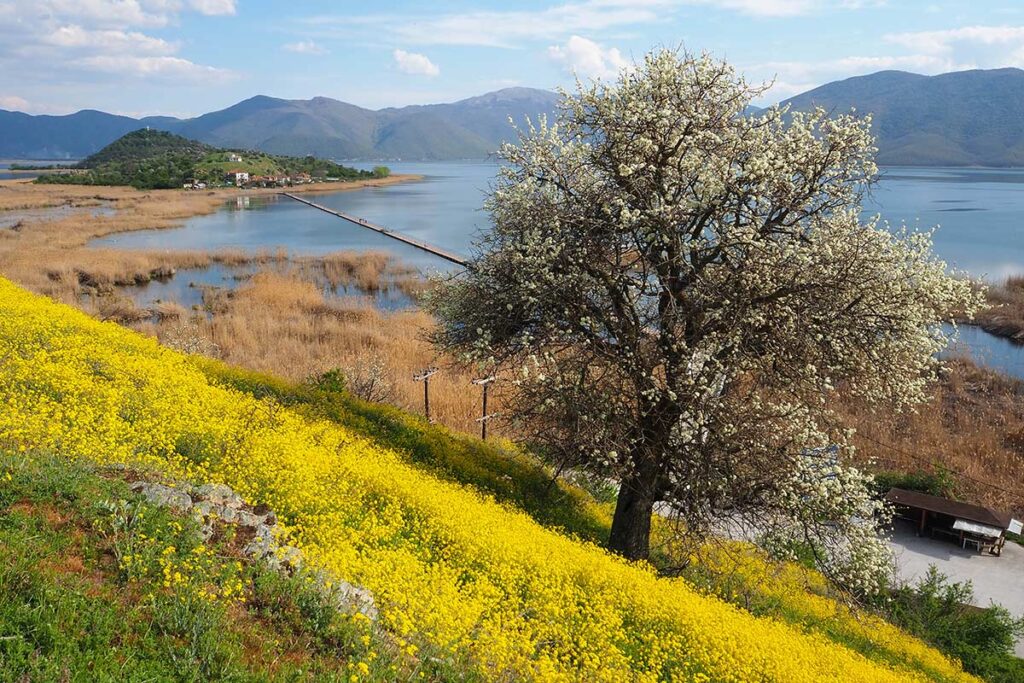
Those ideas — and all of the crossroads he has navigated — are ultimately what showed Hoffman that many of the world’s perceived boundaries are arbitrary. Even the line between the humanities and hard sciences.
“They’re both about how we relate to this shared planet,” he says, adding that stories and the arts remain the great engines of connection.
“At the critical stage of history that we’re in, we have to find ways of relating to one another. And the best way is through communication, through dialog, through building bridges of potential reciprocity.
“Science can’t stand solely on its own, nor can the arts or humanities. We need to recognize the lifelines that connect us all.”