The 2026 John Adjeleian Lecture
Wednesday, December 2, 2026 from 6:00 pm to 9:00 pm
- Hybrid event
- 2200, Richcraft Hall, Carleton University
- 1125 Colonel By Drive, Ottawa, ON, K1S 5B6
- Tbd meeting link
- Cost: FREE
Please note: The location of the event, Richcraft Hall, is also known as River Building.
The Evolution of Fire Safety Engineering: Milestones, Challenges, and the Road Ahead
Lecture Synopsis
The fire safety engineering field has changed appreciably in the last 25 years, reflecting lessons learned from major fire events, advances in research, and evolving societal expectations regarding life safety and resilience.
Many changes include the application of advances in fire research from the latter part of the 20th century while other changes relate to emerging hazards. Computational methods to simulate fire behavior, people movement, smoke movement, structural response and the performance of detection and suppression systems became available in the late 1900’s (and continue to be refined). Those methods provided opportunities for fire safety engineers to utilize a “performance-based design” option by conducting sophisticated analyses of proposed fire safety strategies. These developments have also influenced engineering practice, regulatory approaches, and the evolution of modern codes and standards. However, responsible use of those computational tools includes challenges to fire safety engineers in identifying realistic design fire scenarios to explore the adequacy of proposed fire protection strategies. Challenges include selecting relevant input data for the intended application and discussions on acceptable margins of safety. In addition to these advances, fire safety engineers are also confronting the emergence of hazards associated with new types of facilities or components of those facilities.
New facilities such as data centers, quantum computing and battery energy storage systems bring an array of new challenges which demand fire safety solutions. Arguably, the most talked-about contemporary issue involves hazards associated with lithium-ion batteries which are prevalent in a wide range of products including a wide array of household and industrial tools, vehicles, and utility-scale energy storage units. One emerging area which has received little attention in the fire protection community involves quantum computing facilities which include an array of unique challenges. Finally, any discussion of recent advancements which will provide a challenge needs to include the application of artificial intelligence (AI) both as a design aid and a review tool. But, AI also provides some opportunities to improve fire detection and provide situational awareness for occupants and emergency responders. Together, these developments highlight both the challenges and opportunities facing the profession and underscore the important role that the next generation of fire safety engineers will play in shaping its future.
Speaker’s Bio
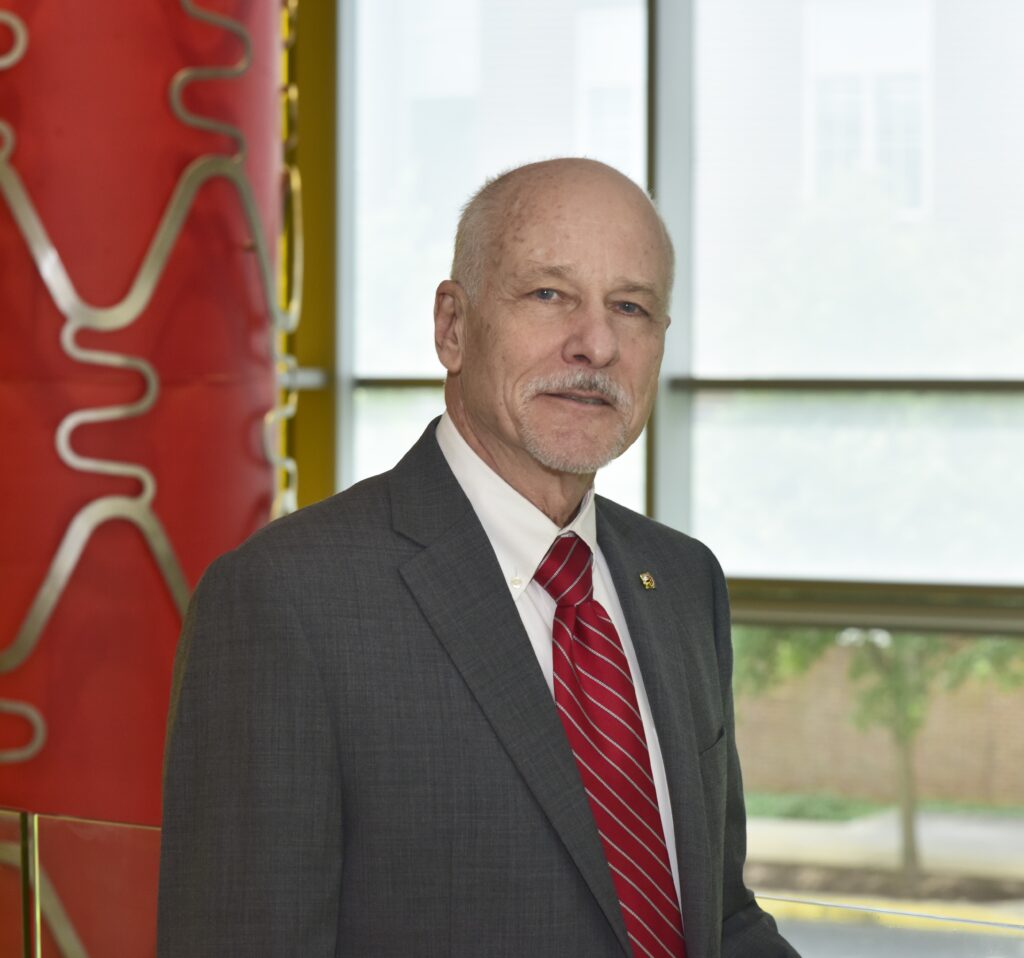
Alan P. Santos photography
Dr. Jim Milke, P.E. is Professor Emeritus in the Department of Fire Protection Engineering at the University of Maryland and a Senior Principal Engineer with Fire and Risk Alliance. He received his PhD in Aerospace Engineering, MS degree in Mechanical Engineering and BS degree in Fire Protection Engineering from the University of Maryland. He also has a BS degree in Physics from Ursinus College. He was a faculty member of the Department of Fire Protection Engineering for over 40 years and was Department Chair for the last 12 of those years. Jim was the Fire Protection Engineer for Fairfax County, VA and Research Fire Prevention Engineer at NIST. He is a Fellow and past president of SFPE and received the Arthur B. Guise Medal and John L. Bryan Mentoring Award from SFPE. He was part of FEMA’s Building Performance Study Team that investigated the World Trade Center catastrophe of 9-11. He is a Life Member of NFPA and a current member and past chair of the NFPA committee on Smoke Management Systems. He has received awards for teaching, communications and service from the University of Maryland, NFPA, SFPE, Automatic Fire Alarm Association, American Fire Sprinkler Association and Siemens Building Technology Division.