Cybersecurity and Food-System Resilience in the Age of Artificial Intelligence
By Mario Daigle & Dylan Odd
Canada’s farms and food systems should be treated as a critical-infrastructure cybersecurity priority. Those who feed the country should not be left to manage emerging digital risks alone.
Agriculture has digitized faster than its cybersecurity posture has matured. Farms and food-system operators increasingly depend on connected equipment, operational technology and remote-access services, which improve productivity but also create shared dependencies that amplify cyber disruption.
Artificial intelligence accelerates this threat by making incursions faster and less expensive to execute. Malicious actors can now identify exposed systems, test credentials, interpret technical documentation and adapt existing cyber tools at a pace not thought possible only a few years ago. It is a watershed moment. And it means smaller, geographically dispersed agricultural operations are economically viable targets for threat actors.
Canadian farmers need more information about this emerging risk, and so does the public. Disruptions to planting, harvesting, livestock care, food processing, storage, or transportation threaten Canada’s food infrastructure. In 2025, Canadian authorities reported an incident in which the temperature and humidity settings of an internet-accessible grain-drying silo were manipulated remotely, demonstrating how cyber incidents can have real-world consequences for food security.
Canada’s farmers are private operators, but collectively they perform a critical-infrastructure function. Most operators lack the internal resources to identify, assess and manage sophisticated cyber risks, particularly risks to digital service providers on which aspects of their operations depend.
Cybersecurity guidance for individual farms is helpful, but Canada needs a coordinated strategy tailored to the structure, operating realities, and shared dependencies of the agricultural sector.
The full article proposes four practical areas for federal action:
- Establish a Centre of Excellence for Agricultural Cybersecurity.
- Set cybersecurity expectations for agricultural technology vendors and service providers.
- Map systemic digital dependencies across Canada’s food system.
- Exercise how essential food-system functions will continue when digital systems fail.
Cybersecurity and food security are interwoven. Strengthening Canada’s agricultural cyber resilience will require federal leadership, bringing together governments, industry, researchers, technology providers, and, of course, Canadian farmers to ensure our food system is resilient, reliable, and secure.
Read the full 8-Page article: Cybersecurity and Food-System Resilience in the Age of Artificial Intelligence.
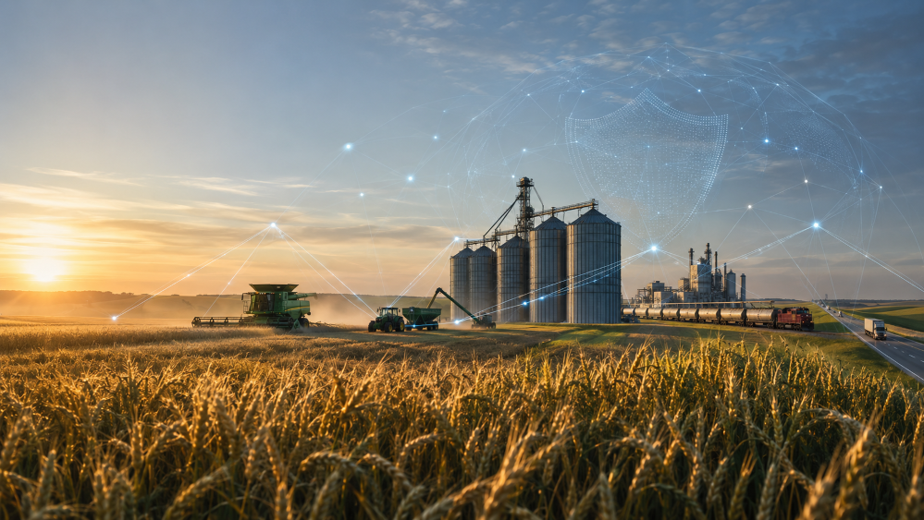
Image: AI-generated with ChatGPT by OpenAI for NC-CIPSeR, 2026.