Erin McRae
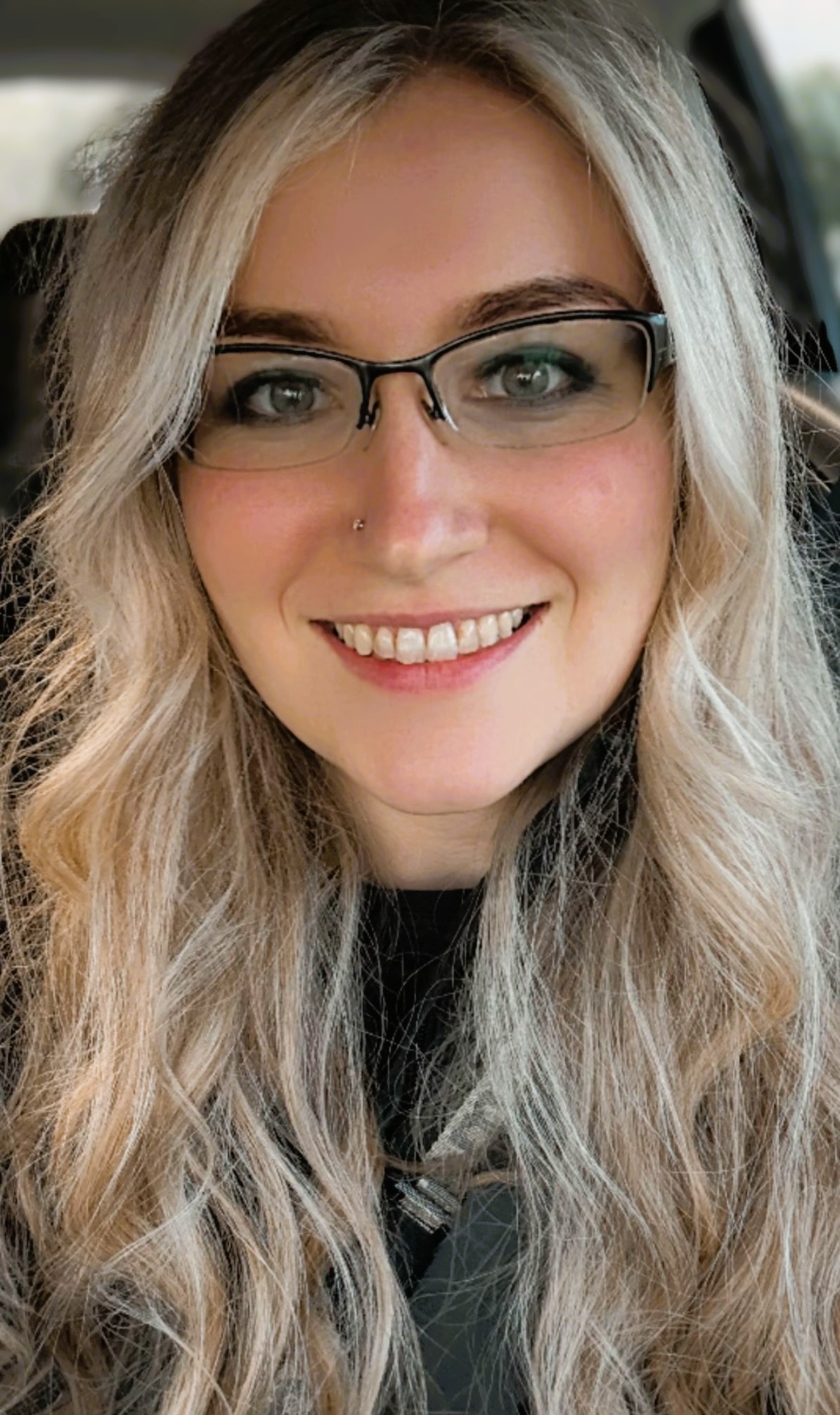
Archivist
- BA Honours English with Concentration in Creative Writing and Minor in Political Science (Carleton, 2018), MA Archives and Records Management (University College Dublin, 2019). MSc History (University of Edinburgh, 2020)
My current position is Project Cataloguing Archivist at the Royal College of Surgeons (RCSI) in Dublin, Ireland. RCSI is a university of medicine and health sciences which was established in 1787. In my role as Project Cataloguing Archivist, I examine and evaluate collection materials, take measures to stabilize these materials, prepare detailed records for our online public-access catalogue, and ensure proper storage of materials. In addition, I plan, prepare, and present outreach programs to promote the special collections I catalogue and make available to users. This takes the form of blogs, articles, and social-media content, as well as writing and delivering papers for seminars and presentations.
Prior to my current position, I was Archivist at the Central Bank of Ireland. This encompassed all aspects of archiving—cataloguing, preservation, managing research enquiries, dealing with researchers consulting the archives’ holdings, as well as preparing outreach-and-engagement programs. I also assumed responsibilities managing this archive for several months due to staffing shortages.
Since 2022, I am a volunteer and member of the Irish chapter of the Archives and Records Association (ARA). My initial role in ARA was “New Professionals Representative”; during this past year, I have served as a “Campaigns Officer.” I am also a member of the Association of Canadian Archivists and am currently renewing my membership with the International Council on Archives.
I initially chose to study English at Carleton because I have always had a deep love of reading and writing. Classes at Carleton were truly wonderful! Analyzing texts and gaining new perspectives was always fascinating. I also thoroughly enjoyed my creative-writing workshops and receiving guidance from my peers and professors. I was also a member of Carleton’s varsity swim team. My teammates were responsible for some of my happiest memories at Carleton outside of classes!
I decided that upon graduating from Carleton I would pursue a career as an Archivist. While there were options to continue my studies in Canada, I applied to the M.A. program in Archives and Records Management at UCD Dublin. My family has close ties to Ireland. My mother and her family emigrated to Canada in 1968, and they still have many extended family members there. After completing my M.A. at UCD, I decided to pursue further studies related to my chosen field, so I successfully applied to the M.Sc. History program at the University of Edinburgh in Scotland. I honestly could never have imagined how all these decisions would impact my life for the better. I have a career I thoroughly enjoy; I have made incredible friends; I have developed professional relationships with colleagues across Europe and, on a more personal note, I also met my husband while studying abroad. The confidence I gained during this eight-year journey made me into the independent person I am today.
How has your Carleton English degree informed your professional and/or creative path?
The beauty of being an Archivist specifically is that you could do a Bachelor’s in almost any subject and there will be an archive or special collection that chronicles the history of that subject. That being said, I have always felt that my degree in English has served me especially well when it comes to writing blogs, articles, and social-media content in order to promote the collections to new and existing users; in writing reports for funding and/or grants as well as in writing progress and final reports for donors (who have donated and often funded archival projects); in regular communications with the workplace (emails, meeting minutes, etc.); in my cataloguing work with individual records, describing and generating metadata. It has also had a huge impact on my ability to think critically about our collecting strategies and be open to exploring new and diverse approaches to preserving our holdings.
Why Carleton?
I felt that each of my classes in their own way opened my eyes to new means of analyzing and thinking about the written word. This is very useful in my everyday work especially when I’m thinking about what is lacking from the archival record and asking questions such as: Where are the gaps? What voices are missing? What contexts do the records provide and which do we need to investigate and explore further in order to have a more fully encompassing archival record and to ensure all people feel represented in our holdings? Archives are subjective and part of my job is not only to clinically describe what I’m reading/analyzing, but also to think critically how the holding has been recorded and by whom, and where we should seek to fill its gaps and silences.