Beyond the Pitch: Football and Cultural Diplomacy
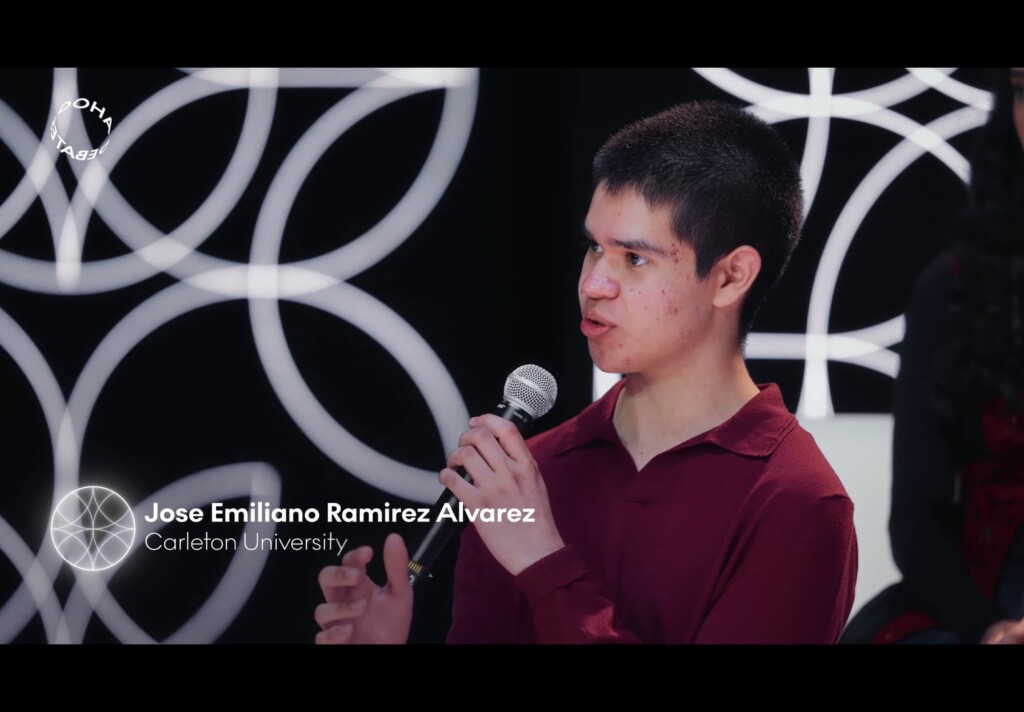
By Jose Emiliano Ramirez Alvarez, Political Science student
I am one lucky guy.
I was born and raised in Mexico, and three years ago I moved to Ottawa to finish high school. I now attend Carleton University, where I study political science and international relations. Through my part-time work at the Embassy of Mexico in Ottawa, I had the opportunity this month to participate in an important debate at Queens Quay in Toronto about the future of football—or, as most people call it here in Canada, soccer.
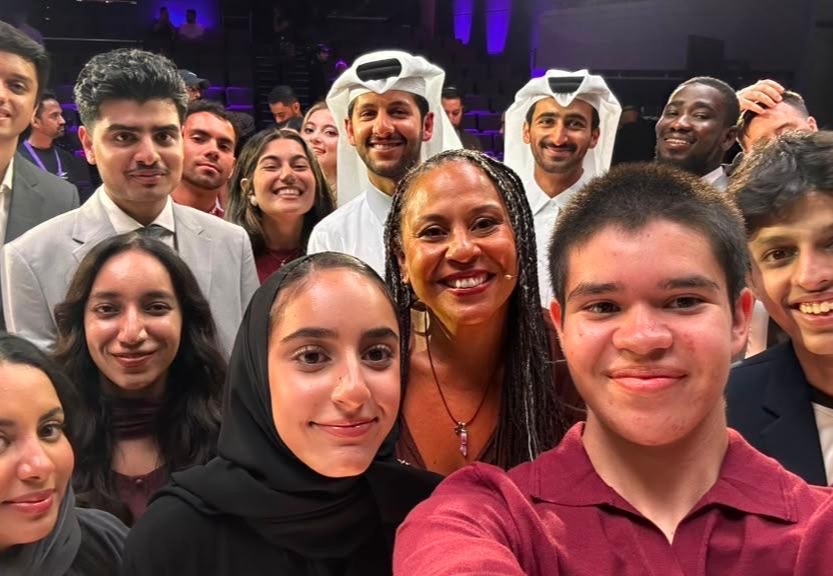
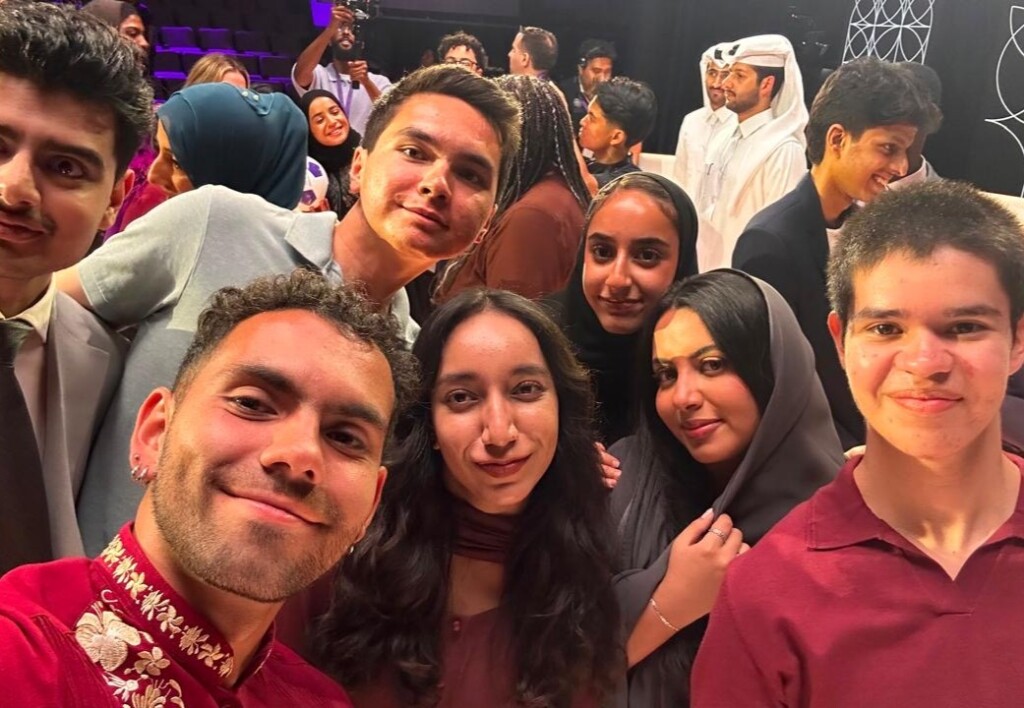
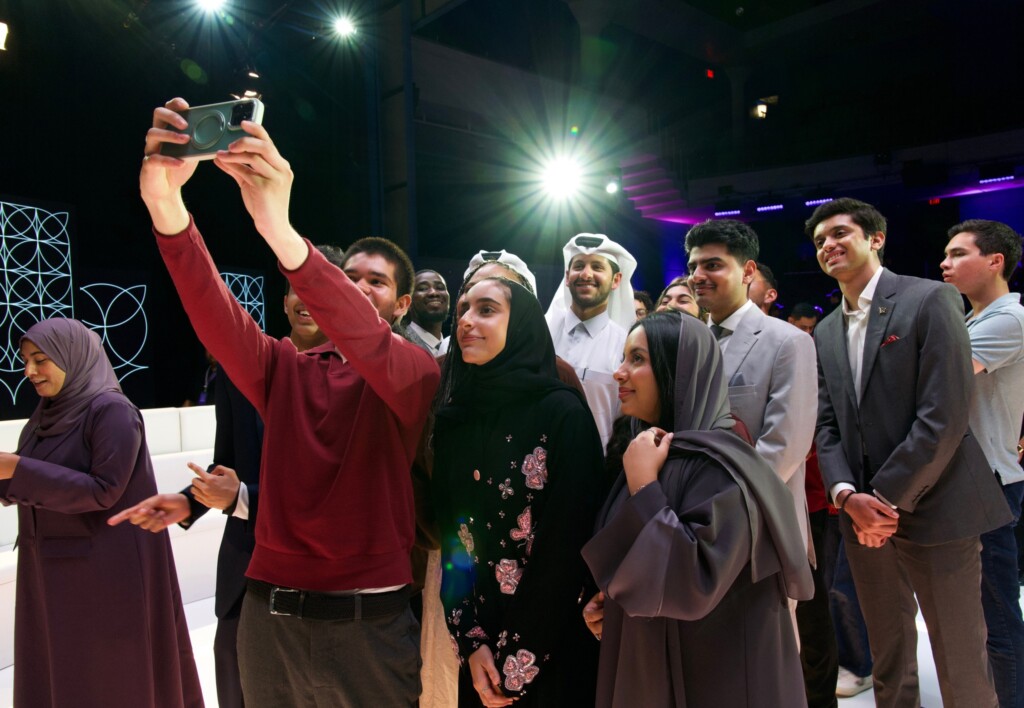
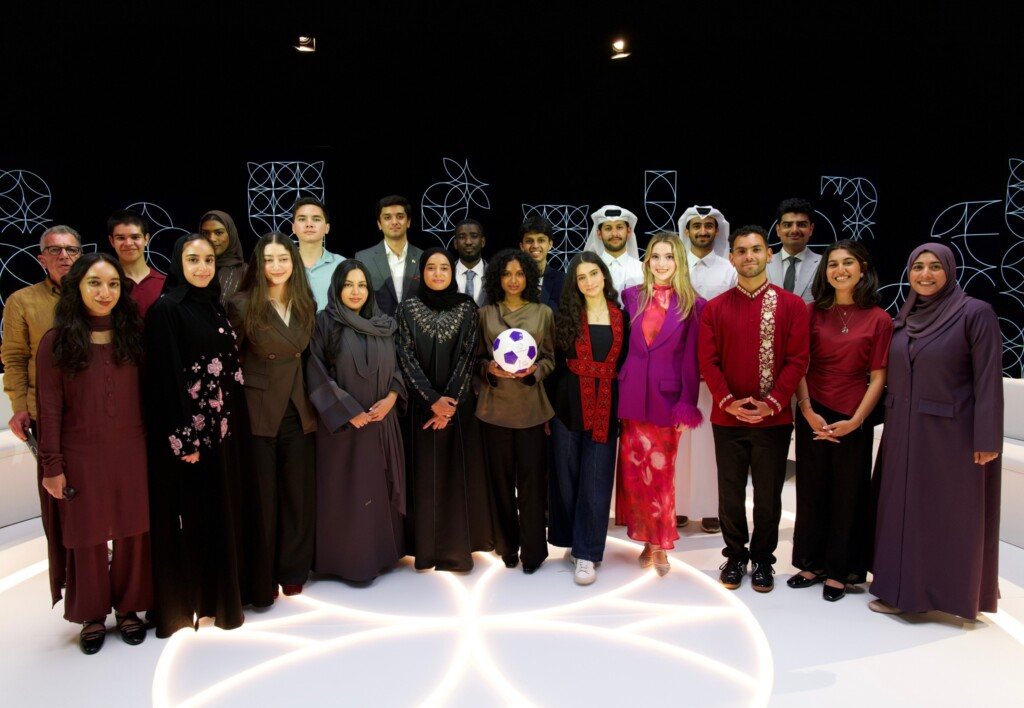
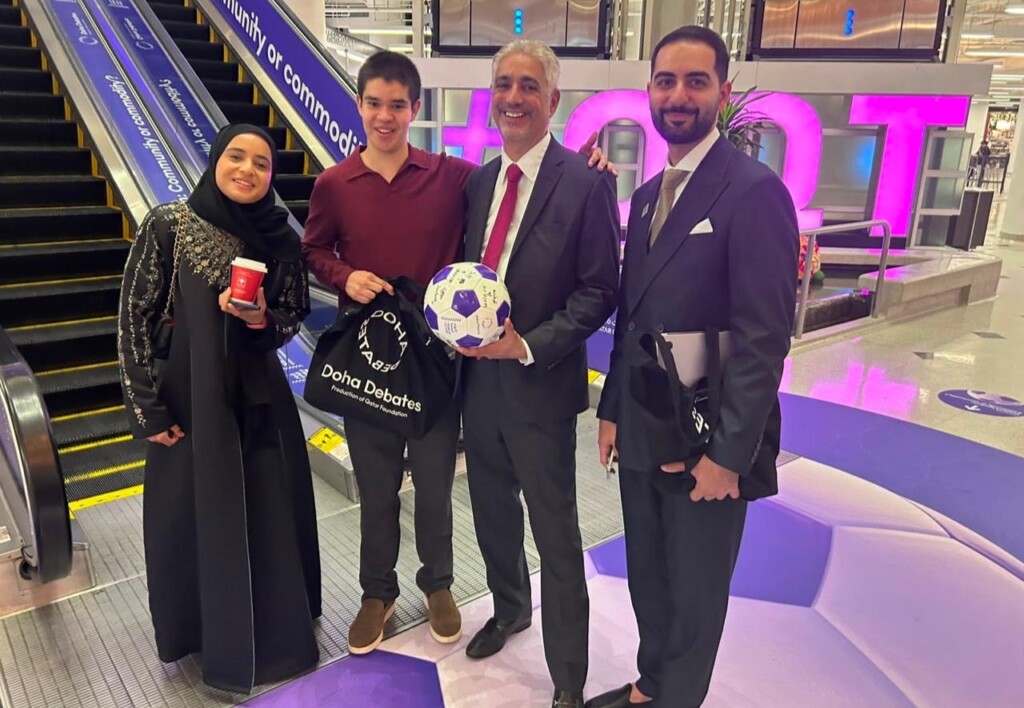
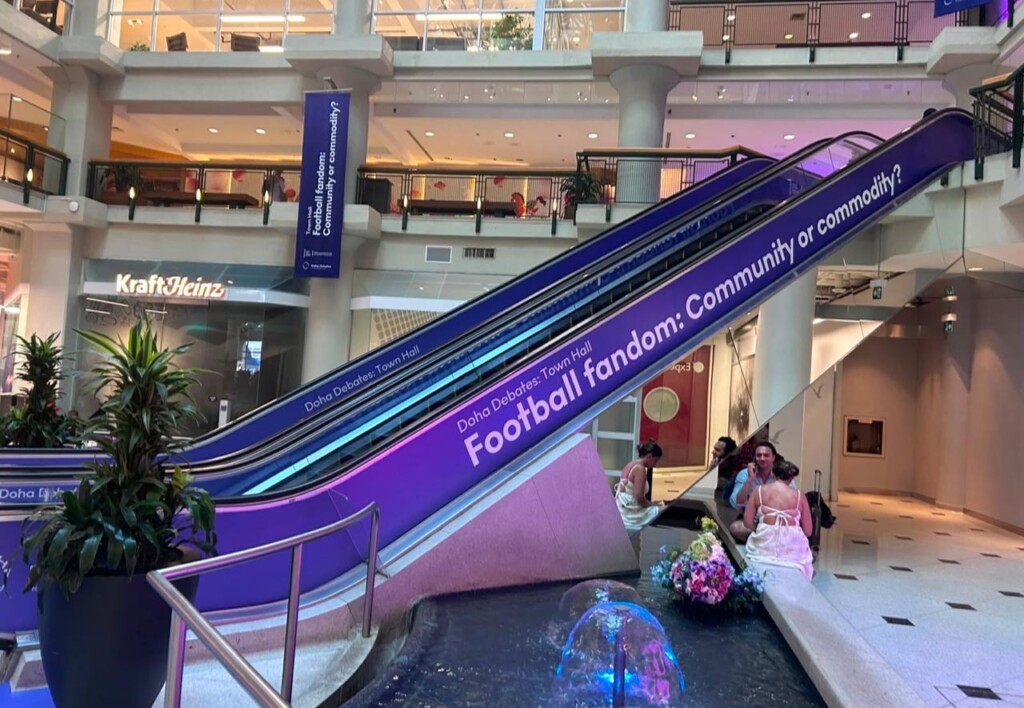
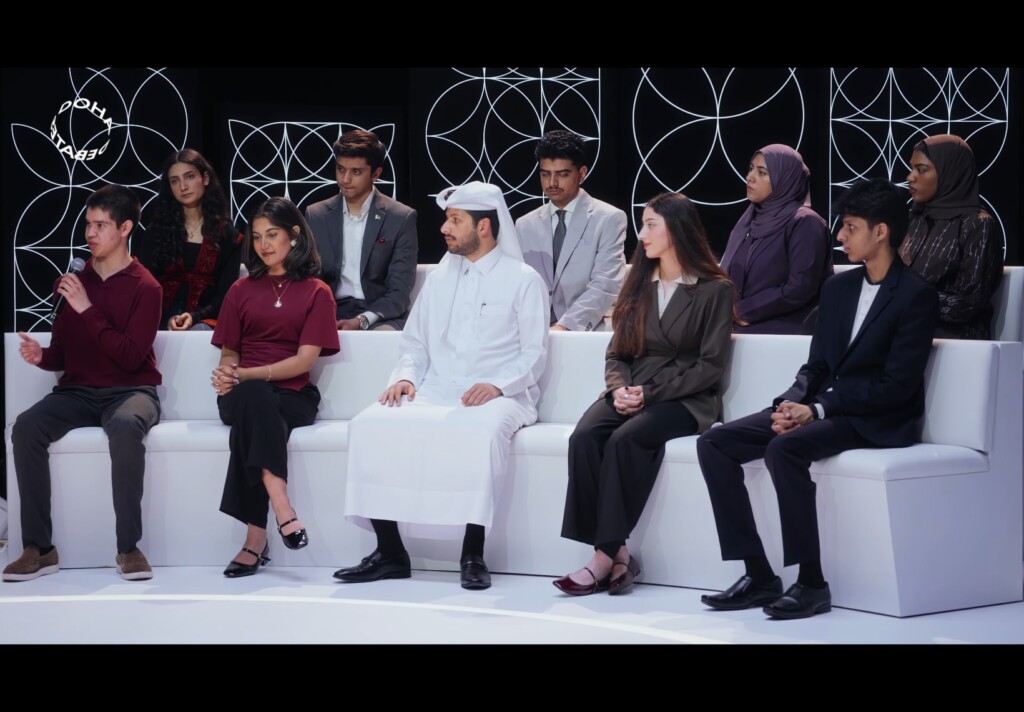
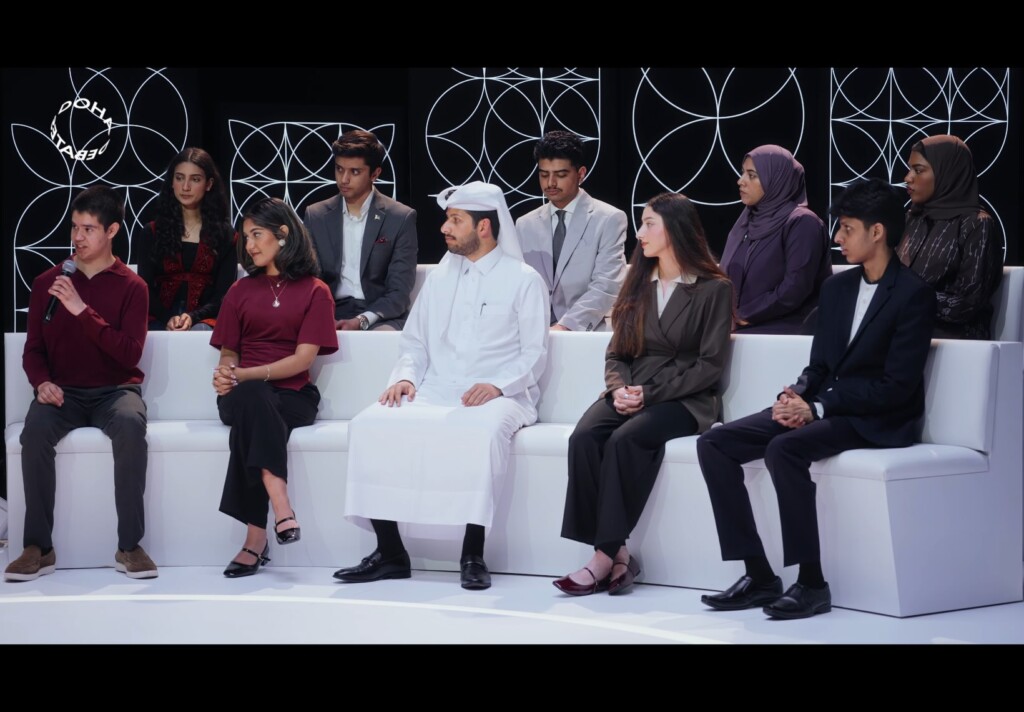
On July 8, the two parts of my identity met a third culture when I joined the Qatar-led Doha Debates Town Hall, Football Fandom: Community or Commodity?
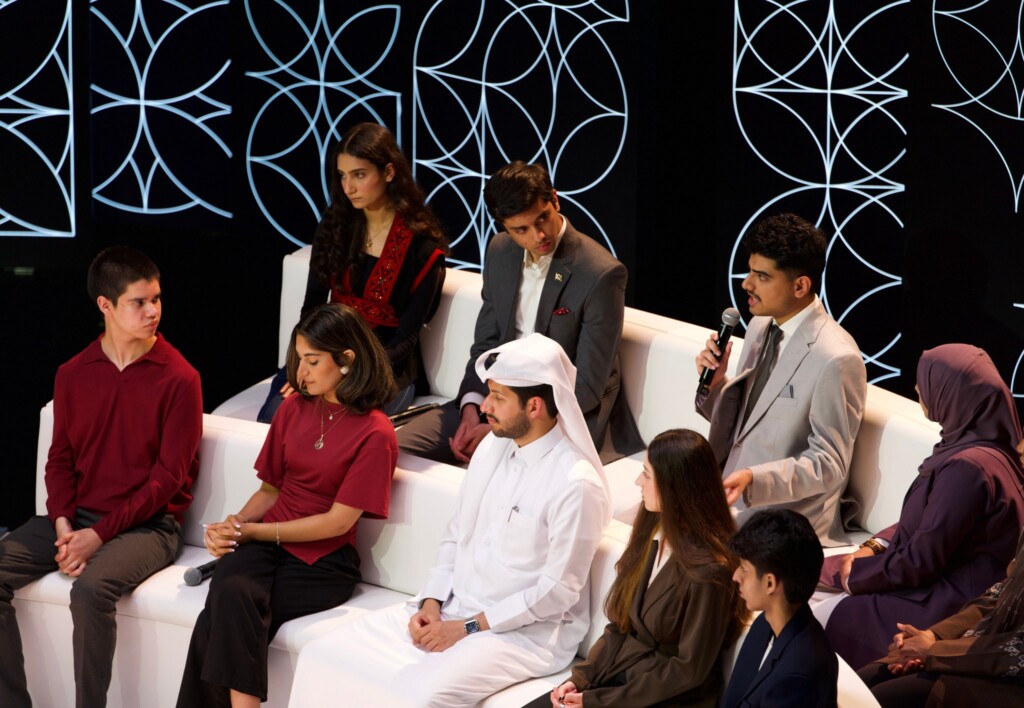
As part of the Qatar, Canada and Mexico 2026 Year of Culture, I participated alongside 19 other students and recent graduates with international connections. We came from different places, but football gave us a common language immediately.
The three-country connection made the program especially meaningful to me. Canada and Mexico were co-hosting the 2026 FIFA World Cup, while Qatar had hosted the tournament in 2022. I was a Mexican-born student living in Canada and participating in an event organized by Qatar. It felt like three different parts of the world had come together in one room.
The political alignment showed me what cultural diplomacy can look like on a human scale. It is not only about leaders signing agreements. It can also be young people sitting together and learning how others understand loyalty, identity, community and belonging.
The political context mattered. In January, Prime Minister Mark Carney became the first sitting Canadian prime minister to visit Qatar. Canada and Qatar announced deeper cooperation in trade, investment, technology and security, including sharing lessons from Qatar’s experience hosting the World Cup. Mr. Carney also emphasized the Year of Culture as a way to strengthen people-to-people ties. By July, our Town Hall was giving that diplomatic language a practical form.
Before the debate, activities helped us get to know one another. We played football on a floating pitch, attended workshops, compared models of club ownership and discussed how money is changing the relationship between teams and their supporters. By the time we appeared before an audience, we were comfortable enough to disagree without making it personal.
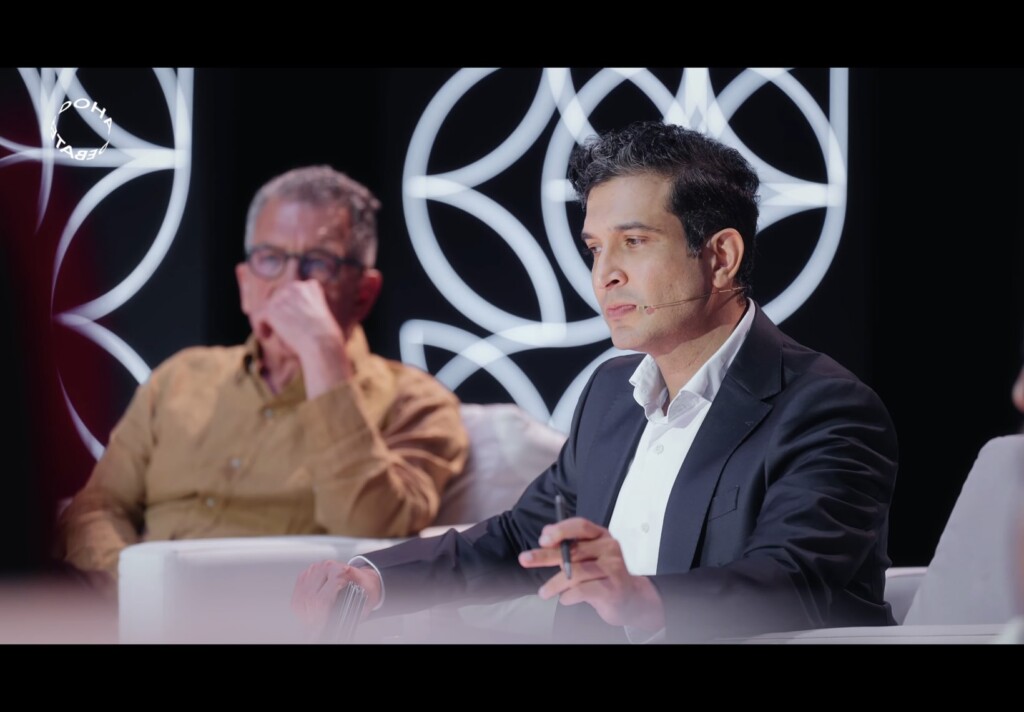
Doha Debates uses the Arabic majlis tradition, which encourages people to listen and search for common ground. This felt different from university debates, where the goal can seem like proving the other person wrong. In the majlis format, changing your mind is not losing. It may mean that you listened closely enough to understand another perspective.
During the Town Hall, we considered both sides of football’s commercialization. Investment can improve facilities, attract talent and grow the sport. Higher prices and distant ownership can disconnect supporters from their clubs. Success should not be measured only through revenue or attendance. We should ask whether fans have a voice, who benefits and what remains for the community afterward.
The experience also taught me about culture beyond football. A University of Toronto presentation introduced us to Indigenous histories and traditions in Canadian sport. Students from Doha spoke about Education City, family customs, hospitality and respect. I brought Mexico into the conversation through its football culture, its history as a World Cup host and my experience of growing up between two countries.
Before travelling from Ottawa, I read about Qatari history. I learned that listening is not passive; it is a form of respect. My political science courses teach me about diplomacy through governments and institutions. This experience showed me its personal side: curiosity, preparation and a willingness to reconsider what you think you know.
Football did not make our differences disappear. It simply made it easier to start talking about them. That is what I will remember most. Cultural diplomacy does not always begin in a government office. Sometimes it begins with 20 students, one shared interest and the decision to listen to one another.