Field Notes: Exploring the Intersections of Disability, Gender and Technology
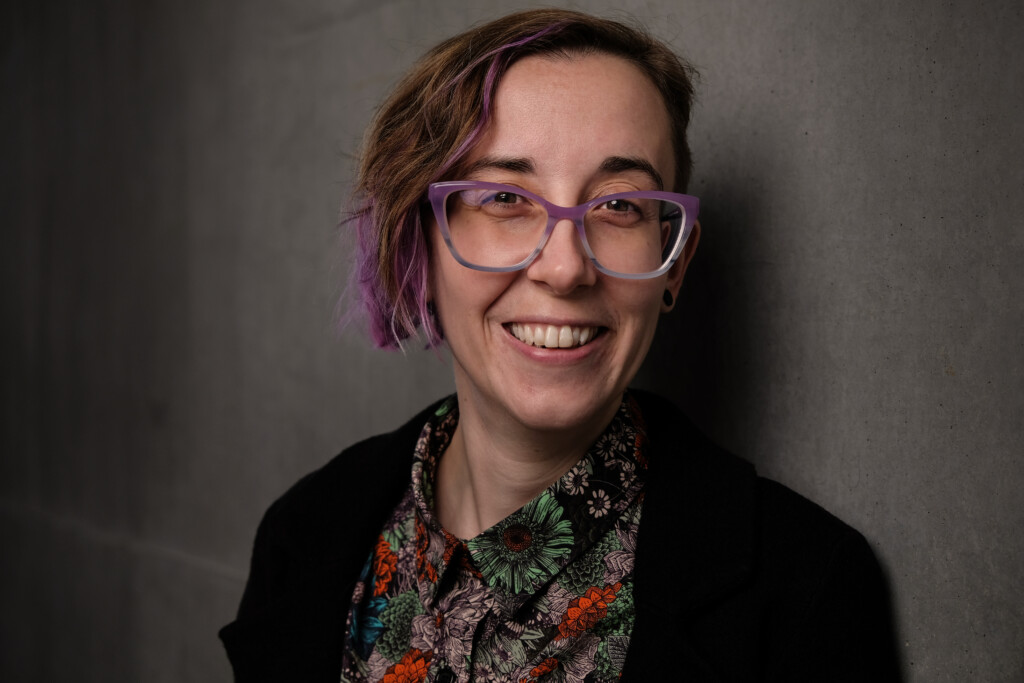
M. Remi Yergeau is challenging assumptions about disability, gender and technology. As the Canada Research Chair in Critical Disability Studies and Communication, they created the Digital Accessible Futures Lab, which amplifies underrepresented voices and explores how technology can help shape more accessible and inclusive futures.
What are you working on these days?
My research looks at how disabled folks “do” gender. I’m especially interested in how technology mediates popular understandings of what it means to be neurodivergent and what it means to be transgender. Some of this work involves engaging with digital health tools, some of it involves social media, and some of it involves (lots and lots of) self-help books.
I’m also a co-PI on a grant project called the DISCO Network (Digital Inquiry, Speculation, Collaboration, and Optimism). DISCO is a multi-institutional collaboration that focuses on digital futures at the intersections of race, gender, and disability. Through DISCO, I am running a lab at Carleton called the Digital Accessible Futures Lab (DAF Lab). We’re organizing an upcoming event on November 23 titled trans + crip + tech which is bringing together six speakers who work in the areas of transgender studies, technology, and disability activism.
DAF Lab have recently collaborated with the Autistic Women and Nonbinary Network, who released digital resource toolkits for trans and disabled voters in the US. These resources provide plain-language information about registering to vote and meeting accessibility needs at polling places. We are also about to launch the first episodes of a disability technoculture podcast titled Glitch, Glitter, Stim. So far, we’ve spoken with the director of a disability nonprofit, a crip technoscience researcher, a film production team, and a disability archivist.
What piqued your interest in this topic?
I’ve been immersed in autistic digital communities before social media existed. I entered the fray when autism blogs were all the rage and there was an autistic island in Second Life. My interests in digital disability advocacy are both personal and professional.
The recent incarnation of anti-trans discourse uses neurodivergent people as a foil for claiming that trans youth don’t exist. Anti-trans actors frequently leverage tropes that have long been harmful toward autistic people, folks with OCD, and other neurodivergent people, and they typically blame neurodivergent youth’s information-seeking habits, friendships, and social media usage as causals for being trans. These actors have also worked to refashion therapies such as cognitive-behavioural therapy (CBT) for use in conversion therapy.
What is something people would be surprised to learn?
When I started grad school, I had no intention of being a disability studies researcher. I thought I was going to research digital writing tech, or maybe the history of feminist rhetoric. When I started my PhD, the president of my university gave a speech in which he claimed that autism shouldn’t exist. That galvanized me, and I became very involved with local and national autistic self-advocacy efforts as a result.