Indigenous Services Minister Gull-Masty Keynote at Katherine A.H. Graham Annual Lecture
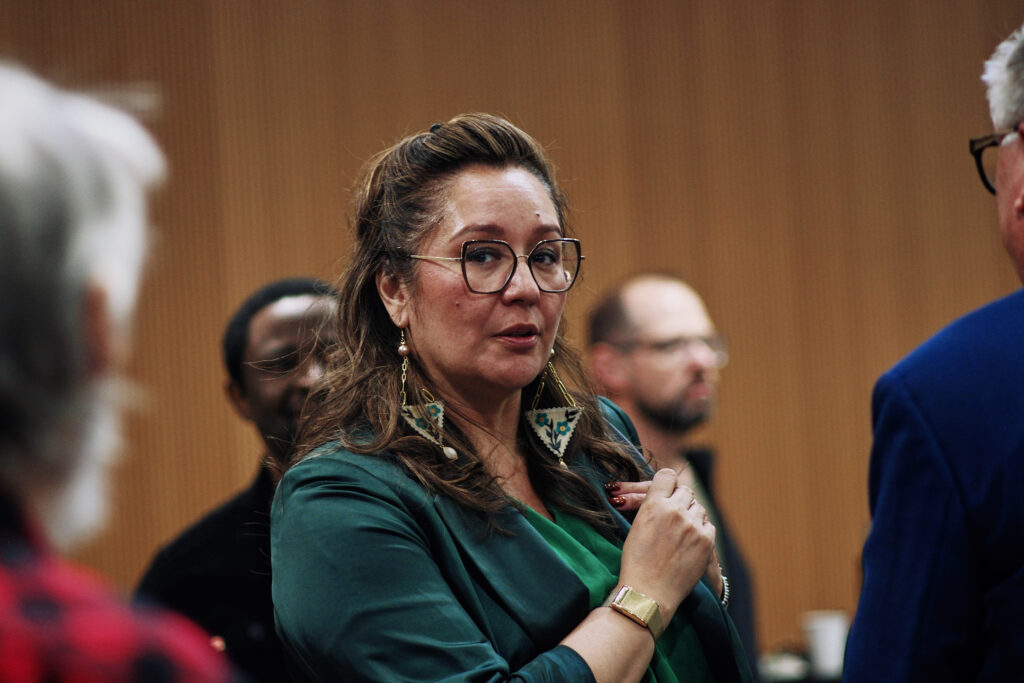
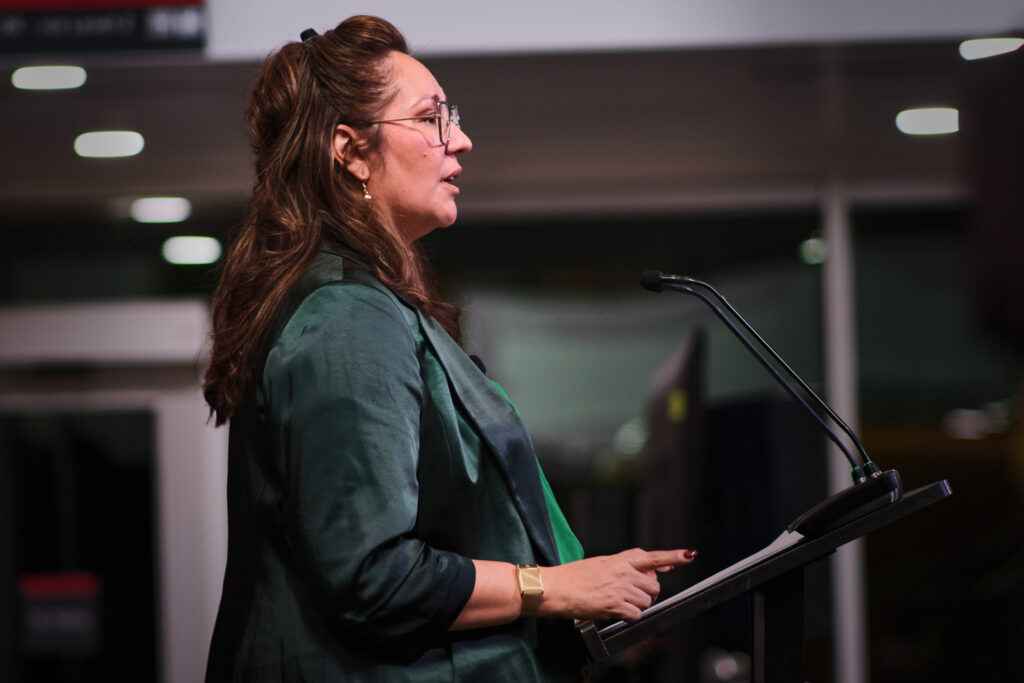
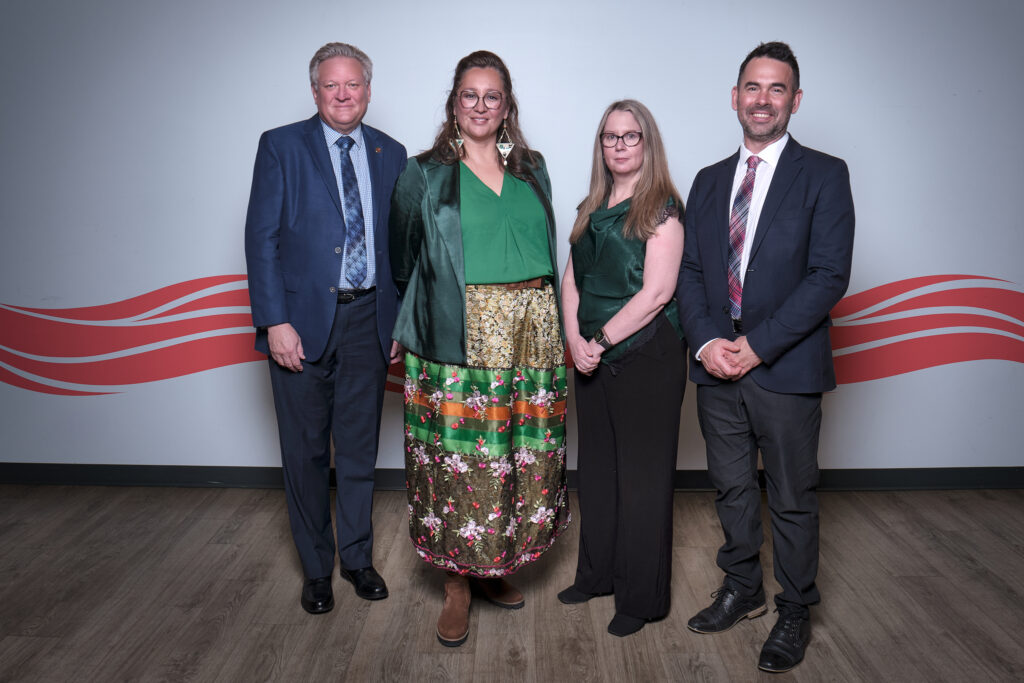
It was a day that began with remembrances of Katherine Graham, a colleague, friend, and leading researcher in Indigenous policy, and ended with remarks from the Honourable Mandy Gull-Masty, the Minister of Indigenous Services and a leader of the next generation.
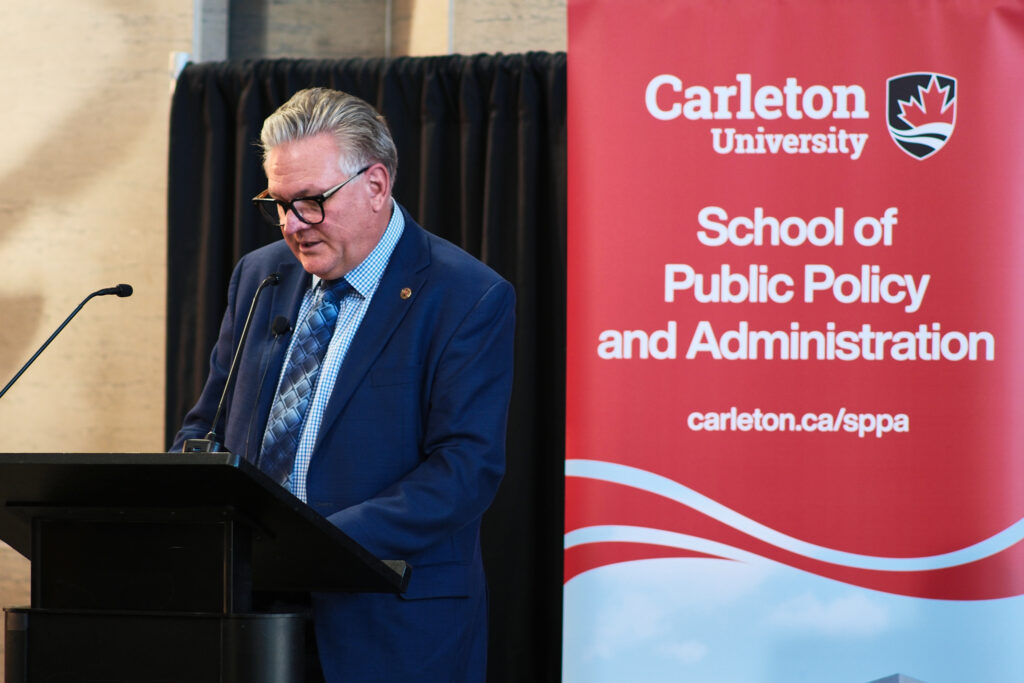
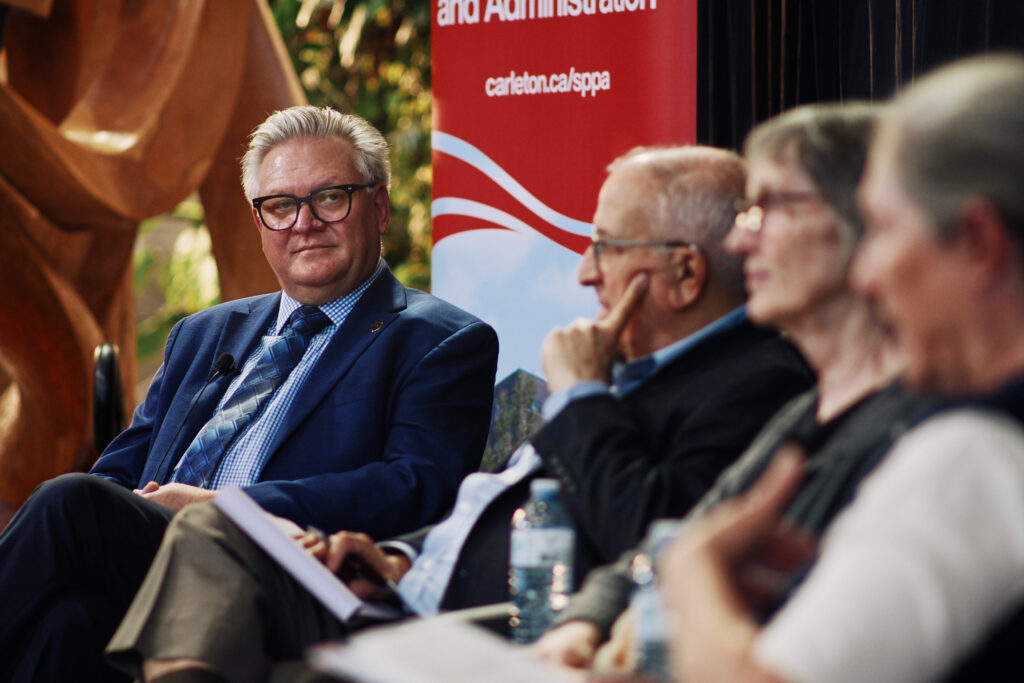
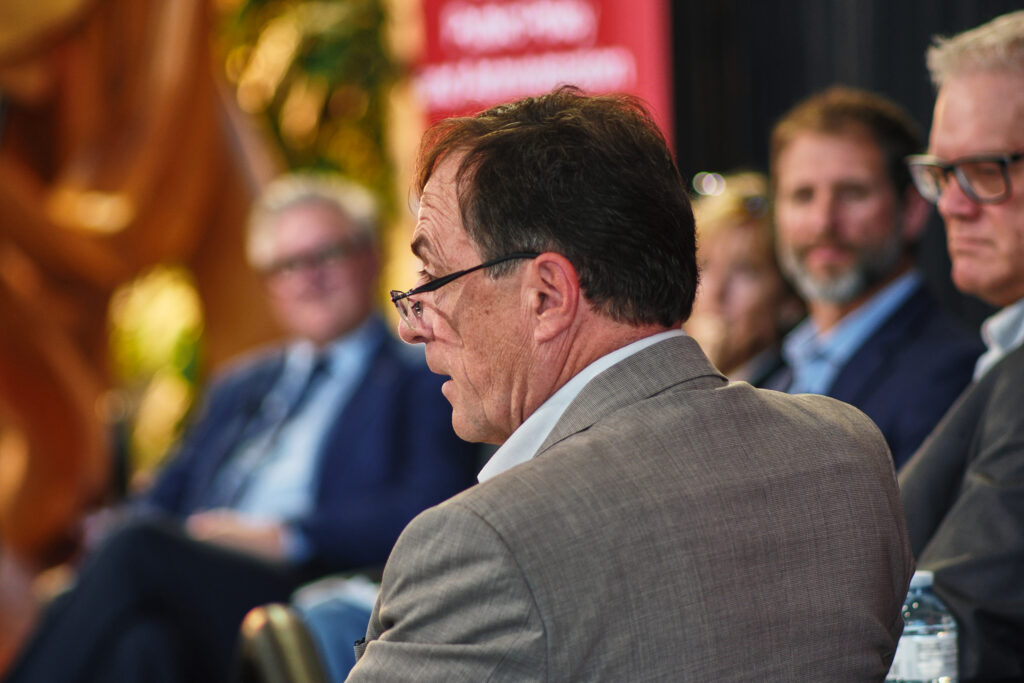
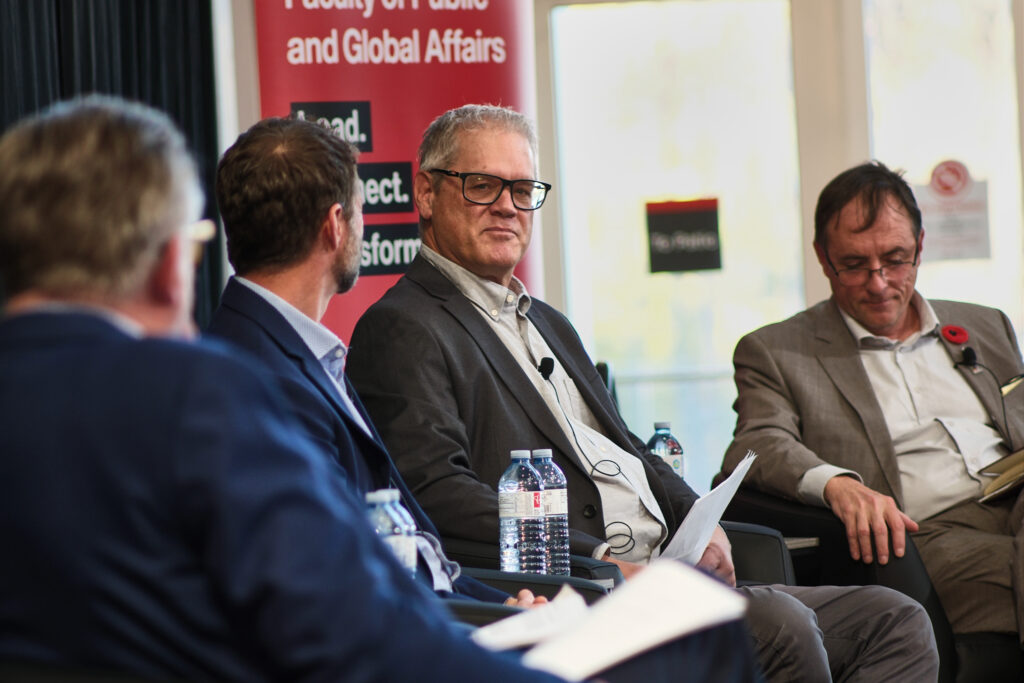
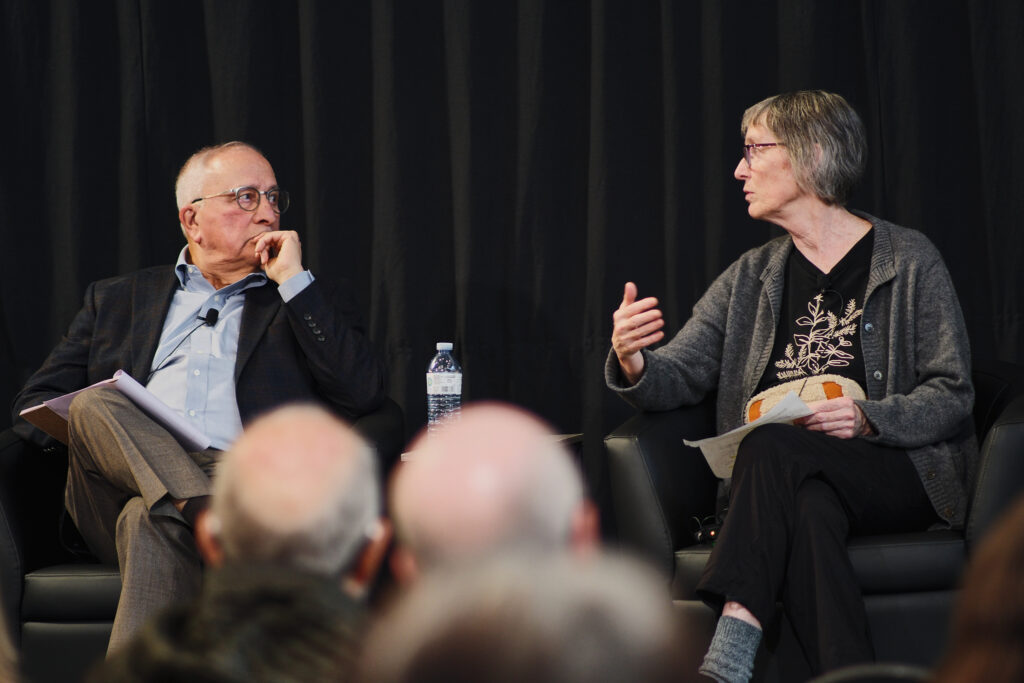
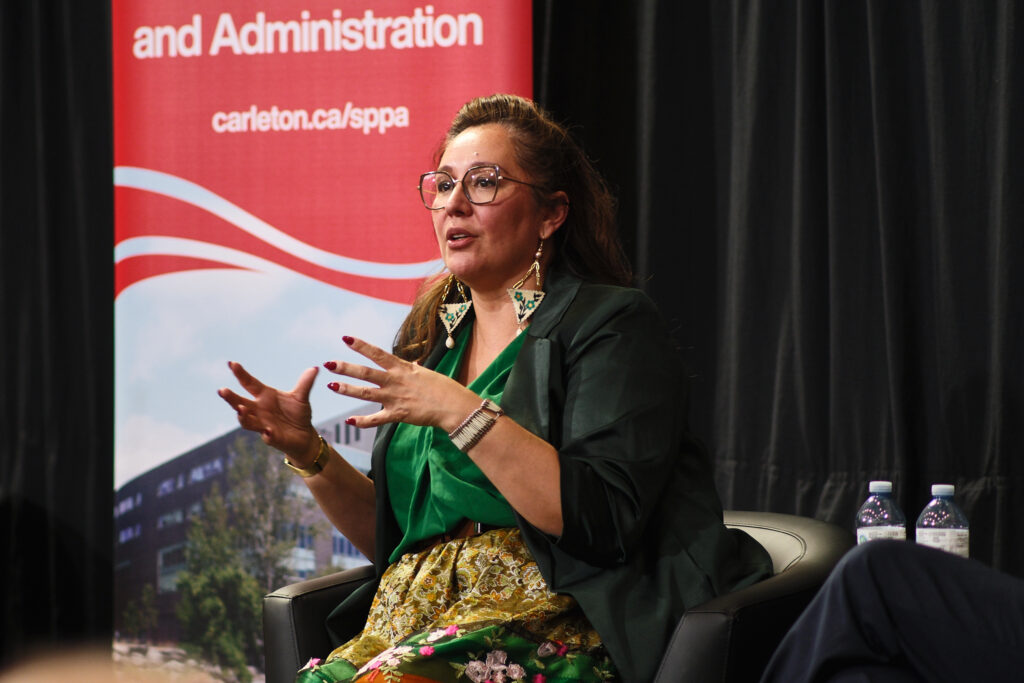
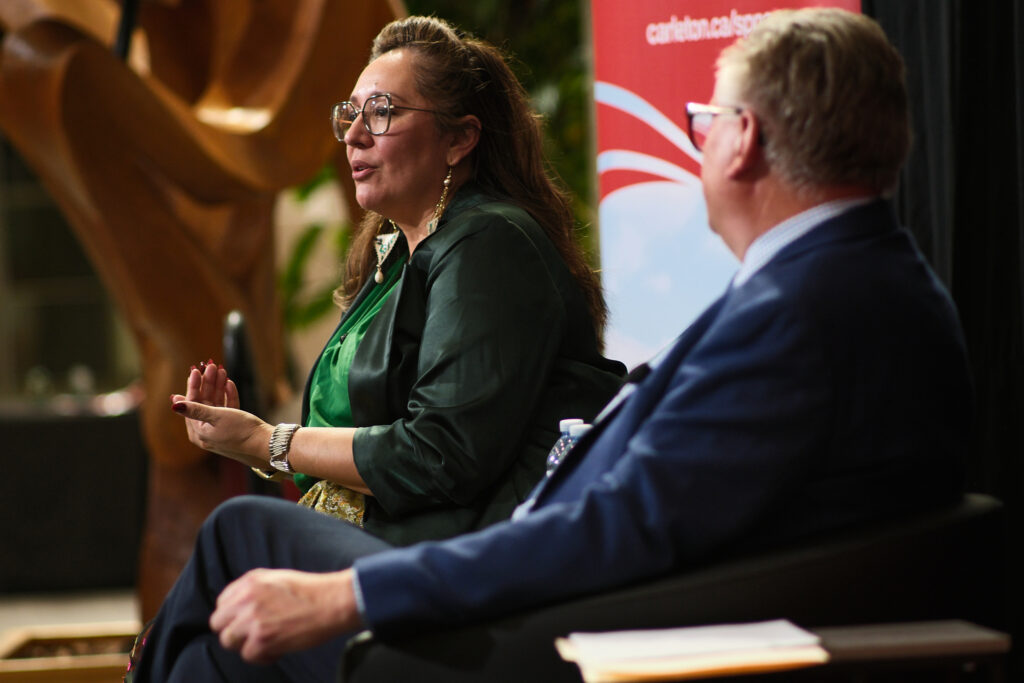
On October 22, Minister Gull-Masty delivered The Katherine A. H. Graham Lecture in Indigenous Policy co-organized by Josh Greenberg and Robert Shepherd. Her talk was preceded by two panels of co-volunteers, friends and colleagues who worked with Katherine who was Professor Emerita in the School of Public Policy and Administration.
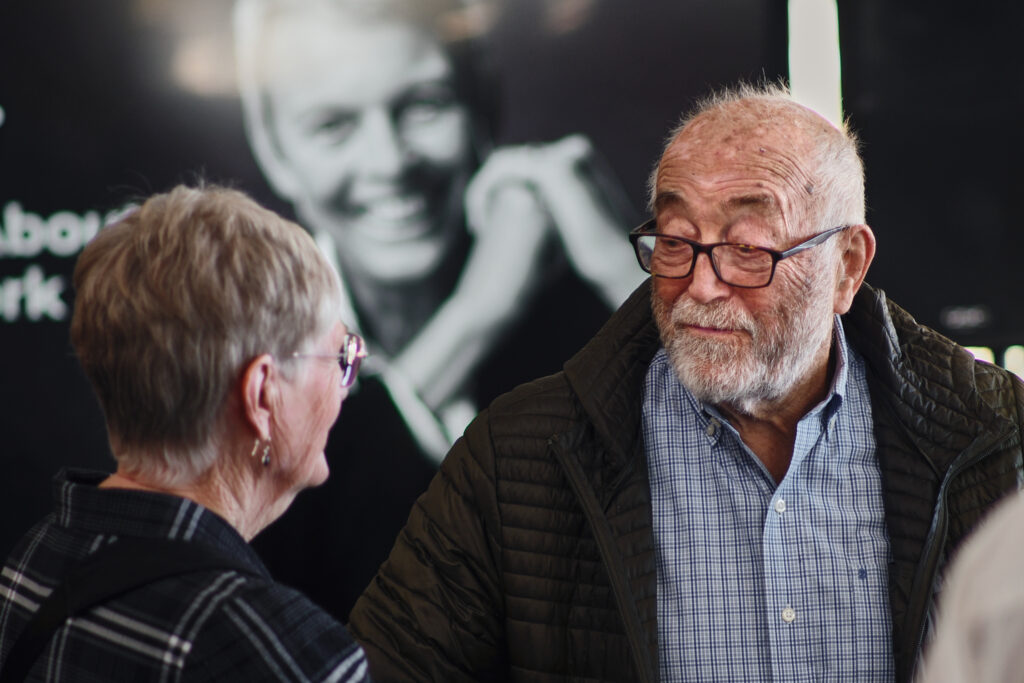
“For most of this lecture’s history, Katherine sat in this audience. This is the first year she is not with us,” said Robert Shepherd, a colleague in the School of Public Policy and Administration who described Katherine as his colleague, mentor, and close friend. “That is why, this year, we chose to hold two panels before the lecture. We wanted to bring together the two worlds Katherine moved between, the university and the community, because to her they were never separate. The Katherine who served on the Royal Commission and the Katherine who sanded a wooden hull beside the St. Lawrence were the same person, asking the same questions: how do communities actually govern themselves, and how can the rest of us help them do it better?”
Katherine Graham’s research interests included Indigenous and northern development policy, urban and local governance and institutional reform in government. Among her many leadership roles, she served as Co-director of Research on Governance for the Royal Commission on Aboriginal People, established in 1991.
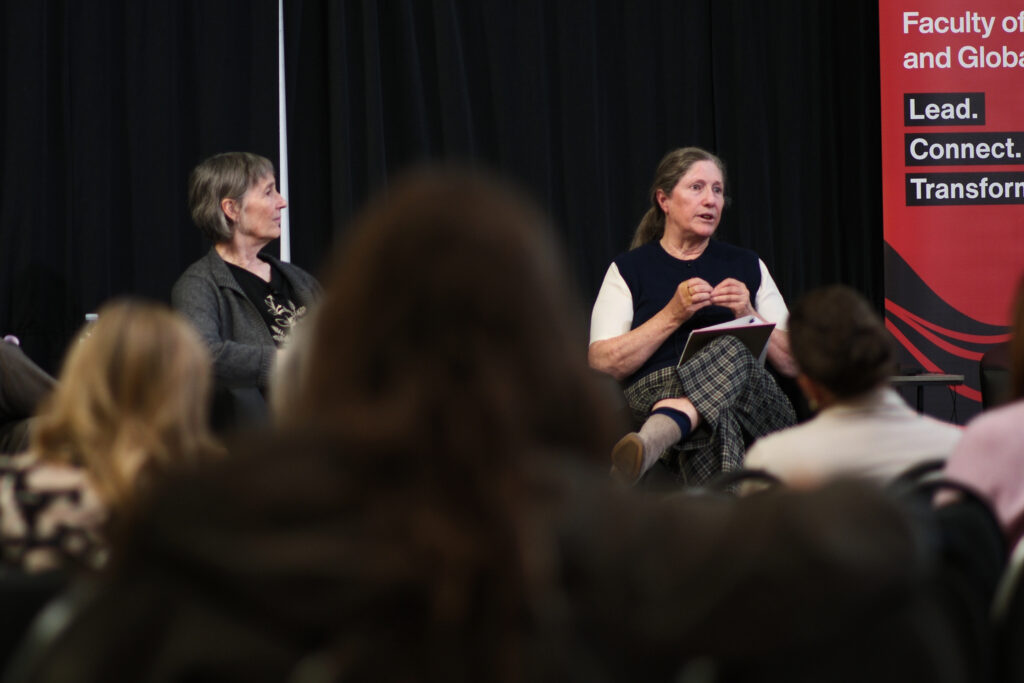
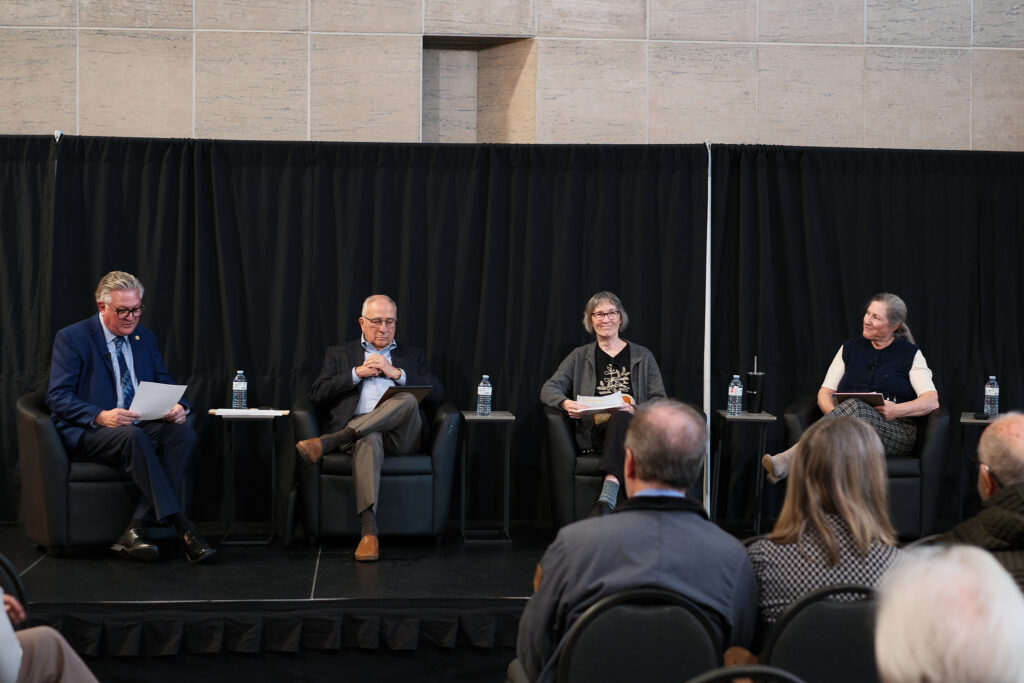
The first panel highlighted Katherine’s work in The Thousand Islands, Ontario; her involvement with the Thousand Islands Boat Museum (Gananoque); her contributions to local committees and public service; and her connections within the community. For many, this was the highlight of the day, as the panelists shared their personal stories of working with Katherine and the contributions she made to local organizations and their work. The panellists included:
- John Beddows, Mayor, Municipality of Gananoque
- Suzanne Richter, Director, Thousand Islands Boat Museum
- Todd Robertson, Councillor, United Counties of Leeds and Grenville
- Marty McConnell, OPP, Lansdowne Detachment
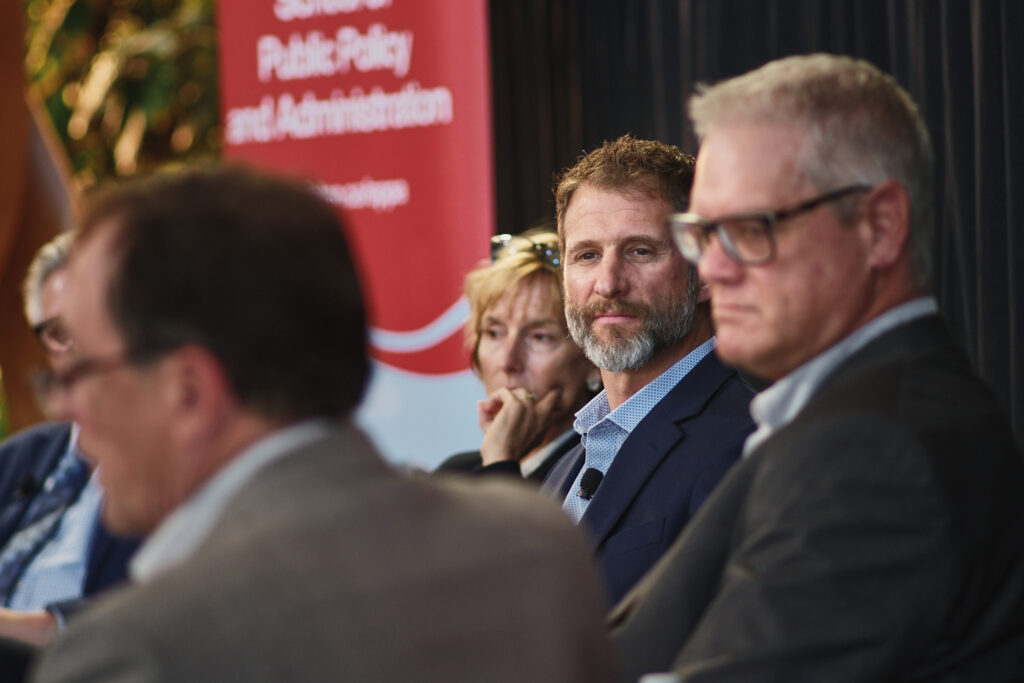
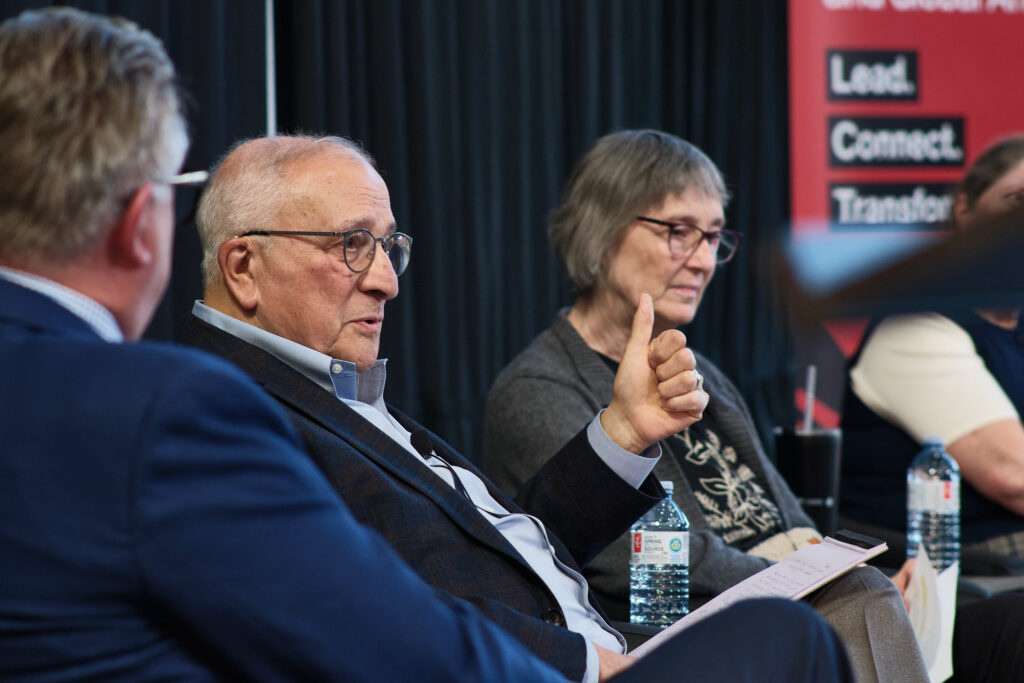
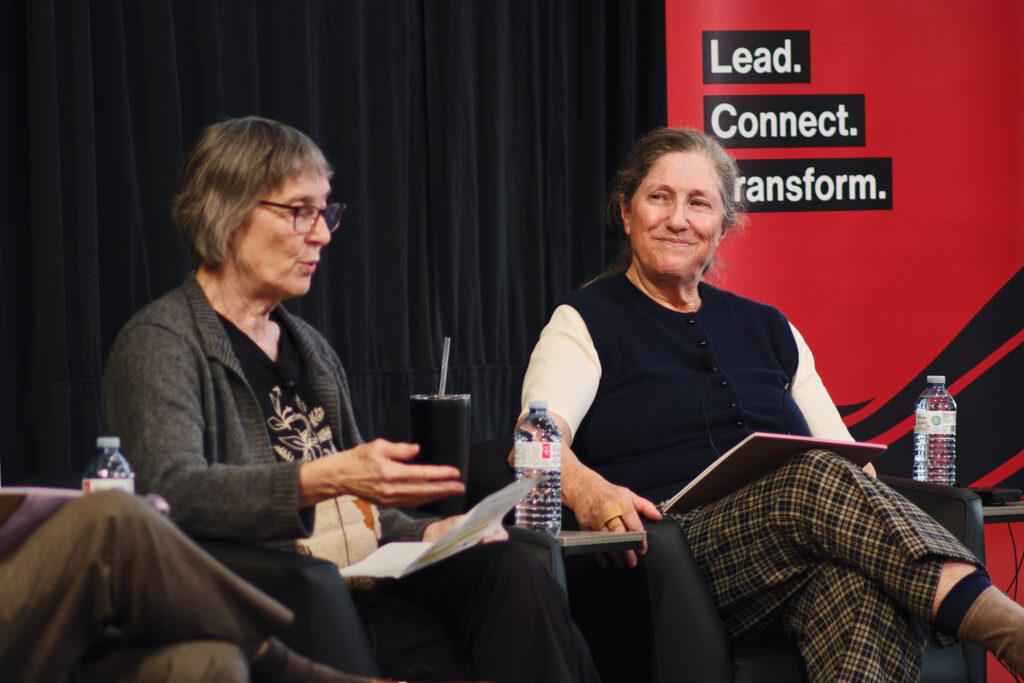
The second panel explored Katherine’s contributions to academia, public administration and management. The panel featured discussions of Katherine’s approach to research, her mentoring activities, and the various contributions to policy conversations of national interest. The panel featured:
- Allan Maslove, Professor Emeritus, Carleton University
- Kim Matheson, Professor, Carleton University
- Alex Ker, former student of Katherine Graham
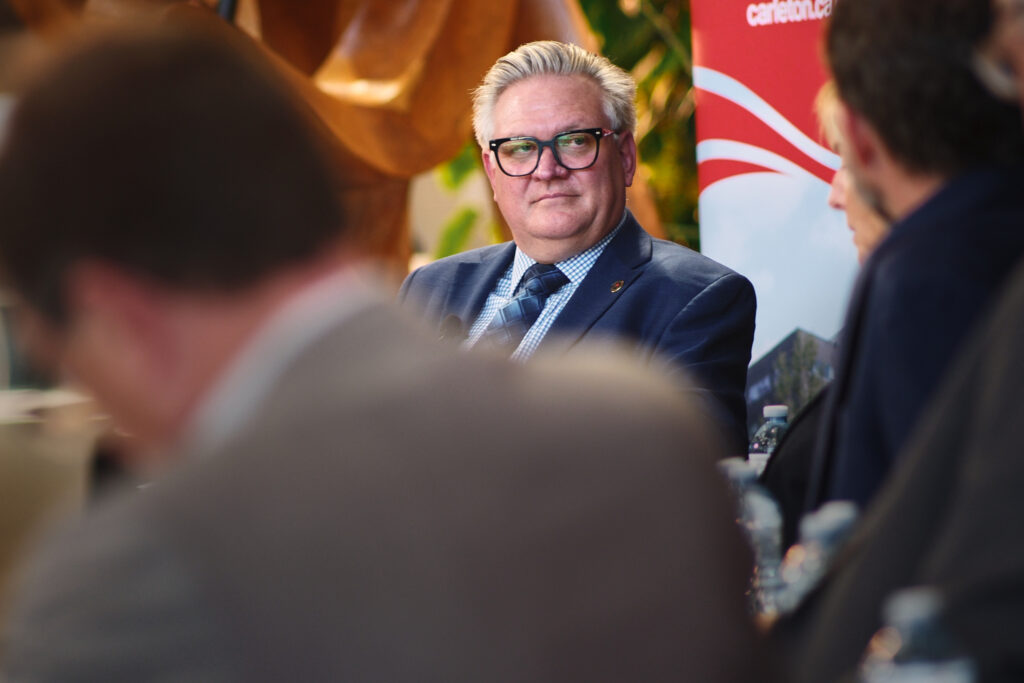
Following the panels, the Minister of Indigenous Services herself recognized Katherine’s leadership and dedication to Canada’s Indigenous communities.
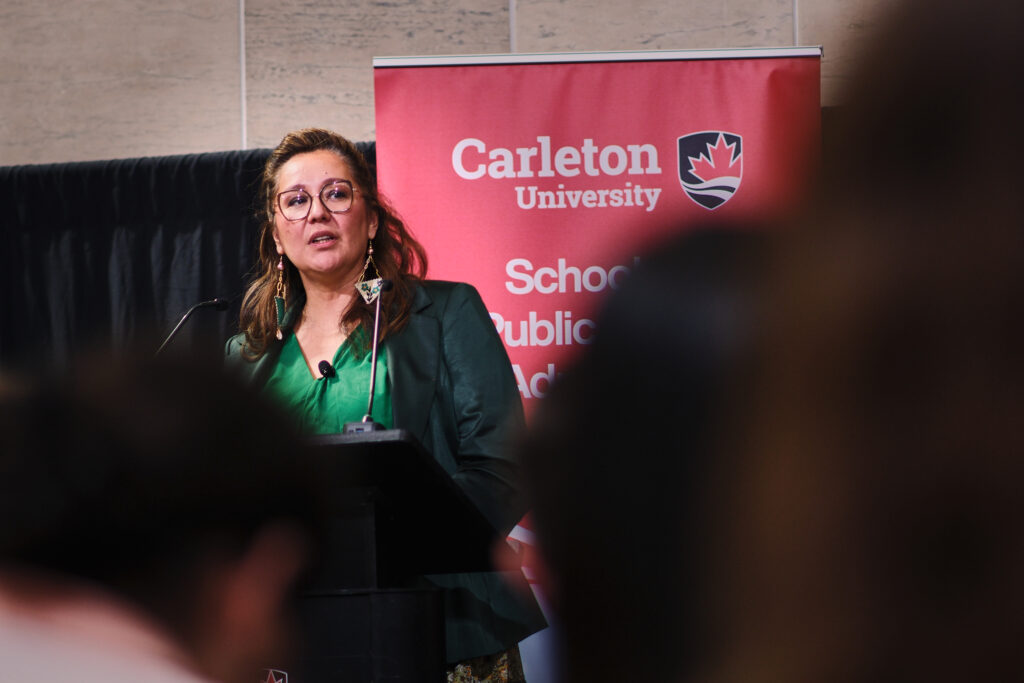
“It was really an honour for me to be asked to come here and speak about Katherine Graham because [her work] shaped the very reality of my everyday decisions and performances in this role,” said Gull-Masty, who is the Member of Parliament for Abitibi—Baie-James—Nunavik—Eeyou, Quebec. “It is a huge part of my work to take into consideration everything that she supported in terms of advancing and ensuring that there is space for Indigenous people to exercise jurisdiction, to take on responsibility, and to be self-determining.”
Gull-Masty was particularly struck by Katherine Graham’s commitment to collaboration as a researcher.
“I am from the Cree First Nation of Waswanipi and we have experienced researchers coming in, developing a lot of information, and then not always being cognizant that they’re living with something that’s of high value to the community,” said Gull-Masty. “Katherine really, truly helped advance a model of community-engaged research that recognized communities as partners in generating knowledge rather than being subjects of a study.”
As the first Indigenous person and first woman to serve as Canada’s Minister of Indigenous Services, Gull-Masty also acknowledged the challenges in being “an agent of the Indian Act.”
“There are times when I find myself in conflict with an institution that I work in, which is very colonial,” said Gull-Masty. “There is supposed to be a new relationship. There is a lot of work that needs to be done, and there is a transition. And at the heart of it is our responsibility, as First Nations, to take that space. To take that space, to walk into it, to own it, to reframe it, to redefine it, to challenge it, to push back on.”
In fact, Gull-Masty pointed out, Indigenous Services is closely involved with people’s daily lives, from birth to death and everything in between.
“We do education, health care, economic development, identification. It’s very comprehensive, but also complex because a lot of decisions are taken from the Indian Act, which is not conducive to advancing the rights of Indigenous people.”
At times, she referenced her community and her childhood, including a profound relationship with water.
“I remember as a child, my grandmother would send me with a bucket to get spring water and that water was incredibly important—how you use, it and how you conserve it,” she said. “Now, there are over 1,500 different water projects in community and 38 water advisories still in place. It’s incredibly complex. At the end of the day, for me, it’s about lifting those advisories and delivering that infrastructure.”
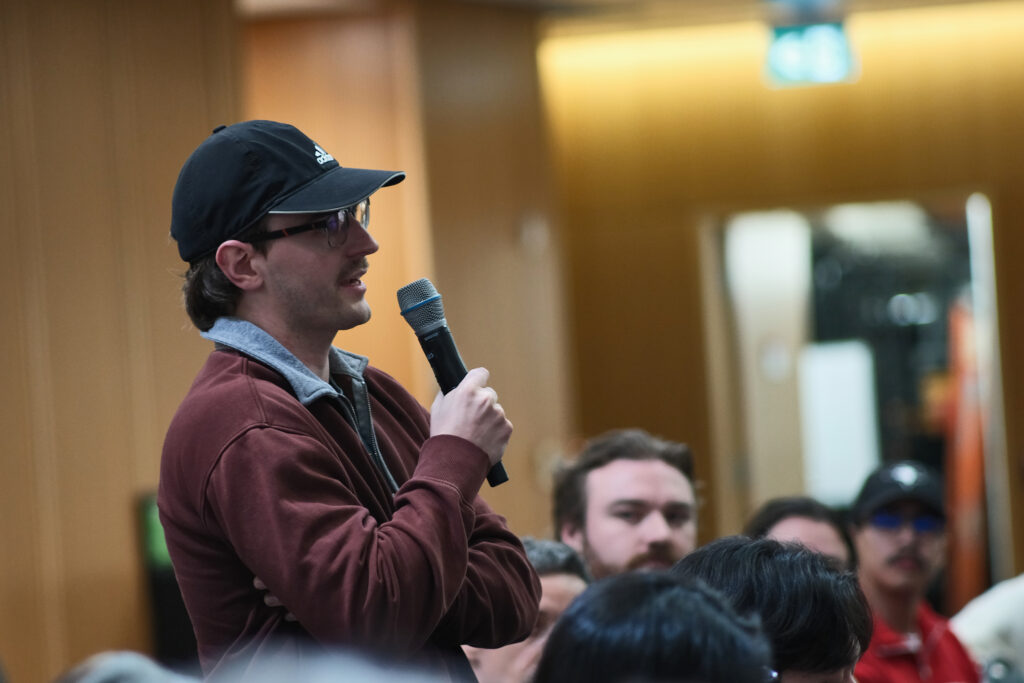
After delivering her prepared remarks, Gull-Masty took several questions from students in the audience.
“I want to be clear that the future of Canada is always going to be based on questions—questions that need to be answered, questions that need to be decided upon—and we need to create that space for Indigenous peoples to be at the table. We need to create venues where we want to engage and hear what their expectations are. We need to have these conversations.”
The lecture was well-supported by various members of the Faculty of Public and Global Affairs, including Mary Francoli, Dean; Josh Greenberg, Associate Dean (Research and Graduate); Office of the Dean staff members; University Advancement; and the School of Public Policy & Administration.
Media