Kiara Gibbs-Cawker Sought a Home on Campus, Then Created One for Others
From an early age, Kiara Gibbs-Cawker has always sought to create spaces where Black students can feel at home.
“I love being able to create community, connect with people—just to be able to see people smile, connect with others, and laugh,” she says.
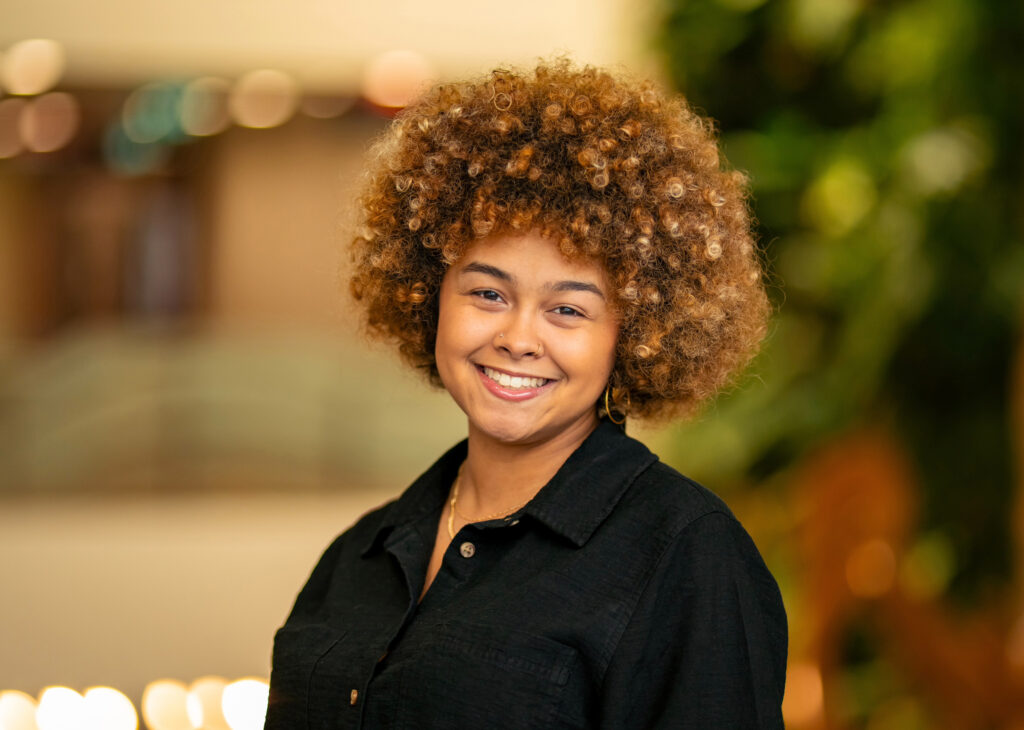
That instinct to bring people together has shaped her entire time at Carleton University. This spring, it also earned her the inaugural Faculty of Public and Global Affairs Student Excellence Award for Equity, Diversity, Inclusion and Reconciliation (EDIR), recognizing her sustained impact through both volunteer and paid roles supporting Black and racialized students.
A fourth-year student in the Bachelor of Global and International Studies program” to Gibbs-Cawker is graduating with a Bachelor of Global and International Studies with a minor in anthropology and a certificate in Teaching English as a Second Language. Originally from Oshawa, Ontario, she chose her program because she wanted to work in advocacy and social change—and because Carleton’s degree offered international learning opportunities. An academic experience in Turkey, where she explored the political dimensions of architecture, further solidified her desire to pursue a career that allows her to engage across cultures and travel globally.
Arriving on campus during the COVID-19 pandemic, however, made building connections difficult. “It’s already hard coming to campus for the first time,” she explains, “but being a Black student comes with a barrier most people don’t realize.” For Gibbs-Cawker, finding community was about more than social life—it was about having spaces where Black students could be themselves, speak openly about shared experiences, and feel supported without having to “put a mask on.”
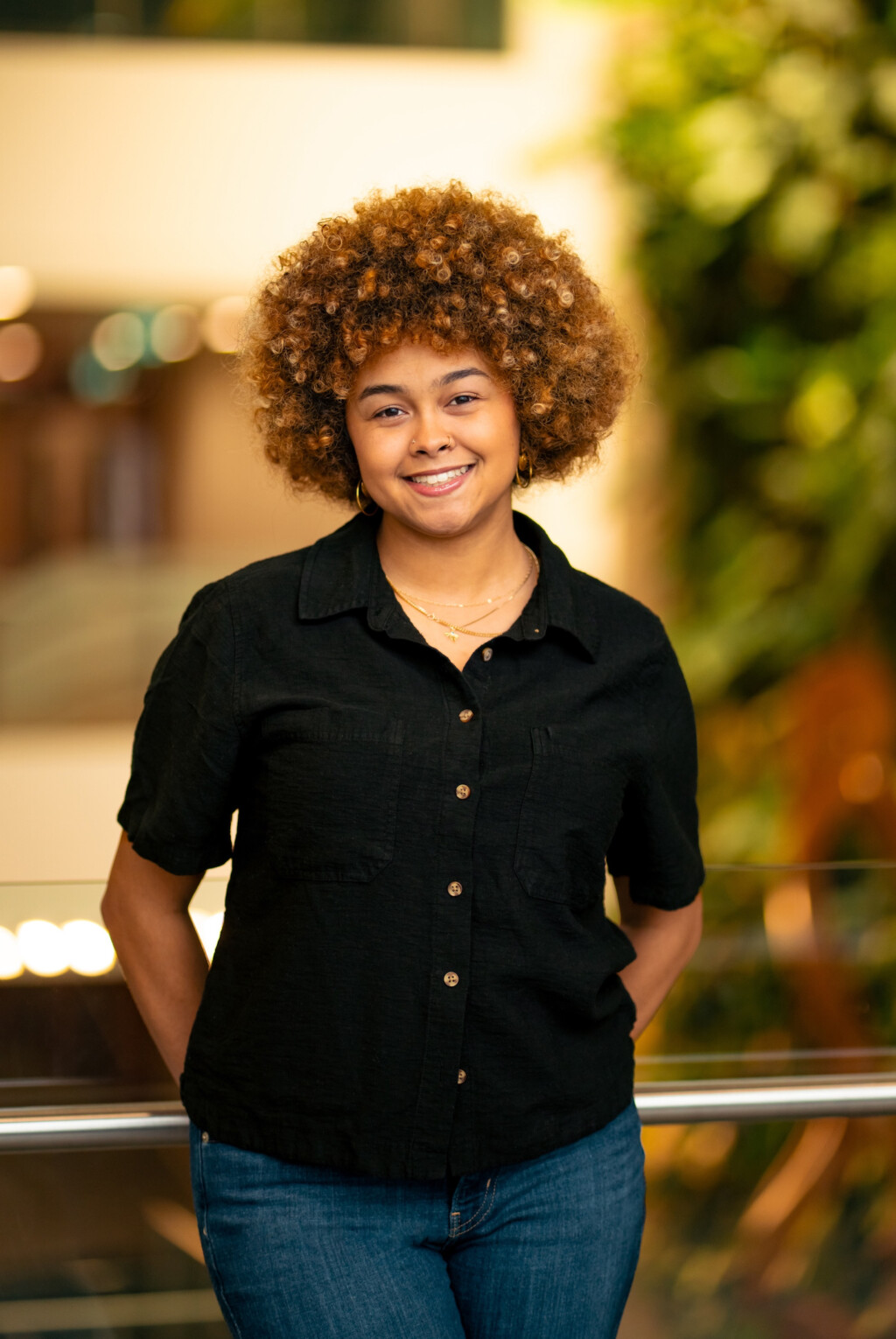
So she built the spaces she wished she had found. As the EDI Program Coordinator for African, Caribbean, and Black Students (as part of the university’s Student Experience Office), Gibbs-Cawker focused on creating welcoming, low-barrier events where students could attend alone and still feel they belonged. Over the past year, she organized more than 20 events spanning health and wellness, cultural dialogue, networking, and creative connection.
Highlights included a Black student field day that drew dozens of participants, a Black History Month market showcasing local and student-owned businesses, and a panel exploring the politics of Black hair in Canada. One of her most impactful initiatives was a pop-up hair salon on campus, organized with multiple partners, which addressed the high cost and limited access to culturally appropriate hair care. By subsidizing services, the event helped remove a barrier deeply tied to identity and self-expression for many Black students.
Alongside this work, Gibbs-Cawker also served as RISE Coordinator for Racialized and International Student Experience through the Carleton University Students’ Association, where she helped students access resources, navigate challenges, and find a physical space on campus to rest, talk, and feel supported.
As she prepares to graduate, Gibbs-Cawker is already looking ahead. This summer, she will return to Oshawa with a Pathy Fellowship grant to launch She Leads, a mentorship program for Black women aged 18 to 25. The initiative will pair participants with mentors, offer workshops on leadership and financial literacy, and culminate in a year-end gathering celebrating their growth.
If her time at Carleton is any indication, wherever she goes next, community will follow.