Learning from Kenyan Farmers
It’s hard to imagine that Canadian farmers would have much in common with—not to mention much to learn from—farmers in Kenya.
But as farmers face the dual challenge of climate change and rising fuel and fertilizer prices, Kenya’s farms are proving to be more climate resistant, more cost-effective, and more reliable in providing livelihoods than industrial agriculture.
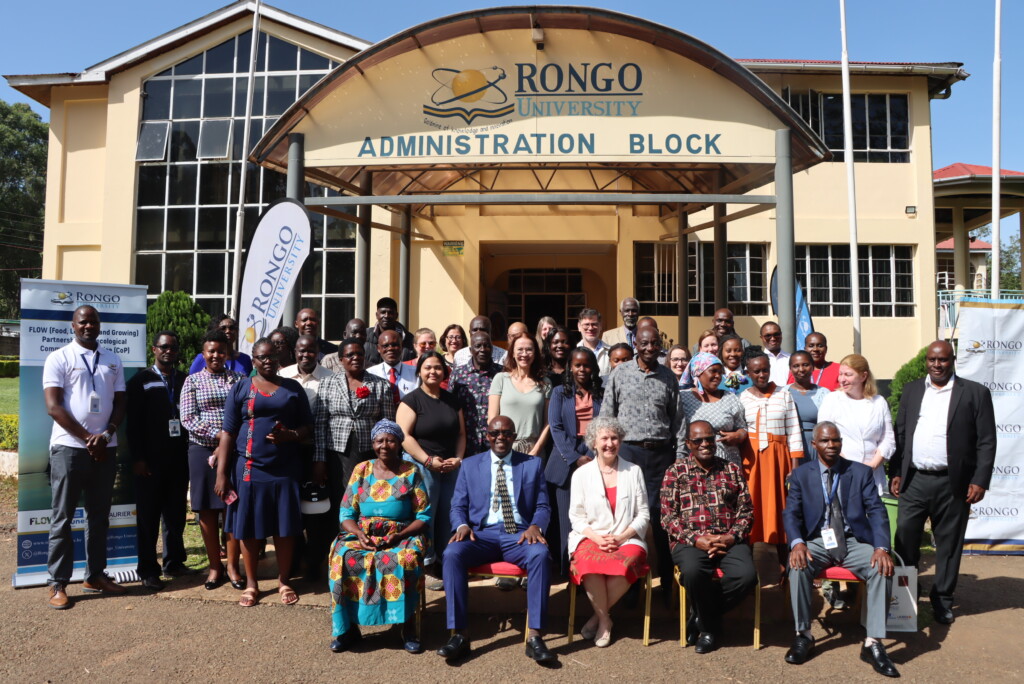
Communication and Media Studies Professor Irena Knezevic recently saw this first hand when she met farmers at a conference at Rongo University in Kenya for the FLOW (Flow, Food Growing and Learning) project, which brings together researchers and farmers from Canada, Mexico, Brazil, Australia and Kenya.
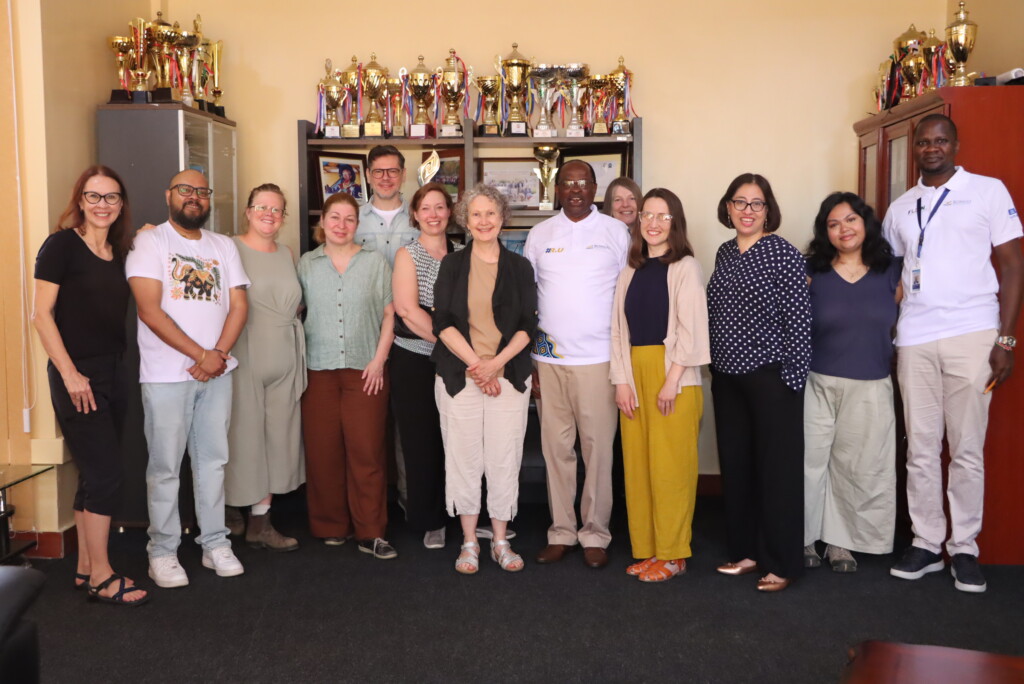
“This was intended to facilitate South-North knowledge-sharing and exchange to see how efforts in the Global South can inform more sustainable approaches to food systems in the northern hemisphere,” says Knezevic, a professor of Communication and Media Studies who’s a co-lead on the SSHRC-funded project.
“Our focus was on agroecology: food production that regenerates ecosystems and works with nature as opposed to trying to fight nature to grow food.”
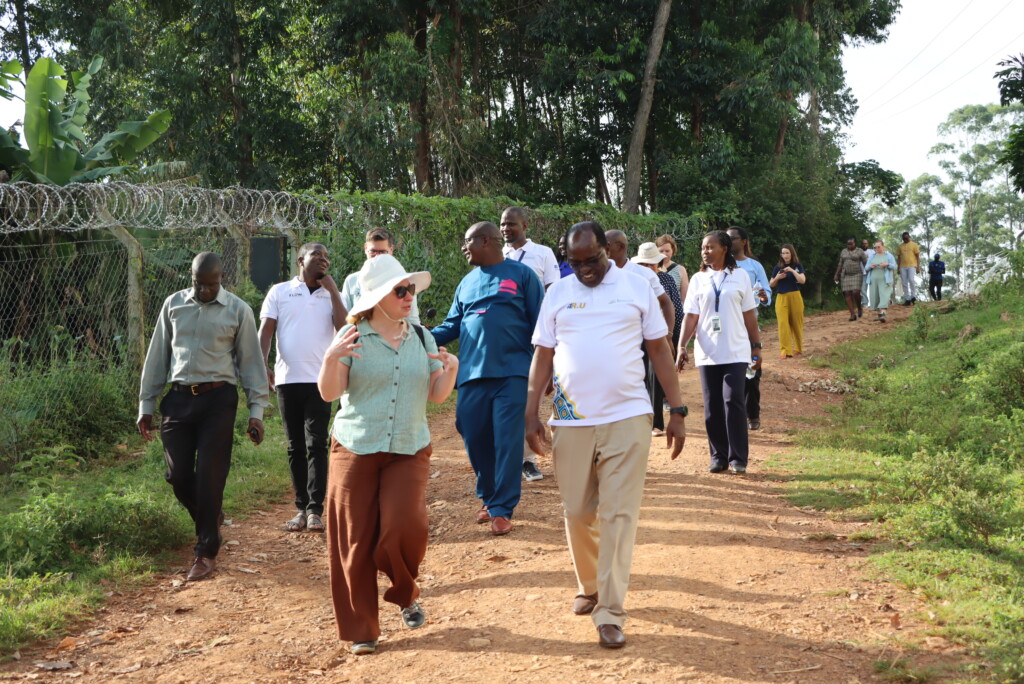
Several farmers who practice agroecology attended the conference and invited Knezevic and her colleagues to visit the small, diverse farms in Migori County, Kenya that embody this approach.
“We went to one farm that was growing bananas, 20 different kinds of fruit trees, all sorts of vegetables and herbs, cows and chickens, and they also have a fish hatchery. All of this was happening on six acres.”
Knezevic says it was all integrated, including the fish hatchery wastewater, which was used as fertilizer. She draws a comparison to northern countries.
“Here, there’s an assumption that if you’re not practicing industrial agriculture, you’re not really farming,” notes Knezevic. “Migori County has been really progressive in terms of agroecology. They see it as an approach that supports farmers’ livelihoods because the need for fertilizers and pesticides is reduced significantly. They also see it as a contribution towards climate change mitigation.”
Knezevic says while political support for small-scale agroecology is hard to find in Canada, nonprofit groups are stepping up. Just Food Ottawa, a community partner on the FLOW project, operates a piece of farmland in Blackburn Hamlet that’s available to aspiring farmers who want to rent a small plot for growing and processing food to be sold at farmer’s markets.
It’s success stories like these that Knezevic hopes to share with policymakers in Canada.
“We’re hoping that some of the lessons we brought back from Kenya can help us better communicate to policymakers, that there’s a potential to really expand the possibilities for people who want to do small-scale farming, but also increase the number of people who are actively engaged in our food system.”