A Journey of Resilience, Purpose, and Possibility
Ahmadshah Malgarai, PhD in Economics
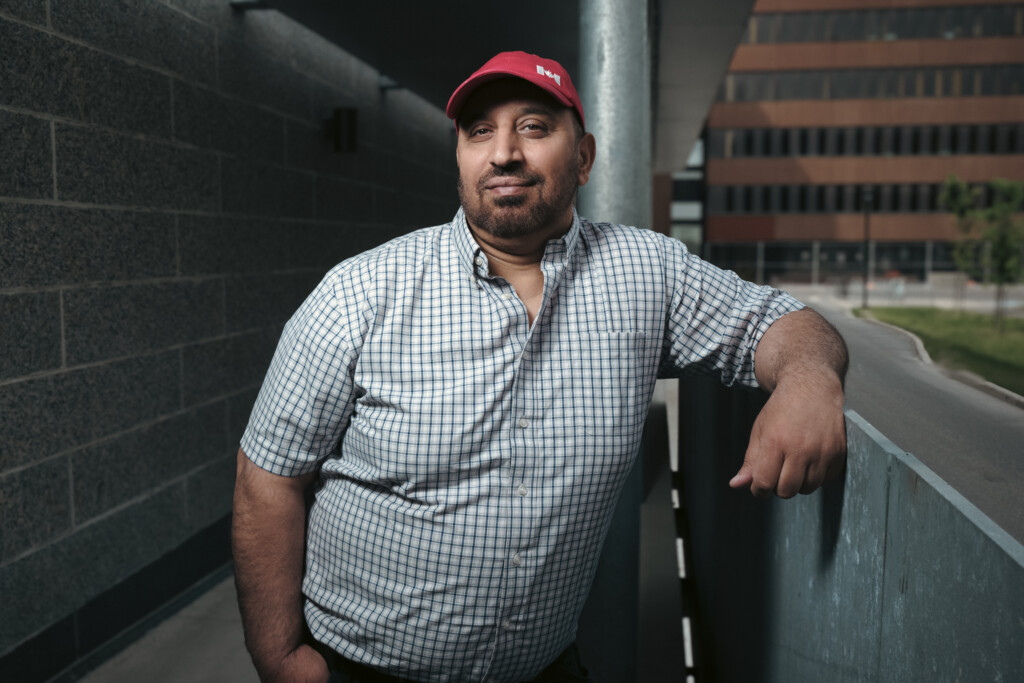
Students come to Economics for many reasons—an aptitude for mathematics, an interest in public policy, a path to government.
But Ahmad Malgarai came to Economics with a more fundamental question: “Why are some countries poor and others rich?”
Underneath that question lies a lifetime of experiences that few of his classmates could begin to comprehend.
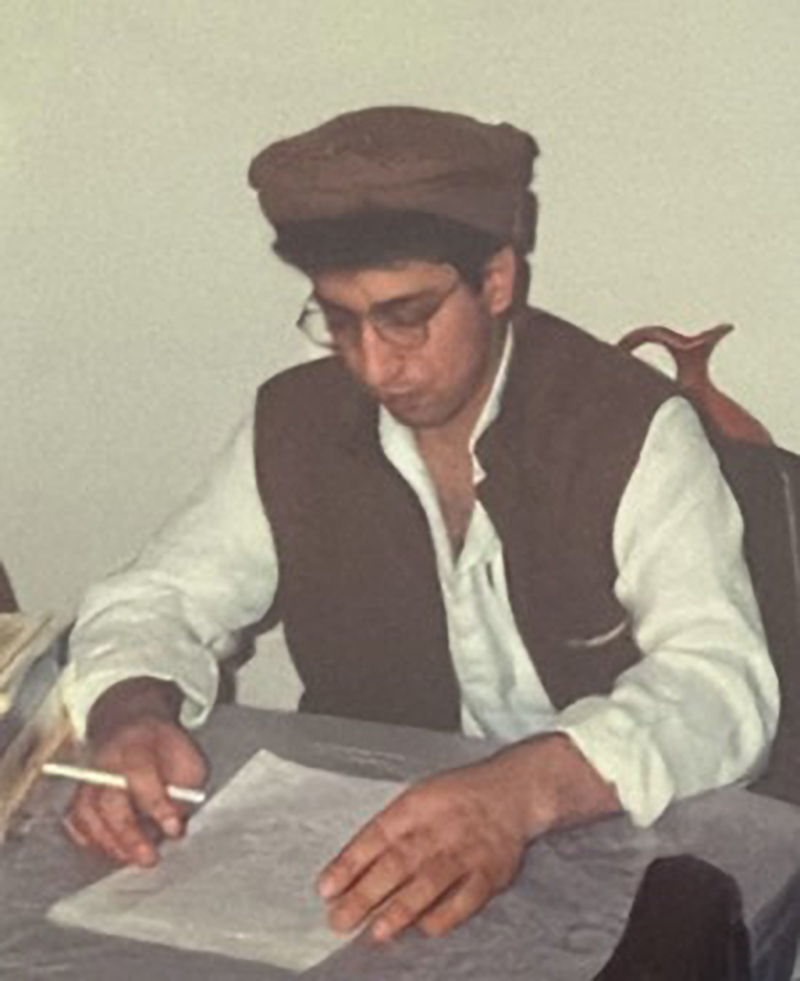
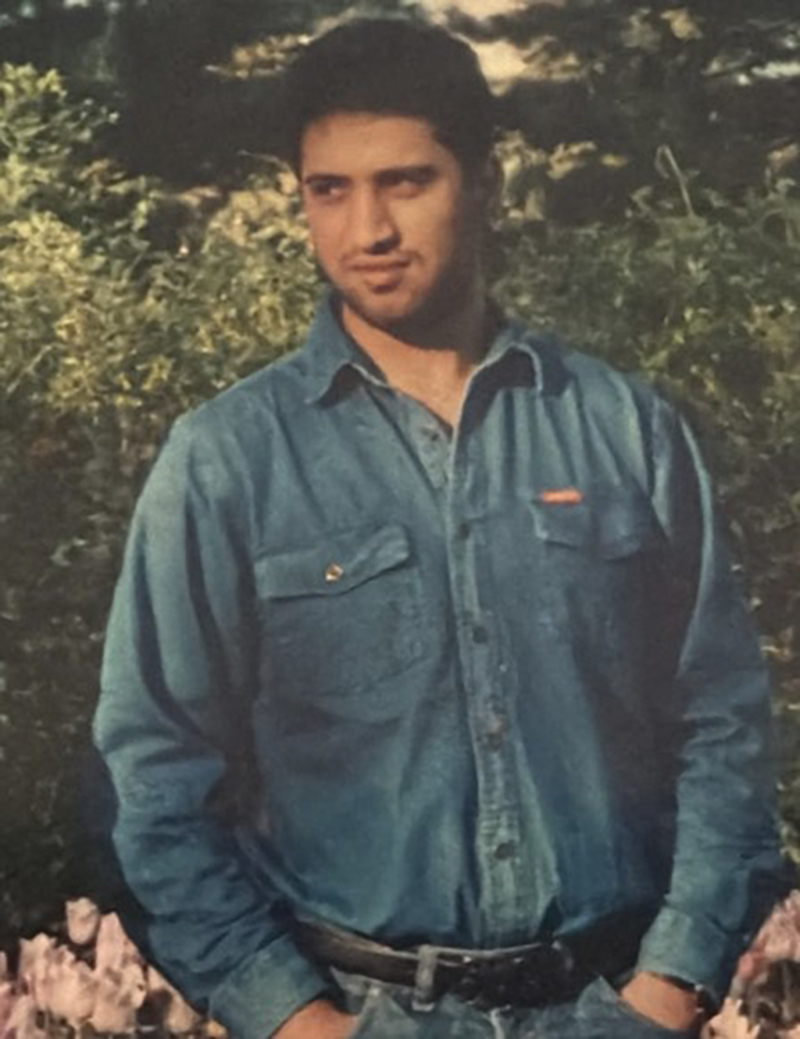
Ahmad Malgarai grew up in a village in Afghanistan’s Paktia Province, east of Kabul, during the 1980s and 1990s. When the Soviet-Afghan war began in 1979, hundreds of villages were destroyed, forcing his family to move to the capital. By the age of ten, he had already witnessed the realities of war.
As the conflict intensified in the early 1990s and reached Kabul, Ahmad’s father placed Ahmad on a plane to Canada.
“My father told us, if we ever had the opportunity to leave, Canada would be the country he would choose for us,” Ahmad recalls. “I was still very young, and leaving my family, my home, and my people was deeply painful.”
Ahmad arrived in Montreal alone, unable to speak English or French. After time with a foster family there, he later moved to Ottawa.
He attended school—excelling in mathematics—gained Canadian citizenship and landed a job as an OC Transpo operator. It was there that he met Canadian Forces General Rick Hillier, who opened the door to the next chapter in his life.
“He was visiting OC Transpo drivers who wore red to support Canadian troops and when he heard where I was from, he encouraged me to consider contributing to both Canada and Afghanistan in a civilian capacity,” says Ahmad. “I didn’t hesitate.”
Ahmad returned to Afghanistan as a cultural and language advisor to the Commander of the Canadian Joint Task Force. He worked alongside Canadian Armed Forces units in some of the most dangerous regions of the mission, before spending several more years supporting U.S. forces. He shared tents with military officers, forging friendships that continue to this day.
“It was challenging and often risky work, but it gave me a deep sense of purpose, serving as a bridge between cultures in a conflict zone.”
When Ahmad returned to Ottawa in 2016, he saw a bus advertisement for Carleton’s Economics program. It prompted him to revisit a question that had stayed with him for years: what role does economics play in a country’s success—or failure?
Thus began his chapter into the study of Economics. He went on to earn a bachelor’s and master’s degree in economics at Carleton, followed by a PhD. His doctoral research examined environmental, social, and governance (ESG) factors and their relationship to business performance and Energy Economics.
He dedicated his dissertation to the Canadian soldiers who died in Afghanistan, and to the resilience of Afghan women.
Today, Ahmad is beginning another chapter—this time with a young family. He remains deeply grateful for the opportunities he has found in Canada and at Carleton, and is optimistic about the future.
“I reflect on a journey that began in a country marked by conflict and uncertainty and led me to a place of learning, stability, and contribution. My path has been shaped by my father’s vision, by the opportunities I found in Canada, and by the determination to build something meaningful out of difficult beginnings.”
From a child displaced by war to a PhD graduate, Ahmad’s story is a testament to resilience, opportunity, and the transformative power of education. It is also a reminder that the questions that shape our lives can sometimes become the questions that shape our careers.