Notice:
This event occurs in the past.
Gender, Geopolitics and Forced Displacement: Global South Perspectives
Thursday, March 27, 2025 from 12:00 am to 12:00 am
- In-Person event
The webinar time is indicated in East Standard Time.
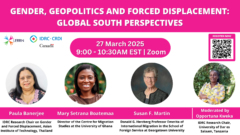
Join us for the fourth and last of the IDRC Research Chairs on Forced Displacement webinar Series, aimed at bringing evidence-based knowledge from the Global South and engage with global policy spaces. The aim of the session is to bring in contemporary and diverse policy perspectives to the highly debated issues of gender in these challenging times in relation to forced displacement.
In 2024, UNHCR reported a 50% increase in instances of gender-based violence against displaced women and girls.1 While the vast majority of forced migrants who experience gender-based violence at in the Global South, control over funding to address this growing challenge comes from states in the Global North. Many of these states are changing their understanding of what lies at the heart of gender protection challenges. Populist politics have emerged as a force against gender-informed policies and programming, threatening to erode decades of progress.
‘Gender’ is increasingly being replaced by ‘women’, and women as a category has been understood as a homogenous, vulnerable and victims. Gender stereotypes influence restrictive asylum policies, which make it harder for women, girls and LGBTQI+ people who are fleeting gender-based persecution to access safer routes, protection and support. Where gender is taken into account, women from the Global South are typically understood and represented through a neo-imperial frame as disempowered, helpless “victims” or part of ‘vulnerable categories’, lacking agency – who need to be rescued from their “backward” cultures and/or become objects of development. Critics argue that even though gender has evolved from being not-explicit to a useful lens for protection and rights, it is limited in its impact without challenging structural inequality.2
This webinar speaks on the relations between gender, geopolitics and future of gender in forced displacement policy discussions, specifically from the Global South perspectives. Given today’s rapidly changing policy positions on humanitarian funding, changing power dynamics in the international system, and gender being understood/interpretated in a reductionist and binary terms – it is only logical that we ask: what does this mean for the future of gender in global refugee policy?
The webinar will engage with the following discussion points:
- History of gender in refugee policy: Susan Martin3 will reflect on gender in the evolution of refugee policies, with special attention to the 1990 UNHCR policy of refugee women and the subsequent 1991 Guidelines.
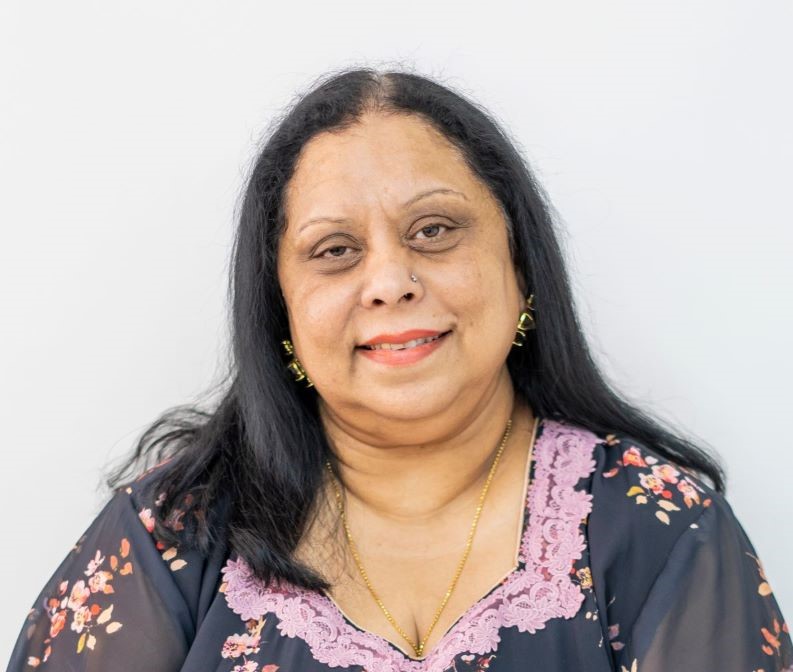
- Why debate on gender beyond ‘women’: Changes and challenges in paradigm shift: Research Chair Paula Banerjee4 will discuss the structural problems (and challenges) in bringing a gendered voice/s in refugee policies, and what paradigm shifts are taking place? Dr. Banerjee will throw light on the relevance and urgency of diversity and inclusion in gender discourses and debates, especially within the policy spaces of the Global Compact for Refugees (GCR) and subsequent international policy iterations. She will also discuss the fallacies of growing authoritarianism among many prominent Global North states and the future impacts on gender in migration.
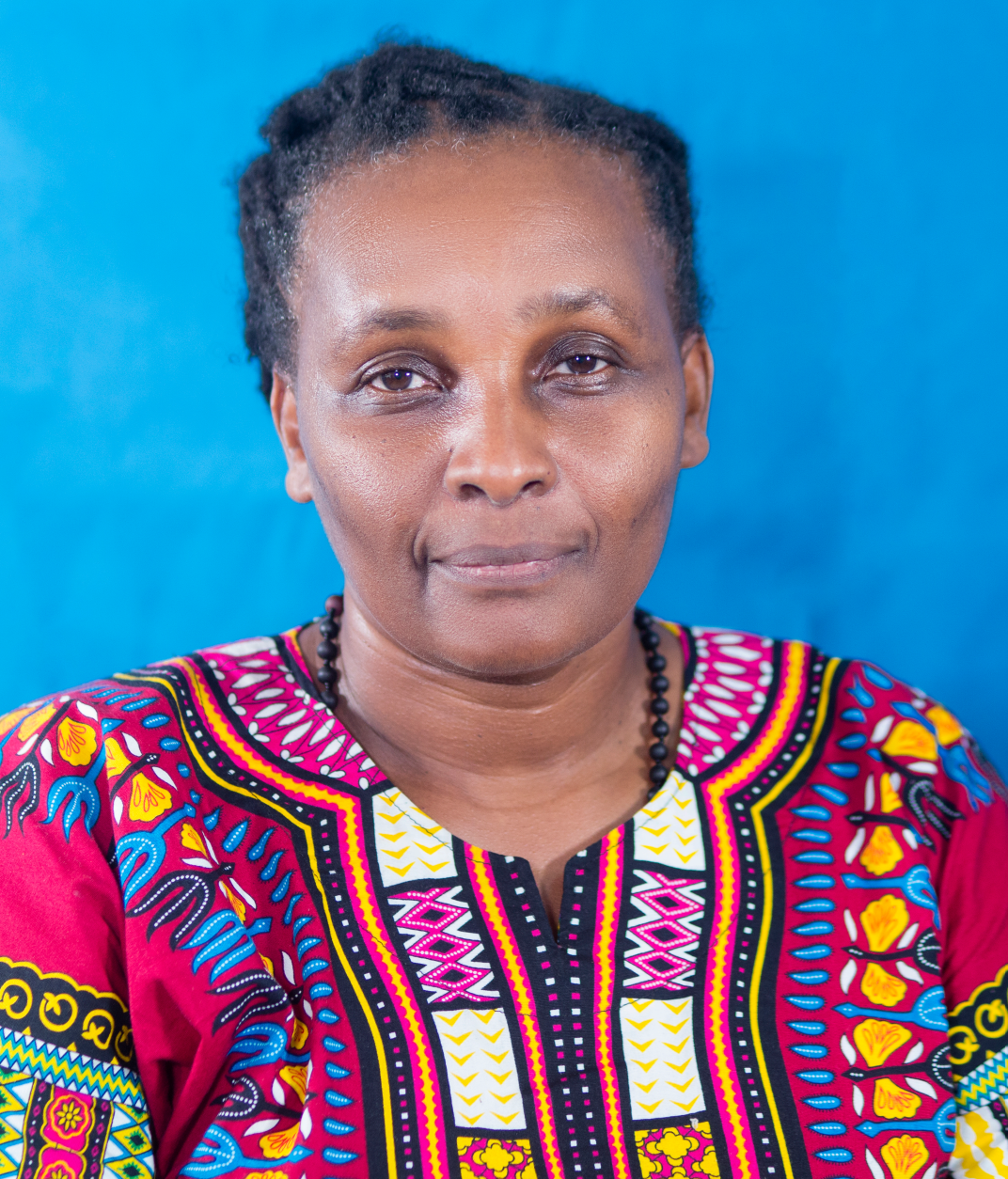
- Gendered impact of externalisation policies: Given the artificial nature of gender-aware policymaking and the bigger pervasiveness at a global scale, Research Chair Mary Setrana5 will question if a gender responsive refugee and mobility regimes is possible? Taking the issue of externalisation policies that target forcibly displaced persons (Cross-border displaced persons, refugee, asylum seekers and IDPs), Dr. Setrana will debate on the gendered impact of externalisation policies on the protection of forcibly displaced persons in the Global South? She will bring in research experiences and knowledge from Africa/West Africa, and examine how prepared the region is for the rising externalisation policies relating to gender and displacement?