Carleton Researcher Explores the Evolution of State Secrecy
By Dan Rubinstein
When Carleton University political sociology researcher William Walters was a grad student in New York City, the Iran-Contra hearings were under way.
The 1980s scandal involved the clandestine sale of American weapons to Iran to secure the release of hostages being held in Lebanon, with the profits diverted to support the right-wing Contra rebels in Nicaragua.
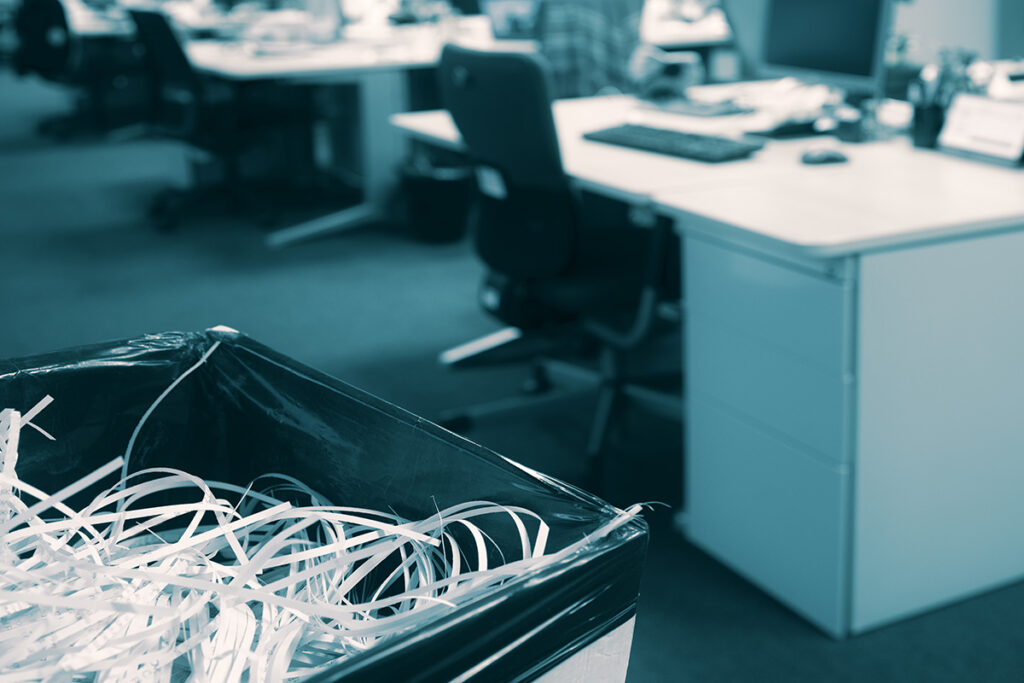
One of the iconic images that emerged from the hearings was National Security Council advisor Colonel Oliver North, who was at the epicentre of the scandal, in the basement of a government building furiously shredding documents.
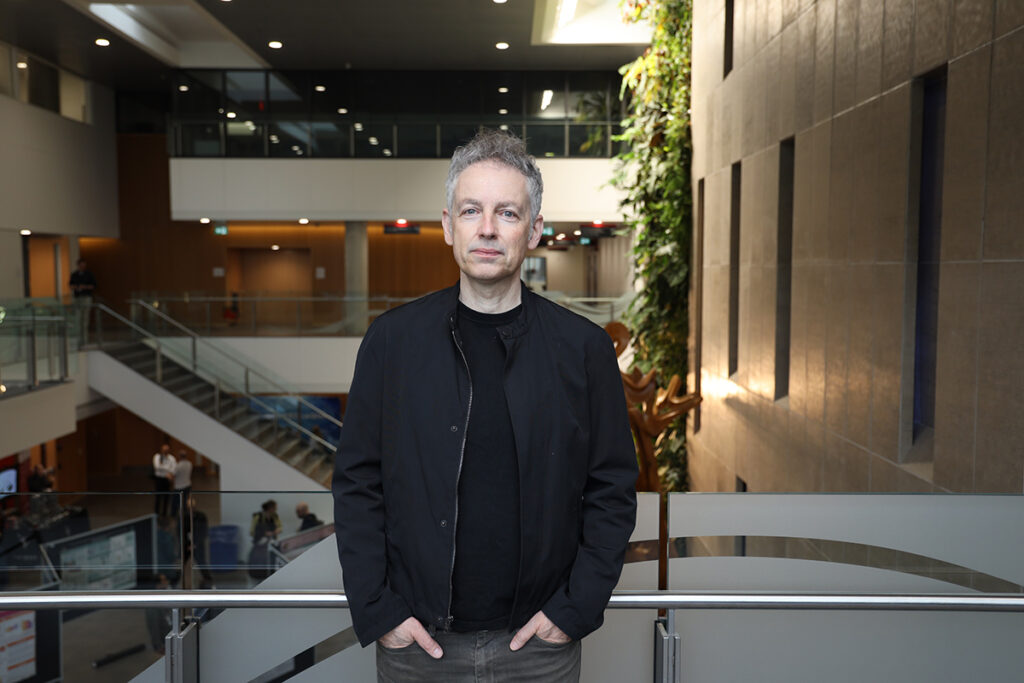
“We were being told to do scientific analyses of foreign policy,” says Walters, “but how can you have a science if so much of the paper trail is destroyed? I couldn’t stop thinking: what about the shredder?”
That question eventually led Walters to a deeper interest in the mechanisms that governments use to divulge — or hide — sensitive information. And while it may seem obvious now that countries such as Canada and the United State have freedom-of-information (FOI) processes in place to allow journalists and ordinary citizens to request official documents, this idea was radical when it arose.
“I’m not especially focused on the content of government secrets,” says Walters, who is writing a second book on political secrecy and has published several papers on this subject.
“I’m looking at the infrastructure that shapes the boundaries between the public and secrets.”
The First Nuclear Weapons
Throughout his career, Walters has explored blank spots on the political research map.
While there is considerable academic and media interest in hacking and government leaks, the history of declassifying official secrets receives much less attention but is no less significant. Which led Walters to the Manhattan Project — the American program that produced the world’s first nuclear weapons.
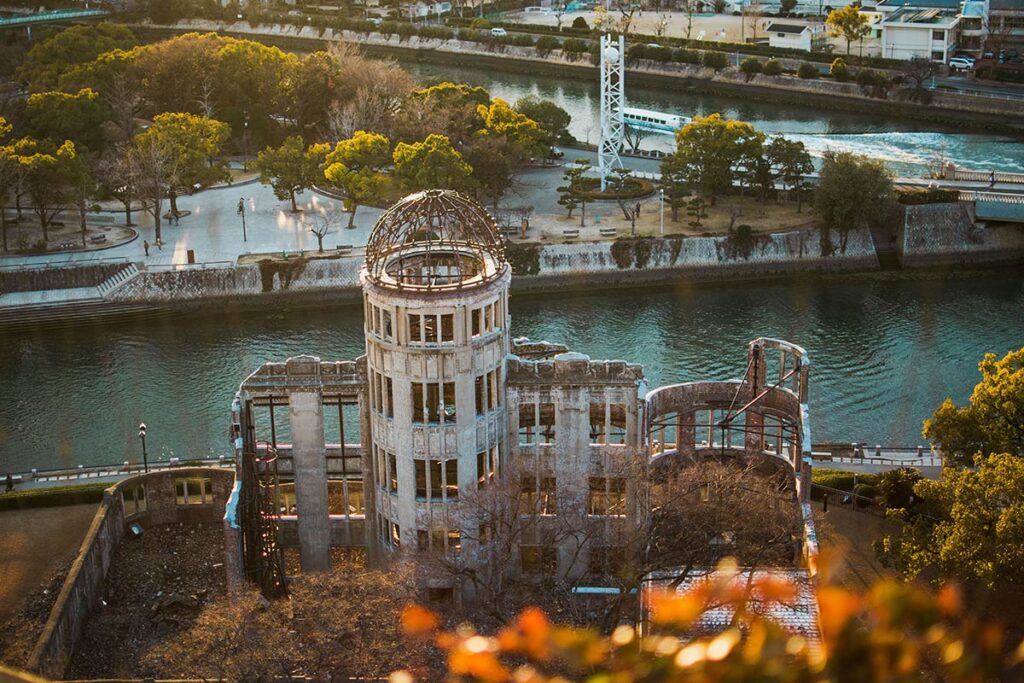
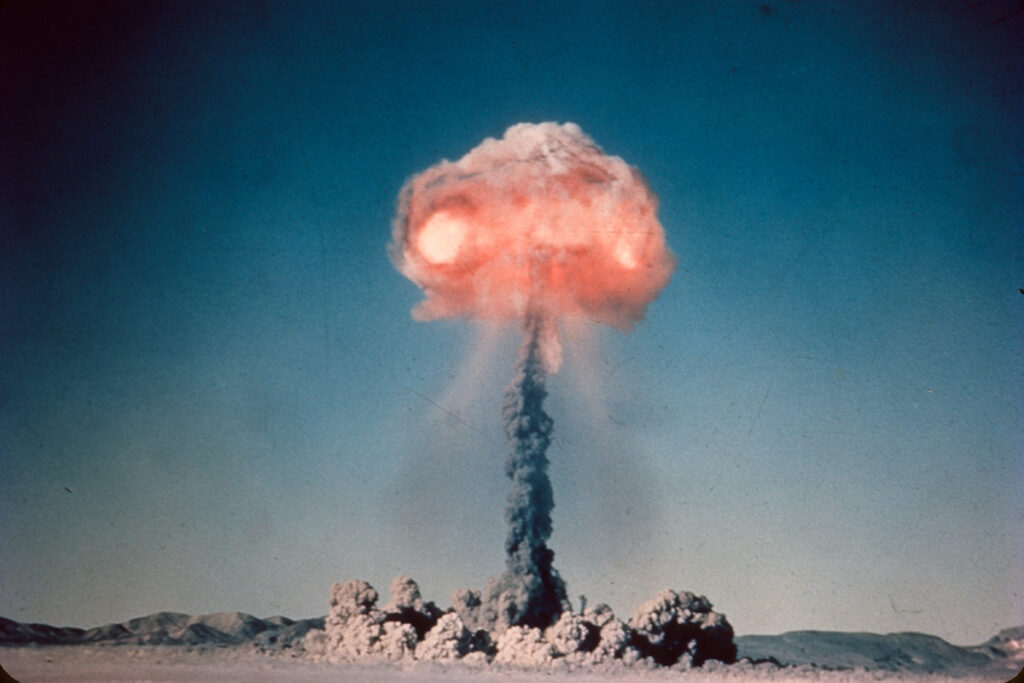
When the U.S. dropped two atomic bombs on Japan in 1945, it was glaringly apparent that a destructive new technology had been unleashed. But instead of shrouding the R&D, the American government proactively and selectively released information.
“They had to tell the world something,” says Walters, “so they decided to put out a fairly extensive technical report. But they were very careful not to include anything that would give any enemy an advantage.”
Keeping Science and Industry Moving
One of Walters’ first research questions is always, “What are the origins of this thing?” Examining this genealogy, he says, opens up a bigger picture.
The Manhattan Project essentially invented a method of declassification. “This was more or less the first time the word was ever used,” says Walters.
This decision was driven largely by scientific and commercial considerations — so researchers could continue working on nuclear reactors, for example, and companies could develop emerging technologies.
The Manhattan Project’s declassification policy recognized that the total secrecy wasn’t good for science or industry and, in the long run, wasn’t good for national security either.
“In a sense, declassification was about trying to find a balance between withholding information that was truly strategic,” says Walters, “and allowing enough openness to keep science and industry moving.”
Researchers and corporations could submit requests for info and a panel of experts would decide what to share and what to keep secret.
“With its user-driven, case-by-case logic, this anticipated the method of governing secrets that by the 1960s we came to know as the freedom of information request,” says Walters, “a method we now associate with the public’s right to know.”
In Canada, provincial FOI legislation in the 1960s and 1970s prompted the federal Access to Information Act and Privacy Act in 1982.
“The Manhattan Project was like an ‘ecological niche’ where a very particular set of circumstances involving science, industry, politics and secrecy came together,” says Walters, “and the model of declassification that emerged was taken up across other U.S. Government agencies and in other western countries in subsequent decades.”
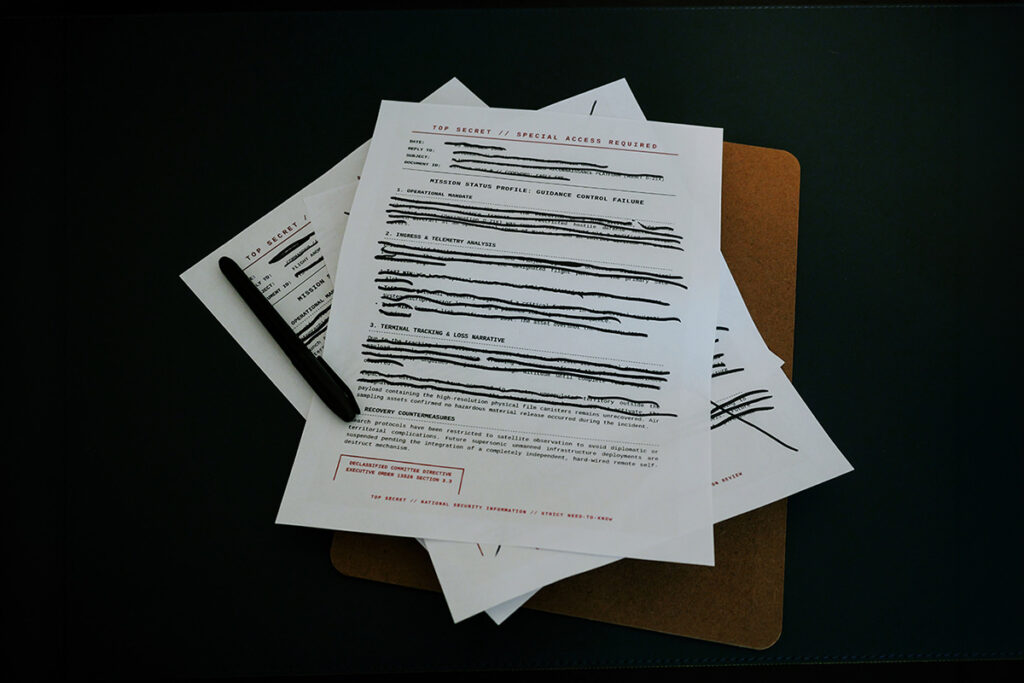
Post-Truth Secrecy
Circa 2026, it can be argued that we’re in a new information paradigm.
The post-truth era, shaped by digital “fake news” and AI-generated “slopaganda,” had led to what Walters calls the “democratization of misinformation.”
How western government change their approach to FOI and secrecy remains to be seen, but rather than speculate, Walters is continuing to dig into the past to better understand the present and anticipate what the future might hold.
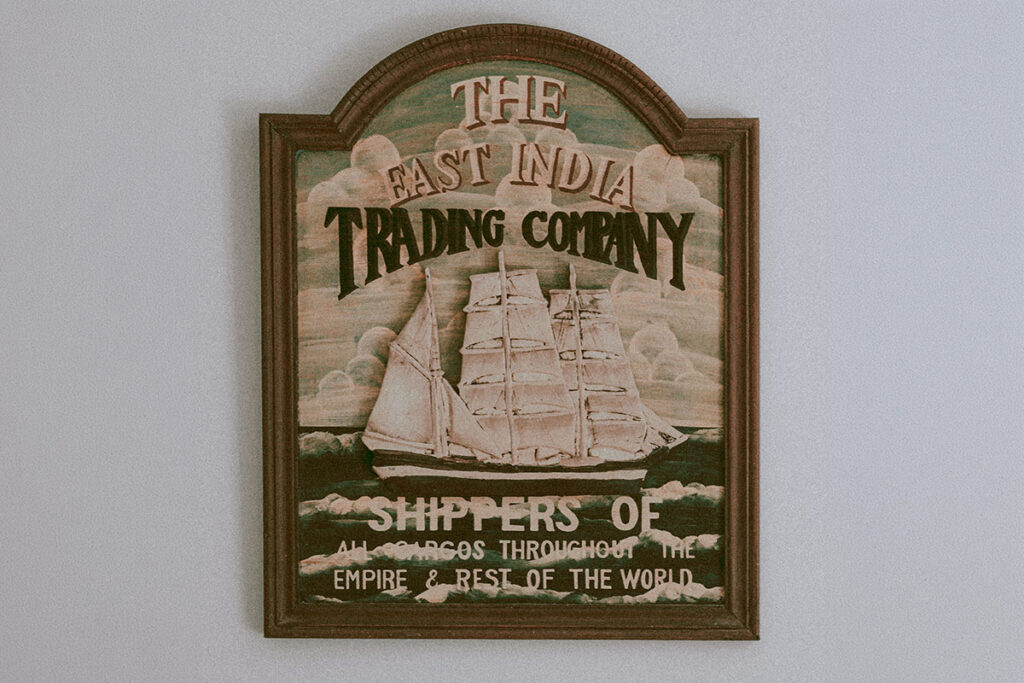
He recently spent some time at the British Library in London sifting through the archives of the East India Company, which controlled trade on the Indian Ocean and was a major vector of colonialism.
“The company had a really developed system of secrecy,” says Walters, “with secret correspondence, secret record keeping and even an early form of classification and declassification to decide the status of different documents based on their sensitivity.
“Was the East India Company another ecological niche in the development of methods of secrecy?”