Peatland Fires: Protecting Canada’s Important Carbon Sinks
By Dan Rubinstein
A couple years ago, while doing field work in the Yukon, Carleton University Geography and Environmental Studies researcher Koreen Millard saw something surprising and significant.
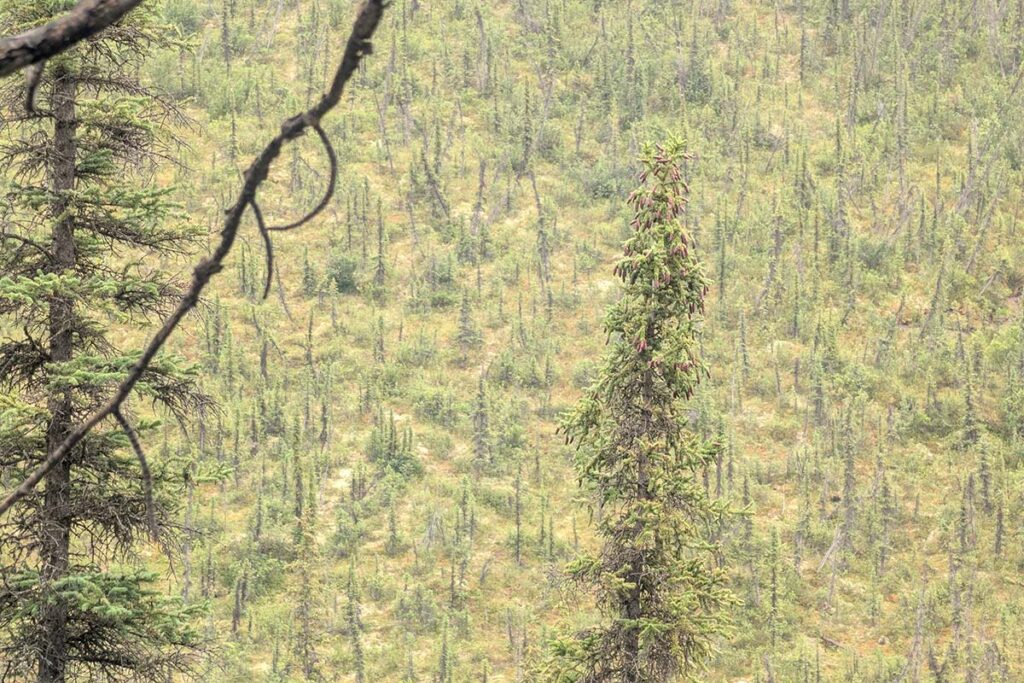
The peatlands she observed were drier than expected and many were on mountainsides underlain with permafrost, contravening the belief that they’re typically located in flat, low-lying areas.
When peatlands become dry, they are susceptible to wildfires, which, in addition to smoke and other pollutants, send massive amounts of carbon into the atmosphere.
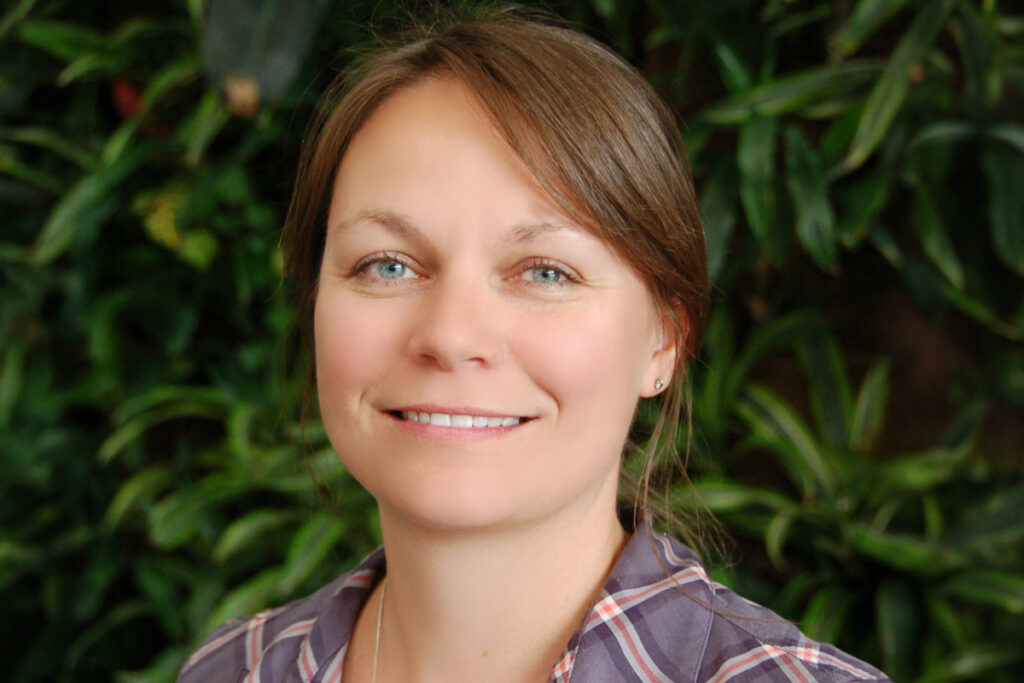
So, under the umbrella of Carleton’s MOU with the First Nation of Na-Cho Nyak Dun, Millard has started a new project — mapping peatlands on Yukon slopes to document where these unique wetlands exist, determine their susceptibility to burning and develop more accurate monitoring methods via drone- and satellite-based remote sensing.
Ultimately, her goal is to mitigate the smouldering peatland fires that break out and prevent more carbon from being released, accelerating the climate change that is causing the fires.
“These peatlands look and act different than other peatlands, so we’re trying to figure out how they fit into the fire and carbon picture,” Millard says.
“Because these fires often break out far from any community or in difficult to access locations, we don’t have eyes on them and need new approaches to monitoring.”
Carbon Sinks
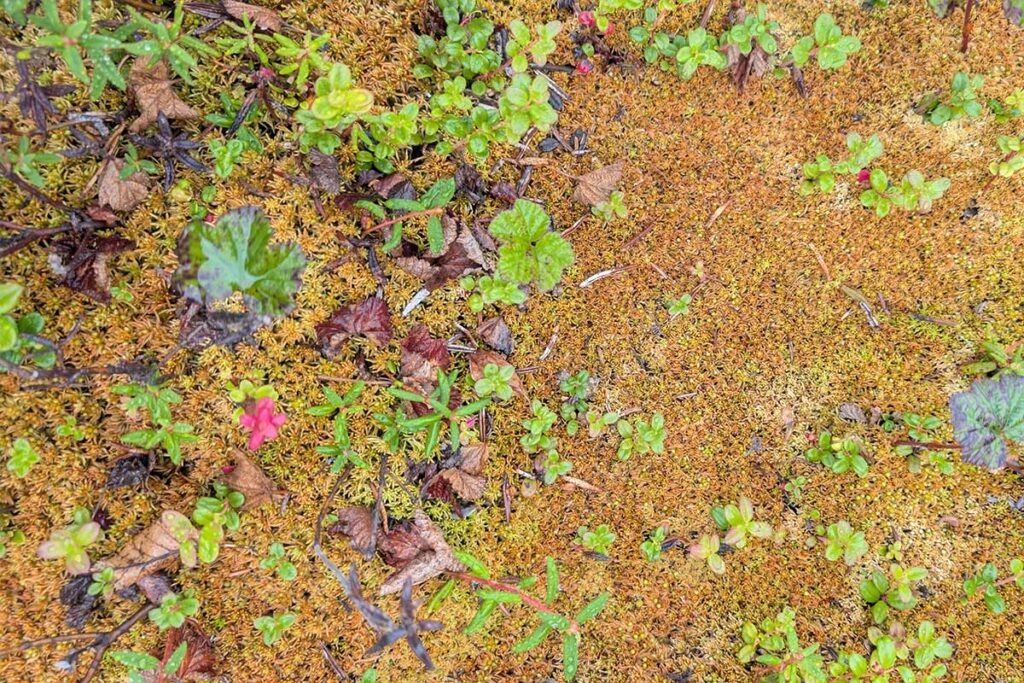
Peatlands are wetland ecosystems comprised of waterlogged organic matter that is so oxygen deprived it never fully decays, with a layer of dead plants or “peat” forming near the surface.
Bogs, fens and certain types of swamps are considered peatlands, which cover about four per cent of the planet’s surface yet contain twice as much carbon as is locked up in forest biomass.
Twelve per cent of Canada’s land area is peatland, roughly one-quarter of the global total, making this country a key place for studying — and protecting — these important carbon sinks.
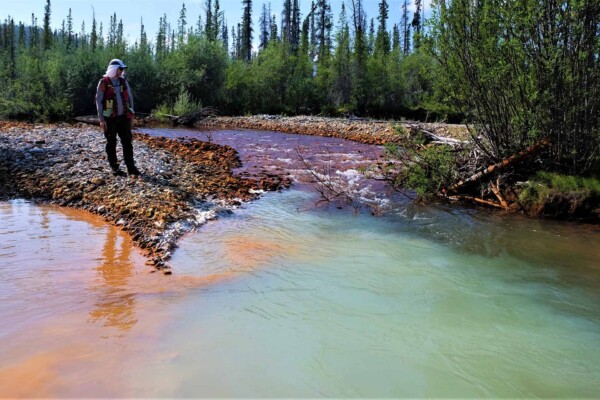
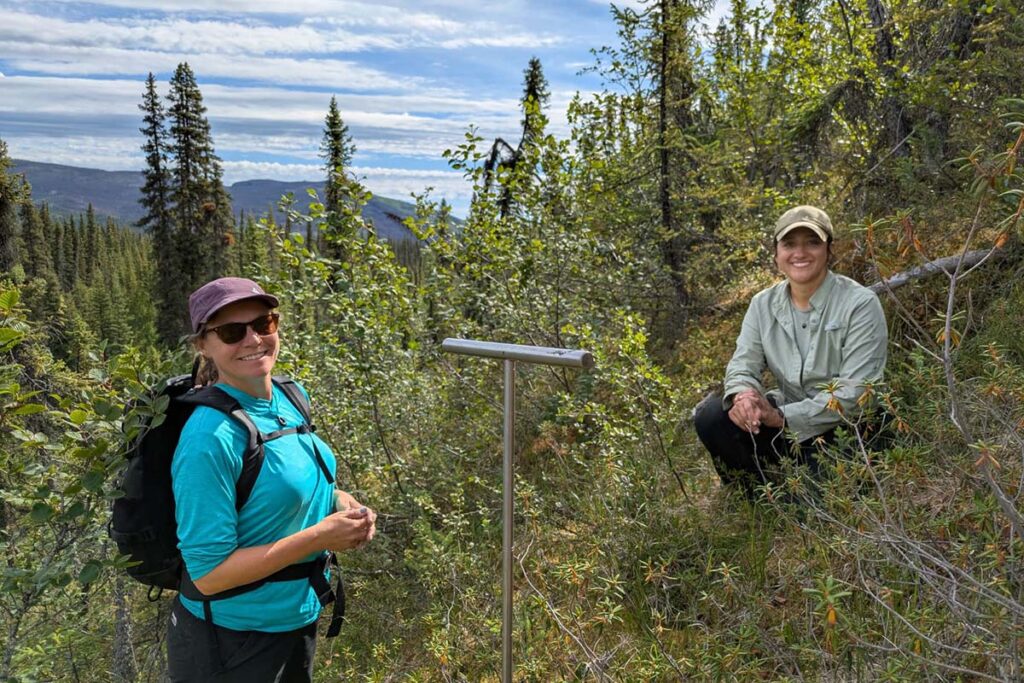
Earlier this summer, to map Yukon peatlands, Millard and recent Carleton master’s graduate Leila Rashid, who is now her lab’s research and operations manager, drove to field sites within a few hours of Mayo.
The terrain there is mountainous, mostly boreal forest, with different types of wetlands, ranging from a few hundred square metres to tens of square kilometres in size.
Millard and Rashid inserted steel permafrost rods into the wetlands they found, measuring depth and looking for Sphagnum or other mosses, which accumulates and becomes peat.
They also flew drones with different sensors: a LiDAR drone, which can produce a point cloud image of a peatland detailing elevation and vegetation; and a drone with a multispectral camera, which creates high-resolution images of a small area, revealing differences in wetness and vegetation health. Next year, they will add a thermal and short-wave infrared camera to record parts of the electromagnetic spectrum we can’t see with our eyes.
Millard is using these sensors to develop new models that will allow researchers to detect peatland fires from satellite imagery. Most smouldering peatland fires aren’t picked up by current satellite methods because the algorithms they rely on target hotter, flaming fires in the forest canopy.
“That’s why the relationship between field measurements, drones and satellites is so important,” Millard says.
“We need to understand these different scales.”
Because smouldering fires can persist under the snow and reignite in spring, which can lead to the transfer of wildfires to upland areas earlier than expected, calibrating these monitoring methods is a major part of Millard’s work.
“Changes to precipitation and evapotranspiration patterns are drying peatlands more quickly,” she says, “but we’re trying to understand why some burn and some don’t.”
Beautiful Bogs
Millard grew up as an outdoorsy kid in rural Nova Scotia, fuelling her interest in geography. Her master’s research focused on east coast salt marshes, but when she arrived at Carleton as a PhD student, her supervisor, Prof. Murray Richardson, suggested a shift to bogs.
“I love standing in places — like the middle of a bog — where very few people ever venture,” says Millard.
“You start noticing all these fascinating plants and species at risk. Peatlands are really interesting landscapes that need to be protected.”
Carleton faculty and students are involved in ongoing research at Ottawa’s Mer Bleue bog, an important training ground. But peatlands in this part of the country have different characteristics than those in the west, where wildfires have been more intense this summer.
“When peatlands burn, we lose carbon that has taken a long time to accumulate,” says Millard.
“Helping to stop peatlands from being destroyed is important, but they are changing so quickly and there are so many unknowns.
“We need to understand when a peatland will act like a firebreak and when it will burn. This is a big missing piece in the modelling landscape.”