Carleton University's Steven Cooke Becomes Fellow of Famed Explorers Club
By Ellen Tsaprailis
Environmental Science and Biology Prof. Steven Cooke has become a fellow of The Explorers Club, joining an illustrious group of current and former members such as astronauts Buzz Aldrin and Sally Ride, film director James Cameron and Amazon CEO Jeff Bezos.
Founded in 1904 in New York City, The Explorers Club promotes scientific exploration of land, sea, air and space by supporting research and education in the physical, natural and biological sciences. Club members have been responsible for a number of famous adventures, such as the first trips to the North and South Poles, first to the summit of Mount Everest, first to the deepest point in the ocean and first to the surface of the moon.
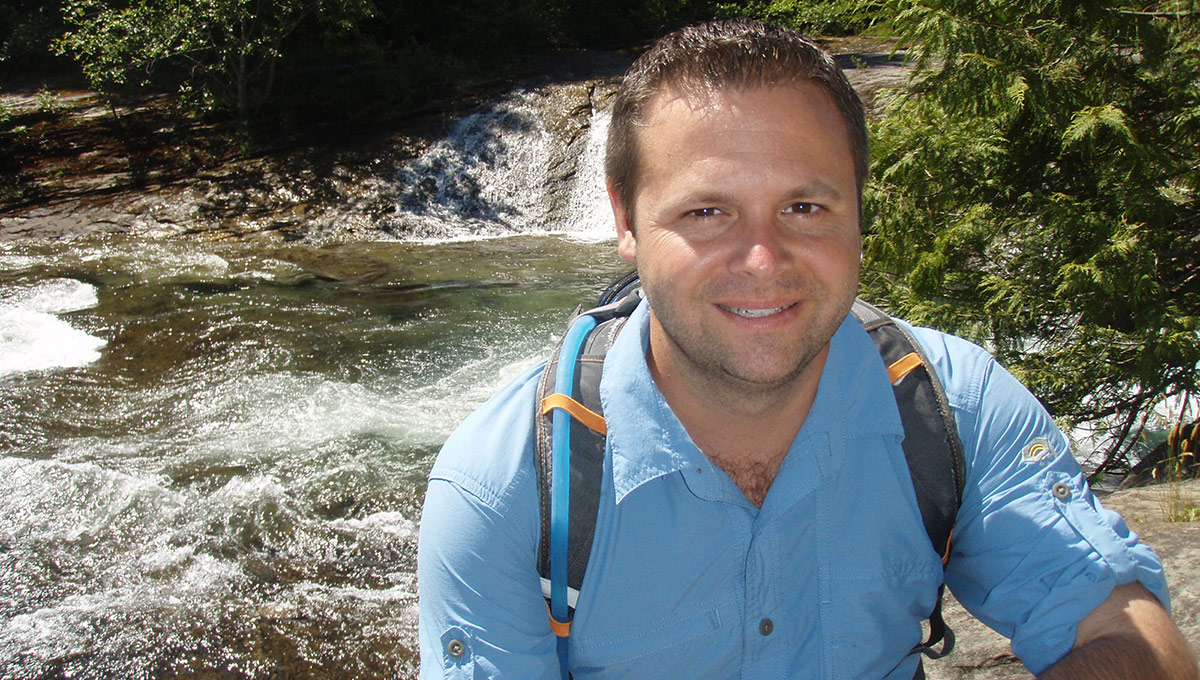
Fellowship is reserved for those who have distinguished themselves by directly contributing to scientific knowledge in the field of geographical exploration or allied sciences.
Cooke says he’s excited to have been named a fellow.
“I’m not somebody who is going to the deepest depths of the ocean or climbing the world’s largest mountains. This is about exploring freshwater and doing so in terms of trying to understand it, to better manage it and protect it,” says Cooke.
“There are different kinds of fellows recognized for different reasons and mine is definitely more for the scientific contributions around understanding freshwater ecosystems.
“It’s exciting because it really is quite a diverse group of folks, including some really interesting explorers, innovators and changemakers. I think that’s what I like about it the most. To share stories about human nature interactions and trying to get the broader public interested.”
Cooke says he’s inspired by the chance to work with like-minded people to advance biodiversity conservation issues and learn how other fellows engage with the public.
“There are a lot of high-profile folks involved that have pretty loud platforms—a lot of people such as Sir Richard Branson who are very involved with environmental issues and have the ability to get things done and connect with a lot of community members,” says Cooke.
“A lot of it is about networking and relationship-building as well.”
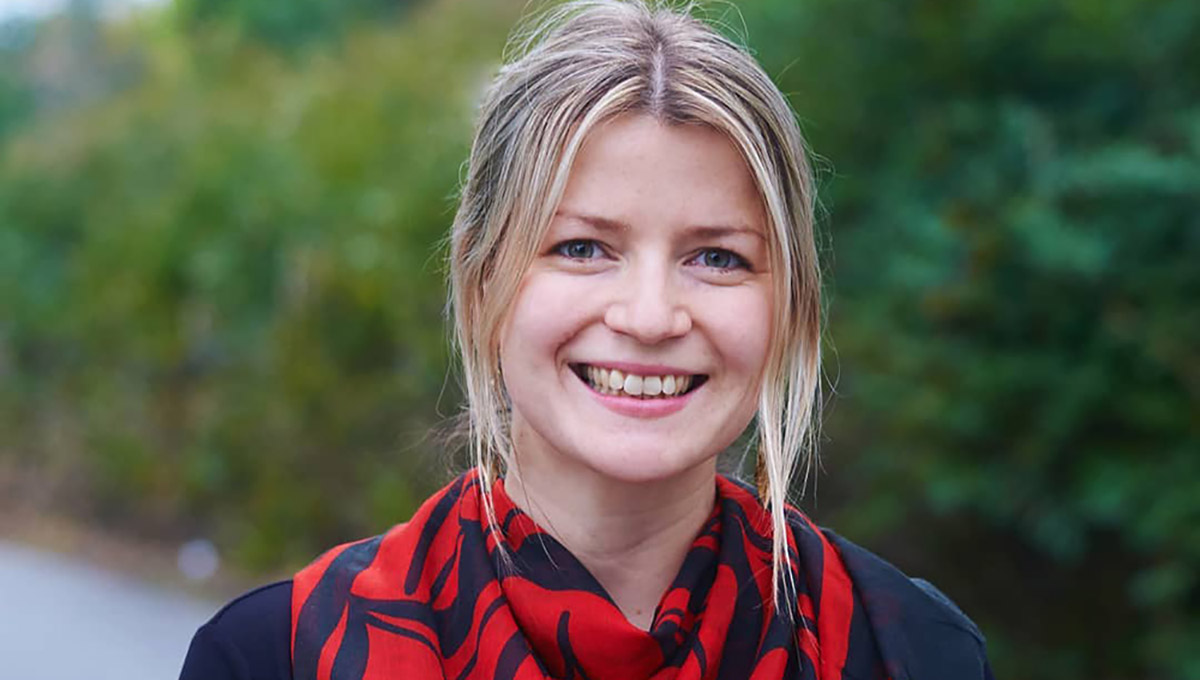
Cooke’s recent PhD graduate Andrea Reid—now a professor at the University of British Columbia—is also a fellow of The Explorers Club. Cooke looks forward to connecting with her and other colleagues when he can travel to club headquarters for an annual meeting.
To start his journey with the club, Cooke plans to use their research expedition flags to publicize his research projects on a global scale.
“Being able to take that flag and have it as a formal explorer’s club expedition really helps to create opportunities to connect with different audiences in different ways.”