The Future of Work is Accessible
One in four working adults in Canada experience some type of disability (Statistics Canada, 2022).
And yet, barriers within workplaces continue to prevent equitable access and participation for these employees.
The Accessibility Institute at Carleton University set out to change that through a comprehensive accessibility training program.
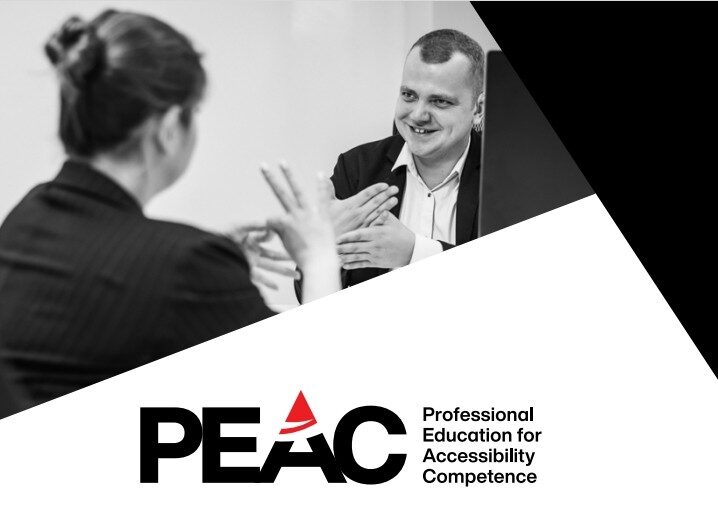
Since its launch in 2024 with support from The Audette Foundation Fund — Ottawa Community Foundation, the Professional Education for Accessibility Competence (PEAC) program has helped bridge the gap between accessibility awareness and workplace operations.
Support from the Fund provided catalyst investment needed to launch and grow the program over five years. From this generous donation, the program has begun training cohorts of professionals through sessions that provide targeted knowledge, practical tools, and implementation strategies that help move accessibility from awareness to action.
“The Audette Foundation was created to assist physically disabled adults, in memory of Stuart Audette (1898–1974), who lived with cerebral palsy. Now known as the Audette Foundation Fund at the Ottawa Community Foundation (OCF), the Fund has supported the Accessibility Institute through multi-year grants,” says Grant Jameson, Fund Advisor for The Audette Foundation Fund at the OCF.
“We congratulate the Accessibility Institute on its use of the Fund’s grants to deliver positive, systemic and sustainable impact through the development of the Professional Education for Accessibility Competency program.”
Now, the Accessibility Institute is looking to deepen its impact, reach new audiences, and strengthen cross-sector partnerships to ensure the future of work is accessible.
From building foundational accessibility knowledge in the workplace (PEAC 100), to embedding accessibility into strategic planning and decision-making (PEAC 400), to developing accessible workplace practices across the employee life cycle (PEAC 500), PEAC’s suite of training experiences equip participants with practical knowledge, tools, and strategies to advance accessibility within their organizations and communities.
While the program was created through Carleton University, PEAC is designed as professional development that welcomes participants in-community at all career stages, as part of the university’s wider commitment to creating a more accessible future in Canada.
“By helping individuals feel like they truly belong, they can perform at their best and be stronger collaborators, which opens the floodgates for a greater journey in the workplace and beyond. The PEAC program is a great foundation for individuals and organizations wanting to get started,” says Diane Biesinger, a senior manager with the Human Resources Professionals Association (HRPA) and PEAC participant.
As accessibility standards and legislative requirements continue to evolve, PEAC supports individuals and organizations to develop practical approaches that respond to the national call for a barrier-free Canada by 2040.
In recent years, important progress has been made to create more accessible employment opportunities in Canadian workplaces, but there is much more work to be done to meet the emerging demand over the next decade.
“Gaps in knowledge about accessible workplaces present a recurring barrier to employment for people with disabilities. Employers are looking for guidance and training to create disability-inclusive workplaces, and PEAC is designed to meet these needs,” says Boris Vukovic, accessibility researcher and director of Carleton’s Accessibility Institute.
People with disabilities have long advocated for a more inclusive future that ultimately benefits everyone. As legislative, leadership, employee and consumer demands grow, there is no better time for organizations and individuals to adapt.
Carleton’s PEAC program is positioned to help.
Explore PEAC’s professional development opportunities and discover how accessibility competence can help build a more inclusive workforce, today and into the future.