Danuta Sierhuis ( She/Her )
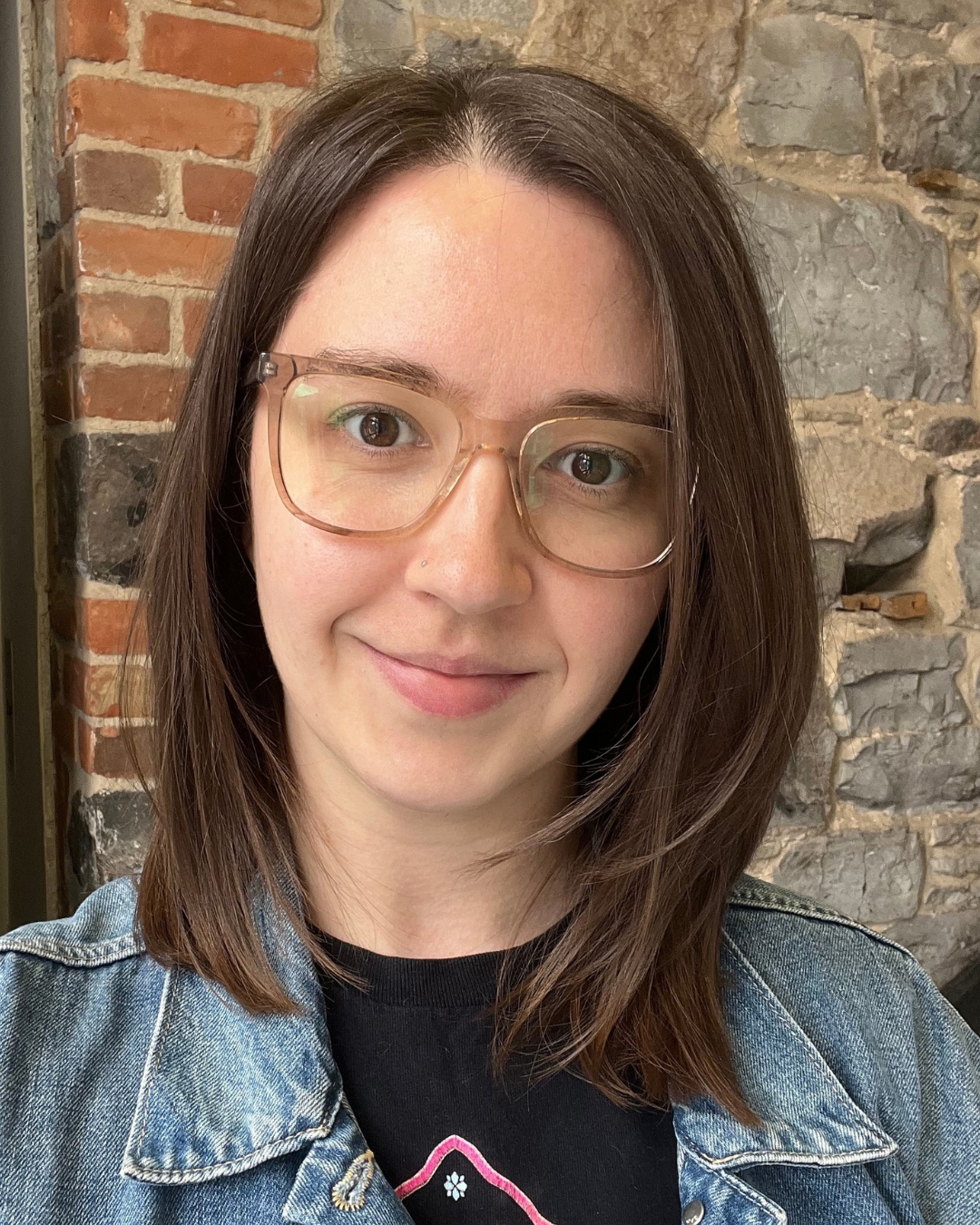
Bachelor of Humanities; Digital Humanities MA Graduate; Digital Development Coordinator at Agnes Etherington Art Centre, Queen’s University
B.Hum (2012)
M.A. Art History with a Specialization in Digital Humanities (2014)
What was your experience like in the program and how has your degree helped your career?
I have always had my nose in a book, and I have always been drawn to questions about the way things are. The BHum program gave me the opportunity to read, think, and exchange ideas in an interdisciplinary and collegial environment. The courses and readings highlighted the intersections between various aspects of western culture, from the ideological, the historical to the material across subjects like religion, philosophy, politics, literature, art, music, and science. The BHum’s pedagogical approach imparted the complexities of studying and analyzing history and culture, while also developing important skills in the close reading of primary sources, critical thinking, constructing arguments and writing. I also enjoyed the small class sizes and the fact that I went through the program with the same cohort of people. The Hums lounge, discussion rooms, the annual formal and opportunities to experience Ottawa’s cultural sites (like attending operas and ballets) also marked the College of the Humanities as a wonderful place to study.
The high expectations of the BHum program also set me up for my graduate studies in the collaborative MA in Art History with a specialization in Digital Humanities. The DH program was just getting started when I was in the first year of my MA, and I was one of the first to graduate with the graduate DH specialization. In the program, I learned how to extend my undergraduate work to be critical of how digital technologies, software, data, digitization processes, and digital curation practices are influenced by culture and how they influence culture in return. DH is an inherently collaborative discipline that marries computational thinking with the humanities, and this was only furthered by the interdisciplinary exchange of ideas in the readings and in discussion with students in other departments—from Sociology, Anthropology, Linguistics, History, to English, and more. This exchange was integral to my experience of the program and changed the way that I thought about my own discipline in Art History. My research shifted from focussing on sixteenth-century artworks to focus on how social media and digital arts practices were impacting and changing museological and curatorial practices. Being able to pair critical studies with experiential learning opportunities in local archives and museums was also an important way for me to understand the practicalities of my studies in a real workplace environment and also gave me concrete, collaborative projects that I could include in my portfolio to gain future employment at a time when Canadian museums were starting to add more digital-focused roles to their staff.
Over the past decade since being in school, my career has spanned working in archives digitizing and describing collections and in museums/galleries curating and interpreting exhibitions, which has culminated in my current role as Digital Development Coordinator at Agnes Etherington Art Centre, Queen’s University. In this capacity, I work across the museum’s departments to facilitate Agnes’s digital programs and initiatives, from creating web platforms and producing online exhibitions, digital publications, video series, podcasts to conducting open-source research projects, and more.
I often draw upon the lessons and skills that I developed in my degrees in the College of the Humanities in my day-to-day work, especially in maintaining a curious, questioning mindset and embracing experimentation as a means of learning—and learning from failure! As well, being critically engaged with cross-disciplinary research, narrative structures, and being aware of how language/digital tools can construct meaning is especially important in museums and working to develop accessible, public-facing programming. I am always evaluating digital platforms/technologies’ suitability for projects, letting the curatorial and educational intentions inform which media/platform might be best suited to hosting the project and not simply doing “digital for digital’s sake.” I also frequently draw upon the writing and communication skills that were honed in classes when synthesizing complex materials to draft public website content, presentations, reports, technical specifications, and grant applications, as well as regularly translating between technical and non-technical perspectives across Agnes staff and technical teams. Both the B.Hum and DH programs gave me the foundations needed to succeed in my chosen line of work.