Civilian Frontlines: Drones, Fundraising, and Evolving Military Policy
By: Valeriia Gusieva
It was during the first days of Russia’s full-scale invasion that Ukrainians were initially given only a few days to survive; the Russian Army was perceived to have a significant advantage in both military personnel and weaponry. Ukrainian civilians nonetheless mobilized quickly in response to support the sovereignty effort – be it through joining the front lines via voluntary military service or through the organization of humanitarian aid and fundraisers for military equipment. These grassroots initiatives have become a critical area where Ukrainians continue to succeed and make a tangible difference in the broader war effort. Ukraine has not only challenged the military might of one of the world’s largest armies but has also transformed modern warfare as we know it through innovative tactics, most notably, the increased and creative use of drones.
It is alongside these technological advancements in drone technology and warfare that Ukraine has also pioneered a new form of media warfare, wherein press officers from different battalions as well as social media managers from Ukrainian and international charities leverage creative campaigning strategies and real-time battlefield footage to engage a global audience. By making military operations visible online, Ukrainian soldiers have brought the harsh realities of war into the public eye. This transparency, combined with the widespread organization of grassroots fundraisers, has empowered civilians and foreign supporters to actively participate in the war effort, while also ensuring that more distant audiences do not lose sight of what Ukraine is fighting for. Such civic engagement challenges the traditional notion that serving in wartime is limited to frontline military service, highlighting new ways that ordinary people contribute to national defence. The following piece will examine how grassroots fundraising campaigns, innovative drone warfare, and media strategies have enabled ordinary Ukrainians, and their global supporters, to play a vital role in the resistance from Russian expansion. It will also explore how this widespread civic engagement is reshaping traditional ideas of military service and influencing Ukrainian military policy, offering lessons for other countries on mobilizing civilian participation in modern warfare.
Fundraising Campaigns
While there are many organizations supporting Ukraine’s war effort, some of the most prominent include Come Back Alive, the Prytula Foundation, Hospitallers, Sternenko’s community, and United24 – a government-led fundraising and media platform. Simultaneously, many battalions have their own affiliated foundations dedicated to fundraising efforts. The civilian volunteer movement in Ukraine has existed since 2014, when Russia first launched its invasion of Ukrainian territory. However, the scale of this movement has increased drastically since 2022. While some foundations focus on providing humanitarian relief, medical aid, and support for internally displaced persons (IDPs), many are dedicated to increasing military capacity by procuring and purchasing defense equipment in collaboration with various government departments, as well as by providing direct support to battalions.
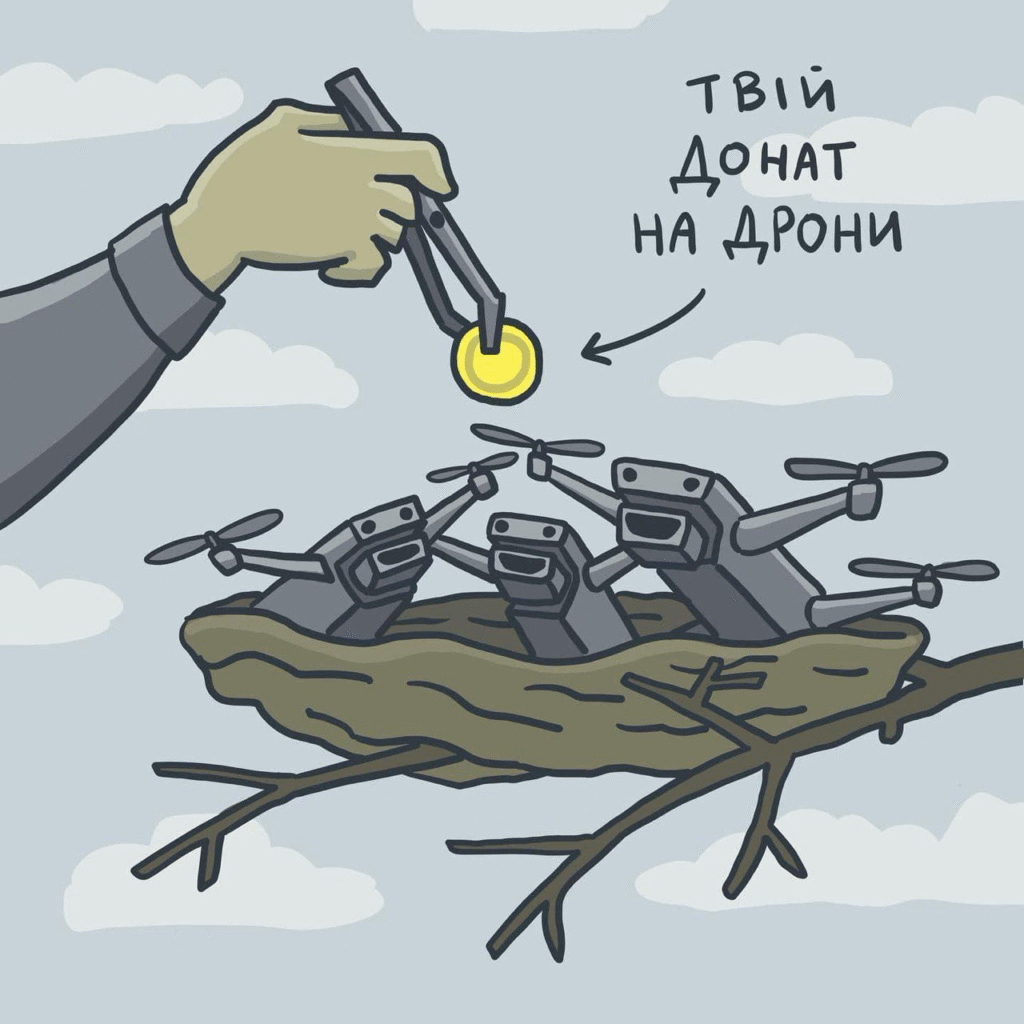
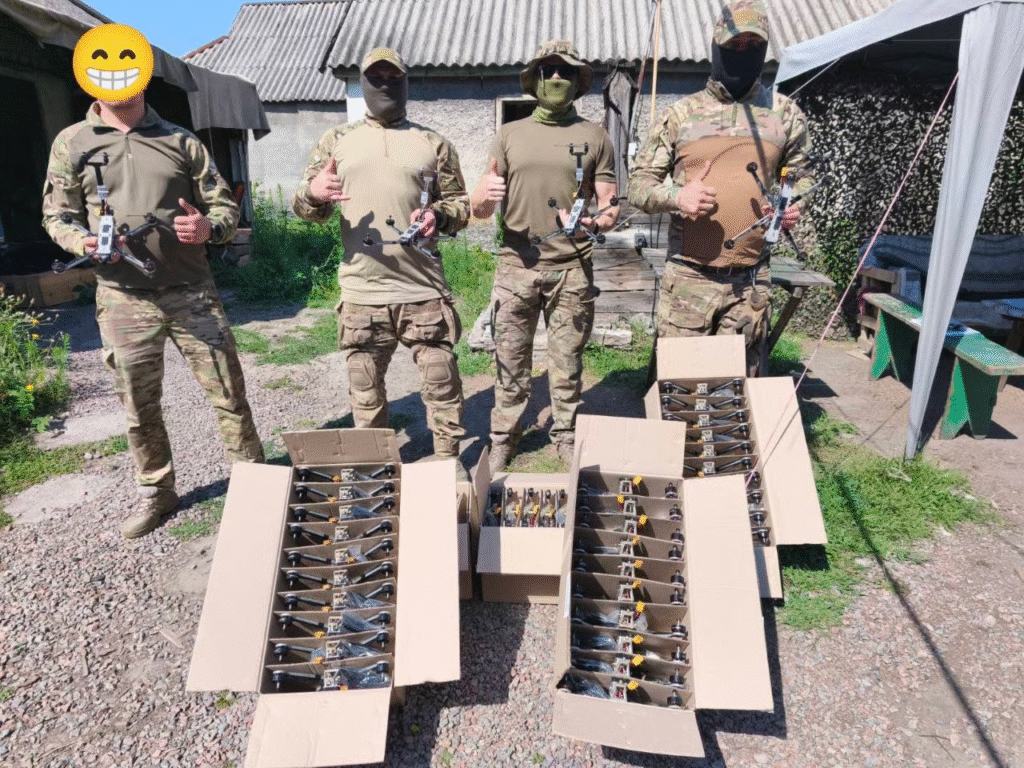
One notable example is the Sternenko Community Foundation. Since the start of the full-scale invasion, the team has worked in direct coordination with soldiers on the ground. This began early on, when soldiers quickly recognized during the full-scale invasion the revolutionary use of kamikaze drones on the battlefield and began fundraising to supply battalions directly. Even before the foundation was formally established, they had already delivered over 145,000 FPV drones to the army, along with many other supplies, including vehicles, Mavic drones, radios, Starlink terminals, sea drones, and long-range drones. Earlier this year, the community was officially registered as a foundation in order to streamline internal processes and increase its capacity to support the Armed Forces of Ukraine (AFU). The foundation posts daily drone supply reports, providing video and photo proof of deliveries to battalions. As a fundraising tactic, they often share footage of drones being used effectively on the battlefield, including targeting and eliminating enemy troops.
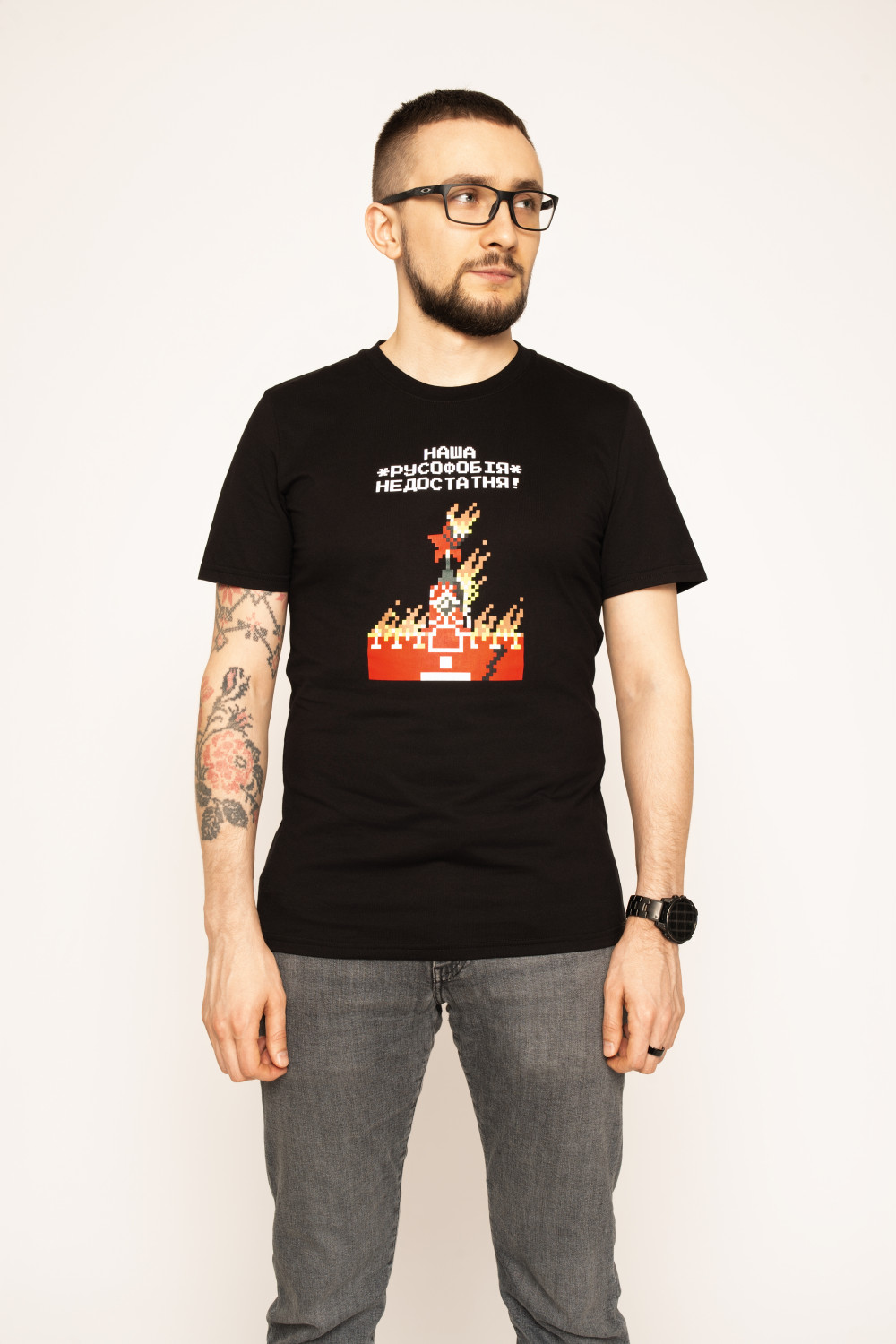
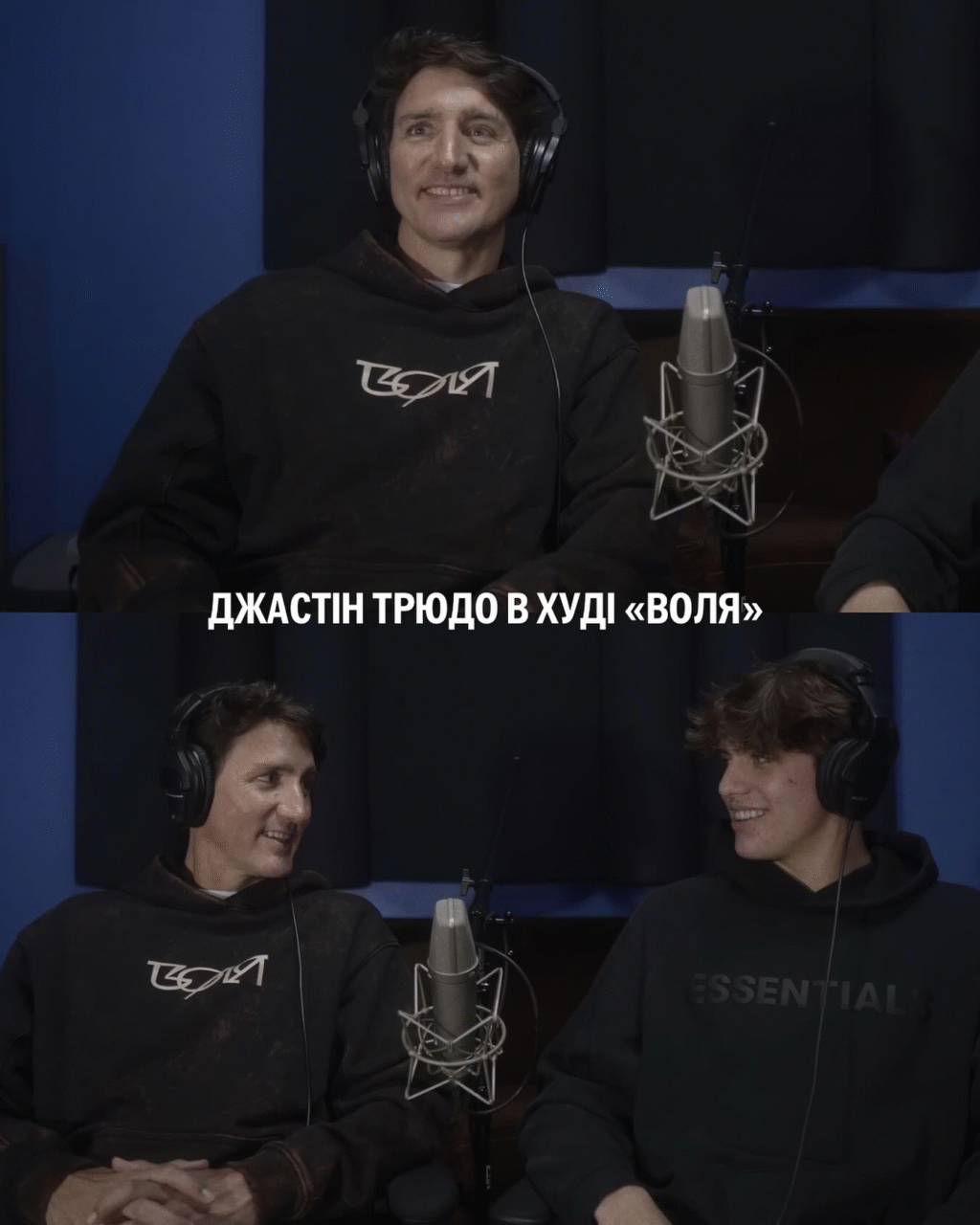
A key figure behind this initiative is Serhii Sternenko, a Kyiv-based Ukrainian activist known both for his military fundraising and for publicly raising concerns about Ukrainian military leadership. He often acts as a liaison, bringing soldiers’ concerns directly to high-ranking military officials. Due to his activism, Sternenko has been a repeated target of Russian-orchestrated assassination attempts, the most recent being in May 2025. To support the fundraising campaign “Rusoriz,” which focuses on drone procurement, Sternenko hosts livestreams every Sunday, inviting popular Ukrainian activists, politicians, and soldiers. On average, these streams raise on average about 1,000,000 UAH (approximately 33,500 CAD). In addition, during the stream Sternenko also runs knife giveaways to engage supporters. One of the speculations about why Sternenko chose to give away knives is linked to an attempted assassination in 2018. During the third assault on him that year, Sternenko managed to disarm his attacker and used the knife in an act of self-defence. Since then, he has often showcased his extensive knife collection and has collaborated with various battalions to create exclusive engravings, increasing their value in order to raise more funds for the AFU. Another fundraising strategy used by the foundation has included a merchandise campaign featuring T-shirts and other items, with a portion of the sales going to support the war effort. The most popular designs include, “Our Russophobia is not enough,” a slogan often repeated by Sternenko on his social media profiles and during YouTube streams.
The idea of selling merchandise to support the Ukrainian Army quickly gained popularity among Ukrainian businesses of all kinds. For example, the Ukrainian bank PUMB launched a social initiative called “We Are of One Blood,” which offers Ukraine-themed hoodies, T-shirts, and jewelry collections. The project raises funds to support blood donation initiatives, as well as funds to support the purchase hemostatic supplies and tactical medical gear for Ukrainian soldiers. Half of the cost of each purchase is donated by the bank to the non-profit organizations DonorUA, Blood Agents, and Hospitallers. In addition, the initiative supports Ukrainian manufacturers and promotes local art.
While there are organizations raising funds on a large scale, many Ukrainians are launching grassroots campaigns to support their loved ones who have joined the Armed Forces of Ukraine. Since the start of the full-scale invasion, Ukrainians have been actively mobilizing, with large portions of the population donating regularly. However, as the war enters its third year, the geopolitical situation – marked by increasing global instability and shifting dynamics in the Trump administration – has started to impact national morale and well-being. The increasing normalization (and even valorization) of Russian President Vladimir Putin’s presence on the global stage reflects a troubling shift in the international order for Ukrainians. Despite Russia’s clear pursuit of imperial ambitions, Putin is nonetheless being tolerated – if not welcomed – within certain arenas of international politics and security that have long been associated with great power status. Such normalization signals a form of “norm diffusion” (Finnemore and Sikkink 1998; Zwingel 2012), whereby authoritarian governance and revisionist practices are tolerated as legitimate forms of state behaviour, particularly amidst raising global instability and the erosion of the liberal international order as we know it. For Ukrainians on the ground, this widening window of tolerance to Russian claims of great power status not only compounds upon the Ukrainian struggle for sovereignty, but also underscores the structural challenge of resisting an international political environment that is increasingly shaped by the practices and discourses of authoritarian leaders.
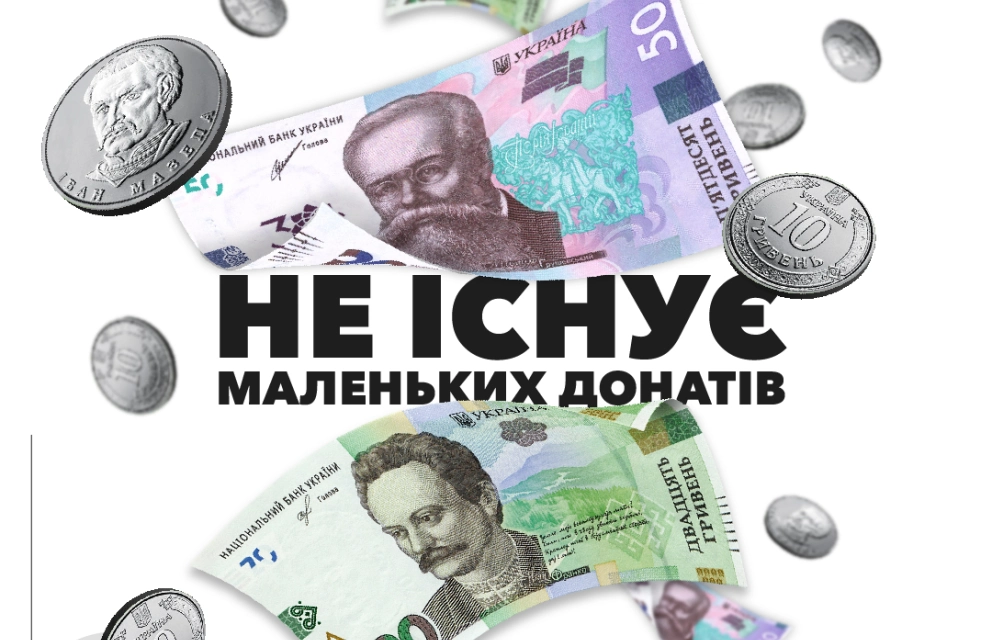
Despite these challenges, numerous successful individual campaigns have evolved into grassroots movements. This paper suggests that such a momentum created by these grassroots actors can be systematized into a broader strategy to strengthen Ukraine’s military capacity and deepen civilian engagement in national resilience efforts. One such example is a movement launched to support the Azov Regiment, known as “Tylovyky” or “Azov’s Rear People.” The core idea behind this campaign is to mobilize many individuals to collectively raise large sums through smaller, manageable contributions. In 2023, the Ukrainian bank Monobank saw a surge in popularity for its “Jar” feature (Banka). Originally designed to help users set aside money for planned purchases, the feature became a powerful fundraising tool thanks to its simplicity and flexibility. Monobank enhanced the user experience by enabling top-ups via Apple Pay, Google Pay, and other banks’ cards without fees, and by assigning a unique card number to each Jar. The service now includes raffles for donors, smartphone widgets, social media templates, and IBAN details to facilitate sharing and engagement.
In May 2024, Monobank introduced a new feature called “Friendly Collections.” This allows multiple people to fundraise toward a common goal by dividing the total amount among themselves into separate Jars. Unlike informal methods, this official feature reduces micromanagement, as organizers no longer have to spend as much time tracking who has transferred which share. The “Azov’s Rear People” movement leverages the Jar feature to break down large fundraising targets into smaller goals that ordinary Ukrainians can reach within their personal circles and communities. To date, they have collectively raised over 220 million UAH (approximately 7.7 million CAD), demonstrating the remarkable effectiveness of this decentralized, people-powered fundraising model.
Redefining “Service” in Wartime & Lessons for the World
The traditional notion of service during wartime tends to focus on military enlistment or government-led mobilization efforts, as well as various humanitarian initiatives targeting civilian evacuation and the relocation of internally displaced persons (Erikkson and Giacomello, 2006). However, Ukrainians today are demonstrating another form of direct engagement and participation with the battlefront: through grassroots fundraising efforts for military equipment, technical gear, medical supplies, vehicles, and drones. Donation culture is becoming the norm among Ukrainians, with media strategies and social media campaigns playing a central role in civic engagement. These tools are increasingly used to raise funds aimed at boosting military capacity. A major challenge in Ukraine’s defence efforts continues to be personnel shortages. With a significantly smaller population than Russia, Ukraine naturally has a more limited mobilization pool. One of our previous analyses explores the challenges surrounding mobilization, which is available here: https://carleton.ca/eetn/2025/new-recruitment-initiatives-face-backlash-amid-ukraines-war-effort
While many civilians are contributing large sums of money to support the AFU, ethical questions persist around whether it is appropriate to “buy” one’s way out of mobilization. For instance, Lieutenant Colonel Kyrylo Veres, Commander of the 20th Separate Unmanned Systems Regiment “K-2,” reflected in a recent interview on the tangible value provided by such financial contributions. He noted that a significant percentage of drones used by his soldiers come from volunteers rather than through official government supply chains. Veres emphasized that, in some cases, it may be more effective for individuals, such as business owners, to remain in their civilian roles, continuing to fund and supply drones and other military systems, rather than being drafted to serve on the front lines. At the same time, he expressed frustration with those who make minimal financial contributions and claim they are fighting on the “economic frontline,” especially as his unit continues to face a persistent shortage of personnel for military operations.
The Kyiv Independent reports that in 2024 alone, individual volunteers and fundraisers raised nearly $1 billion to support the Armed Forces of Ukraine, highlighting a powerful culture of giving. This grassroots movement often taps into creativity and humor to engage the public. To explore the donation culture in Ukraine and the role creativity plays in successful fundraising, please consider watching this example from Kyiv Independent: https://www.youtube.com/watch?v=hFakLwlK_sU
The success of Ukrainian fundraising campaigns often lies in their ability to bypass complex bureaucratic processes, allowing aid to reach the front lines almost immediately – a critical factor during wartime to ensure soldiers are properly equipped. This success also reflects the deep intersubjective trust shared between the AFU and Ukrainian civilians, tied together through a strong sense of belonging, shared purpose, and a commitment to participate in the war effort and the defeat of Russian forces (Mercurio, 2019). The transparency of these campaigns works to reinforce public confidence.; indeed, many average Ukrainians believe their donations are being used as intended, thanks to clear reporting, proper documentation, and even photos and videos from soldiers expressing their gratitude. While grassroots fundraising cannot match the scale of government aid or international military support, it plays a vital role in rapid procurement and targeted delivery of equipment. This model, rooted in civilian empowerment and ongoing, intersubjective engagement between the AFU and Ukrainians, offers a potential blueprint for other countries, including Canada, to enhance public participation in national defence or crisis response.