Skip to Content

The Mentorship Program

Over the past year, the EETN has worked to foster connections and provide opportunities across international borders and academic disciplines. A major pillar of that work has been the Mentorship program, which connected junior scholars, graduate, and undergraduate students with leading academics in their field. Through the production of policy memos and white papers, mentees gained the opportunity to apply their analytical skills to complex policy problems and learned to present informed solutions to academics, government officials, and policy experts — expanding the potential reach to new audiences and potential employers. EETN remains committed to fostering a new generation of professionals with nuanced views of international security and forging deep partnerships between academia and difference-makers.


Meet the Mentees

Background grey

G J

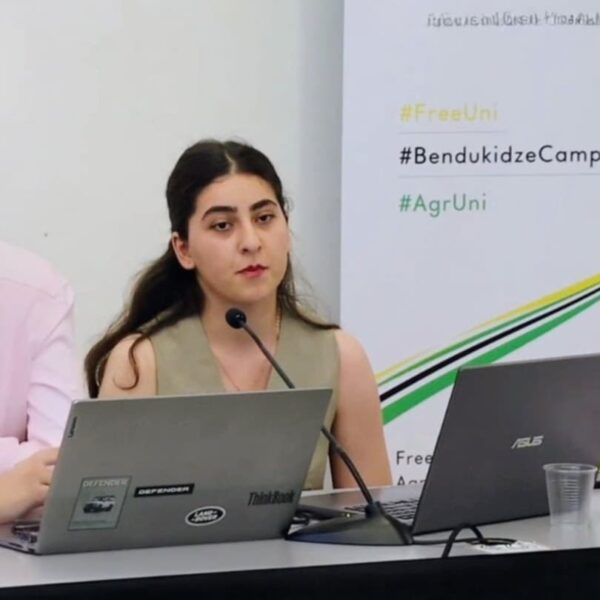
Guram Jurkhadze

  • Tbilisi Free University
Jēkabs Kārlis Rasnačs

Jēkabs Kārlis Rasnačs

  • University of Latvia
Kristine Zubtsova

Kristine Zubtsova

  • Tbilisi Free University
Photo of Luka Tchovelidze

Luka Tchovelidze

  • Tbilisi Free University
Background grey

M K

Margaux Knoerr

  • University of Ottawa
Mariam Papaskiri

Mariam Papaskiri

  • Tbilisi Free University
Sophia Martinez

Sofia Martinez

  • Carleton University

Our Partner Universities

The Memos

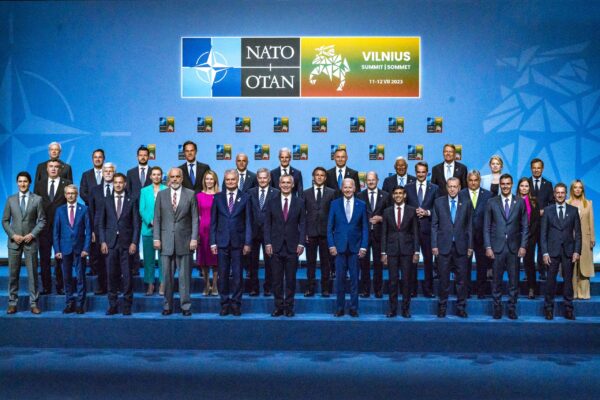
Group of NATO officials

Addressing the NATO Credibility Gap in the Baltics and the South Caucasus: What are the Limits of the Alliance’s Engagement?

This Policy memo examines how NATO can address its growing credibility gap and the concerns of nations on its frontiers.

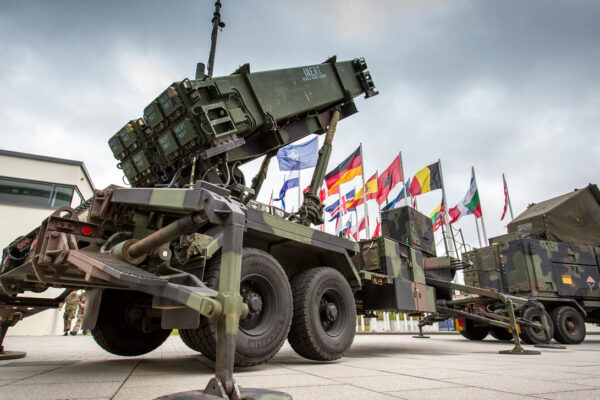
Photo of the NATO flag and the Armenian flag

Armenian Public Opinion And Opportunities For Greater NATO Engagement

This policy brief examines public opinion of security policy in Armenia for NATO. It assesses how narratives of insecurity weaken institutions in the country

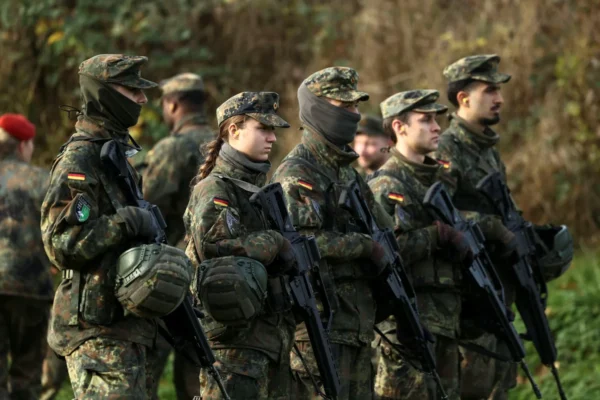
Image of Latvian soldier

Willing to do Nothing: Addressing the Societal Resilience Gap in Estonia and Latvia

A study conducted by the EETN over the past year from Estonia and Latvia suggest there is a significant gap in societal resilience among the residents  of both …

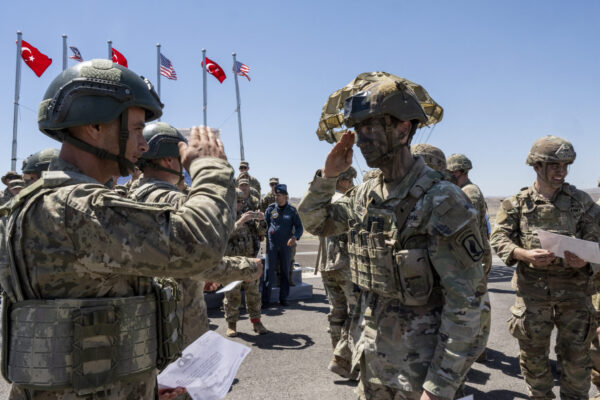
Photo of NATO force in Latvia

Skepticism, Alienation and Perceptions of Internal Instability in Public Opinion: Are NATO’s Baltic Operations Succeeding at Reassuring All Segments of their Populations?

This memo examines public opinion data from Latvia and Estonia regarding beliefs towards the war in Ukraine. It provides policy recommendations for NATO to build …

Eu flag with a maple leaf

Not just the United States: Canada and the Future of European Transatlantic Cooperation

In an era where transatlantic relationships are growing increasingly uncertain, Canada has the opportunity to ease reliance on the US through increasing cooperation with the …

The Armenia-Azerbaijan Conflict: Geopolitical Significance of the Washington Peace Declaration for the South Caucasus

This paper studies the Washington Peace Declaration between Armenia and Azerbaijan and its potential impact on security and economic integration in the South Caucasus region. …

Strengthening Canada’s Response to Disinformation Through International Practices

Executive Summary This policy memo evaluates Canada’s current measures to combat disinformation, identifies key gaps, and proposes policy options to address such gaps by drawing …

Foreign Fighters and Regional Security in the Black Sea Region: Policy Imperatives Amid the Russia-Ukraine War

Foreign Terrorist Fighters pose rising risks in the Black Sea amid the Russia-Ukraine war. A new memo urges regional cooperation, with Canadian support to boost …

Map of the Caspian Sea

The Strategic Importance of the Caspian and Black Sea Regions for Europe’s Energy Security

This memo considers the competing geopolitical rivalries of Black and Caspian Sea energy security.

The Geopolitical Situation and Russia’s Foreign Policy in the Black Sea Region

This policy memo aims to outline the changes overtime to Black Sea security and how the Russian state has viewed it.

NATO’s Role in the Black Sea Region – Strategic Interests and Challenges

This policy memo assesses the current security landscape of the Black Sea and presents the important strategic value of this region to Russia.

Radicalization as a Threat to National Security: Insights from Latvia since Russia’s Full-Scale Invasion of Ukraine in 2022

Russia’s war in Ukraine has fueled political radicalization in Latvia with far-reaching implications for national security. This policy brief examines how radical attitudes and behaviours …

Listen to the Podcast