Ertugrul Emre Kulac
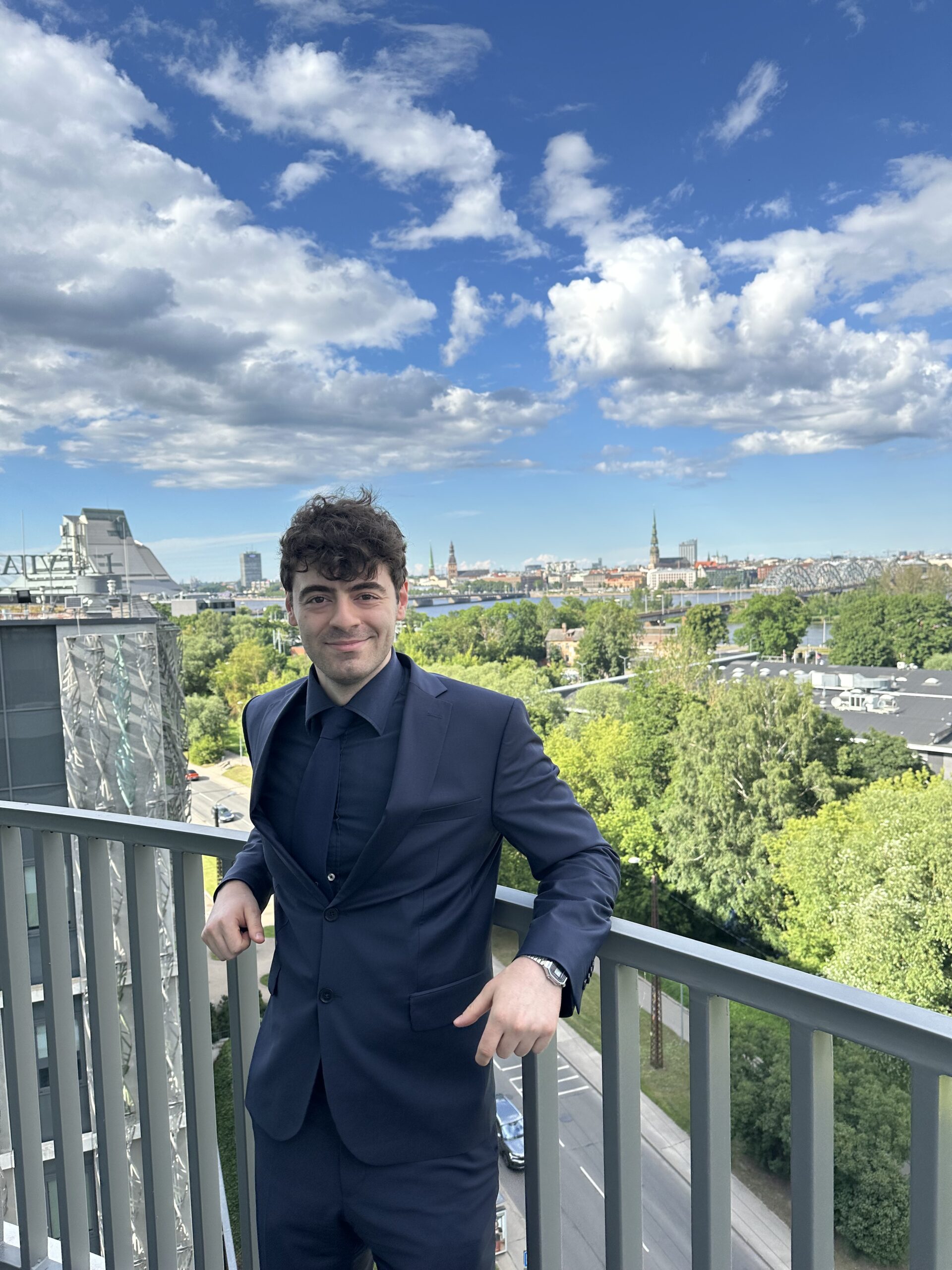
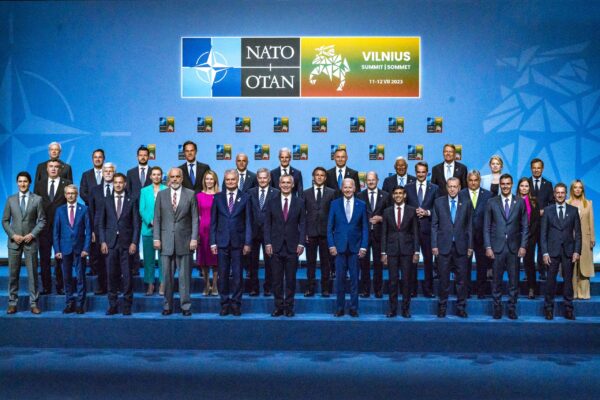
Ertugrul Emre Kulac is a Master’s student at Carleton University and was a member of the EETN’s 2026 mentorship program. He published “Addressing the NATO Credibility Gap in the Baltics and the South Caucasus: What are the Limits of the Alliance’s Engagement?” as part of the program. Ertugrul kindly shared his perspective on the mentorship program and highlighted the benefits that his participation had on his academic and professional development.
Can you tell me a little bit about your experience in the mentorship program?
Despite working on my MA thesis project during that time, I was excited to join the mentorship program because I had never been involved in a quantitative project and am very interested in contemporary geopolitics, including NATO’s frontier members and South Caucasian countries. After I learned I had been accepted into the internship, I felt happy. It has been a great and fulfilling experience for me because I conducted a study using real survey data collected by Dr. David Sichinava in Estonia, Latvia, Armenia and Georgia.
What was the process of working with your mentor like? How did your relationship aid in the drafting of your policy memo?
The process of working with my mentor, Dr. Sichinava, was amazing. He is patient, and he helped me approach quantitative data more professionally. His tutorials assisted me in analyzing and creating suitable graphs by drawing on the data. His feedback was very constructive for my policy memo.
How important was the mentorship program to you and your development as a young scholar?
I believe this mentorship genuinely shaped my overall perspective and approach to certain geopolitical issues (especially if it requires engaging in interaction with a group of people). On the other hand, it allowed me to understand what quantitative data I can extract from the case study I am working on. As I mentioned in the other question, working through the data and reflecting on our analyses in graphs is both fun, fulfilling, and beneficial for future policy memo projects. Since I will continue in NATO-related and security studies, I think being a mentee in this program was a gift.
What would you like future generations of young scholars enrolled in the mentorship program to know?
I want to advise young scholars who will enroll in an EETN mentorship program not to postpone their studies for the mentorship project, as it requires both dedication over a period and attention to the nuances of the data they will be handling. In addition, carefully listening to the tutorials is life-changing if they plan to continue working on policy memos in their future projects. In my opinion, they should not consider this program as a basic side quest. Instead, they should view it as an important project that requires good focus for a time period.