The Geopolitical Situation and Russia’s Foreign Policy in the Black Sea Region
By Mariam Papaskiri and Dachi Tavartkiladze, Tbilisi Free University
This policy memo argues that Russia’s ongoing efforts to dominate the Black Sea region are not isolated historical events, but part of a broader and deliberate geopolitical strategy aimed at challenging Western influence, undermining democratic sovereignty, and reasserting imperial power. Understanding these dynamics is crucial as the region stands at the frontline of the confrontation between authoritarian resurgence and democratic resilience. By analyzing Russia’s evolving foreign policy tools – ranging from military aggression to hybrid warfare – this memo aims to show how the Black Sea has become a key battleground for the future of European and international security.
The Context
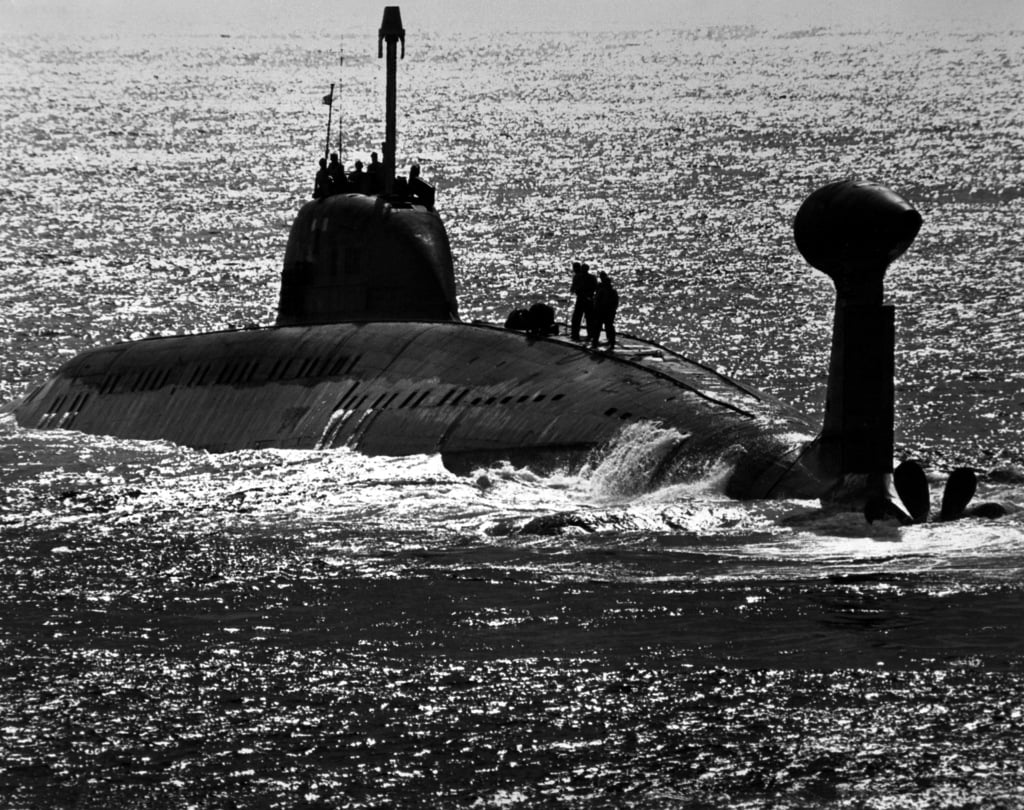
Before the collapse of the Soviet Union, a large part of the Black Sea region was firmly embedded within its strategic orbit along the region’s coastline. Ukraine, Georgia, Bulgaria, and Romania were either under direct Soviet control or part of the Warsaw Pact, leaving Türkiye as the NATO member in the region. After the collapse of the Soviet Union, the strategic landscape changed dramatically – Ukraine, Georgia, and Moldova regained their independence, while Bulgaria and Romania became NATO members. This fundamentally altered the geopolitical significance of the Black Sea, opening the region up to Western integration as Russian influence waned.
The dissolution of the Soviet Union led to a power vacuum as the post-Soviet republics of Ukraine, Georgia, and Moldova forged paths to sovereignty. However, despite the birth of new regional powers that challenged Russia’s historical interests in the region, Moscow sought to develop leverage and instruments to maintain its sphere of influence. This creates a precedent for crude interference by Russia, demonstrating that its attempt to maintain a dominant position in the region remains relevant.
In the 1990s, Russia pursued a strategy that involved supporting separatist movements in Abkhazia (Georgia), South Ossetia (Georgia), and Transnistria (Moldova), thereby attempting to weaken the fledgling states. In the 2000s, under the rule of Vladimir Putin, a more assertive and targeted approach was developed, utilizing energy dependence and military actions to pursue its interests. Examples of this more assertive approach can be seen in events such as the August 2008 Russo-Georgian war and the annexation of Crimea in 2014.
To this day, Russia’s primary motivations remain centred on obstructing the expansion of NATO and the European Union (EU), while simultaneously promoting narratives that frame Western institutions and organizations as existential threats to both the region and broader global order. Today, the Black Sea is not only a geographical crossroads but a strategic fault line between authoritarian and democratic spheres of influence. The struggle for control over this region is no longer just about territory – it is about global ideological competition, security, and the future of Europe’s eastern flank.
Russia and the Black Sea Region: Geopolitical Situation and Strategic Interests
The Black Sea region pits post-Soviet states against Russia’s imperialist ambitions. The Kremlin’s goals within the region remain concentrated on weakening NATO unity and preventing the accession of Ukraine and Georgia to the Alliance. Accordingly, the Black Sea serves as a key platform for Moscow to consolidate its broader influence not only in Eastern Europe and the Caucasus, but also across adjacent geopolitical spaces. Russia’s post-Soviet entanglements have turned the Black Sea into a militarized zone, wherein Russian warships, aircraft, and artillery systems (particularly in Crimea) are stationed. Nevertheless, Russia’s dominant position in the region remains a contentious issue due to Ukraine’s naval resistance, NATO involvement, and Türkiye’s growing regional influence. Türkiye’s strategic role in NATO has significantly increased in recent years, allowing it to play a greater role in regional security and diplomacy. When discussing Türkiye as an actor in the Black Sea region, the Montreux Convention cannot be ignored. Signed in 1936, the Montreux Convention gives Türkiye control over the Bosporus and Dardanelles straits, making it a key player in regulating military access to the Black Sea.
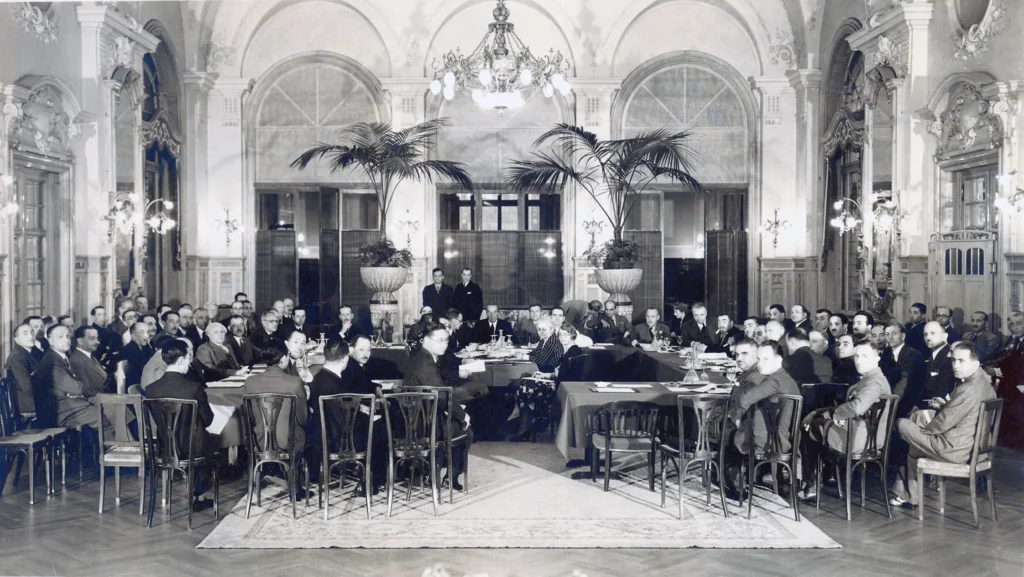
From one perspective, the Montreux Convention serves as an advantage for Russia, as it restricts the permanent presence of non-Black Sea NATO fleets, which aids Russia’s dominance in the region; however, the agreement also limits Russia’s ability to freely move military vessels during conflicts. Thus, the Convention is vital for maintaining a relative balance of security in the Black Sea – hindering militarization by external powers, while giving Türkiye certain leverage during regional crises.
Romania and Bulgaria have gained more control over their Exclusive Economic Zones within the Black Sea with both countries moving closer to NATO and the EU, further emphasizing their role in regional security. It is also noteworthy that the United States and its allies are increasingly prioritizing the Black Sea region, as reflected in calls for the development of a comprehensive Black Sea strategy. Such a strategy aims to increase coordination with NATO and the EU, deepen economic ties, and strengthen democratic principles.
The Black Sea thus remains a region in contest. For Russia, the Black Sea represents a means of expanding geopolitical influence, projecting military power, and controlling vital energy routes, while other players in the region are actively combating Russian influence and fostering closer ties with the West. Consequently, the region is a hub of geopolitical conflict, wherein Russia’s pursuit of dominance often conflicts with the aspirations of neighbouring countries seeking independence, security, and a sovereign role on the global stage.
Conflicts in the Region
The Black Sea’s demographic, cultural, and social diversity are key factors that underscore contemporary political tensions. By the end of the 20th century, a strong sentiment for the preservation and return of national identity emerged in post-Soviet states. Georgia, Moldova, and Ukraine have direct experience of confrontation with Russia; they have repeatedly and consistently represented the front of ideological clashes under the pretext of obtaining and maintaining independence or free political will. Memories of collective Soviet identity serve as barriers for relatively small states that wish to integrate, assimilate, and align politically with the West. The 1992-1993 War in Abkhazia, in which Russian-backed separatists opposed Georgia, serves as a clear example of Moscow’s approach towards the region. A similar scenario occurred in Moldova in 1992, which to this day remains a frozen conflict in Transnistria.
The politics of recognizing the rights of separatists and pseudo-independence is a strategic hallmark of Moscow aimed at presenting its actions as consistent with contemporary political systems and international legal norms. From the perspective of the international community, this policy had been seen as doomed to fail. A clear example of the undermining of free and sovereign political will can be found in the Russia–Chechnya wars (1994–1996; 1999–2009), which were motivated by a desire to maintain regional hegemony and suppress Chechen self-determination within the framework of state sovereignty.
Rather than serving as a balancing and humanitarian force, Russia embodies a contradictory presence that undermines the very norms it claims to value and uphold. The question thus largely remains the same: “To what extent does Russia’s aggression shape the political landscape of the region?” The annexation of Crimea in 2014 and the full-scale invasion of Ukraine in 2022 thus only lend further evidence to the realities of separatist recognition by Russia. These events have changed the political dynamics of not only the Black Sea region, but global perceptions of the appropriateness of state behaviour, the scope of international law, the diffusion of nuclear weapons, the importance of human rights, and overall global security.
Hybrid Warfare
Hybrid warfare is currently one of the most relevant issues in the Black Sea region.
Russia’s active use of this tactic is particularly noteworthy as it is a crucial tool to further the region’s destabilization and its own imperialistic ambitions. Hybrid warfare centres on the use of cyberattacks, disinformation campaigns, economic pressure, and other technological means of warfare.
Ukraine remains a key arena where Russia has employed hybrid warfare. The 2014 annexation of Crimea was not solely a military operation; it involved a coherent and deliberate dissemination of propaganda narratives and disinformation campaigns. Russia’s “little green men” – an anonymous force of soldiers in green uniforms – appeared in Crimea in 2014, representing Russian special forces. In reality, these “little green men” are only one of the many illustrative examples of hybrid warfare, part of a much larger, multi-dimensional campaign. This combination of unmarked military forces alongside concerted disinformation campaigns and political manipulation continues to be among Russia’s primary approaches aimed at achieving its strategic objectives in the region by ultimately sowing confusion and uncertainty, thereby avoiding an immediate international reaction.
Georgia and Moldova have also been targets of Russia’s hybrid tactics. After the 2008 war in Georgia, Russia actively began the so-called “creeping borderization” in Abkhazia and South Ossetia, along Georgia’s borders. This was accompanied by intense disinformation and propaganda campaigns. In Moldova, the presence of Russian troops in Transnistria continues against the backdrop of a strong disinformation narrative. In the information sphere, Russian state media and online “troll bots” are actively working to spread disinformation in the region, targeting both the local populations of the Black Sea countries and the international audience. Beyond military objectives, these efforts are aimed at eroding trust in Western democratic and security institutions – particularly NATO and the EU – deepening internal divisions and advancing a broad anti-Western narrative across the region.
Economic Interests
Russia’s economic interests in the Black Sea region are closely intertwined with its geopolitical ambitions. Gaining control and influence over this region would facilitate the easier distribution of exports such as natural gas, grain, and other resources in the market. Since Russia’s annexation of Crimea in 2014, Moscow’s economic leverage and instruments of influence have been strengthened, expanded, and diversified, considering the resources and potential trade opportunities available in the region.
Russia is a major global grain exporter. Maintaining and developing this capacity is vital. For Russia, the Black Sea region serves as a transit hub for this purpose. Novorossiysk, a city in Russia, is a clear example of how this country interprets and approaches the economic utilization of the Black Sea basin and its surrounding areas. Novorossiysk remains one of the most strategically important ports in the region. As sanctions intensified between 2014 and 2022, Russia chose to leverage this asset to maintain its trade routes by bypassing Western-controlled ports. This capability has become a tool of soft power, particularly in the Middle East, North Africa, and developing economies. Through grain diplomacy, Russia strengthens its ties with countries heavily reliant on food imports, especially during times of supply chain crises or disruptions.
The ongoing war and Russia’s continued targeting of Ukraine’s agricultural infrastructure represent a massive blow to the Ukrainian economy. Despite Ukraine’s efforts to find new trade routes and possible leverage to work with, the mentioned phenomenon represents a complex, diverse problem by creating a significant hole in its economy and impacting global food security. While analyzing the current geopolitical landscape, tendencies, and strategies, it becomes evident that we are facing a neocolonial reality: Ukraine’s grain exports are becoming increasingly unprofitable and vulnerable, particularly in African markets. The reason is clear – Russia’s active involvement in BRICS, African summits, and bilateral forums has strengthened its economic leverage by lowering prices and positioning itself as a reliable, affordable, and powerful trade partner. We are confronted with a harsh truth: grain has become a weapon. Export markets have turned into a battlefield between Ukraine and Russia, with the region’s food economy increasingly shaped by a single, dominant political actor. Russia derives substantial strategic and economic advantages from its influence and dominance over the Black Sea region, which in turn strengthens its overall presence on global political and trade platforms. This economic leverage – rooted in the region’s geopolitical significance — further diversifies Moscow’s potential instruments of power.
Conclusion
The Black Sea region remains a geopolitically complex and strategically important zone, functioning as both a crossroads and a contested space for power struggles among Russia, regional actors, and Western powers such as NATO and the EU. The Black Sea’s geopolitical position is closely tied to Russian interests and motivations to control and bring the states in this area back under its sphere of influence. Despite their initiative and aspiration to embrace Western values, Georgia, Moldova, and Ukraine remain within a vulnerable zone – largely due to Moscow’s aggressive and coercive actions. Russia’s approach reflects a deliberate strategy to expand its sphere of influence at the expense of neighbouring countries.
The annexation of Crimea, support for separatist movements in Georgia and Moldova, the full-scale invasion of Ukraine, and many other actions are clear manifestations of imperial ambitions, demonstrating how Moscow systematically violates international law and the sovereignty of neighboring states. In addition, through intense hybrid warfare – along with disinformation, cyberattacks, economic pressure, and covert military operations – Russia actively exploits the weaknesses of smaller, democratic countries. It is equally important to recognize that the countries in the Black Sea region are by no means passive players. Ukraine is actively resisting the Russian invasion through both military and diplomatic means. Moldova and Georgia are striving to align more closely with European and Euro-Atlantic states, while NATO members such as Romania and Bulgaria are strengthening their defensive capabilities. Accordingly, regional cooperation and Western support are gradually increasing. Yet, it is still crucial to acknowledge that the threat of Russian aggression and domination remains real and persistent. The Black Sea region continues to be one of the most important transit, transport, and trade routes for a variety of international actors. The ongoing Russo-Ukraine war clearly shows that security-related challenges in the region still exist and are likely to persist in the future. This competition complicates the formation of a stable geopolitical environment under the aforementioned political landscape. Russia is not just a geopolitical competitor; it is the main source of destabilization in the Black Sea region. So long as its ambitions are based on aggression and conquest, the region will remain the frontline of authoritarian expansion. For this reason, it is essential to strengthen democratic institutions and reinforce Western partnerships in order to defuse geopolitical tensions in the region and prevent future threats as well as possible confrontations.