What is NATO’s new finance mechanism doing for weapons deliveries to Ukraine?
By Sam Paquette
On July 14th 2025, the US and several NATO Allies launched a new mechanism to send weapons financed by European buyers but manufactured by American companies to Ukraine. With Trump’s electoral promise to reduce US aid for the three-year conflict, Ukrainian and European officials wanted to develop a mechanism that ensured a continued flow of weapons to Ukraine even if US contributions decrease in the coming years. Through this new mechanism, NATO members agreed to send US weapons to Ukraine on the Priority Ukraine Requirements List (PURL), coordinated through NATO’s Security and Assistance Training Centre for Ukraine (NATSU), based in Wiesbaden, Germany.
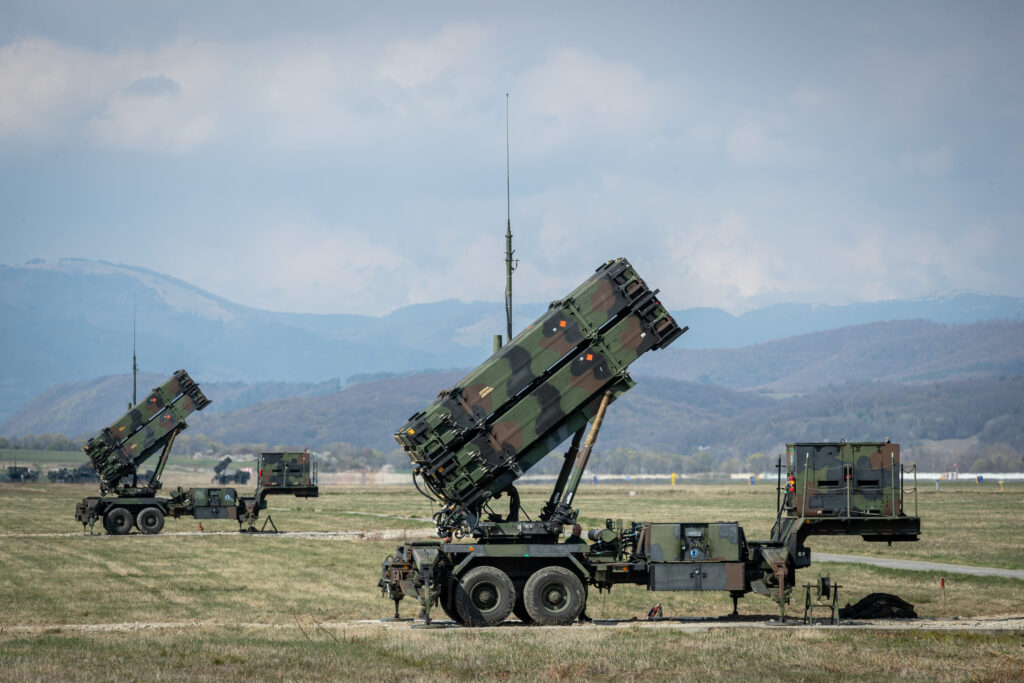
In this new arrangement, NATO Allies negotiate amongst each other to determine which states would purchase weapons directly from the US on the PURL list for an immediate transfer to Ukraine. Alternatively, NATO members can donate the weapons to Ukraine from their own stockpiles and then use this mechanism to bypass lengthy US arms sales procedures and quickly resupply for themselves. Each $500 million package would consist of equipment like air defence systems and interceptors that the US can manufacture more readily compared to Europe or Canada. In addition, Ukrainian Armed Forces have stated that they prefer the US Patriot systems, as they have proven to be more effective in defending against Russian missiles compared to the French-Italian SAMP-T.
Several NATO members, including Germany, Finland, Denmark, Norway, the Netherlands, the UK, and Canada, have expressed interest in this new mechanism. The Netherlands was the first European country to pledge a €500 million package of Patriot missiles and batteries. Norway, Denmark, and Sweden also agreed to send a joint package of €433 million worth of Patriot missiles and other advanced munitions, largely from their own stockpiles.
In the short term, this mechanism allows European countries to quickly deliver much-needed and much-desired weapons to Ukraine. Prioritizing US arms like Patriot systems makes strategic sense, considering that the US is the largest producer and operator of these systems, and has an industry that can scale up its production faster than European alternatives. Additionally, this trans-Atlantic production line allows NATO members to support Ukraine while avoiding developing gaps within their own capabilities. This approach also aligns with NATO’s 5 percent defence spending of GDP, allowing European countries to count weapons bought for Ukraine under their NATO spending commitments.
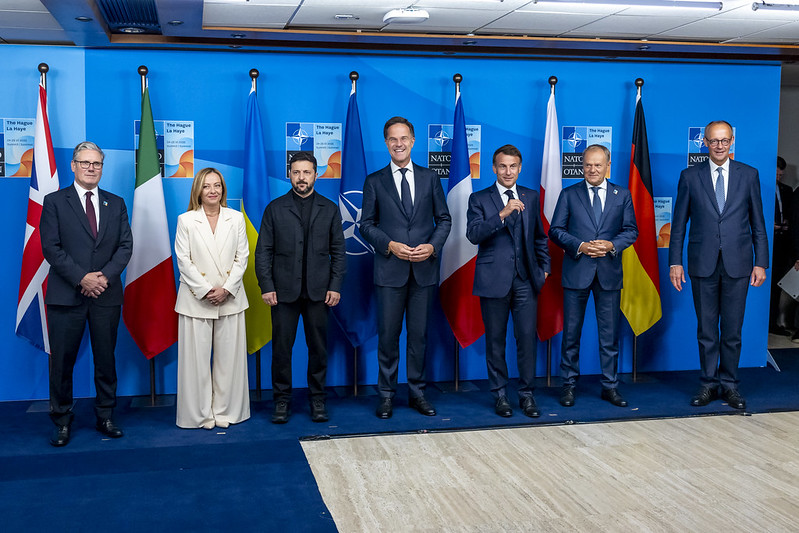
However, over the long term, this mechanism could present challenges for the development of European defence capabilities. Some EU member states have argued that this new mechanism harms the EU’s strategic autonomy efforts – especially the recent ReArm Europe initiative – by diverting large amounts of funding to the US instead of towards bolstering Europe’s own defence-industrial base. More specifically, France, a long-standing advocate for increased European defence autonomy, chose not to partake in the mechanism as it conflicts with French President Macron’s long term goal of focusing investments within the European defence industry. Italy and the Czech Republic also declined to participate in the initiative, expressing concerns about wanting to invest in domestically produced defence equipment like ammunition or missile systems for Ukraine rather than purchasing US-made equipment.
In addition, previous donations of missile defence systems have depleted European arsenals, making demand for Patriot systems much higher compared to the current supply. A new Patriot system normally can take up to seven years before it is delivered and has a price tag of $1 billion per battery and $4 million per interceptor missile. The long replacement wait times of Patriot systems could leave several European countries under-equipped for their own defence initiatives.
In conclusion, NATO’s PURL mechanism will get much-needed weapons delivered quickly to Ukraine, so long as US production capacity can keep up. However, when it comes to the EU’s long term industrial policy goal of boosting its own strategic autonomy, much of the capital is being directed towards American companies rather than towards European manufacturers that could profit from this extra demand. Over the long term, the EU will need to gradually reduce the political and financial resources going to the US if it wants to develop the domestic capacity to manufacture the defensive systems Ukraine requires.