Kristine Zubtsova

Tbilisi Free University
Kristine Zubtsove is an Undergraduate student at the Tbilisi Free University and a member of the 2025 mentorship program. Her policy memo, published with Guram Jurkhadze, titled “NATO’s Role in the Black Sea Region – Strategic Interests and Challenges,” explores the current security landscape of the Black Sea and presents the important strategic value of this region to Russia.
Mentorship Program 2025 Testimonial
Kristine kindly shared her perspective on the mentorship program and highlighted the benefit that her participation had on her academic and professional development.
Can you tell me a little bit about your experience in the mentorship program?
I was selected by my mentor for the mentorship program along with other students. At first, we were given a general topic, and then each of us chose a specific area to focus on, which was then approved by our mentor. Throughout the program, we met weekly to discuss our progress. Our mentor guided us, provided feedback, and answered our questions. Step by step, we carried out our research and worked on our article. Before submission, we reviewed the final draft together, incorporated our mentor’s recommendations, and only after careful consideration did we submit the completed article.
What was the process of working with your mentor like? How did your relationship aid in the drafting of your policy memo?
Working with my mentor was a very positive experience. We met weekly, where he provided valuable recommendations and feedback that helped me not only understand the topic better but also develop a deeper understanding of academic work and its details. He treated us as colleagues, which made us feel respected and valued. His feedback was professional, and he was always approachable and supportive. Although we had regular meetings, he was always available if we had any additional questions or needed feedback. He created a friendly and open environment that made it easy for us to express our opinions freely, knowing we would be heard and given fair feedback. That helped us in the writing process as well, because we were able to write about the topics we were truly passionate about freely, without feeling restrained or judged.
How did this experience change the way that you think of academic work?
Throughout my studies, I had some experience in academic work prior to the mentorship program. However, this experience gave me a completely new perspective on the research process. I believe one of the most valuable lessons I personally learned was how much words truly matter. Having an idea is one thing, but expressing it clearly is another. Through our weekly meetings, I realized how easily sentences can be misinterpreted and how important it is to choose the right words and tone so that ideas are correctly understood. I also came to appreciate how much time and effort goes into writing an academic paper – every sentence needs to be factually accurate, well thought out, and carefully worded. Another detail I’d like to point out is that I learned how important it is to be concise when conducting an academic research. A lot of ideas can be fitted into few words, if the words are chosen correctly. After the mentorship program, I believe I have gained a much deeper understanding of what academic work really entails.
How important was the mentorship program to you and your development as a young scholar?
I believe the mentorship program has been very beneficial for my academic and professional development. Firstly, I’d like to point out the fact that it was the first time that my article was published publicly, which has been a great source of motivation for me as a young scholar. It made me feel like my ideas and my work are valued and respected, which encouraged me to think of new ideas I would like to explore and to continue writing. This experience also deepened my understanding of the academic research process. I learned the importance of precision, attention to detail, and considering multiple perspectives before forming conclusions. It also gave me more confidence in my abilities, which I believe will be invaluable for my future career as a scholar. Finally, the program taught me a lot about teamwork and its value. Working with my co-author, mentor, and fellow students showed me how important it is to listen to different opinions, integrate feedback, and collaborate effectively. I am confident that the skills I’ve gained through the mentorship program will greatly support my future path, as they’ve already helped me grow both academically and professionally.
What would you like future generations of young scholars enrolled in the mentorship program to know?
I would encourage everyone to take part in the mentorship program because I believe it is a valuable step forward for young scholars who are passionate and motivated. What I would like future participants to know is that their perspectives and ideas truly matter. This program is designed to encourage young people’s creativity and to ensure their voices are heard. My biggest advice is to be confident in yourself and your abilities. The program gives you the freedom to express yourself while also teaching you the details of academic research and the importance of discussion – both with mentors and with your peers. The skills you gain here are invaluable for your future academic and professional path. You not only learn about research and writing but also about teamwork, meaningful discussions, and you also gain important interpersonal skills. All of these are essential for becoming a strong scholar. Participating in this mentorship program gives you the opportunity to develop those skills earlier in your career, providing a real head start in your academic and professional journey.
Read the Policy Memo
2 min read
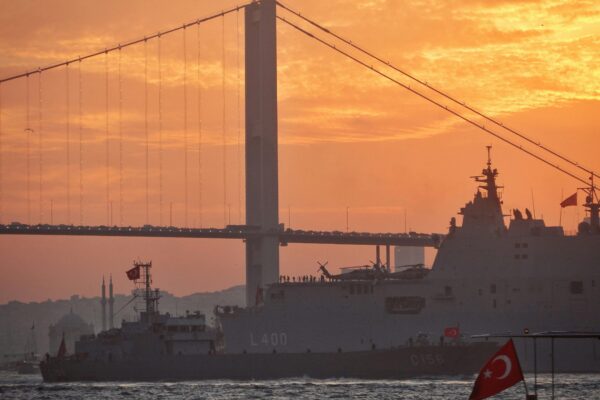
NATO’s Role in the Black Sea Region – Strategic Interests and Challenges
This policy memo assesses the current security landscape of the Black Sea and presents the important strategic value of this region to Russia.