Mariam Papaskiri
Tbilisi Free University
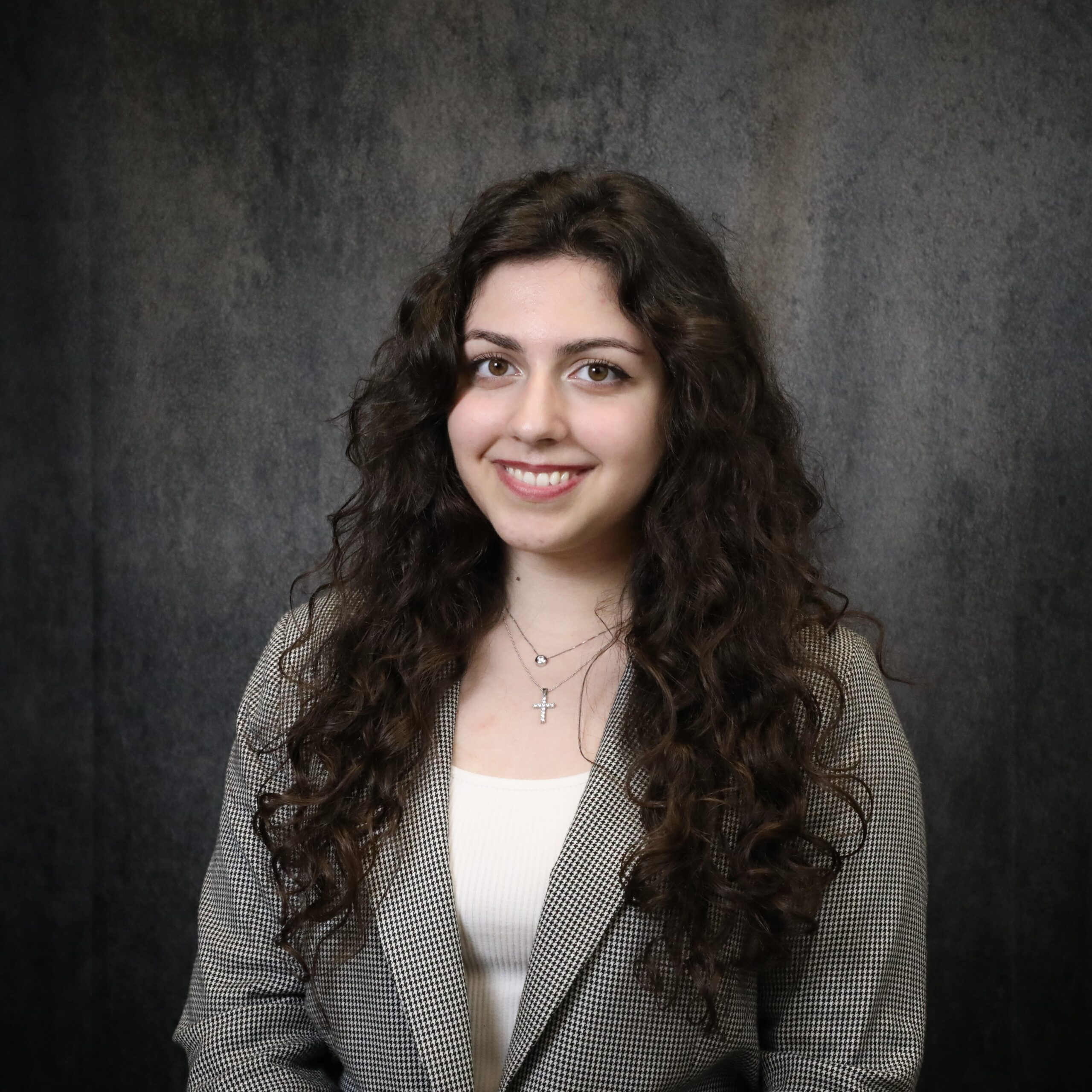
Mariam Papskiri is an Undergraduate student at the Tbilisi Free University and a member of the 2025 mentorship program. Her policy memo, published with Dachi Tavartkiladze, titled “The Geopolitical Situation and Russia’s Foreign Policy in the Black Sea Region” outlines the changes over time to Black Sea security and how the Russian state has viewed it.
Mentorship Program 2025 Testimonial
Mariam kindly shared her perspective on the mentorship program and highlighted the benefit that her participation had on her academic and professional development.
Can you tell me a little bit about your experience in the mentorship program?
Thanks to my mentor, I was selected to participate in the mentorship program, working alongside other students. During the program, we had weekly meetings with our mentor, where we decided on specific topics, discussed our progress, and received valuable guidance and feedback. With my mentor’s support, we carried out thorough research, analyzed our findings, and carefully refined our article. Throughout the process, I gained a deeper understanding of the subject, improved my research skills, and learned how to translate feedback into a polished final piece.
What was the process of working with your mentor like? How did your relationship aid in the drafting of your policy memo?
My experience working with my mentor was incredibly rewarding. Despite our busy schedules, he was always flexible and willing to offer support whenever needed. We had weekly check-ins, during which he offered insightful guidance and constructive feedback that not only deepened my grasp of the subject but also enhanced my understanding of the nuances of academic research. Despite the difference in age and professional experience, we were treated as colleagues, which fostered a sense of respect and recognition in the team. His advice was always professional, yet he remained approachable and willing to help outside of our scheduled meetings whenever we had questions or needed clarification. As a result, this created an open and welcoming atmosphere where we felt comfortable sharing our ideas and confident that they would be valued and thoughtfully considered. This supportive environment allowed us to explore topics we were genuinely interested in and write authentically, without fear of judgment or limitation.
How did this experience change the way that you think of academic work?
Working on this article fundamentally changed the way I think about academic work. The process of researching, structuring, and writing the piece required me to engage deeply with complex topics, synthesize diverse sources, and critically evaluate different perspectives. It made me realize that academic work is not just about collecting information, but about crafting a coherent argument, supporting it rigorously, and paying attention to nuance and detail. Having the guidance of a mentor throughout this process was invaluable – his feedback helped me refine my ideas, improve the clarity of my writing, and think more critically about my analysis. This experience showed me the importance of mentorship in shaping research, as well as the nature of writing. Besides, the experience also taught me patience: it took multiple drafts and revisions to reach a polished, well-structured final outcome. Each version improved upon the last, showing me the value of persistence and careful reflection in producing high-quality academic work. Overall, it gave me greater confidence in my ability to contribute meaningfully to scholarly discussions and deepened my appreciation for the care and dedication that quality research requires.
How important was the mentorship program to you and your development as a young scholar?
The mentorship program was extremely important to me and my development as a young scholar. It provided a structured yet flexible environment where I could explore complex topics in depth while receiving expert guidance. Through the program, I not only developed stronger research and writing skills but also gained a much better understanding of the academic research process – how to formulate research questions, design a coherent structure, evaluate sources critically, and combine findings into a clear argument. I learned how to critically analyze information, synthesize diverse perspectives, and incorporate feedback into a polished final product. Most importantly, this program gave me the opportunity to publish my first article in English, marking my first English-language publication – a milestone that boosted my confidence and motivated me to continue pursuing research in an international context. Beyond the technical skills, the experience taught me patience, persistence, and the value of thoughtful reflection, while working closely with my mentor showed me the impact of supportive guidance on scholarly growth.
What would you like future generations of young scholars enrolled in the mentorship program to know?
I would like future generations of young scholars in the mentorship program to know that this experience is an invaluable opportunity to grow, both academically and personally. It’s a chance to explore topics you are passionate about, learn the intricacies of the research process, and receive guidance from mentors who genuinely want to see you succeed. I would encourage them to approach the program with curiosity, openness to feedback, and a willingness to engage deeply with their work. The mentorship environment allows you to make mistakes, ask questions freely, and develop confidence in your abilities. Most importantly, it’s an opportunity to build skills, habits, and perspectives that will stay with you long after the program ends – shaping not just your research, but your approach to learning and scholarship throughout your career.
Read the Policy Memo
11 min read
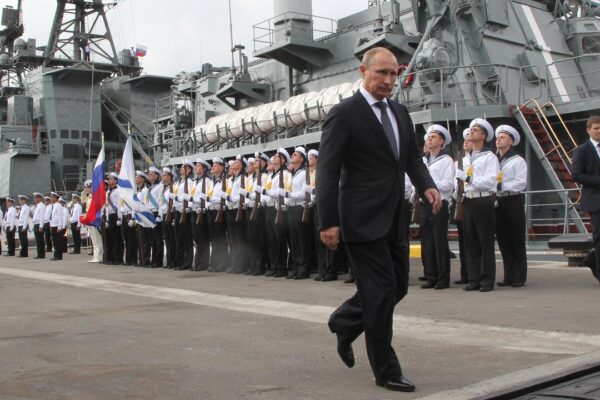
The Geopolitical Situation and Russia’s Foreign Policy in the Black Sea Region
This policy memo aims to outline the changes overtime to Black Sea security and how the Russian state has viewed it.