How Carleton English Prepared Luke LeBrun for a Career in Journalism
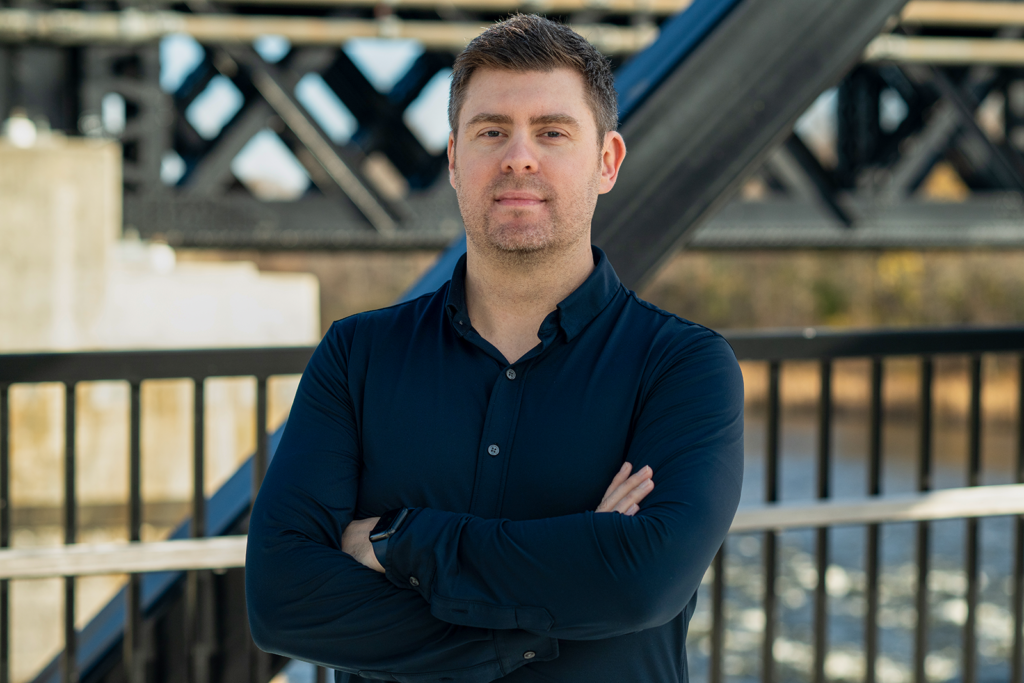
Through his independent publication The Watchdog, Luke LeBrun investigates Canadian democracy.
Luke LeBrun grew up in a household where following the news was a part of daily life. His parents, both teachers, encouraged an interest in investigative journalism that would eventually become his career.
“They subscribed to several different newspapers,” says LeBrun. “We had CBC Radio on at all times. We had CNN on the TV. It was kind of like living in a newsroom.”
Today, LeBrun is an award-winning journalist with a track record of publishing stories that challenge institutional injustice. He developed his research and critical thinking skills as a student of Carleton University’s English program. Through diverse course offerings, the Department of English uses storytelling as a tool for self-reflection, problem solving, and creative thinking.
During his studies, LeBrun had the opportunity to participate in the innovative Hyperlab, a digital humanities research centre developing interactive technologies for public spaces in Ottawa. Additionally, his minor in History provided insight into the social and economic forces that shape our society.
“The topics I learnt about in my academic courses, around digital technologies, ended up applying to a lot of my reporting about disinformation and political extremism now, which really focuses on online culture,” reflects LeBrun.
Alongside his coursework, LeBrun whet his editorial chops writing for The Charlatan, Carleton’s student-run newspaper—a preview of the kind of work he would end up pursuing.
The Importance of Watchdog Journalism
In the early days of the COVID-19 pandemic, LeBrun received a tip for a potential story: employees at Tim Hortons with flu-like symptoms needed a doctor’s note to get out of work. As a result, these workers, rather than quarantine at home, had to wait in line at walk-in clinics, increasing the risk of transmission and putting the public at risk. Learning about this unjust policy, LeBrun, working with his colleagues at PressProgress, covered the story—and their reporting quickly went viral.
“At one point, Tim Hortons was trending on Twitter,” says LeBrun. Not long after the story made headlines,
Doug Ford, the Conservative Premier of Ontario, passed a law banning employers from requesting doctors’ notes during the pandemic. “To me, I think that’s the perfect example of the kind of impact journalists can and should have,” says LeBrun. “I’m convinced we saved lives.”

LeBrun views it as his responsibility to hold those in power accountable for their actions. His reporting largely covers extremist, far-right movements, bringing attention to the dangers of anti-democratic sentiments. In this spirit, LeBrun created The Watchdog, an independent news publication focused on issues related to wealth, power, and democracy.
“If someone is running for public office, they could have the power to pass or repeal laws that quite literally could have a life or death impact on ordinary peoples’ lives,” says LeBrun.
“I do think, as journalists, we have an institutional role to play in our democracy, in keeping with this idea of journalism as ‘the fourth estate.’”
With The Watchdog, LeBrun hopes to fill a gap in the media ecosystem.
“Some of the older, traditional media outlets no longer have the resources to do investigative reporting,” he says. “They don’t really have the resources to do original reporting, either.” Alongside investigative exposés, The Watchdog will also publish explanatory journalism, telling stories that help readers understand how Canadian democracy works. LeBrun hopes this reporting can help establish a more democratic culture in Canada.
For students and young writers interested in following a similar path, LeBrun stresses that a career in independent journalism in Canada’s quickly evolving media landscape requires passion and dedication:
“Get involved because you care about your community, you care about your democracy, and you feel like you have a duty to surface information that will benefit the public interest.”