Canada’s Minister of Foreign Affairs Discusses International Strategy at NPSIA 60th event
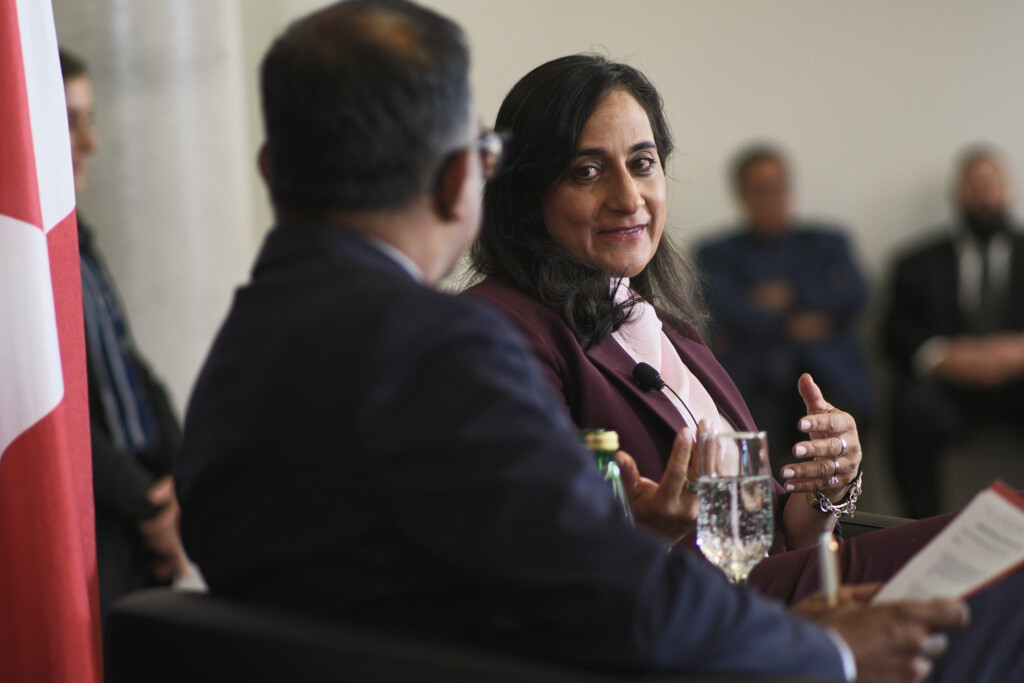
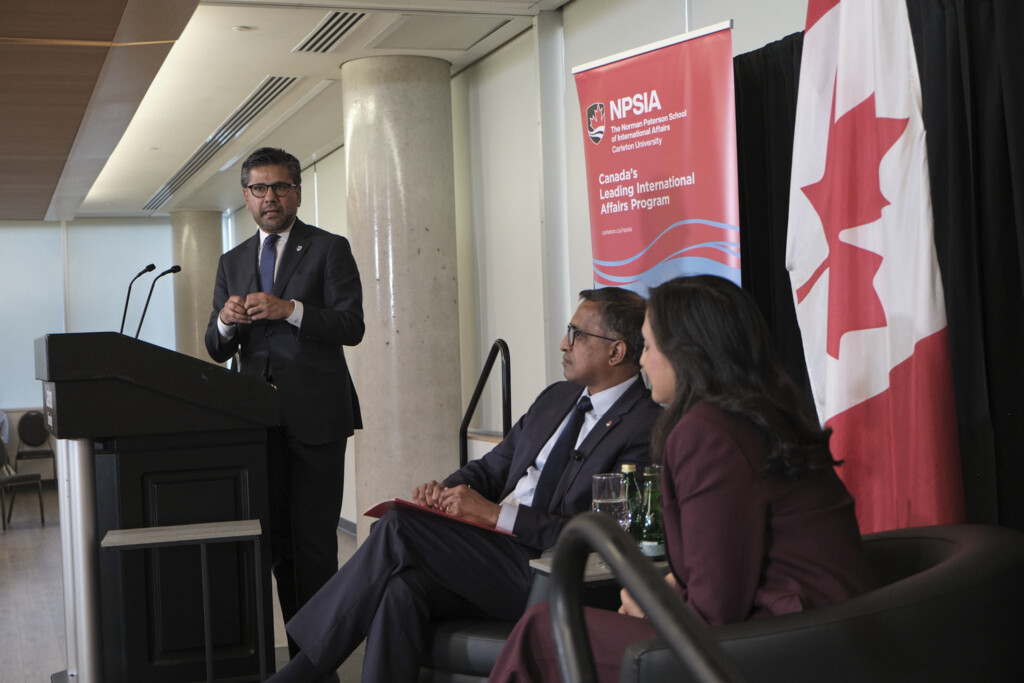
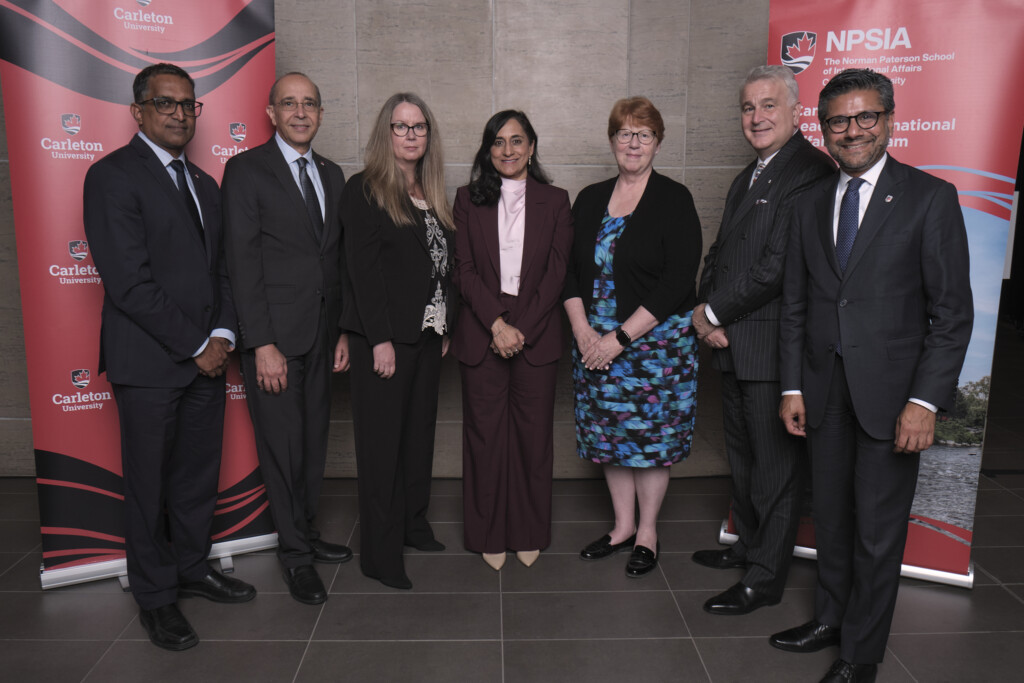
The Norman Paterson School of International Affairs marked its 60th anniversary with a speaker worthy of the occasion: Canada’s Minister of Foreign Affairs, Anita Anand. At a time when Canada is leading international headlines, the opportunity to hear from the country’s leading diplomat was an honour for the standing-room-only audience, which included ambassadors, diplomats, alumni, faculty, and students.
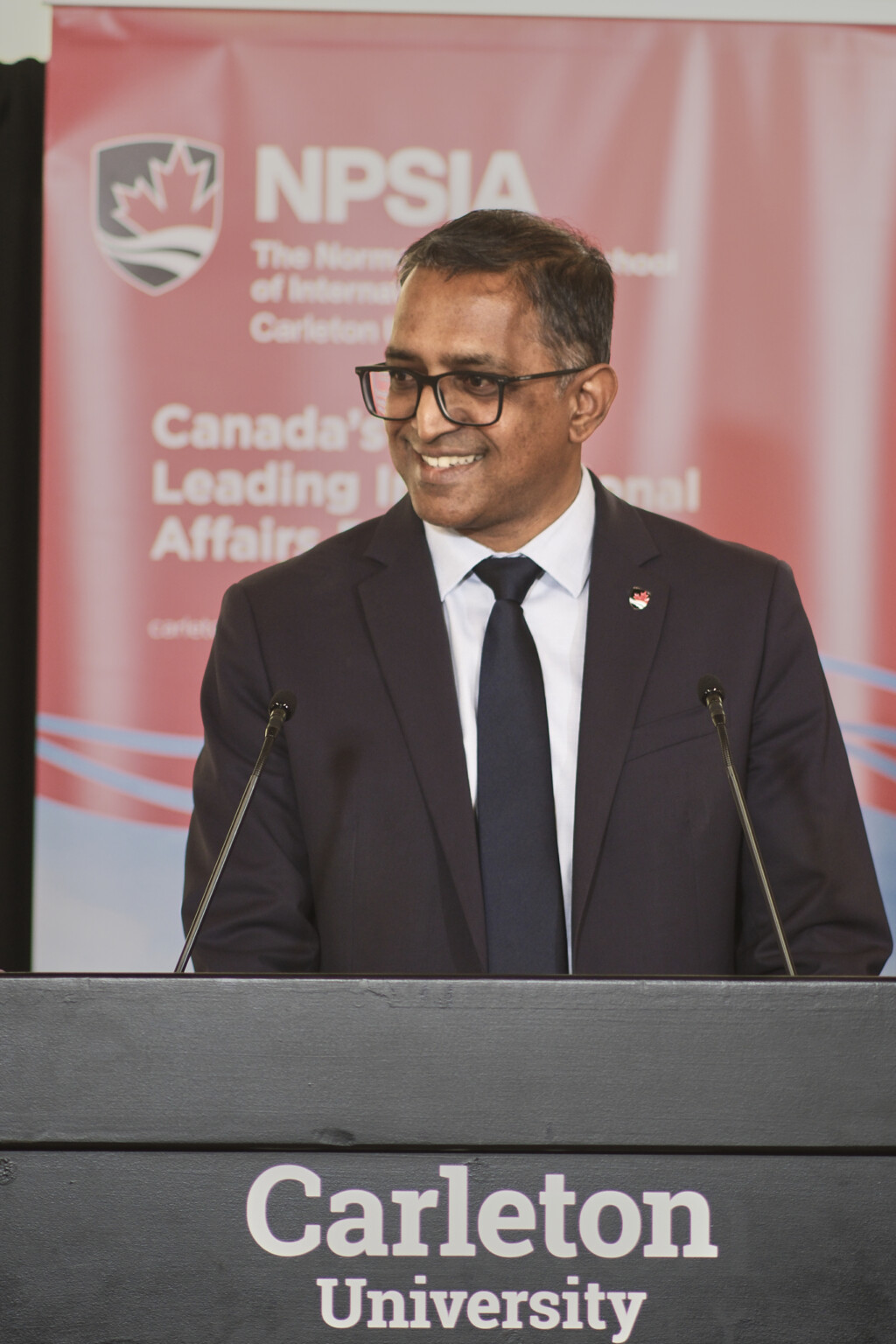
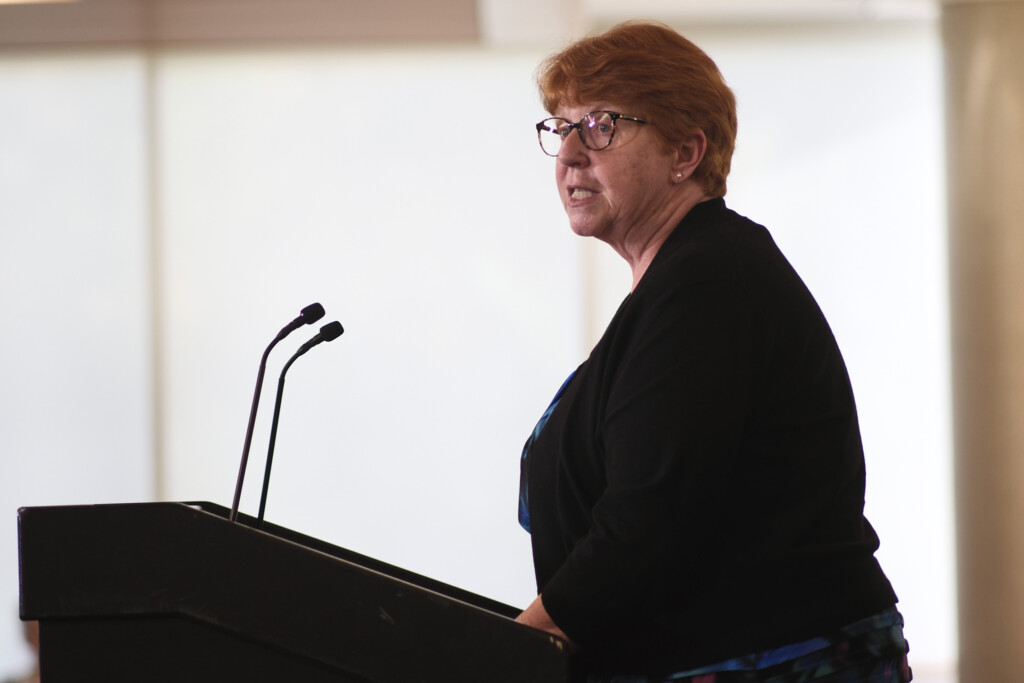
“To be able to be with you this evening, to celebrate 60 years of this institution, is an honour, and I thank you for inviting me,” said Anand, before acknowledging the ambassadors in the audience, as well as MP Yasir Naqvi, the Parliamentary Secretary to the Minister of International Trade and Secretary of State for International Development, and a NPSIA alumnus.
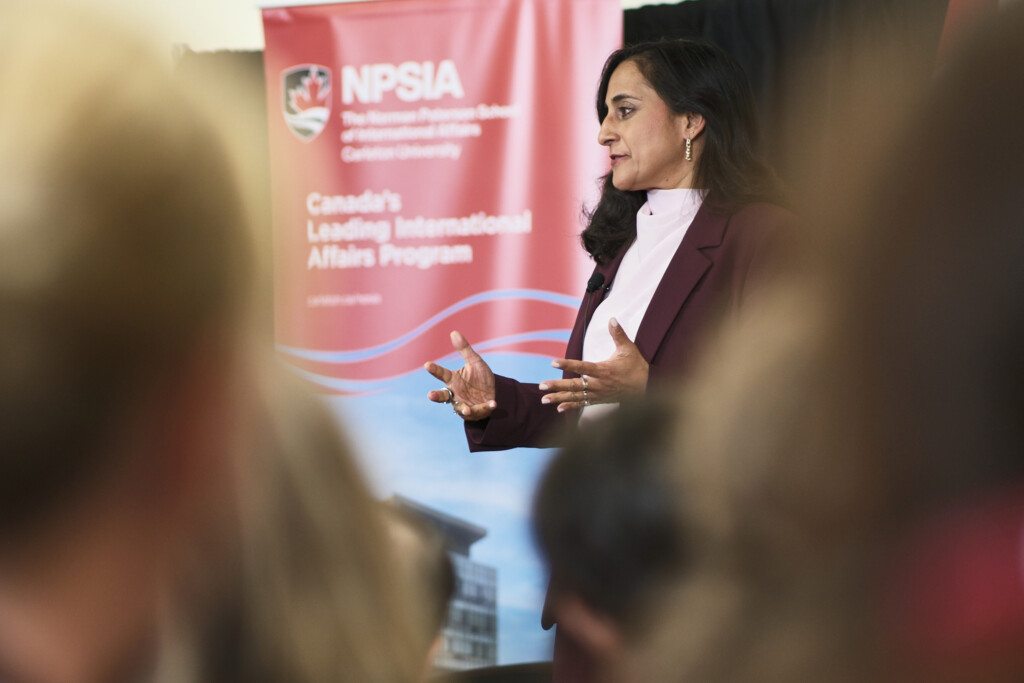
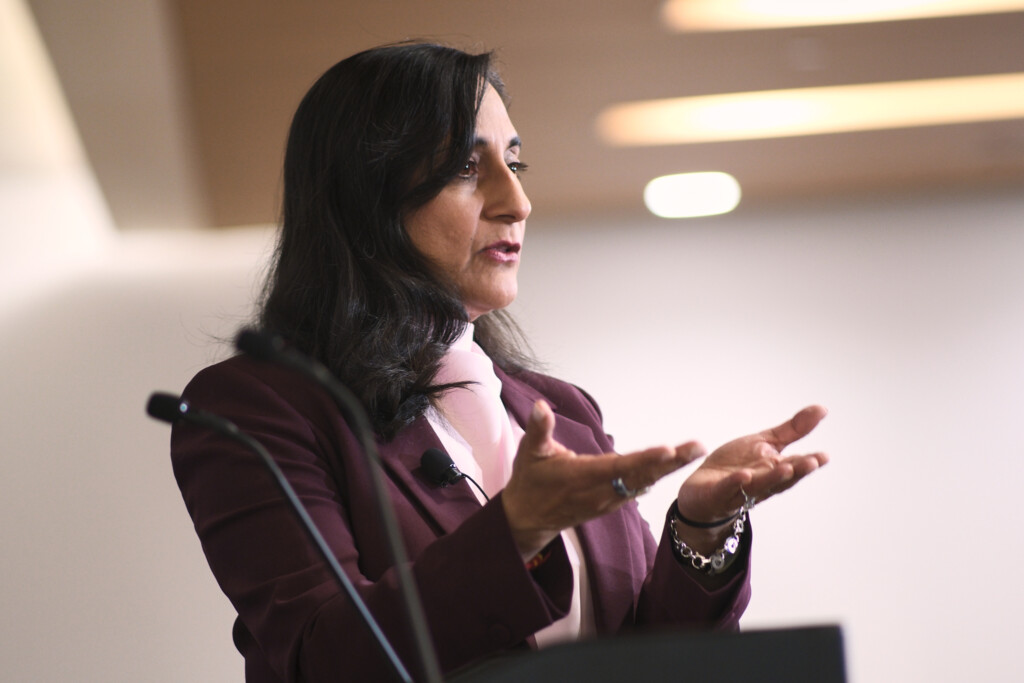
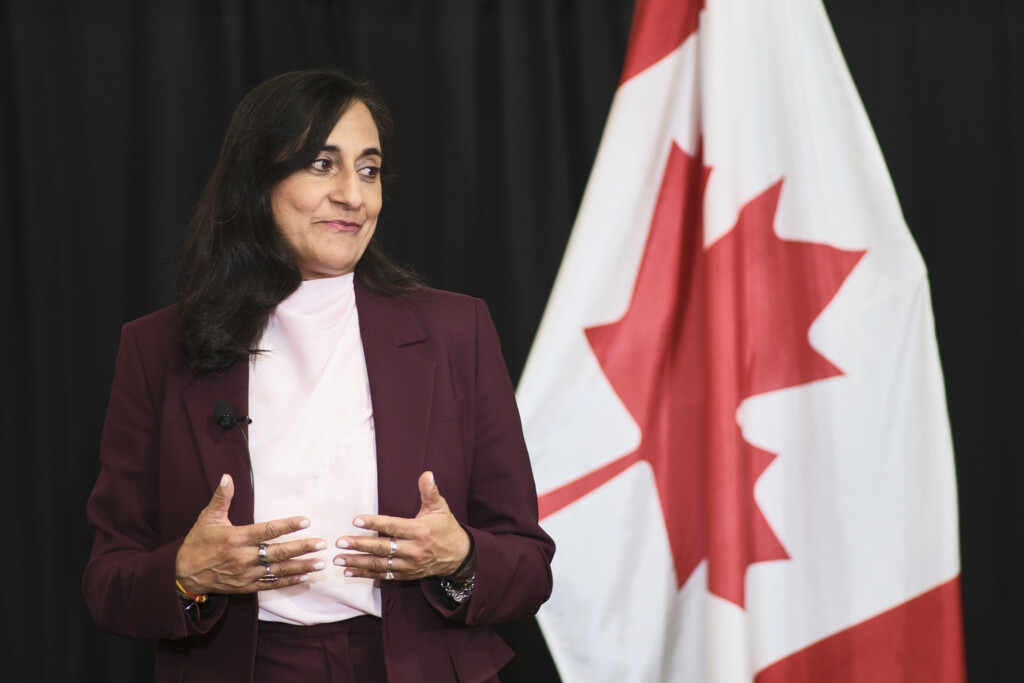
Following introductions, Anand stepped away from the podium and spoke extemporaneously on the challenges faced by Canada on the world stage. Her number one objective? To double non-U.S. trade over the next decade.
“We are being very ambitious internationally. If we are going to diversify our supply chains, if we are going to execute our middle power strategy, we have to be prepared to engage.”
That engagement requires near-constant travel, with Anand listing off countries she’s visited in the past year, including India, China, the Nordic Five, the Philippines, Japan, Qatar, Oman, Bahrain, Turkey, Panama, and Brazil. She also visited Pakistan, where she was the first foreign minister they’d seen since 2007. However, she acknowledged a particular emphasis on the European Union.
“It’s no secret that the Prime Minister referred to Canada as the most European of non-European countries last year,” said Anand. “And over the course of the past year and a half, you have seen Canada execute agreements with individual countries in Europe, as well as with the EU as a whole, which have built upon that general frame. All of that is a precursor to the summit with the EU that will take place at the end of October.”
Anand acknowledged that focus on multilateralism comes at a precarious time, with global conflicts increasing as traditional relationships strain. Despite that, she says, the Canadian government has chosen to lead.
“We’ve come to this notion of a principal pragmatism, an understanding that we are not retreating as a country in our foreign policy. We’re not stepping back, hiding under rock, and hoping that this goes away,” Anand told the audience. “On the contrary, we are approaching today’s environment with strength, with courage, and most of all with faith in the Canadian population, and our ability collectively to rise to the challenges before us, to work together, and to ensure that we emerge stronger than ever.”
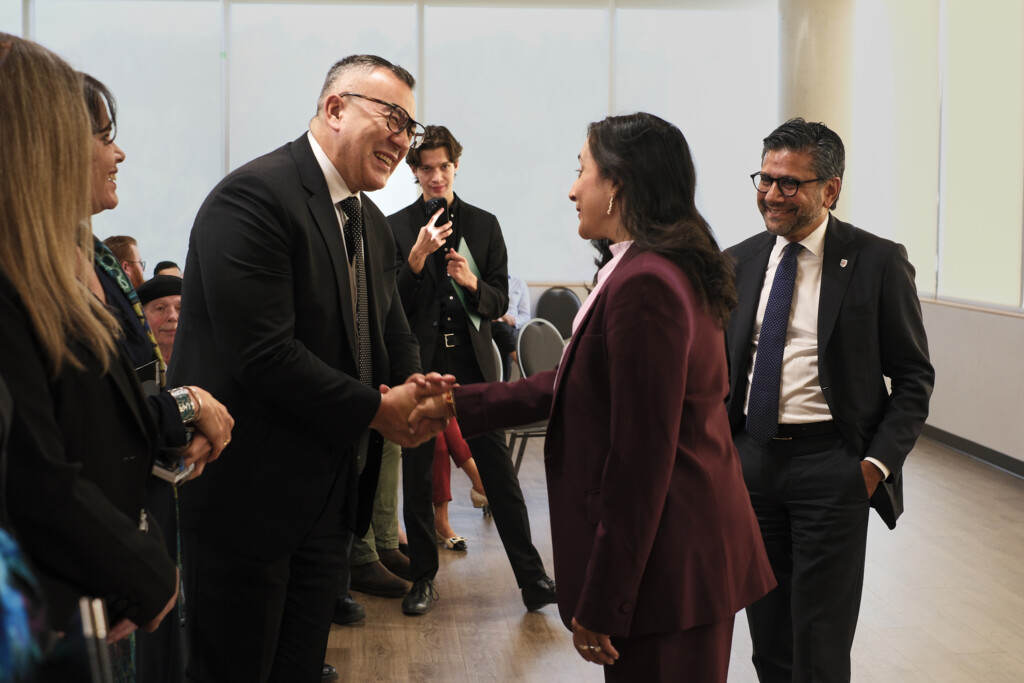
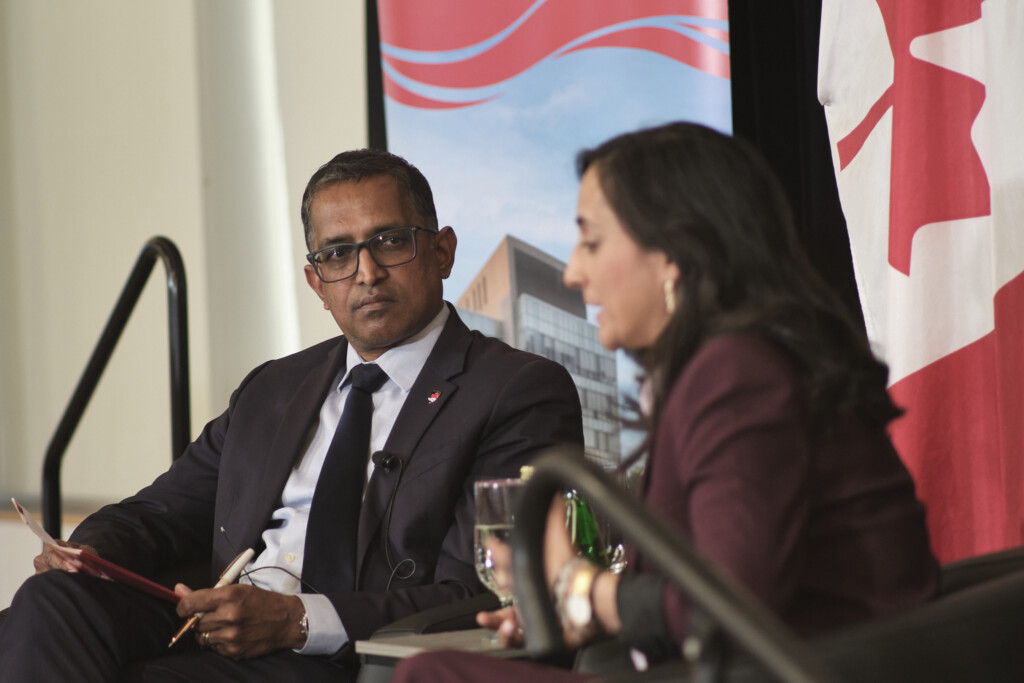
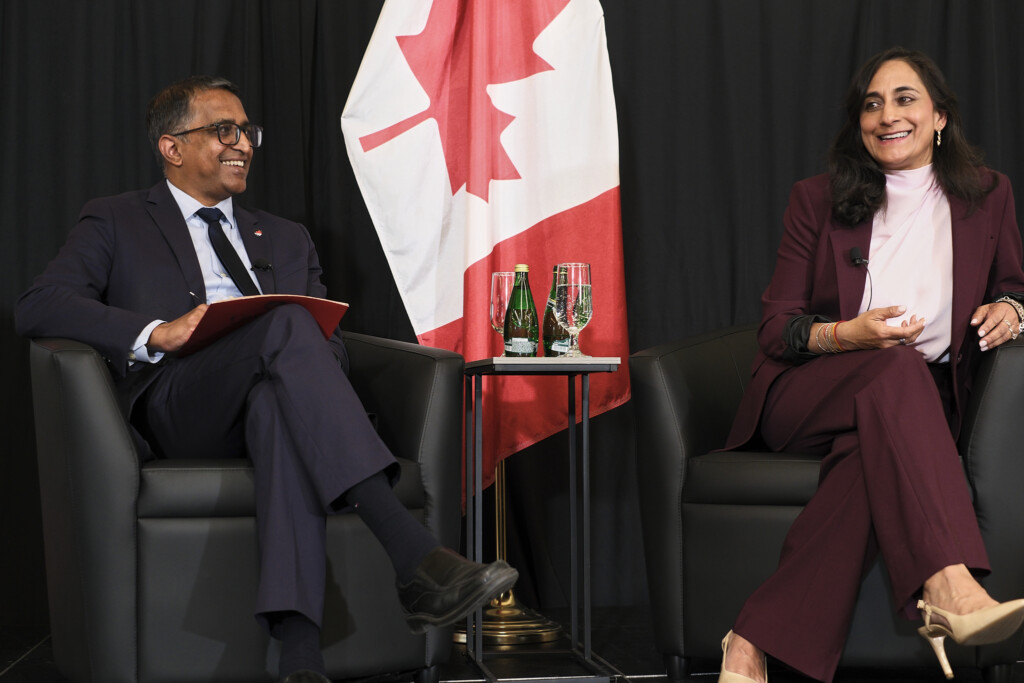
Minister Anand’s remarks were followed by a Q&A moderated by Director Yiagadeesen (Teddy) Samy, featuring questions submitted by NPSIA students. The event concluded with a lively reception attended by NPSIA students, faculty, staff and alumni.